
Used Bus Trucks For Sale in North Carolina
Browse used bus trucks for sale in North Carolina, including school, shuttle, and wheelchair buses with common specs, applications, and buying tips.
Learn more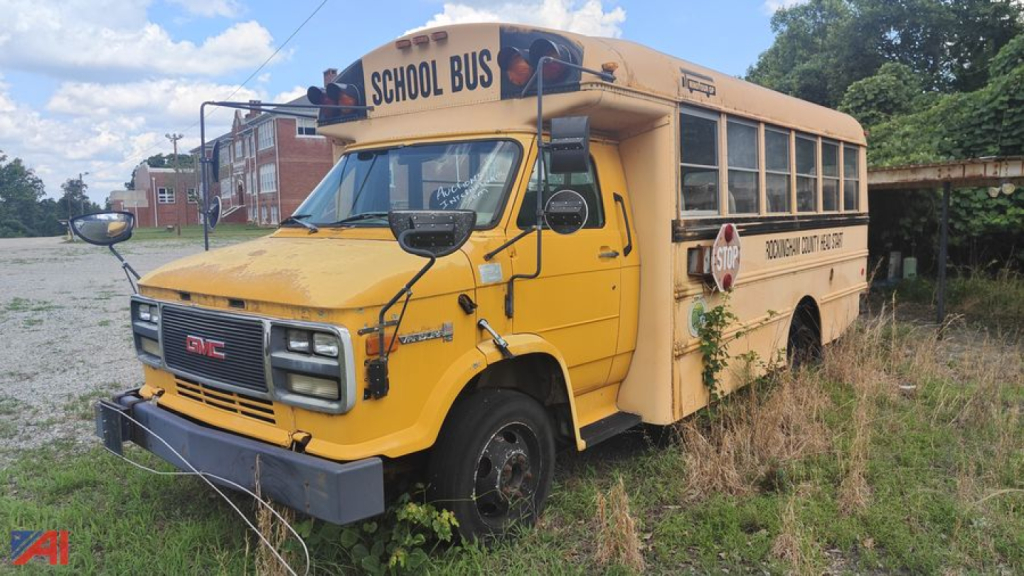
Have used bus truck to sell? List it here to reach thousands of buyers.
About Used Bus Trucks in North Carolina
On used bus purchases, body condition and service history matter as much as the chassis. Pay close attention to floor integrity, stepwell corrosion, roof seams, sidewall structure, and the condition of passenger seats, restraints, and emergency exits. On wheelchair buses, inspect the lift cycle operation, interlocks, handrails, securement tracks, and door seals. On school bus applications, check warning light function, crossing arm operation if equipped, and the overall condition of stop-sign hardware and electrical systems. In North Carolina, humidity and coastal exposure can accelerate rust on underbody structure, door frames, and electrical connections, so a careful inspection underneath the unit is important.
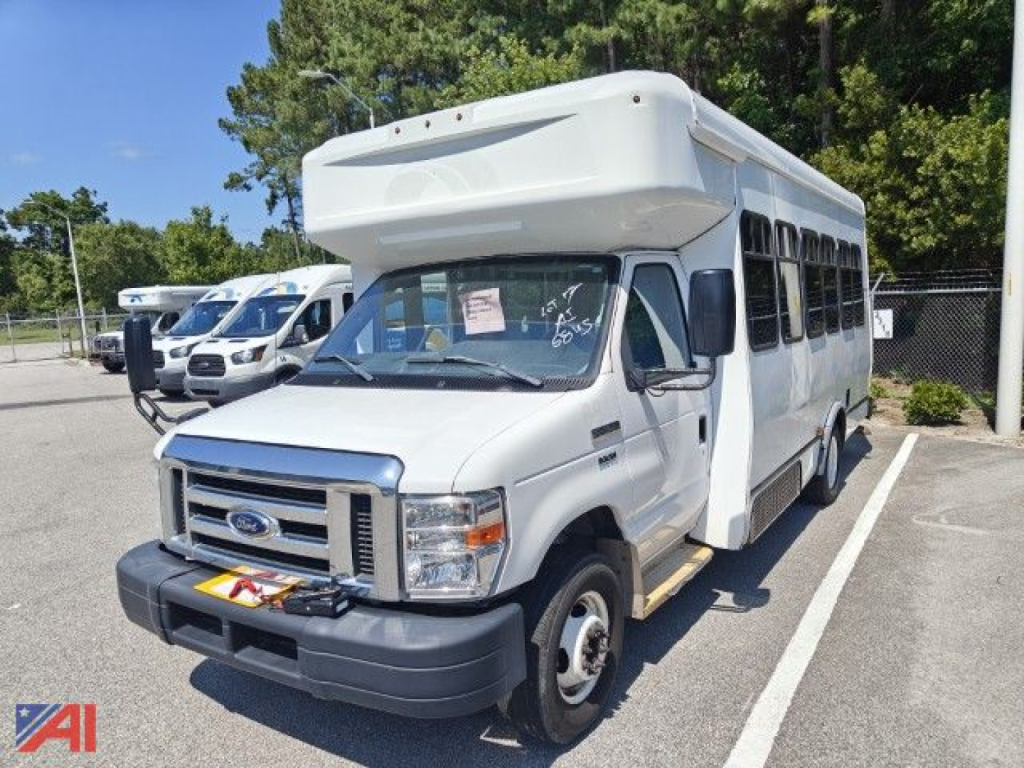
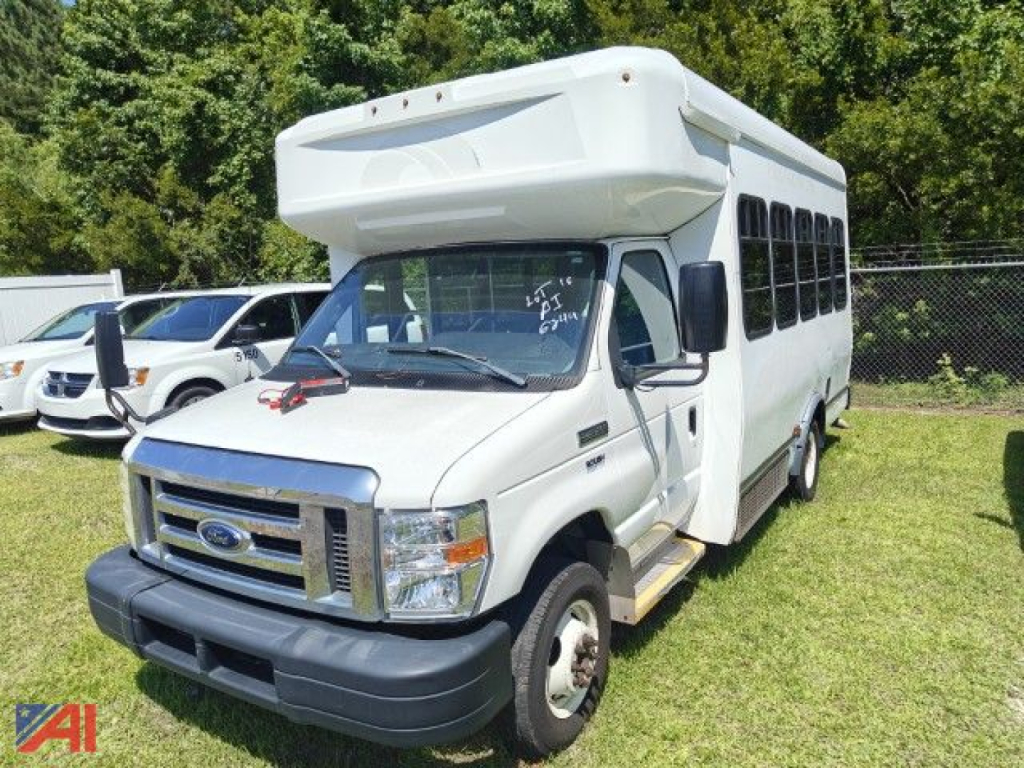
Powertrain specs vary by size and duty cycle. Smaller shuttle and mobility buses often use gasoline Ford E350 or E450 chassis, while larger school buses may carry medium-duty diesel engines paired with automatic transmissions. Suspension setup, wheelbase, GVWR, and brake type all affect ride quality, service cost, and operating range. Buyers should confirm axle ratings, seating capacity, luggage or rear cargo space if needed, and air conditioning performance, especially for summer passenger service in the Southeast. If the bus will be used for private shuttle work, medical transport, daycare routes, or event operations, make sure the seating layout, entry height, and interior aisle width fit the intended use.
A used bus can be a practical value buy when the chassis is proven and the body has been maintained correctly. Focus on uptime items first: drivetrain condition, cooling system health, tire age, brake wear, battery and charging performance, and any signs of deferred fleet maintenance. Then verify compliance-related details such as VIN labels, passenger equipment, and accessibility features. Buyers comparing bus trucks for sale in North Carolina should think in terms of route length, passenger load, maneuverability, and service support for the chassis make, because those factors usually have more impact on long-term operating cost than model year alone.
Frequently Asked Questions
What should I check first on a used bus truck?
Start with the chassis and structural condition. Engine performance, transmission shift quality, brake condition, cooling system health, steering play, and tire age are core uptime items. After that, inspect the body for rust, floor weakness, leaks around roof seams, damaged door hardware, and electrical issues. On any passenger bus, safety equipment and emergency exits should be fully functional before cosmetic concerns are considered.
What is the difference between a shuttle bus, a wheelchair bus, and a school bus?
A shuttle bus is generally configured for general passenger movement and may be used by hotels, churches, airports, or private operators. A wheelchair bus includes ADA-oriented access features such as a lift or ramp, securement positions, and interior layout changes for mobility devices. A school bus is built to pupil transportation standards, typically with route-focused seating, school safety lighting, and body construction specific to school service. The chassis, capacity, and compliance requirements can differ significantly between the three.
Are Ford E350 and E450 buses common in the used market?
Yes. Ford E350 and E450 cutaway buses are common in the used market because they are widely used for shuttle, paratransit, and wheelchair applications. Buyers often choose them for familiar service networks, straightforward parts availability, and maneuverability compared with larger full-size buses. The exact fit depends on passenger count, lift requirements, and how much payload the finished body carries.
Why does North Carolina location matter when buying a used bus?
North Carolina buyers should pay attention to climate exposure and operating environment. Coastal areas can contribute to corrosion on underbody components, door frames, wiring connections, and lift hardware, while stop-and-go municipal or school use can create wear in brakes, steering, and suspension. A bus from a mild-duty private fleet may show a different wear pattern than one from a high-cycle public route, even if the years and miles look similar.
How important is wheelchair lift condition on an ADA bus?
It is critical. A wheelchair lift is a major operating and compliance component, not a secondary accessory. The platform should raise and lower smoothly, safety barriers should function properly, interlocks should prevent unsafe movement, and securement systems inside the bus should be complete and usable. Lift repairs can be expensive, so buyers should treat a full operational test as a basic part of inspection.