
Used 2016 Bus Trucks For Sale in Vermont
Browse used 2016 bus trucks for sale in Vermont. Compare shuttle and cutaway bus specs, passenger capacity, chassis, accessibility, and upkeep.
Learn moreNo exact matches found for your search
Showing 2016 Used Bus Trucks instead.
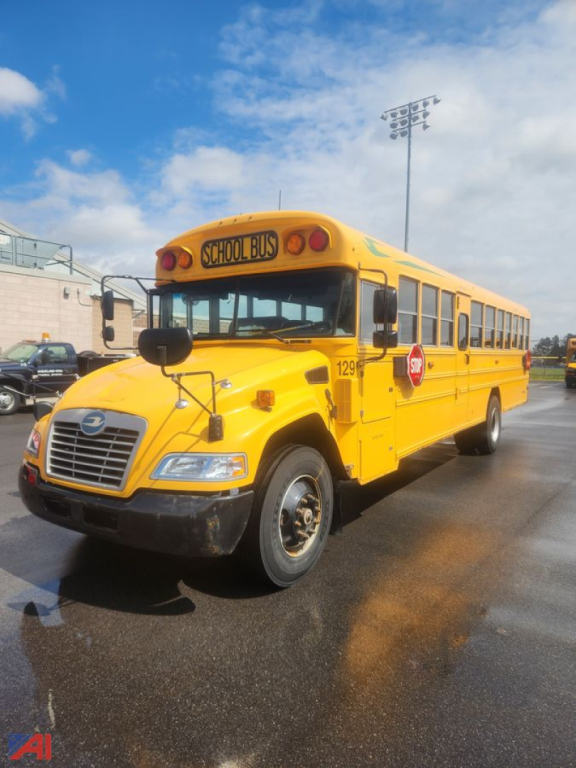
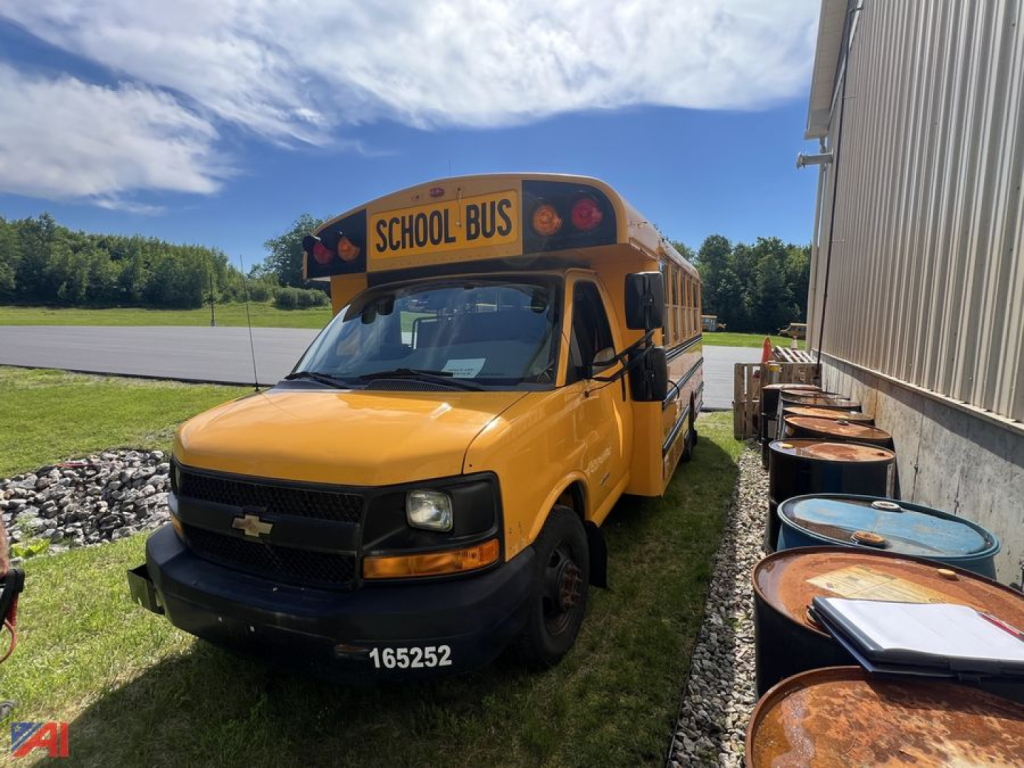
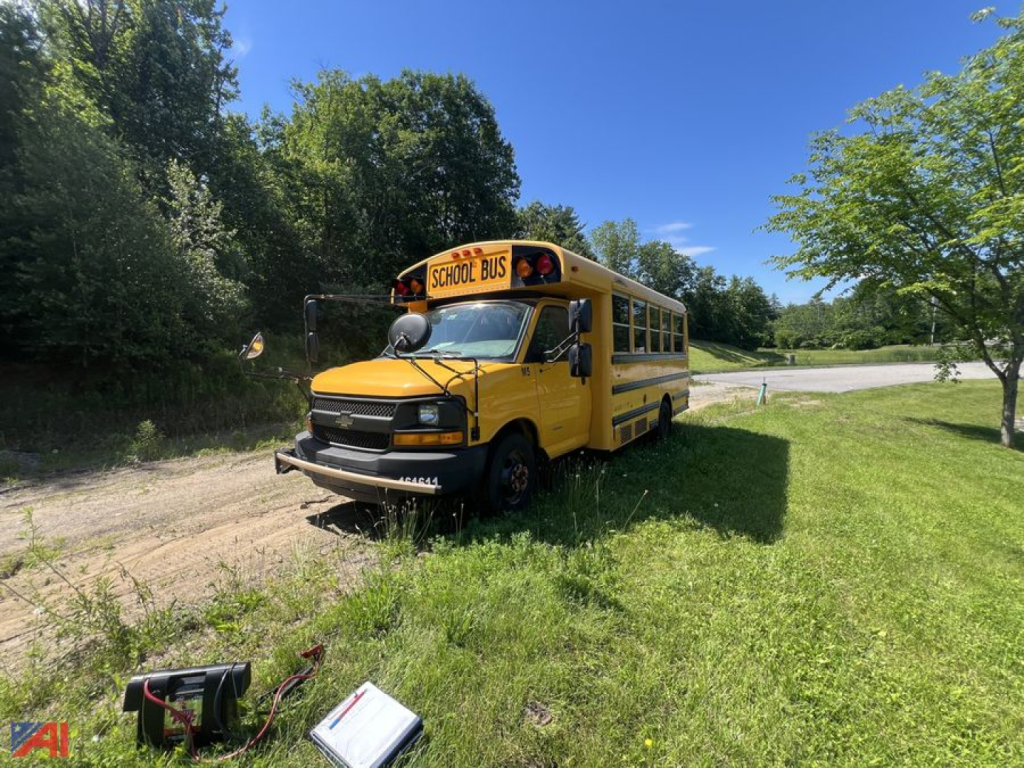
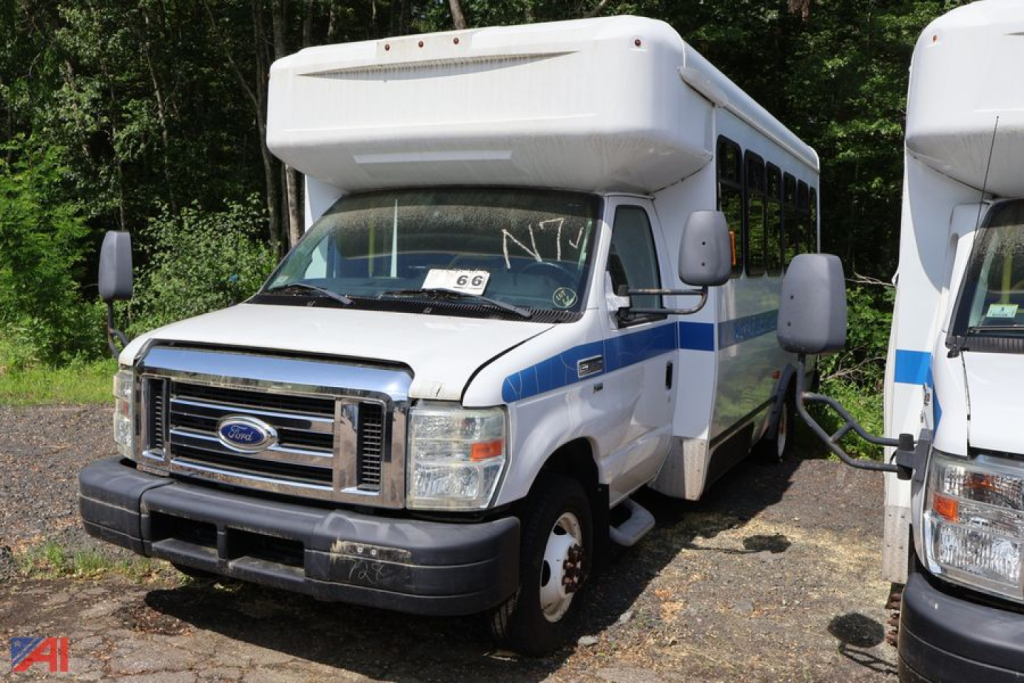
Have used 2016 bus truck to sell? List it here to reach thousands of buyers.
About Used 2016 Bus Trucks in Vermont
Passenger configuration is one of the first things to verify on a used bus. Seating layouts can vary widely depending on prior use, with some units set up for standard shuttle duty and others configured for ADA service with wheelchair lifts, tie-down positions, and wider aisle access. Buyers should confirm actual seating count, GVWR, lift operation, door type, interior headroom, and luggage or rear storage if route work requires carrying personal items or equipment. In Vermont, cold-weather operation also puts extra value on strong heater performance, defrost function, body integrity around step wells, and clean electrical operation for lighting, warning systems, and wheelchair equipment.
Condition on a 2016 bus truck should be judged beyond mileage alone. Fleet and municipal buses often accumulate long idle hours, frequent stop-and-go cycles, and repeated door and lift use. That makes service records important for brakes, front-end components, suspension, cooling system, batteries, tires, and transmission performance. Rust inspection is especially important in northern states. Pay close attention to frame condition, body mounts, floor structure, wheel arches, lower skirt panels, and underbody corrosion from road salt exposure. A clean interior, solid step entry, and properly functioning HVAC can tell you a lot about how the bus was managed.
This equipment class appeals to buyers who need commercial-grade passenger transport without stepping up to a full-size coach or heavy transit platform. A 2016 bus truck can offer a practical balance of capacity, road manners, and operating cost, especially for regional routes, campus loops, assisted living transport, and contractor crew movement. When comparing listings, focus on chassis type, accessibility equipment, service history, seating layout, and corrosion level first. Those factors usually have a bigger impact on long-term value than paint, trim, or odometer reading alone.
Frequently Asked Questions
What is a 2016 bus truck typically built on?
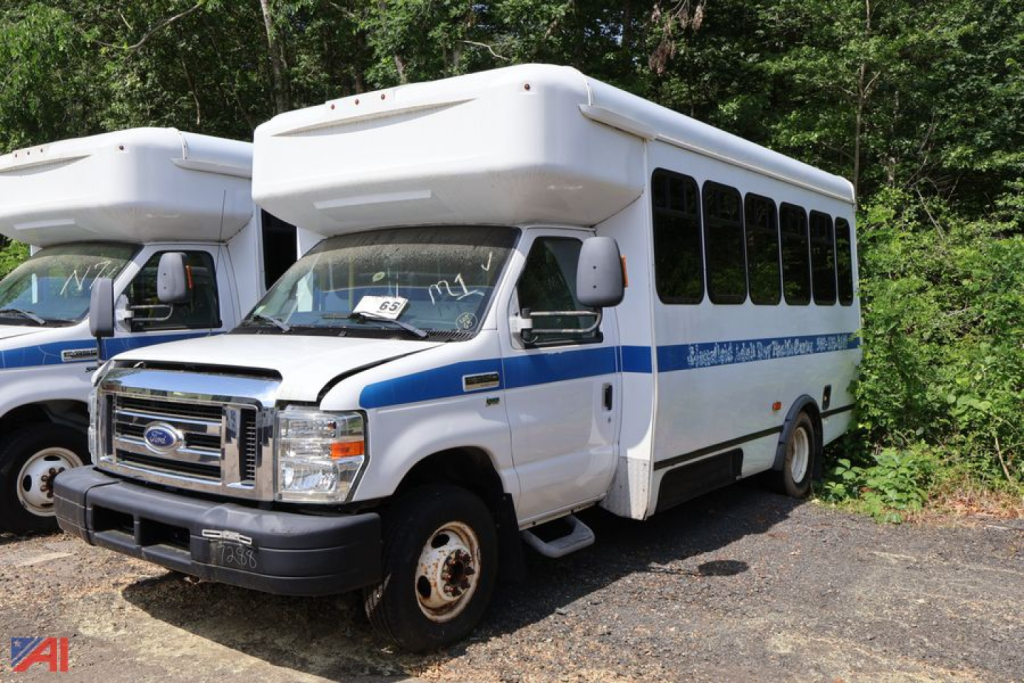
Most 2016 bus trucks in this category are cutaway buses built on van or medium-duty truck chassis, commonly Ford E-450 or Ford F-550 platforms. The chassis determines GVWR, ride characteristics, service access, and parts availability. For many commercial and municipal buyers, a familiar chassis simplifies maintenance planning and reduces downtime because local shops are already equipped to service the engine, transmission, brakes, and front suspension.
What should I check first on a used bus in Vermont?
Start with rust, service history, and accessibility equipment. Vermont use can mean exposure to snow, de-icing chemicals, and hard winter starts, so underbody corrosion, body mount condition, step well integrity, and brake line condition deserve close inspection. After that, verify heater output, defroster performance, battery condition, tire date codes, door operation, and the function of any wheelchair lift or restraint system. These items directly affect safety, compliance, and immediate repair cost.
How many passengers does a cutaway bus usually carry?
Passenger capacity varies by body builder and interior layout, but many cutaway buses carry roughly 12 to 28 passengers, sometimes fewer when ADA positions are included. A wheelchair lift, tie-down area, rear luggage section, or wider aisle can reduce seated capacity. Buyers should confirm the actual legal seating configuration on the specific bus and compare it against intended use, route length, and passenger loading patterns.
Is mileage the best indicator of bus condition?
No. Mileage matters, but operating hours, idle time, maintenance quality, and route type are often just as important on a used bus. Shuttle and transit-style service usually involves frequent stops, extended idling, repeated door cycles, and heavy HVAC use. A bus with moderate mileage and strong maintenance records can be a better value than one with lower mileage but poor documentation, rust issues, or neglected lift and HVAC systems.
What applications fit a 2016 bus truck best?
A 2016 bus truck is well suited for shuttle work, senior and assisted living transport, church and nonprofit use, hotel and airport support, employee or contractor movement, and paratransit service. This class works best when buyers need easier maneuverability, lower operating cost, and simpler maintenance than a full-size transit bus. It is especially practical for regional routes, smaller communities, and organizations that want commercial passenger capacity on a familiar chassis.