
Used 2015 Bus Trucks For Sale in New York
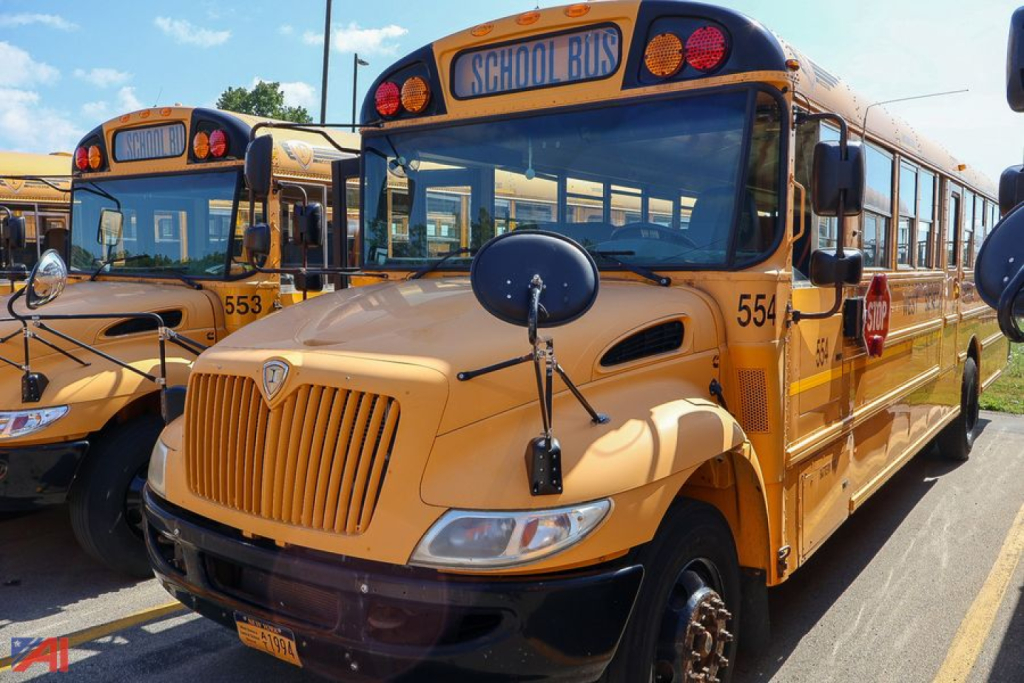
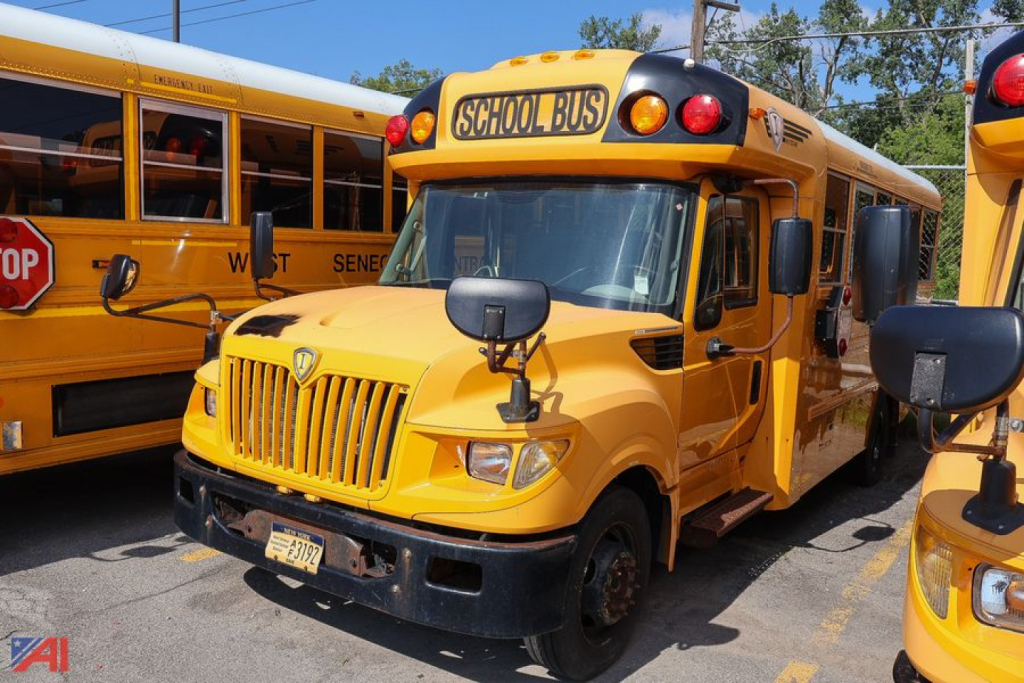
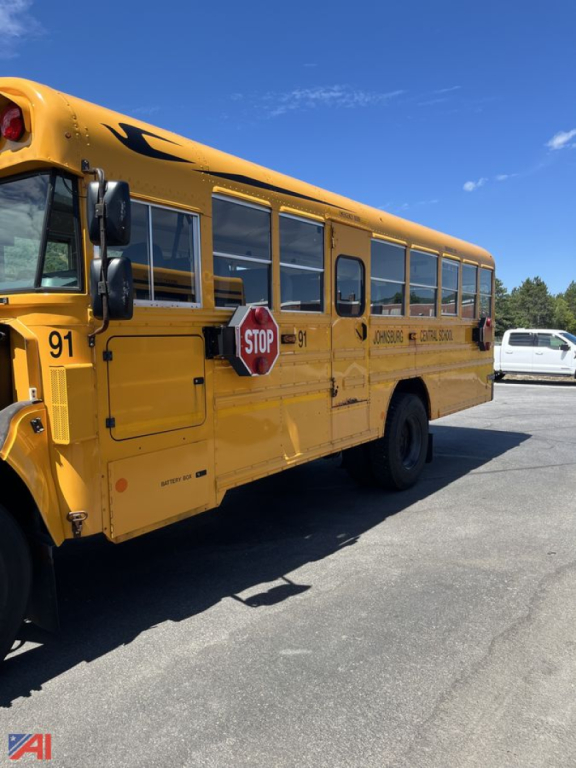
Have used 2015 bus truck to sell? List it here to reach thousands of buyers.
Used 2015 Bus Trucks in New York
For New York buyers, rust and underbody condition matter as much as mileage. A 2015 bus that spent its life in school district service may show corrosion on frame rails, step wells, body mounts, brake lines, wiring connections, and emergency door hardware because of winter road salt exposure. It is worth checking floor integrity, wheel housings, skirt panels, crossmembers, and the condition of heater systems, especially on full-size school bus bodies that saw regular cold-weather use. Service records are valuable on this category because idle time, route density, and stop-and-go operation can affect engine hours, transmission wear, cooling systems, and brake life more than odometer readings alone.
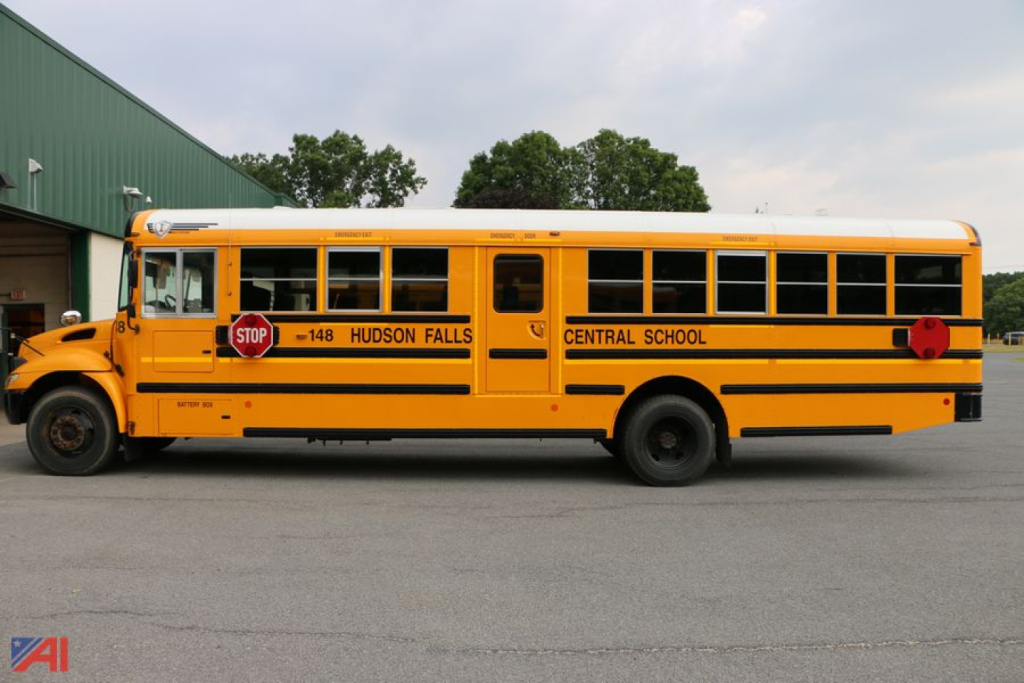
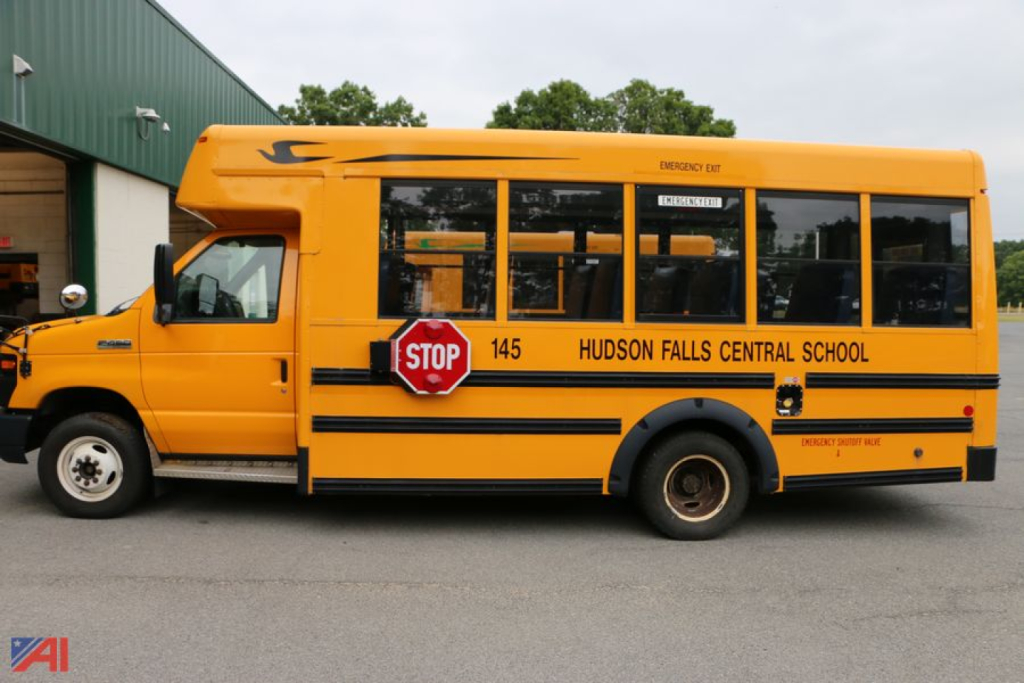
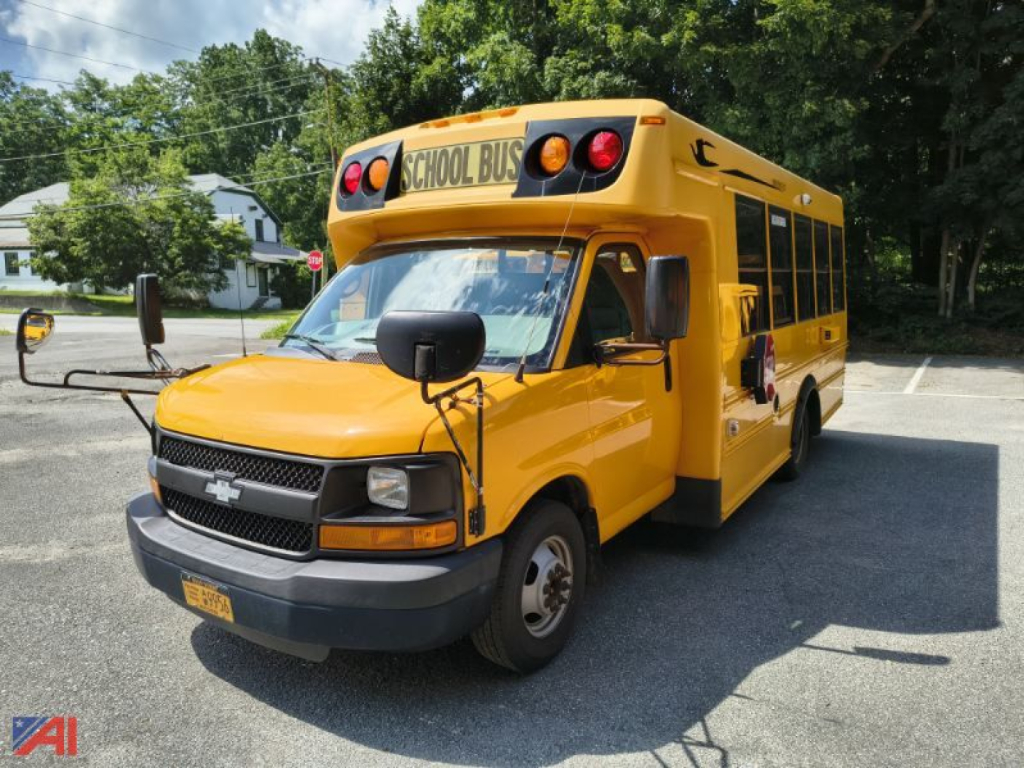
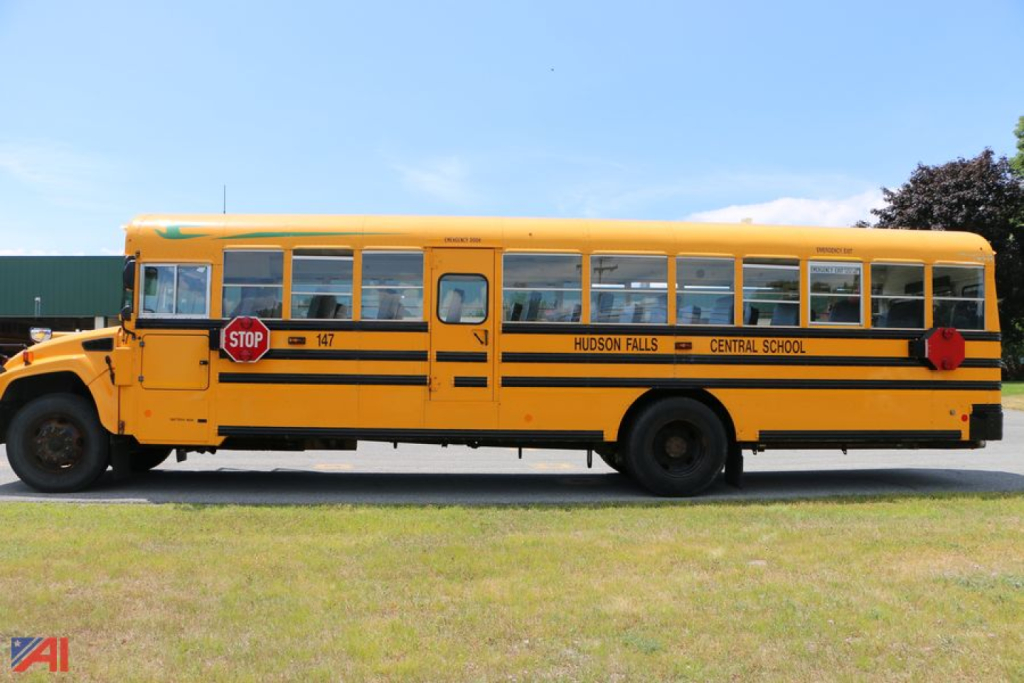
Body style is a major decision point. A full-size Type C conventional bus is common in this segment and is often chosen for school transportation, church groups, shuttle work, or conversion projects where interior volume matters. Mid-size buses offer better maneuverability and can be a better fit for private campuses, smaller passenger counts, or local route work. Buyers should compare seating capacity, wheelbase, overall length, luggage or storage needs, headroom, and door configuration. If the bus will be repurposed, check state and local requirements for seat removal, lighting changes, wheelchair lift compliance, CDL thresholds, and any inspection rules tied to former school bus equipment.
A strong used 2015 bus truck listing usually stands out for documented maintenance, clean electrical systems, solid body structure, and a chassis spec that matches the intended route. Cooling performance, suspension wear, steering play, tire date codes, warning light function, and lift or stop-arm removal status all deserve close review. On school bus units, buyers should also verify if the bus retains original safety equipment, if warning systems have been decommissioned correctly, and whether the title history supports private or commercial reuse. The best value in this category usually comes from balancing passenger capacity and remaining service life against refurbishment costs, especially when body repairs, emissions work, or corrosion remediation could quickly change the total cost of ownership.
Frequently Asked Questions about Used 2015 Bus Trucks in New York
What should I inspect first on a used 2015 bus truck in New York?
Start with rust, frame condition, and the underbody. New York buses often see heavy winter salt exposure, so frame rails, crossmembers, step wells, brake lines, fuel system components, body mounts, and floor structure deserve close attention before mileage or cosmetics. After that, review engine hours, service records, transmission operation, cooling system performance, and brake condition. A bus with moderate miles and strong maintenance history is often a better purchase than a lower-mile unit with corrosion or deferred repairs.
What engines and transmissions are common in 2015 bus trucks?
Many 2015 bus trucks in this category use medium-duty diesel powertrains such as Cummins or MaxxForce engines paired with Allison automatic transmissions. Exact specs vary by manufacturer and body size, but these combinations are common because they were widely used in school and shuttle applications. Buyers should confirm emissions system condition, fault codes, cooling system service, and transmission shift quality. Powertrain parts availability and local service support are important because buses often accumulate wear through idle time and frequent stop-and-go duty rather than just highway miles.
Are 2015 school buses a good candidate for shuttle or private use?
Yes, many are repurposed for shuttle service, church transport, worker movement, campus operations, and mobile conversion projects. The key is matching the original spec to the new job. Seating layout, aisle width, entry door style, HVAC performance, and luggage or storage needs should all be reviewed. Buyers also need to verify how former school bus equipment has been removed or disabled, and whether state regulations require changes to lights, markings, stop arms, or passenger equipment before commercial or private use.
How important is mileage on a used bus truck compared with engine hours?
Mileage matters, but engine hours can be just as important on a bus. School and route buses often spend long periods idling, loading passengers, running heaters, or operating in dense stop-and-go service. That duty cycle can increase wear on the engine, transmission, cooling package, and emissions components even when total miles seem low. A bus with clear maintenance records, consistent preventive service, and reasonable hours can be a better indicator of value than odometer reading alone.
What size bus is usually the best fit for most buyers?
That depends on route density, passenger count, and operating space. Full-size conventional buses offer the most seating and interior volume, which helps for school routes, group transport, and larger shuttle applications. Mid-size buses are easier to maneuver, easier to park, and often better for smaller groups or tighter urban and campus environments. Buyers should compare overall length, wheelbase, turning radius, door configuration, and GVWR against the actual route before choosing a size.