
Used 2014 Bus Trucks For Sale in New York
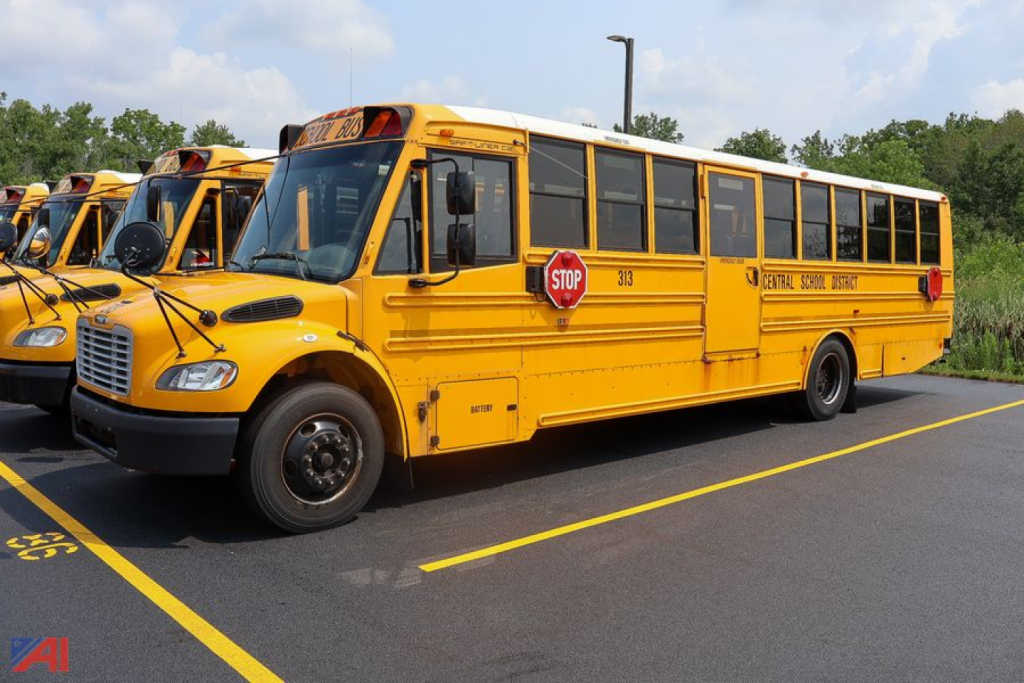
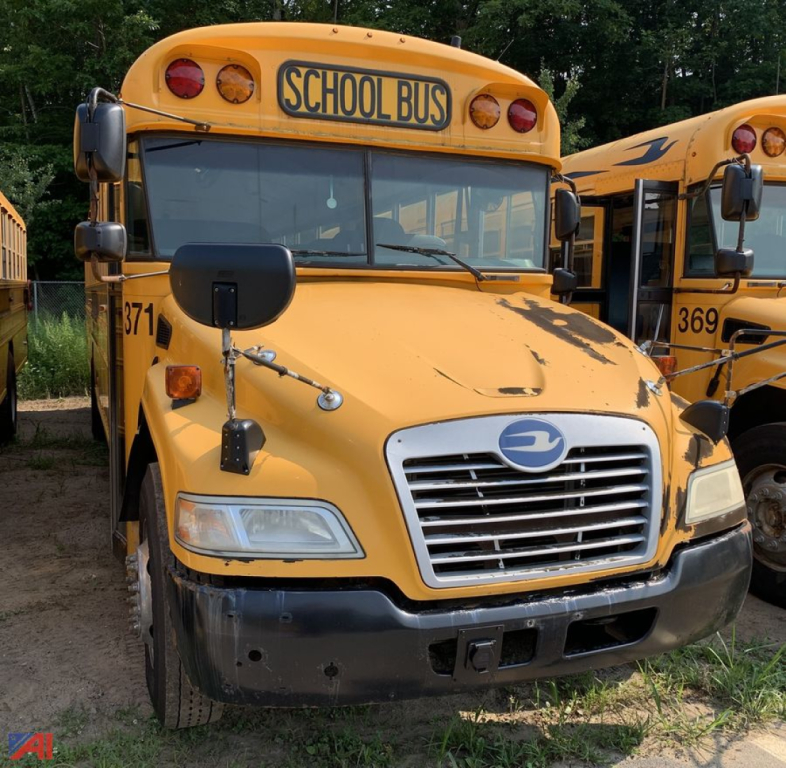
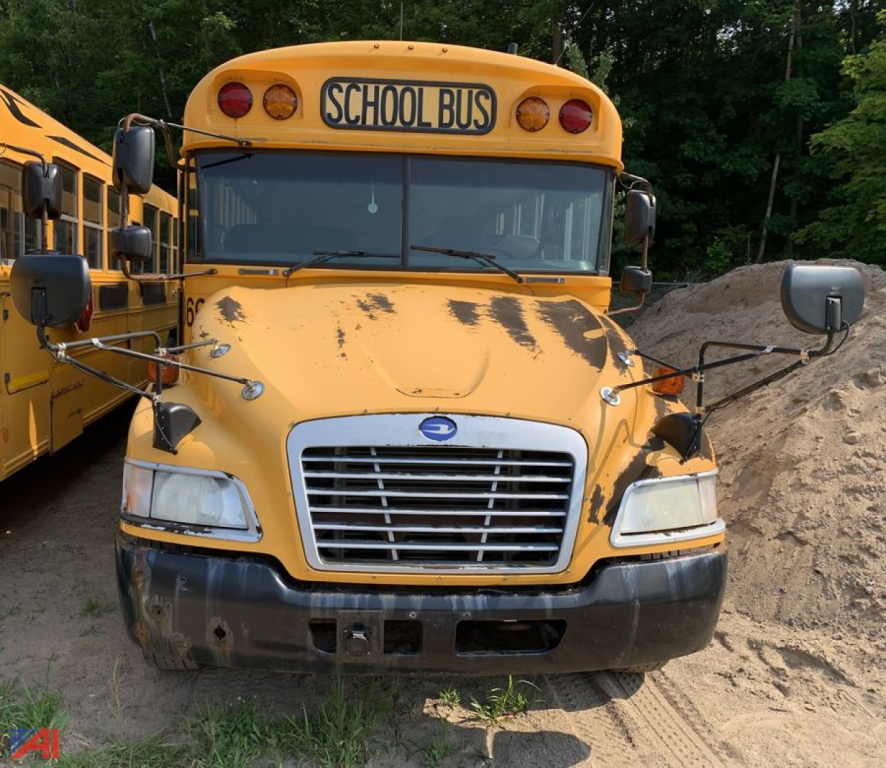
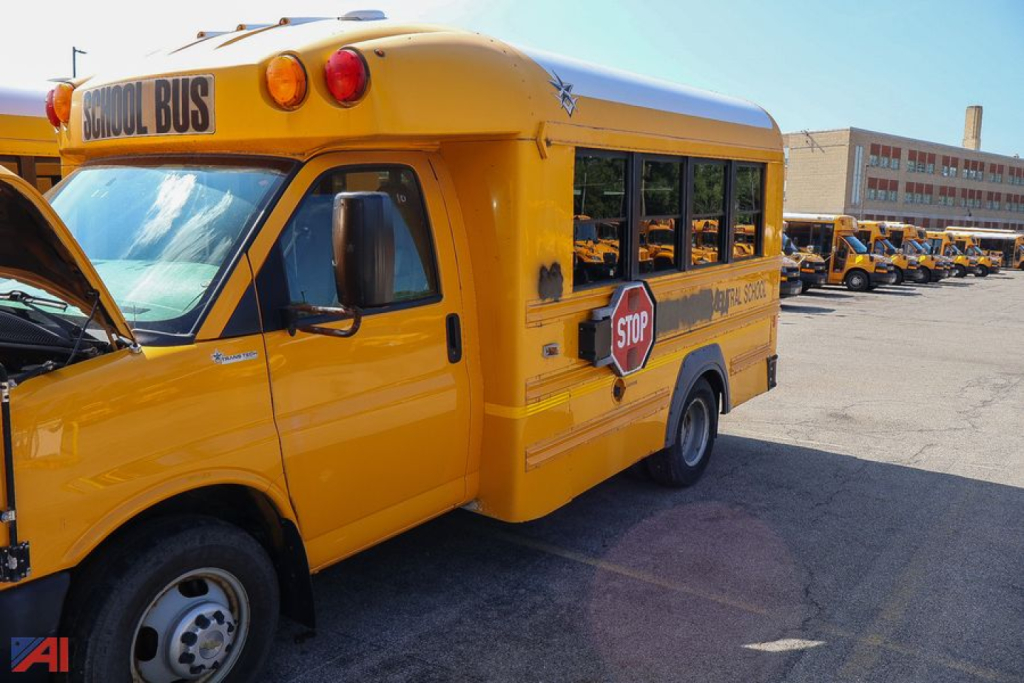
Have used 2014 bus truck to sell? List it here to reach thousands of buyers.
Used 2014 Bus Trucks in New York
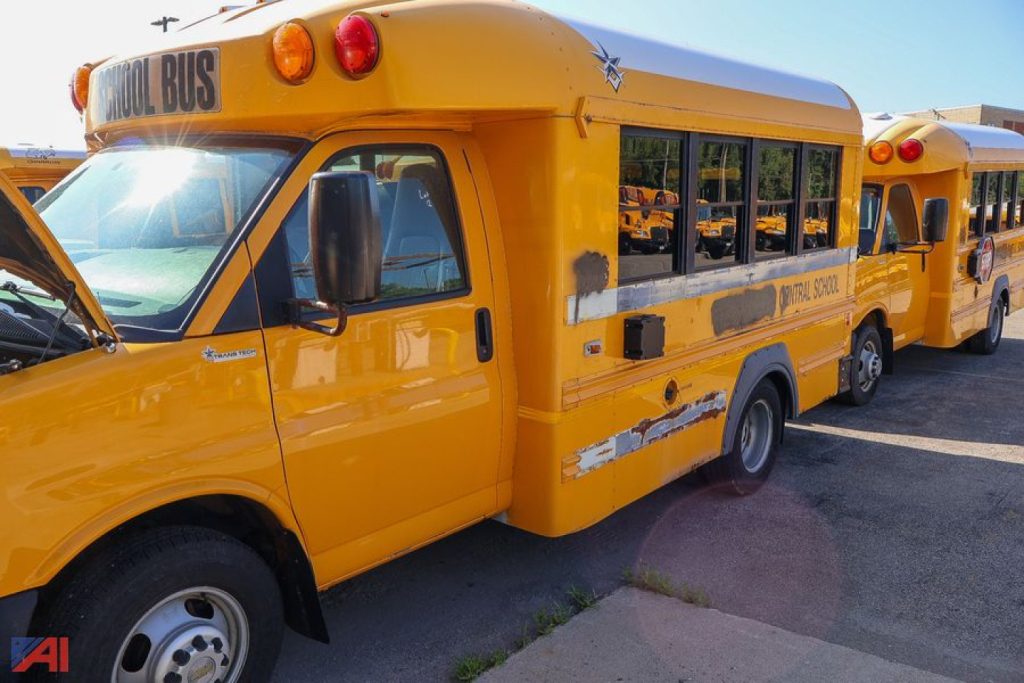
For 2014 model-year buyers, the powertrain and emissions package deserve close attention. Many buses from this period use diesel engines paired with automatic transmissions, and they may include aftertreatment components such as DPF systems and DEF-equipped SCR setups depending on chassis and engine family. A buyer should confirm engine hours if available, idle history, maintenance records, and recent work on injectors, turbochargers, cooling systems, brakes, and emissions components. On school bus and municipal units in New York, corrosion is also a serious value factor. Frame condition, body mounts, floor structure, stepwell rust, wheel-arch corrosion, and underbody brake and fuel line condition can matter as much as mileage.
Body configuration is equally important. A 2014 bus may be set up as a school bus, activity bus, shuttle bus, commercial transit-style unit, or ADA-capable passenger vehicle with a wheelchair lift. Buyers should verify passenger capacity, seat layout, aisle width, luggage or rear storage needs, HVAC performance, and the condition of entry doors, emergency exits, window seals, and lift equipment if equipped. If the bus is being repurposed from school service, lighting, stop arms, crossing control equipment, and interior configuration may need modification to meet the new application. In some cases, a bus truck is also referred to simply as a bus, school bus, shuttle bus, mini bus, or cutaway bus depending on chassis and body style.
A strong used 2014 bus purchase comes down to matching the platform to the route. Urban and suburban operations often prioritize tight maneuverability, visibility, and passenger access, while longer rural routes place more emphasis on ride quality, heating capacity, and durability. In New York, cold-weather starting, heater output, tire condition, and door seal integrity should be inspected carefully. Buyers comparing listings should focus on chassis make, seating count, GVWR class, engine and transmission combination, service history, body condition, and whether the unit still fits current passenger, compliance, and maintenance needs.
Frequently Asked Questions about Used 2014 Bus Trucks in New York
What should I inspect first on a used 2014 bus truck?
Start with the chassis and underbody. On a 2014 bus, rust, frame scaling, floor corrosion, brake line condition, suspension wear, and stepwell deterioration can quickly change the value of the unit. After that, review the engine, transmission, and emissions system history, then inspect the body, doors, windows, seating, HVAC, and any wheelchair lift equipment. A bus with average miles but heavy corrosion or deferred maintenance can cost more to put into service than a higher-mileage unit with strong records.
Are 2014 bus trucks in New York commonly diesel-powered?
Yes. Many 2014 full-size school and commercial bus units use diesel engines, while some cutaway and mini bus platforms may be gasoline-powered depending on the chassis. Diesel is common for higher passenger counts and heavier route duty because of torque and service life, but the buyer should account for emissions maintenance on 2014-era systems. Confirm whether the engine uses DPF only or DPF plus DEF, and check for any recent regeneration, sensor, EGR, or SCR repairs.
What is the difference between a full-size school bus and a mini bus?
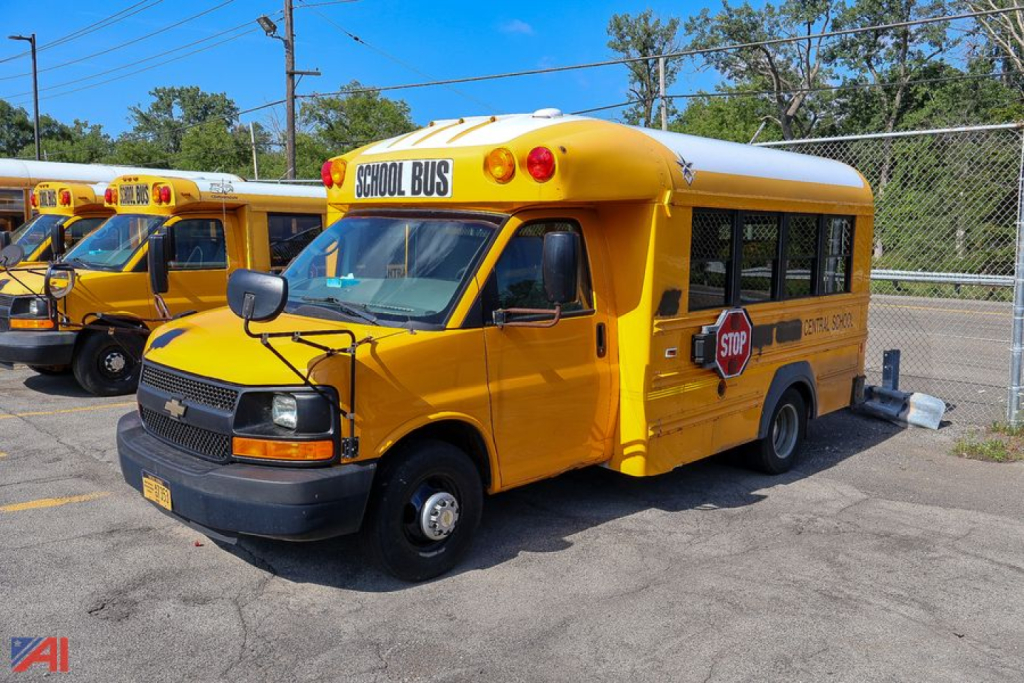
A full-size school bus is usually built on a medium-duty truck chassis and offers higher seating capacity, heavier-duty running gear, and better suitability for regular route work. A mini bus, often built on a cutaway chassis like a Chevrolet Express, is smaller, easier to maneuver, and often a better fit for senior transport, church groups, hotel shuttle work, or lower-volume passenger routes. The tradeoff is usually capacity, cargo flexibility, and sometimes long-term durability under heavy daily use.
Do I need to worry about converting a former school bus for another use?
Yes. Former school buses often require equipment changes before they can be used for private shuttle, church, contractor, or commercial transportation. Stop arms, warning lights, route markings, and certain interior or exterior school-specific equipment may need removal or deactivation depending on the intended use and local regulations. Buyers should also verify title status, registration class, seating compliance, and any state inspection requirements before placing the bus into service.
What specs matter most when comparing used 2014 bus listings?
The most important specs are chassis make, engine and transmission combination, passenger capacity, body style, wheelbase, GVWR, fuel type, lift or ADA equipment, and overall body condition. For practical operation, also compare heater and air conditioning performance, tire size and condition, brake type, axle rating, and service access to replacement parts. Those details determine not just purchase price, but uptime, repair cost, and how well the bus fits the route it is expected to run.