
Used 2011 Bus Trucks For Sale
Shop used 2011 bus trucks for sale, including school, shuttle, and transit bus models with diesel power, passenger capacity, and fleet-ready specs.
Learn more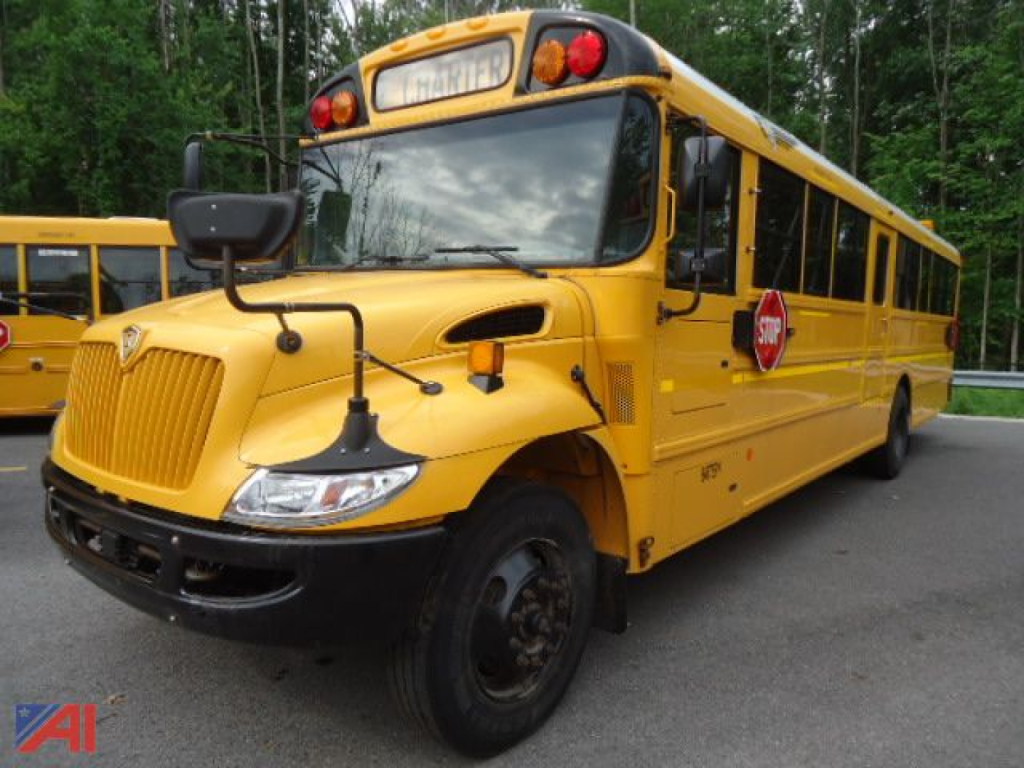
Have used 2011 bus truck to sell? List it here to reach thousands of buyers.
About Used 2011 Bus Trucks
A 2011 bus should be evaluated first by chassis type and duty cycle. Cutaway buses, often built on platforms like the Ford F-450 or F-550, are typically easier to maneuver, simpler to service, and well-suited for paratransit, senior transport, church groups, hotel shuttle use, and shorter urban loops. Full-size school buses and transit buses bring higher passenger capacity, heavier axles, and better durability for repeated stop-and-go use. Low-floor transit models are especially valuable where fast boarding, ADA access, and frequent passenger loading matter. Important specs to compare include GVWR, wheelbase, seating capacity, standing room on transit units, wheelchair lift or ramp setup, luggage or storage needs, and air versus hydraulic brake systems.
Powertrain selection matters on any used 2011 bus truck because this era sits deep in the modern emissions period. Many units will be diesel-powered and may include systems such as EGR, DPF, and in some cases SCR with DEF depending on make and engine. Buyers should pay close attention to idle hours, maintenance records, regen history, cooling system condition, and transmission performance under load. On school and shuttle buses, door operation, warning systems, HVAC performance, wheelchair equipment, and body corrosion are just as important as engine mileage. On transit-style buses, suspension wear, kneeling function, multiplex electrical systems, and entrance door cycles can tell you a lot about remaining service life.
Body condition and prior use often separate a solid 2011 bus from a costly project. Northern fleet units may show rust at step wells, floor supports, crossmembers, and lower body panels, while southern or western buses may be cleaner underneath but still need close inspection for interior wear and sun damage. Buyers converting a bus for private or specialty use should also verify title status, seating layout, roof height, and any removed fleet equipment. A well-maintained 2011 bus can still be a practical value purchase when the chassis, passenger equipment, and emissions components match the intended route and operating budget.
Frequently Asked Questions
What should I look for first when buying a used 2011 bus truck?
Start with the bus type, passenger capacity, and service history. A 2011 cutaway bus fits different work than a full-size school bus or low-floor transit bus. After confirming the layout matches the route, inspect maintenance records, engine hours, transmission behavior, brake type, tire condition, rust, HVAC operation, and any wheelchair lift or ramp equipment. On this model year, emissions system condition is a major part of the buying decision.
Are 2011 bus trucks expensive to maintain because of emissions equipment?
They can be if the emissions system has been neglected. Many 2011 diesel buses use EGR and DPF systems, and some may also use SCR with DEF depending on the engine family. A bus with a documented maintenance history, proper regen operation, and no active fault codes is usually a better long-term bet than a lower-priced unit with unknown emissions issues. Buyers should factor diagnostic time and possible aftertreatment repairs into the total cost of ownership.
What is the difference between a cutaway bus and a full-size bus?
A cutaway bus is built on a truck chassis with a van or cab-front design, often used for shuttle and paratransit work. It is typically easier to drive in tight areas and may have lower repair costs for some chassis components. A full-size bus is designed for higher passenger capacity and heavier route use, making it more suitable for school transportation, municipal service, and repeated stop-and-go operation. The best fit depends on route density, boarding frequency, and passenger load.
Is mileage or engine hours more important on a 2011 bus?
Both matter, but engine hours can be especially important on buses because many spend long periods idling. A unit with moderate mileage but very high hours may show more engine wear than the odometer suggests. Transit and school buses often accumulate substantial idle time for climate control, loading, and safety operations. Reviewing both mileage and hours together gives a more accurate picture of actual use.
Can a used 2011 bus truck still work well for shuttle or private fleet service?
Yes, if the bus has the right configuration and a solid maintenance background. Many 2011 buses remain useful for employee transport, church groups, airport shuttle work, senior transportation, and specialty commercial service. The key is matching the bus to the route, verifying ADA and passenger equipment functionality, and confirming that the engine, transmission, and chassis can support the expected duty cycle without major deferred repairs.