
Used 2002 Bus Trucks For Sale in New York
Browse used 2002 bus trucks for sale in New York. Compare body styles, seating, powertrain, chassis condition, and school bus service specs.
Learn more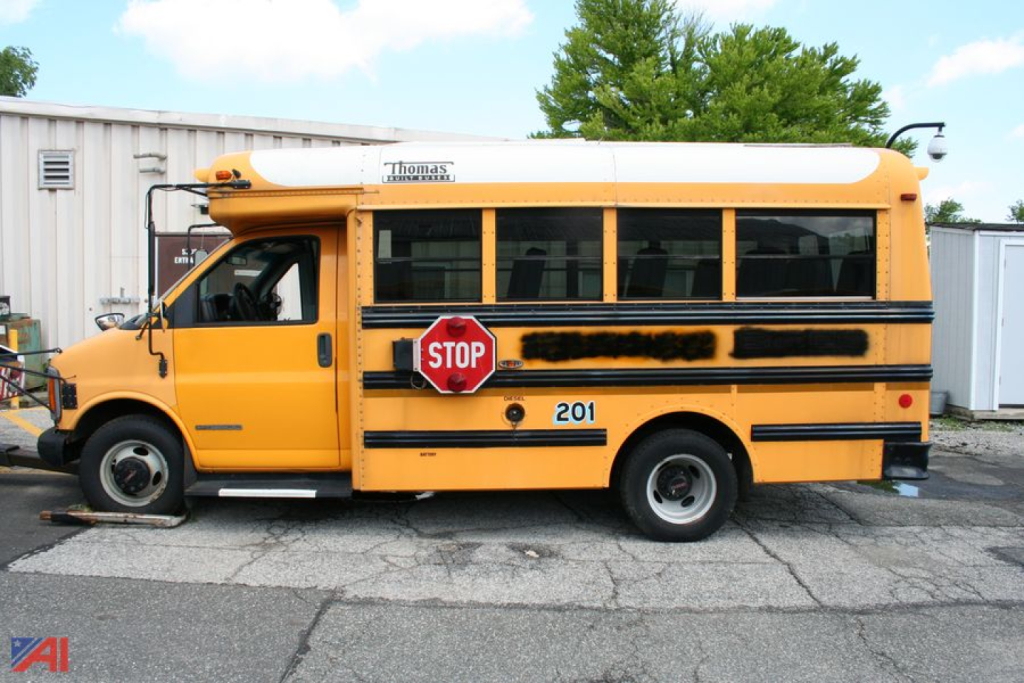
Have used 2002 bus truck to sell? List it here to reach thousands of buyers.
About Used 2002 Bus Trucks in New York
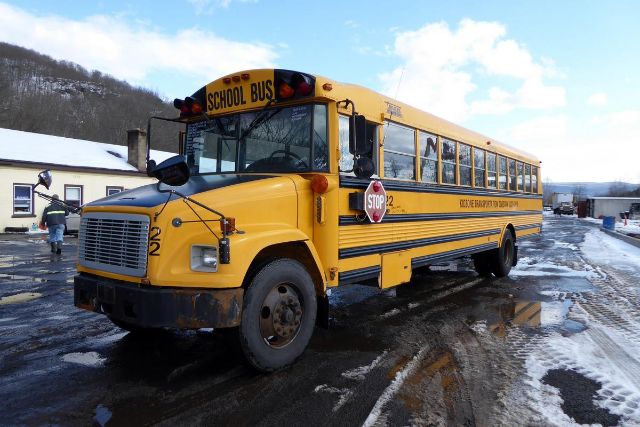
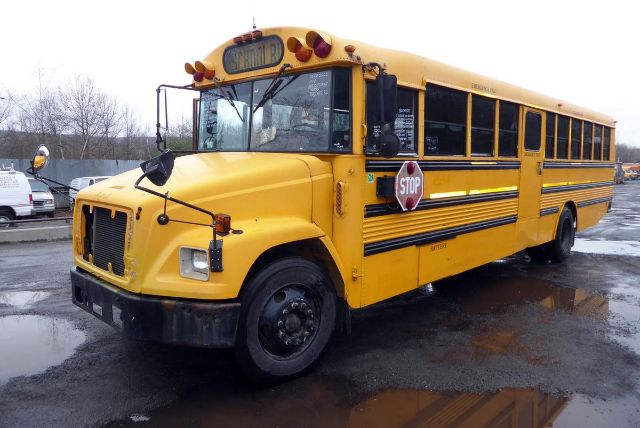
Powertrain matters more than age alone on a 2002 model. Many buses from this period were spec'd with diesel engines paired to Allison automatic transmissions, though gas-powered cutaway buses are also common. Buyers should pay close attention to cold-start behavior, transmission shift quality, brake type, suspension wear, and signs of corrosion on frame rails, step wells, body mounts, and undercarriage components. In New York, road salt can be the deciding factor between a useful low-cost bus and a unit that will need structural work. On full-size school buses, inspect floor integrity, rub rails, emergency exits, heater systems, warning light equipment, and overall body seam condition. On shuttle and van-based buses, check door operation, wheelchair lift function if equipped, and the condition of the rear HVAC system.
Capacity and intended use should drive the purchase. A 2002 bus truck may be used for student transportation, church groups, senior transit, airport shuttle work, mobile office conversions, or specialty commercial service. Seating layout, aisle width, luggage or equipment storage, and headroom can matter as much as engine spec. If the bus will remain in passenger service, buyers should verify title status, local inspection requirements, and any state or municipal rules that apply to retired school buses or repurposed passenger units. If the bus is being converted, a simpler mechanical package and solid body structure usually have more value than cosmetic condition.
A strong used 2002 bus is typically one with documented maintenance, a clean service record, and wear that matches the mileage and application. Look for evidence of regular fleet upkeep such as brake service, cooling system work, tire replacement, and suspension repairs. For older buses, parts support and driveline familiarity are important, especially for operators maintaining their own equipment. A well-kept 2002 bus truck can still serve reliably in seasonal, private-route, or non-CDL applications, but buyers should evaluate it as a working commercial vehicle first and a low entry price second.
Frequently Asked Questions
What should I inspect first on a used 2002 bus truck?
Start with structural condition, drivetrain health, and maintenance records. On a 2002 bus, rust and corrosion often matter more than odometer miles, especially in New York. Inspect frame rails, crossmembers, body mounts, floor pans, step wells, brake lines, suspension components, and the underside of the body. Then evaluate engine start-up, exhaust smoke, fluid leaks, transmission operation, steering play, and brake response. A bus with average cosmetics but a solid chassis and documented fleet maintenance is usually the better buy.
Are 2002 buses usually diesel or gas?
Both are common, but full-size buses from 2002 are more often diesel with an automatic transmission, while smaller cutaway buses may be gas-powered. Diesel buses generally offer better torque and are better suited to higher passenger loads and repeated stop-and-go service. Gas buses can be simpler and less expensive to maintain for lighter-duty use. The best choice depends on route length, passenger count, expected annual mileage, and the buyer's comfort with diesel emissions-era components from that period.
Is a 2002 bus truck still practical for commercial or private use?
It can be, provided the bus has been maintained correctly and matches the application. Older buses are often used for church transport, camp routes, private shuttles, farm labor transport, event service, and conversion projects. Practicality depends on parts availability, structural condition, and whether the unit meets current registration, inspection, and passenger safety requirements in the state where it will operate. Buyers using the bus for active passenger service should confirm seating compliance, emergency equipment, lighting, and any applicable commercial licensing rules.
What is the difference between a full-size bus and a cutaway bus from this era?
A full-size bus typically has a purpose-built bus body on a medium-duty chassis and is designed for higher capacity, heavier suspension loads, and frequent-route service. A cutaway bus uses a van-style front end with a bus body added behind the cab, making it easier to drive in urban or tight-access areas. Full-size buses usually offer greater seating capacity and heavier-duty components. Cutaway buses are often preferred for smaller groups, shuttle service, and lower operating costs.
How important is service history on a used 2002 bus?
Service history is one of the strongest indicators of value on an older bus. Records showing regular oil changes, cooling system service, brake work, tires, front-end repairs, and transmission maintenance help confirm that the bus was kept in an active fleet standard rather than run to failure. On a 2002 model, documented upkeep can justify a higher asking price because it reduces uncertainty around expensive repairs and gives the buyer a clearer picture of how the bus was used.