
Used IC Corporation Bus Trucks For Sale in New York
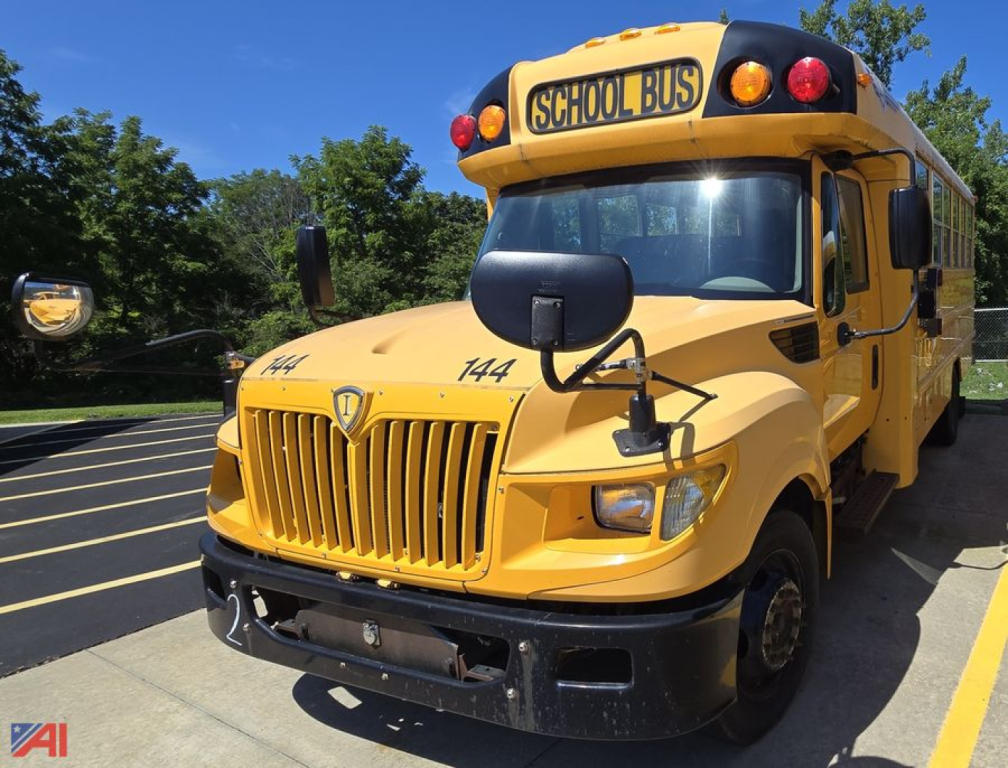
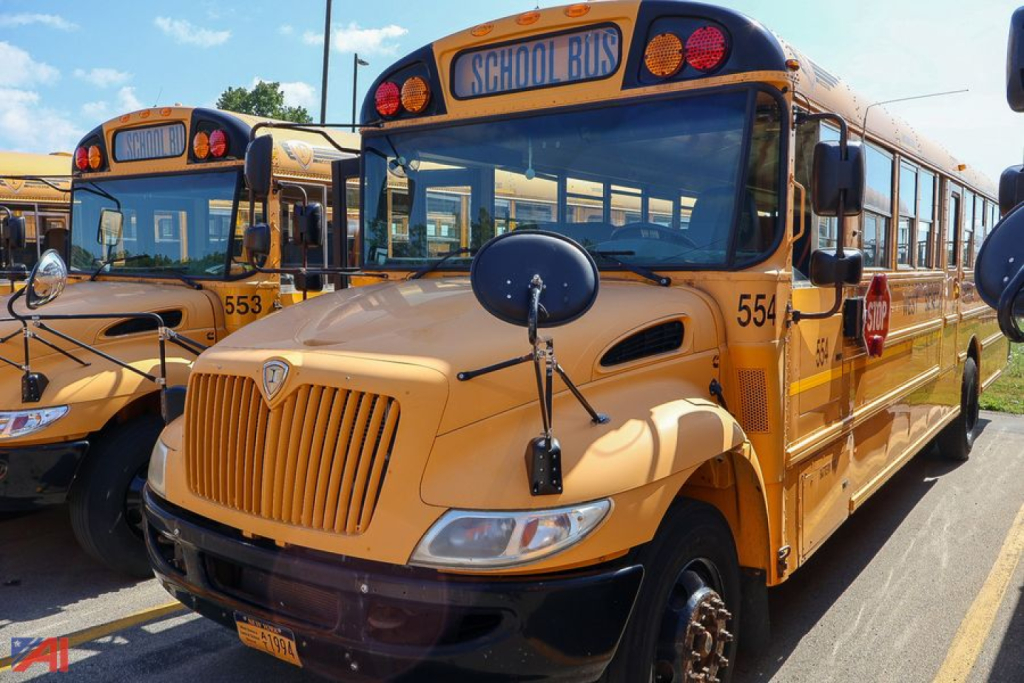
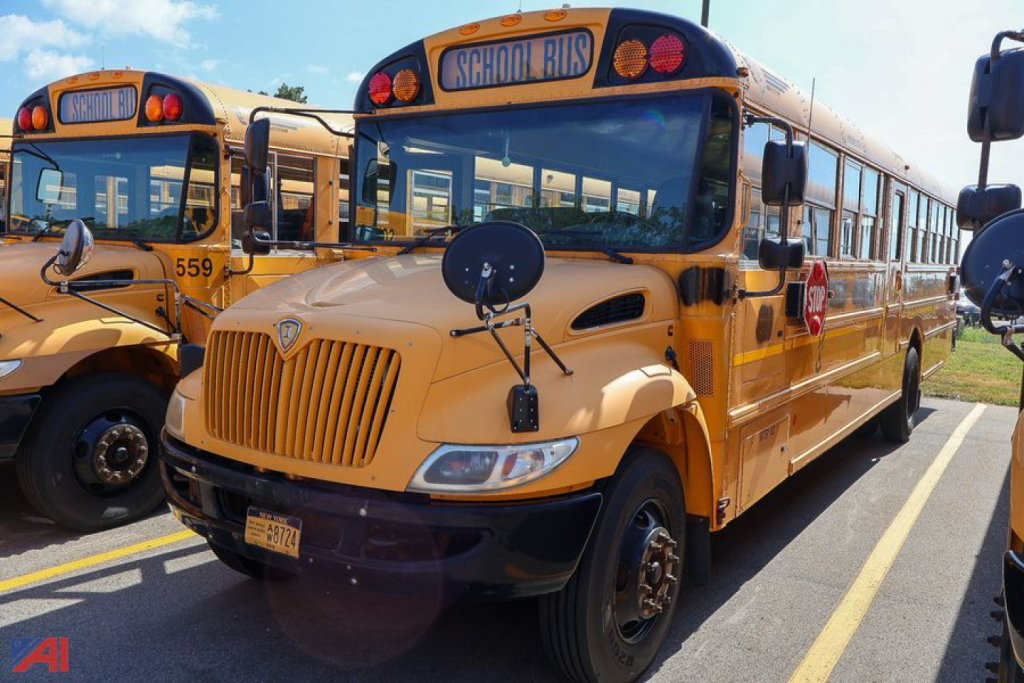
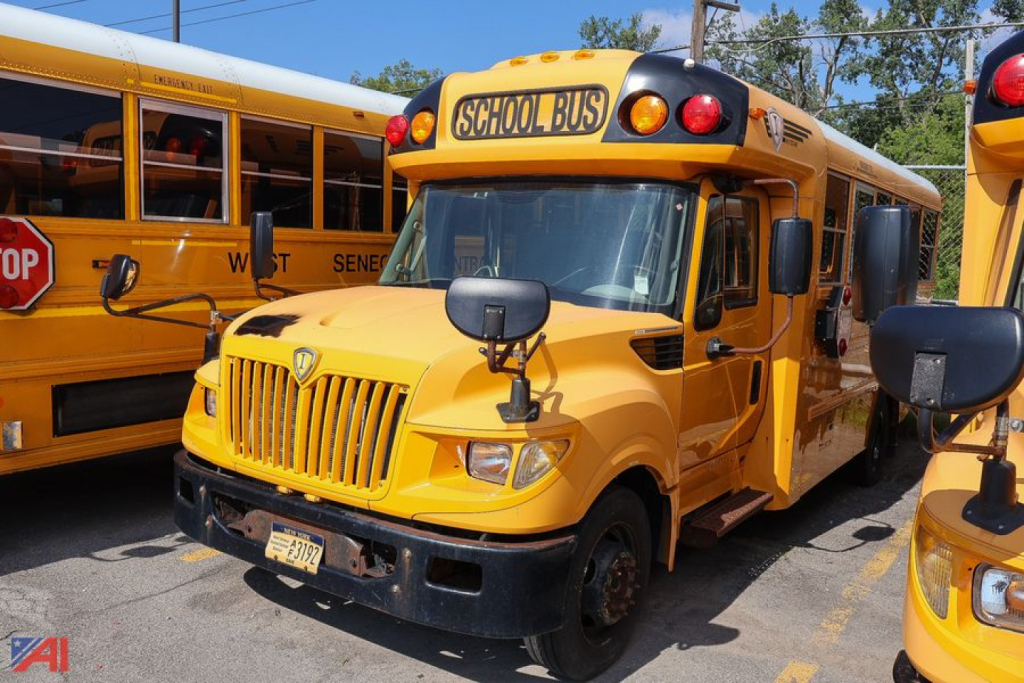
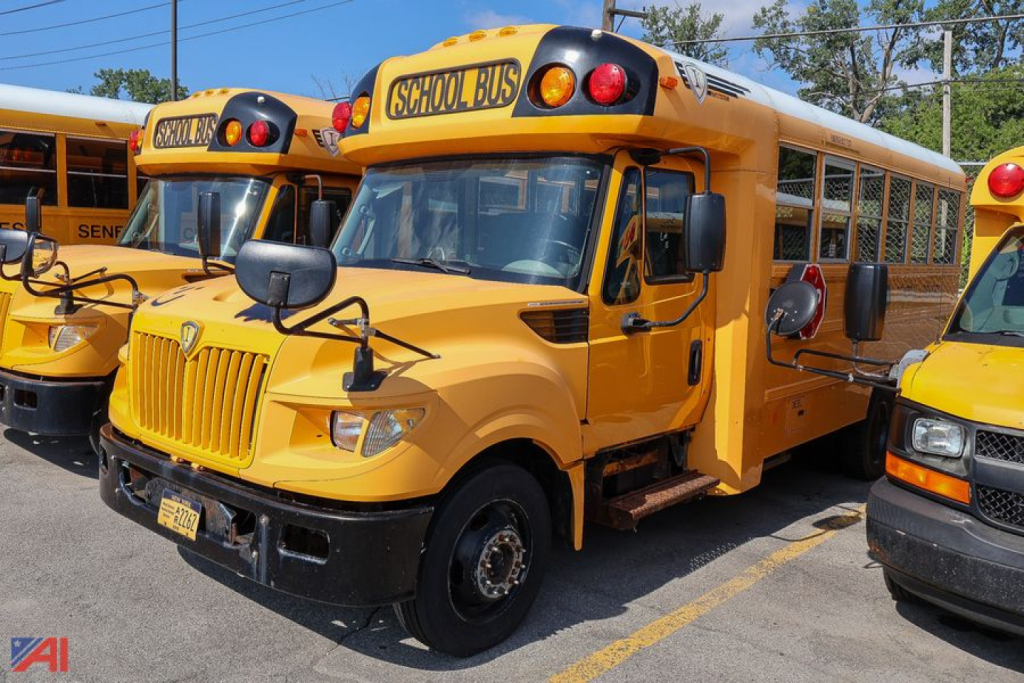
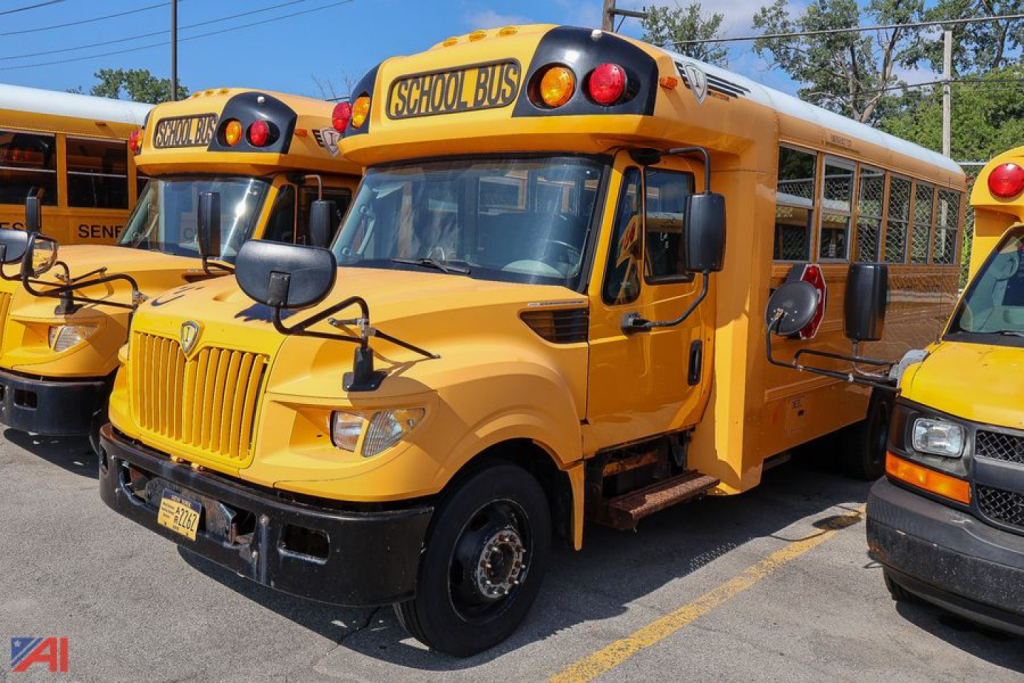
Have used ic corporation bus truck to sell? List it here to reach thousands of buyers.
Used IC Corporation Bus Trucks in New York
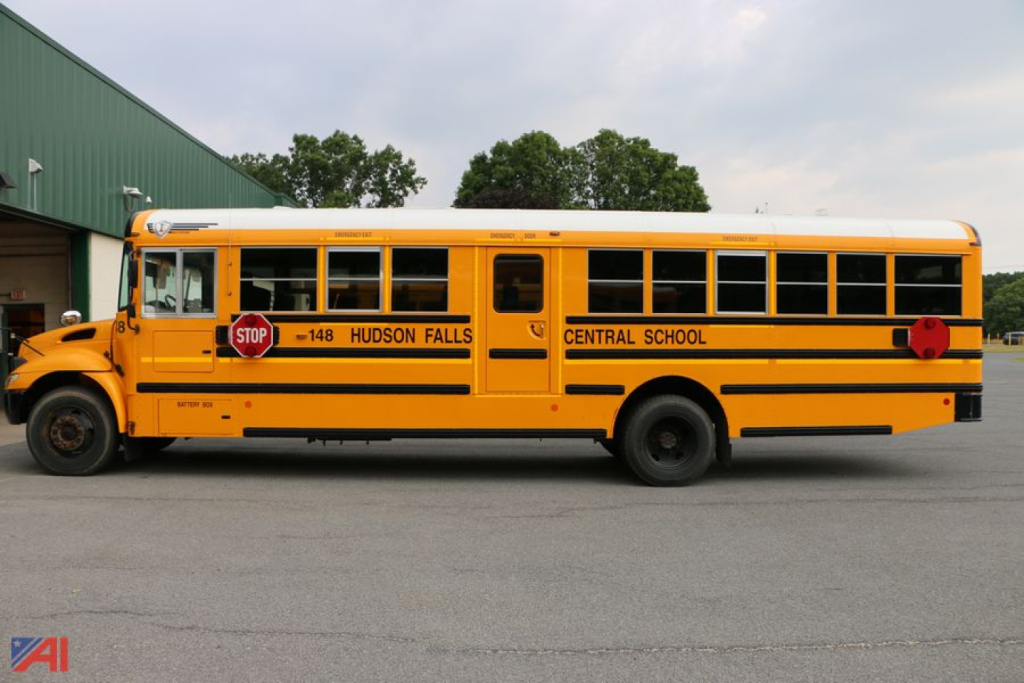
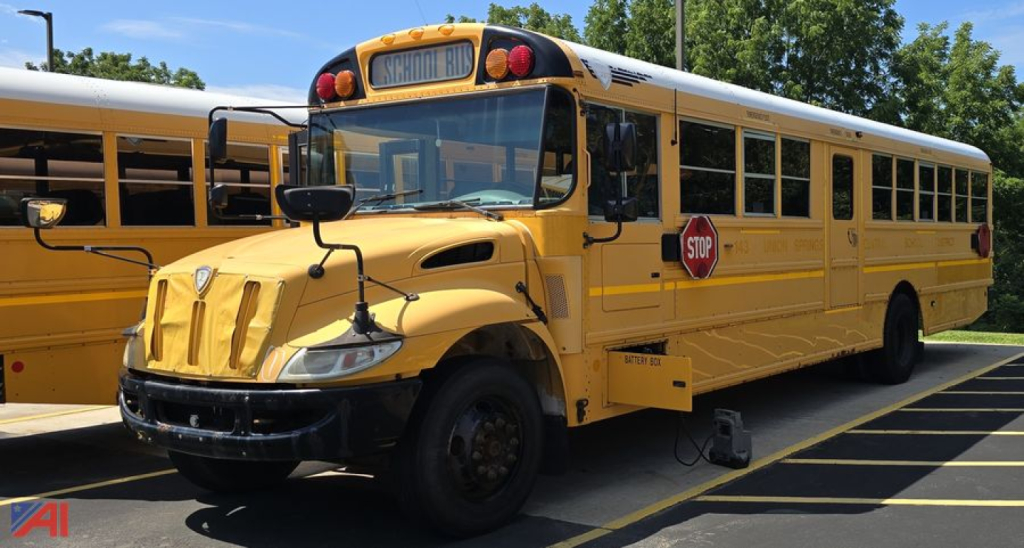
A used IC Corporation bus should be evaluated first by powertrain and body configuration. Many CE Series buses were spec'd with diesel engines from the MaxxForce lineup, while later units may have newer emissions packages and different calibration strategies. Transmission choice is usually an Allison automatic, and that is generally a plus for route work and driver turnover. GVWR, wheelbase, passenger capacity, underbody storage, and roof height all change the bus's practical use. A former school bus may be ideal for pupil transport, sports teams, contractor crew movement, or conversion work, but buyers should confirm seat count, wheelchair lift equipment, emergency exits, crossing arm operation, and local compliance requirements before purchase.
Body and chassis condition often tell the real story on a used bus. Check frame rails, stepwell condition, floor integrity, rub rails, wheel housings, and rear structure for rust or past repairs. In northern states, corrosion around the entrance door, battery box, body mounts, and brake and fuel system components deserves close attention. Suspension wear, steering play, brake condition, tire date codes, and heater and defroster output are also important because these buses spend much of their lives in stop-and-go service. If the bus still carries school bus equipment such as warning lights, stop arm, and route signage, buyers should verify what must be removed or deactivated for non-school use.
The strongest used IC bus value usually comes from matching the bus to the job instead of buying strictly by year. A lower-mile, well-maintained older CE Series unit with documented service history can outperform a newer bus with heavy idle hours, deferred emissions repairs, or significant body corrosion. Maintenance records, engine hours, fleet retirement reason, and evidence of regular brake, cooling system, and suspension work are often better predictors than odometer reading alone. For many buyers, the appeal of a used IC Corporation bus is simple: conventional layout, widespread technician familiarity, and a large installed base that keeps replacement parts and service knowledge relatively accessible.
Frequently Asked Questions about Used IC Corporation Bus Trucks in New York
What is the most common used IC Corporation bus model on the market?
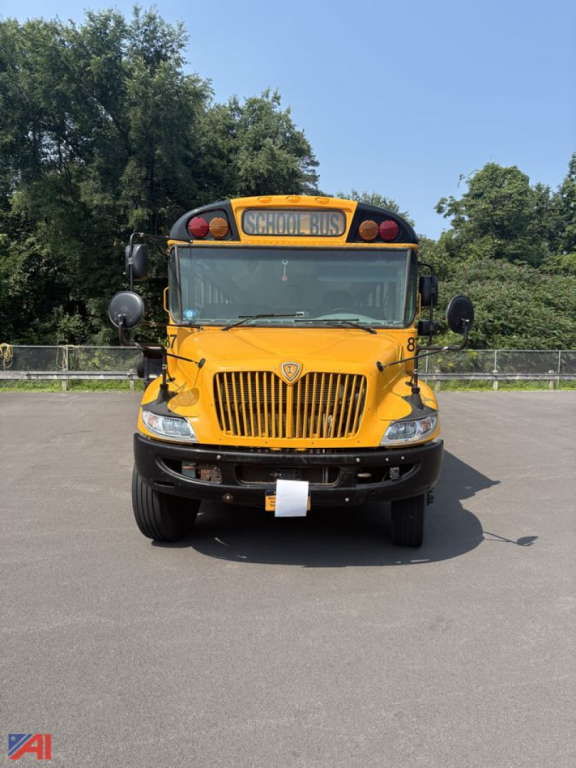
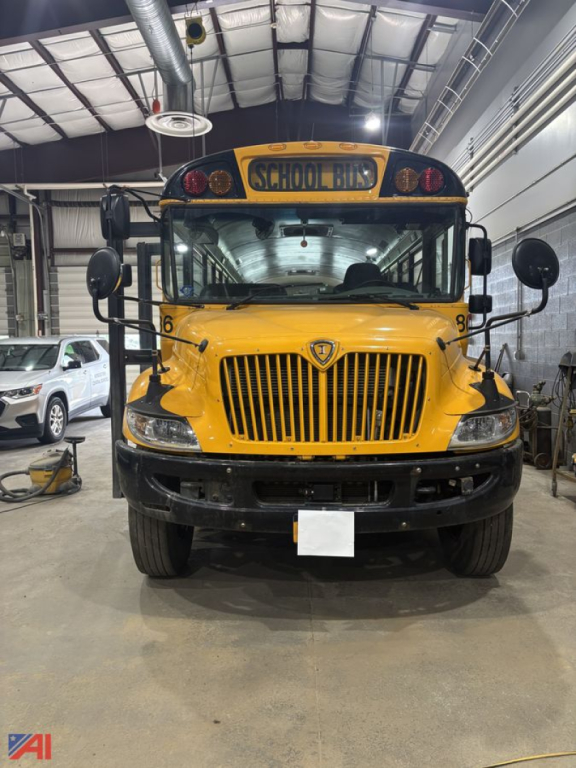
The IC CE Series is the most common used IC Corporation bus most buyers will find. It is a conventional Type C school bus with a hood-forward chassis layout, and it was widely used by school districts and contractors. That popularity helps with parts sourcing, technician familiarity, and resale demand, especially compared with lower-volume bus platforms.
What should I check first on a used IC Corporation school bus?
Start with the powertrain, maintenance history, and corrosion level. Engine model, emissions system condition, transmission operation, brake wear, steering play, and suspension condition should be reviewed before cosmetic items. On buses from northern climates like New York, rust around the frame, stepwell, floor, wheel housings, and body mounts can be more important than mileage because structural repairs can quickly change the true cost of ownership.
Are used IC Corporation buses good for non-school applications?
Yes, many used IC Corporation buses are repurposed for churches, employee shuttles, sports teams, mobile offices, and private transport. The CE Series in particular adapts well because the conventional chassis is straightforward to service and modify. Buyers should still confirm state and local rules regarding school bus color, warning lights, stop arms, seating layout, and CDL or passenger endorsement requirements before putting a former school bus into another type of service.
Do used IC buses usually have automatic transmissions?
Most used IC Corporation buses in this class are equipped with Allison automatic transmissions. That is a practical advantage for route work, frequent stops, and mixed driver experience levels. Buyers should still verify shift quality, fluid condition, service records, and any transmission fault history because route-duty buses can accumulate a high number of starts, stops, and heat cycles even when mileage appears moderate.
Is mileage the best way to judge a used bus?
Mileage matters, but it should not be the only metric. A bus with moderate miles can still have high engine hours from idling, extended route stops, or seasonal use patterns. Service records, idle hours, rust condition, brake and suspension history, cooling system maintenance, and emissions repairs usually give a more accurate picture of remaining life than odometer reading alone.