
Freightliner Bus Trucks For Sale in Vermont
Have freightliner bus truck to sell? List it here to reach thousands of buyers.
Freightliner Bus Trucks in Vermont
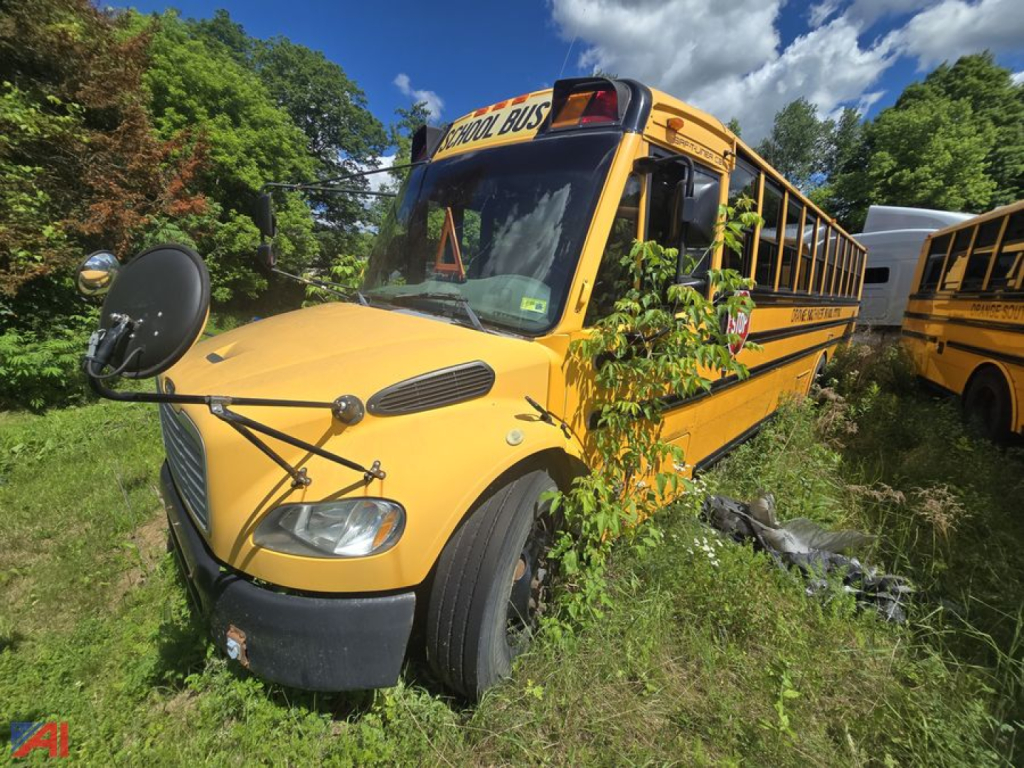
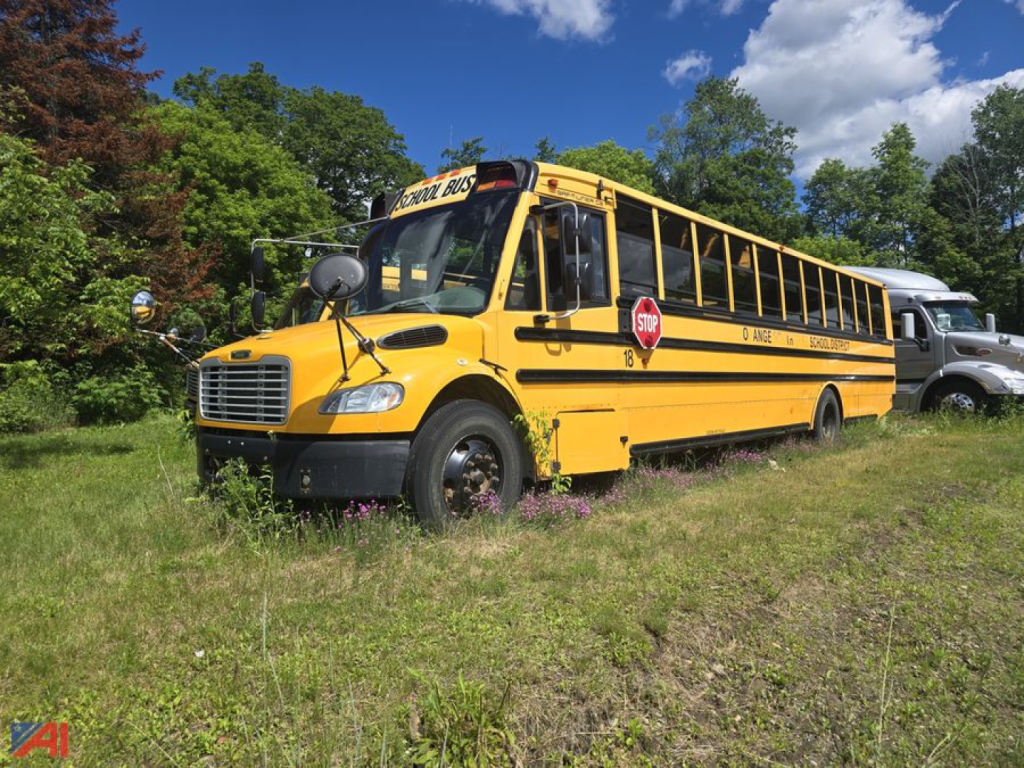
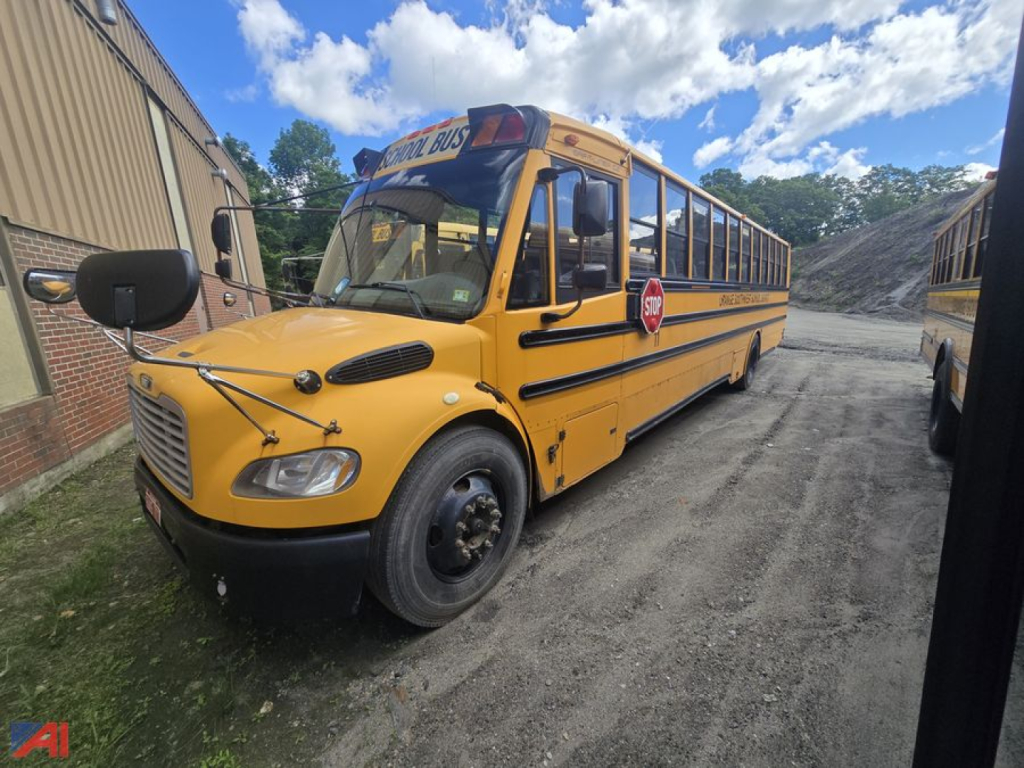
A buyer should look closely at seating capacity, wheelbase, engine and transmission pairing, brake configuration, and door layout before comparing price alone. On used Freightliner buses, common decision points include diesel engine emissions generation, automatic transmission model, hydraulic versus air brakes, underbody storage, and overall body condition. Rust matters in Vermont, especially around step wells, body mounts, floor structure, wheel housings, and luggage compartments if equipped. Service records are equally important because idle time, route density, and winter exposure can affect suspension wear, steering components, heaters, and electrical systems.
Freightliner bus trucks are often used as full-size school buses, but they also attract buyers planning church bus, employee shuttle, mobile office, RV, and skoolie conversions. In those cases, roof height, window configuration, rear axle ratio, GVWR, and available interior length become just as important as mileage. Buyers comparing passenger units should also confirm lift equipment if ADA access is required, plus HVAC performance for cold-weather operation. On school bus units, check warning light systems, stop arm equipment, crossing gates, and local compliance needs if the vehicle will remain in pupil transportation service.
The strongest value in this category usually comes from matching the bus to the route and maintenance plan. A shorter conventional bus may fit tighter town roads and lower annual mileage service, while a larger capacity unit can make sense for established route work or institutional transport. Freightliner buses hold appeal because they combine a recognized commercial chassis with body options that are widely understood across the used bus market. Buyers who focus on frame condition, corrosion, drivetrain service history, and body integrity tend to make better long-term decisions than buyers who shop by model year alone.
Frequently Asked Questions about Freightliner Bus Trucks in Vermont
What should I inspect first on a used Freightliner bus in Vermont?
Start with corrosion, frame condition, and underbody structure. Vermont winters and road treatment can accelerate rust on floor supports, step wells, body mounts, brake lines, and suspension hardware. After that, review engine hours, mileage, transmission operation, steering play, heater function, and service records. A clean body means less if the chassis has structural rust or deferred maintenance.
Are Freightliner B2 buses a common choice for school transportation?
Yes. The Freightliner B2 is a widely recognized conventional school bus chassis used by many districts and contractors. Buyers often like it because of familiar truck-based serviceability, broad parts availability, and straightforward access to major drivetrain components. That makes it a practical option for fleets that want dependable support and technicians who already work on medium-duty truck platforms.
Can a Freightliner school bus be converted for shuttle or RV use?
Many Freightliner school buses are purchased for conversion into shuttle buses, mobile businesses, and skoolies. The main factors are interior length, roof height, window layout, gross vehicle weight rating, and the condition of the electrical and HVAC systems. Before converting, confirm state registration requirements, seat removal plans, and whether the drivetrain and axle ratio fit the intended highway or off-grid use.
What drivetrain features matter most on a used Freightliner bus?
Engine emissions generation, automatic transmission model, brake type, and rear axle ratio are major factors. Buyers should understand whether the bus uses later emissions equipment that may require more diagnostic attention, and whether the transmission is well matched to stop-and-go route work or higher-speed road use. Brake system type also affects maintenance planning, especially for fleets that already stock parts and train technicians around either hydraulic or air brake systems.
How important is seating capacity when comparing Freightliner buses?
Seating capacity matters, but it should be evaluated alongside wheelbase, body length, axle ratings, and route conditions. A higher-capacity bus can improve efficiency on established runs, but it may be less practical on narrow roads, tight school lots, or low-volume routes. Buyers usually get better long-term value by matching passenger capacity to daily operating needs instead of simply choosing the largest available bus.