
2005 Freightliner Bus Trucks For Sale
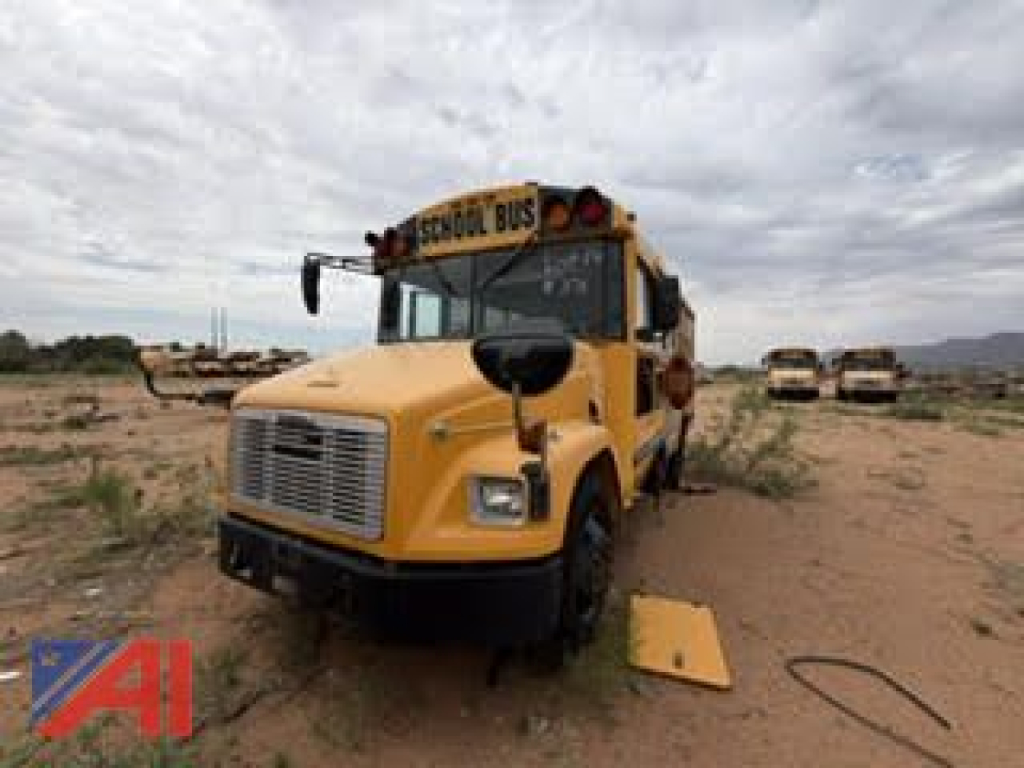
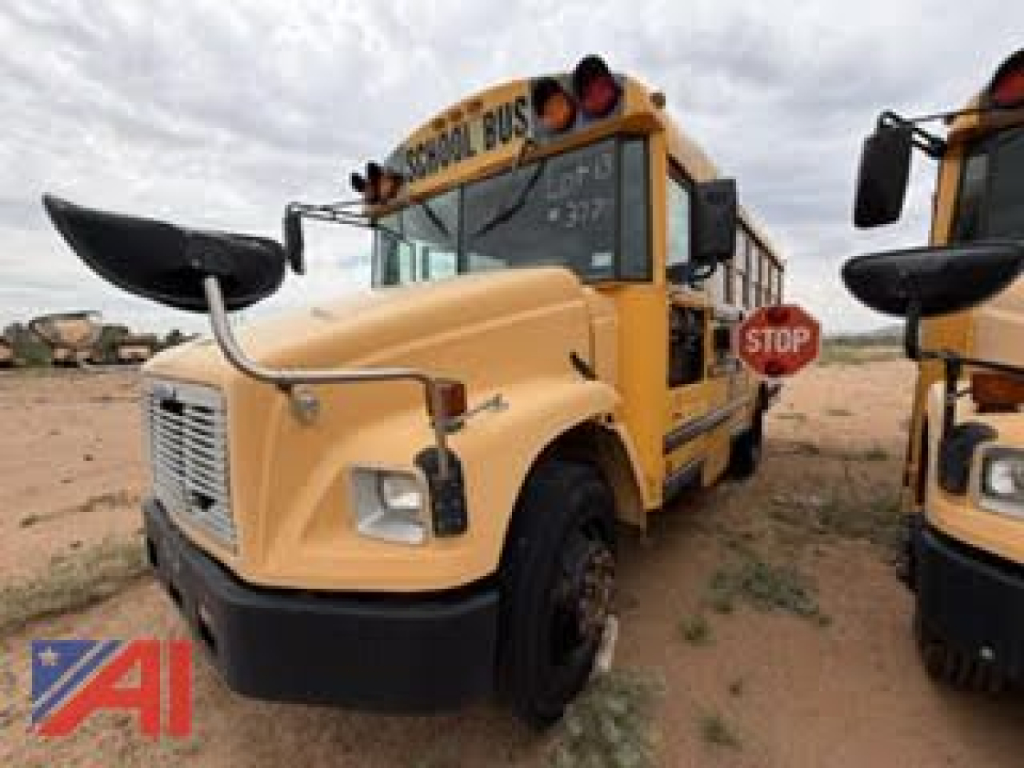
Shop 2005 Freightliner bus trucks for sale, including school bus models like the FS65, with specs, seating, GVWR, drivetrain, and buyer tips.
Learn more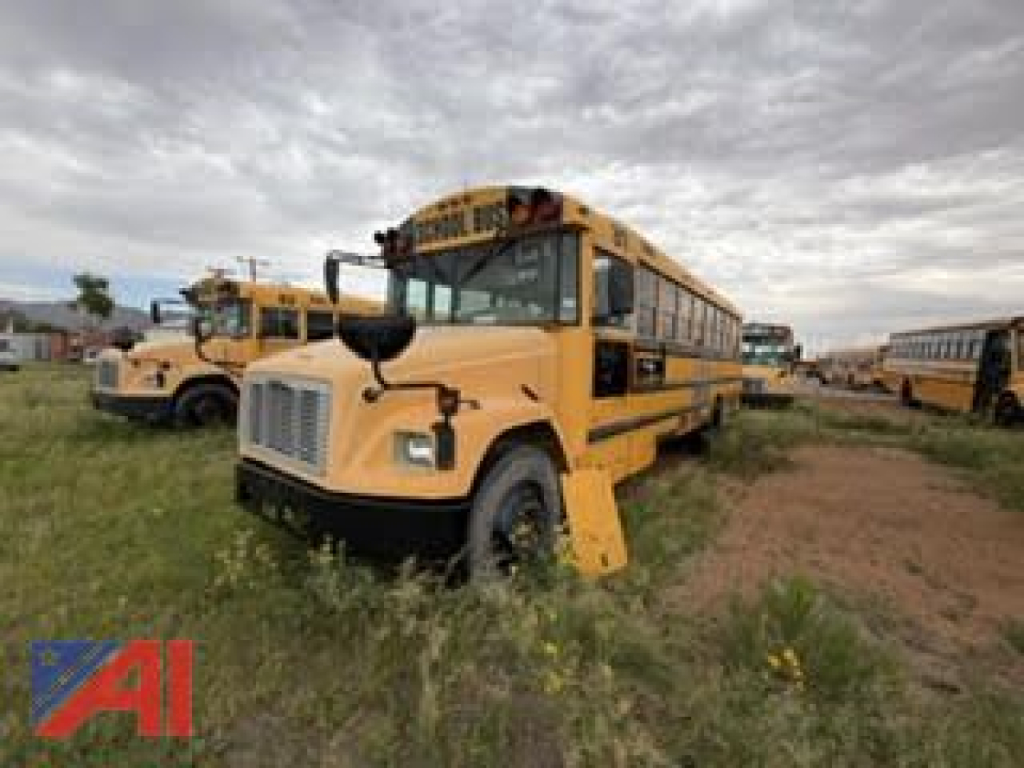
Have 2005 freightliner bus truck to sell? List it here to reach thousands of buyers.
About 2005 Freightliner Bus Trucks
On a 2005 Freightliner bus, the first decision is usually powertrain. Many units from this period were spec'd with the Cummins 5.9L or related medium-duty diesel engines paired to an Allison automatic transmission. That combination is popular because it is well understood in the market and generally easier to service than more complex later systems. GVWR commonly falls around the 26,000 to 30,000 pound range depending on body length and seating configuration, with spring suspension, hydraulic brakes or air brakes depending on spec, and 11R22.5 tires frequently seen on full-size units. Buyers should confirm seating count, wheelbase, brake type, rear axle ratio, and whether the bus was ordered for route service, activity transport, or a lighter shuttle application.
Body condition matters as much as drivetrain condition on a 2005 bus truck. Check floor integrity, stepwell rust, body mounts, rub rails, door function, window hardware, heater performance, and evidence of roof or side panel repairs. On former school buses, electrical condition is especially important because warning light systems, stop arms, crossing gates, and interlock circuits can add complexity if the unit is being repurposed. If the bus is intended for private shuttle, church, contractor crew transport, or conversion use, buyers often look closely at seat layout, interior height, luggage or equipment room, and how difficult it will be to remove or modify school bus equipment to meet local rules.
Freightliner bus trucks from this era appeal to buyers who want a full-size passenger platform without stepping into the higher acquisition cost of newer C2 Saf-T-Liner models. The FS65 has a strong reputation as a practical conventional bus chassis, but age makes maintenance history critical. Service records, engine hours, cooling system work, transmission service, brake replacement, and tire date codes all tell more than mileage alone. A careful buyer should also verify state inspection status, title history, and emissions requirements in the area where the bus will operate, especially if the unit will remain in pupil transport or commercial passenger service.
Frequently Asked Questions
What engine and transmission are common in a 2005 Freightliner bus?
A 2005 Freightliner bus is commonly equipped with a Cummins medium-duty diesel, often the 5.9L ISB, paired with an Allison automatic transmission. This combination is popular because parts availability is generally strong and many diesel shops are familiar with it. Exact horsepower, transmission series, and rear axle ratio vary by original school district or fleet specification, so those details should be confirmed on the unit data plate or service records.
Is a 2005 Freightliner FS65 a good choice for school, shuttle, or conversion use?
The FS65 can be a solid choice when the bus has been maintained properly and the intended use matches the chassis and body condition. For school or church transport, buyers usually focus on safety systems, seating capacity, brake type, and inspection status. For shuttle or conversion use, the key issues are rust, floor condition, interior dimensions, and the amount of work required to remove or reconfigure school bus equipment. The platform itself is well known, but age-related condition is the deciding factor.
What should I inspect first on a used 2005 Freightliner bus truck?
Start with structural and mechanical fundamentals. Inspect frame condition, body rust, floor and stepwell corrosion, brake system type and wear, tire age, suspension, steering play, and cooling system service history. Then check passenger-related components such as entry door operation, emergency exits, heaters, windows, and electrical systems. On older buses, deferred maintenance and corrosion usually create more cost than normal engine wear, so condition under and around the body deserves close attention.
Do 2005 Freightliner buses usually have air brakes or hydraulic brakes?
Both are found in the market. Smaller or lighter-spec buses may have hydraulic brakes, while heavier full-size units can be equipped with air brakes depending on GVWR and fleet preference. Buyers should verify the brake system before purchase because it affects maintenance, licensing requirements in some cases, and overall operating preference. Brake type is also important when comparing buses intended for passenger service versus private property or limited-use applications.
What is the typical size and capacity of a 2005 Freightliner school bus?
A full-size 2005 Freightliner school bus often falls in the 30,000-pound GVWR class and may seat roughly 60 to 78 passengers depending on seat spacing and body length. Tire size such as 11R22.5, a long wheelbase, and overall length in the mid-30-foot range are common on larger units. Exact dimensions and capacity depend on the body builder and the original fleet spec, so buyers should confirm the seating chart, wheelbase, and body length rather than relying only on model name.