
Used 2017 Ford Bus Trucks For Sale
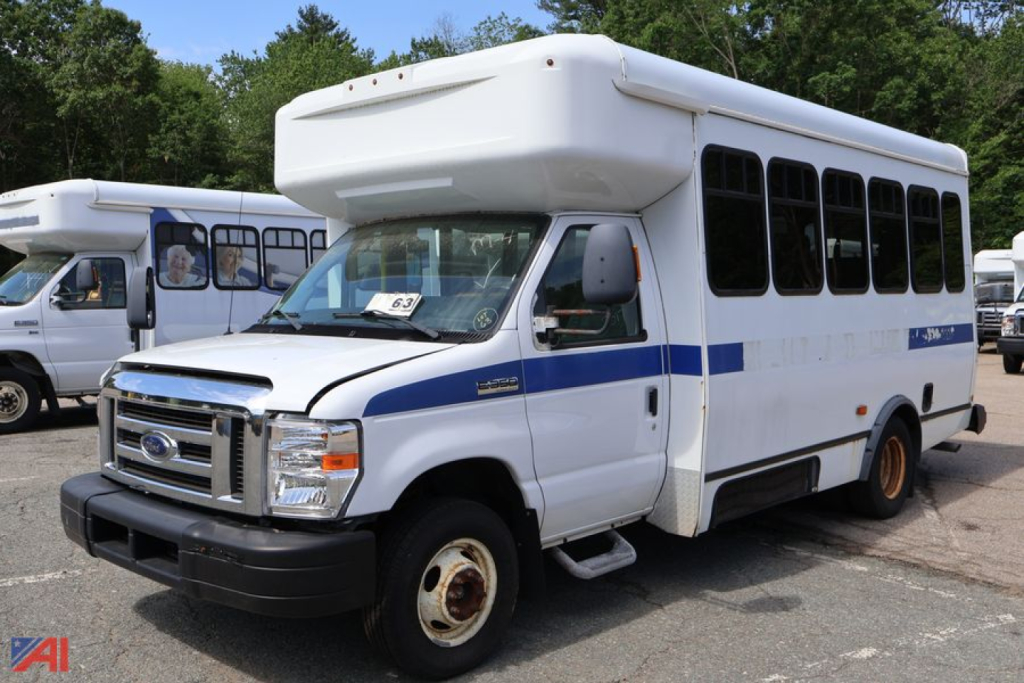
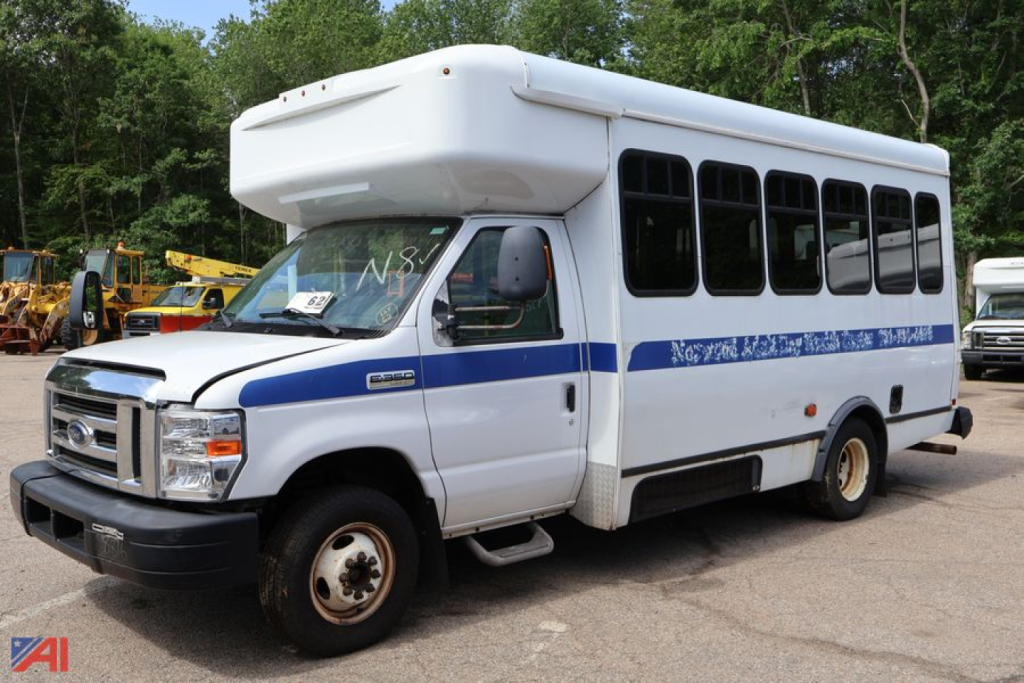
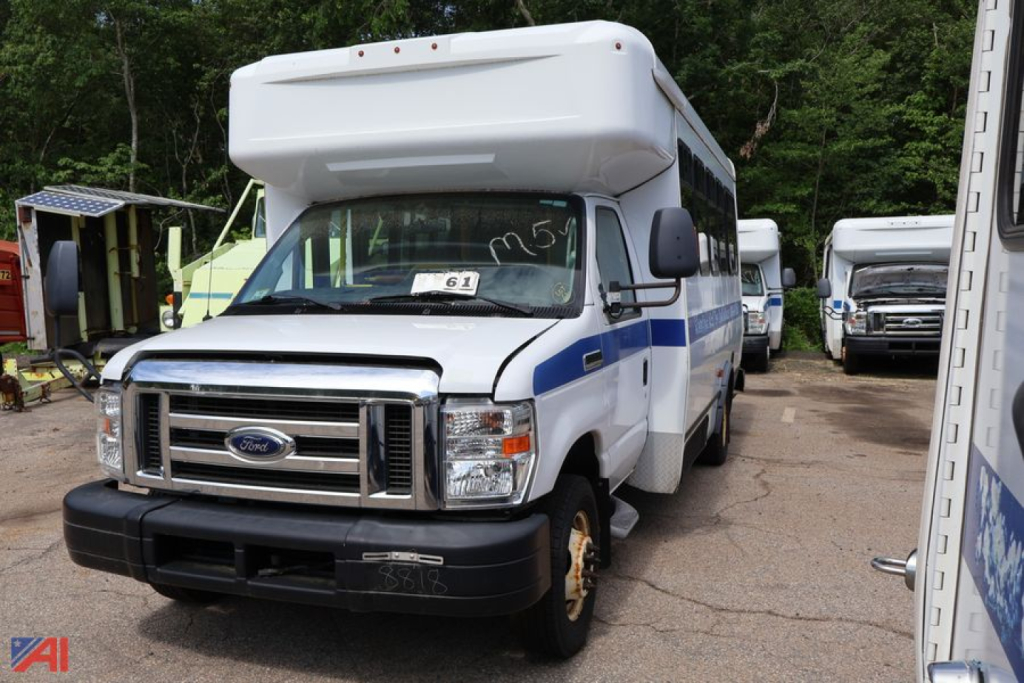
Browse used 2017 Ford bus trucks, including E-350 and E-450 shuttle and wheelchair buses with commercial-duty passenger capacity.
Learn more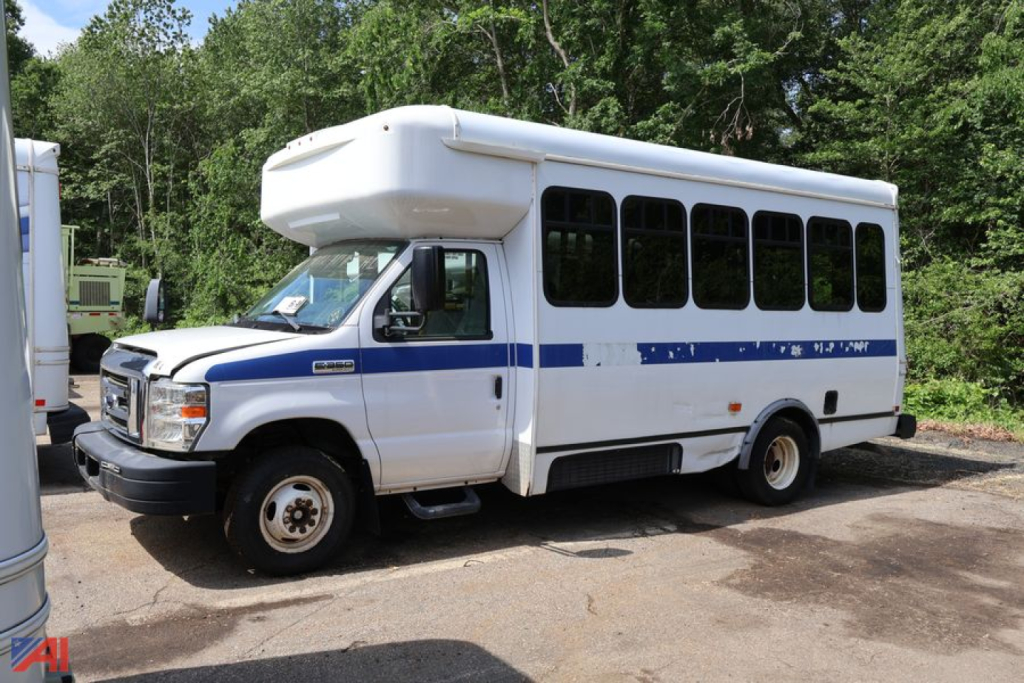
Have used 2017 ford bus truck to sell? List it here to reach thousands of buyers.
About Used 2017 Ford Bus Trucks
A 2017 Ford bus built on the E-Series platform typically offers familiar serviceability, strong parts support, and straightforward commercial running gear. Buyers should compare gross vehicle weight rating, passenger count, rear axle rating, and body length before anything else. E-350 units are often used for lighter passenger loads and shorter bodies, while E-450 buses are more common when higher seating capacity, wheelchair positions, or heavier stop-and-go service is expected. Common features in this class include dual rear wheels, gasoline V8 or V10 power depending on chassis spec, automatic transmission, front and rear HVAC, electric passenger doors, wheelchair lifts, Q'Straint or similar mobility securement systems, and backup alarms or camera systems.
Condition matters more on a used bus than headline mileage alone. A 2017 Ford bus may have spent its life on short municipal routes, hotel loops, medical transport, or school-related shuttle work, and each application creates different wear patterns. Check lift cycle function, floor integrity around wheelchair stations, seat track condition, A/C output from both front and rear systems, door actuator performance, suspension wear, and corrosion around body seams or undercarriage. Service records are especially important on shuttle and wheelchair buses because idle hours, repeated loading cycles, and accessory use can affect long-term reliability as much as engine miles.
For buyers comparing listings, the best value usually comes from matching the bus to the job instead of chasing maximum seating. Tight urban routes and senior transport often benefit from a shorter wheelbase and easier maneuverability, while airport or hotel service may favor higher passenger capacity and better luggage room. If ADA service is required, confirm lift rating, door opening dimensions, tie-down layout, and the number of seated passengers the bus can legally carry when wheelchair positions are occupied. A well-spec'd 2017 Ford bus truck can still be a dependable commercial people mover when the chassis rating, body configuration, and maintenance history line up with the route.
Frequently Asked Questions
What is the difference between a Ford E-350 bus and a Ford E-450 bus?
The main difference is chassis capacity. A Ford E-350 bus is typically used for lighter passenger loads, shorter bodies, and lower overall GVWR, while a Ford E-450 bus is generally chosen for heavier shuttle bodies, more passengers, more wheelchair positions, or tougher stop-and-go commercial duty. Buyers should verify GVWR, axle ratings, seating layout, and body length because the right choice depends on passenger count and route demands, not just model name.
Are 2017 Ford bus trucks good for wheelchair and ADA transport?
Many 2017 Ford buses are well suited for ADA and wheelchair transport because they are commonly equipped with commercial wheelchair lifts, wide entry doors, lowered floor sections, and securement systems such as Q'Straint. The important step is confirming the exact setup on the individual bus. Lift capacity, tie-down positions, aisle clearance, and legal seated capacity can all change when wheelchair stations are occupied, so buyers should review the interior layout carefully before purchase.
What should I inspect first on a used 2017 Ford shuttle bus?
Start with the items that are expensive or route-critical: wheelchair lift operation, rear A/C performance, passenger door function, floor condition, suspension wear, and rust around the body and frame. After that, review engine and transmission service history, tire age, brake condition, and any signs of heavy idle use. On shuttle buses, accessories and body systems often create more downtime than the powertrain, so a full operational check is just as important as a road test.
How many passengers does a 2017 Ford bus usually carry?
Passenger capacity varies widely based on body builder, wheelbase, and whether the bus was configured for standard shuttle seating or ADA service. Some units may be set up for around a dozen passengers plus wheelchair positions, while larger cutaway buses can carry significantly more seated riders. The posted capacity should always be checked against the actual seating layout and any wheelchair positions, since those positions can reduce total seated capacity in real operating use.
Is mileage the most important factor when buying a used Ford bus?
Mileage is important, but it is not the only number that matters on a shuttle or wheelchair bus. These vehicles often accumulate wear through idle time, repeated door cycles, lift use, HVAC operation, and constant stop-and-go routes. A bus with moderate miles and strong maintenance records can be a better buy than one with lower miles but poor body condition or neglected auxiliary systems. For this category, service history and equipment function are often better indicators of value than odometer reading alone.