
Used 2016 Ford Bus Trucks For Sale in Vermont
Browse used 2016 Ford bus trucks in Vermont. Compare Ford F-550 and similar shuttle bus platforms by capacity, chassis, service history, and setup.
Learn moreNo exact matches found for your search
Showing 2016 Used Ford Bus Trucks instead.
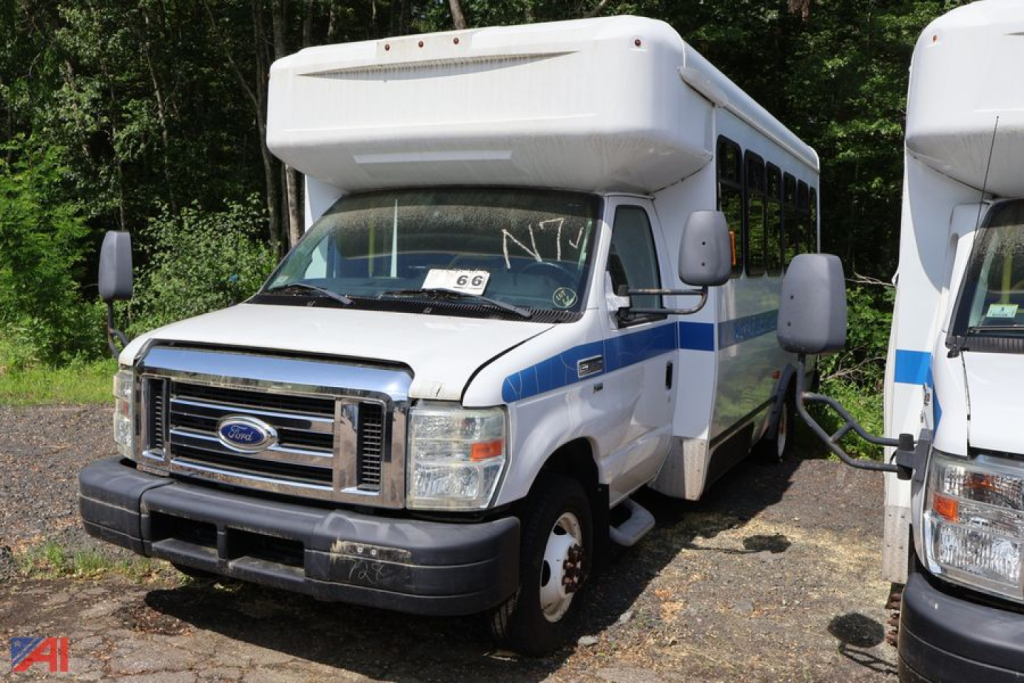
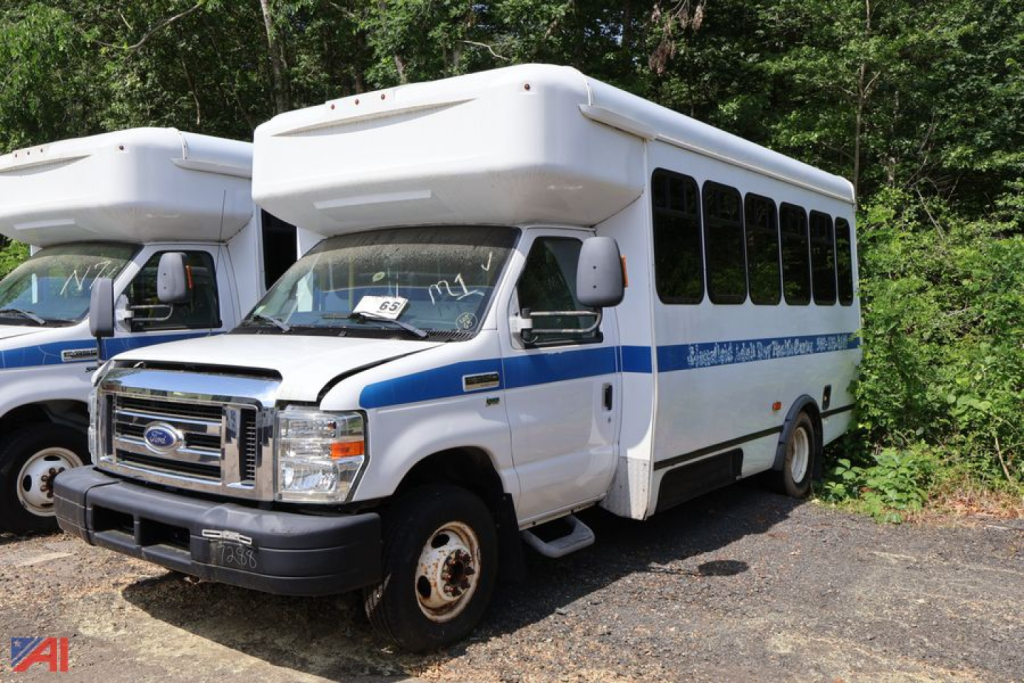
Have used 2016 ford bus truck to sell? List it here to reach thousands of buyers.
About Used 2016 Ford Bus Trucks in Vermont
The most important buying decisions are passenger capacity, door configuration, accessibility equipment, and powertrain condition. Many 2016 Ford bus trucks in this class use the 6.7L Power Stroke diesel, though gas configurations can also appear depending on the original application. Buyers should confirm seating count, wheelchair lift or ramp operation, tie-down layout, and whether the bus was built for ADA service. In Vermont, cold-weather performance is a practical consideration, so it is worth checking block heater function, heater output front to rear, defroster performance, battery condition, and evidence of corrosion on the chassis, brake lines, body mounts, and electrical connections. A bus that spent years on municipal or nonprofit routes may have consistent maintenance records, but frequent stop-and-go service can still mean higher wear on brakes, suspension, and entry components.
Body construction and route profile should be matched carefully. A lighter-duty shuttle used for local senior transport has different wear patterns than a bus used for airport, hotel, or high-cycle public transit service. Look closely at roof seams, sidewall condition, floor integrity, stepwell wear, and the condition of passenger seats, restraints, and driver controls. On Ford bus platforms, front axle loading, rear suspension condition, and tire wear can reveal how the unit was operated. If the bus has a wheelchair lift, cycle it under load if possible and inspect handrails, interlocks, and door seals. Electrical accessories such as destination signs, interior lighting, auxiliary HVAC, and camera systems should also be tested, since these can be expensive to sort out after purchase.
A 2016 Ford bus truck remains a practical choice for operators who need commercial-duty running gear with a manageable size for rural roads, medical transport, employee shuttle work, or community routes. Vermont buyers often prioritize maneuverability, winter traction, and serviceability over maximum seating capacity, which makes Ford-based shuttle buses a strong fit for regional use. The best unit is usually the one with the clearest maintenance history, the most appropriate seating and accessibility setup, and the least deferred body and electrical work.
Frequently Asked Questions
What should I inspect first on a used 2016 Ford bus truck?
Start with the chassis and service history. Confirm engine hours if available, transmission operation, brake condition, steering play, suspension wear, and any signs of frame or underbody corrosion. On the bus body, inspect the stepwell, floor, roof seams, entry door, HVAC, and all passenger-related equipment. If the unit has a wheelchair lift, test its operation fully and verify that the interlocks and restraint systems work correctly.
Are 2016 Ford F-550 bus models suitable for shuttle and paratransit use?
Yes. The Ford F-550 Super Duty chassis is commonly used for shuttle bus and paratransit bodies because it offers a commercial-duty frame, good service access, and enough GVWR for small to mid-size passenger applications. Suitability depends on the actual body builder, seating layout, lift configuration, and axle loading, so buyers should match the bus to the intended route and passenger volume rather than relying on chassis model alone.
What engine is common in a 2016 Ford bus truck?
A common engine in this class is the 6.7L Power Stroke diesel, especially on F-550-based buses, although some Ford bus platforms were built with gasoline engines depending on the original order. Buyers should verify the exact engine, emissions equipment condition, maintenance records, and how the bus was operated. Frequent idle time and short-route stop-and-go use can affect diesel emissions components and overall wear.
Why does Vermont usage matter when buying a used bus?
Vermont operating conditions can accelerate corrosion due to road salt, freeze-thaw cycles, and winter moisture exposure. That makes underbody inspection especially important. Check frame rails, crossmembers, brake and fuel lines, wiring, body mounts, lift hardware, and door thresholds for rust or corrosion. Cold-weather features such as heaters, defrosters, and battery performance also matter more in northern service than they might in milder regions.
How many passengers does a 2016 Ford shuttle bus usually carry?
Passenger capacity varies by body length, seating layout, wheelchair positions, and ADA equipment. In this class, many Ford shuttle buses carry anywhere from roughly a dozen passengers to more than 20 in standard seating configurations, with capacity reduced when wheelchair positions are added. The posted seating count should always be confirmed against the body tag, actual installed seats, and any accessibility setup.