
2018 Ford Bus Trucks For Sale in New York
Have 2018 ford bus truck to sell? List it here to reach thousands of buyers.
2018 Ford Bus Trucks in New York
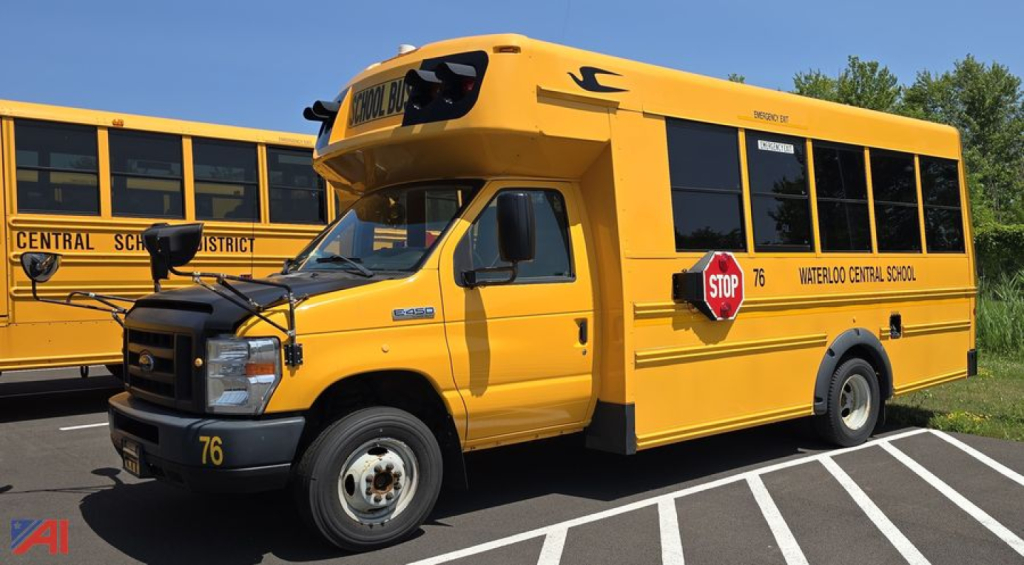
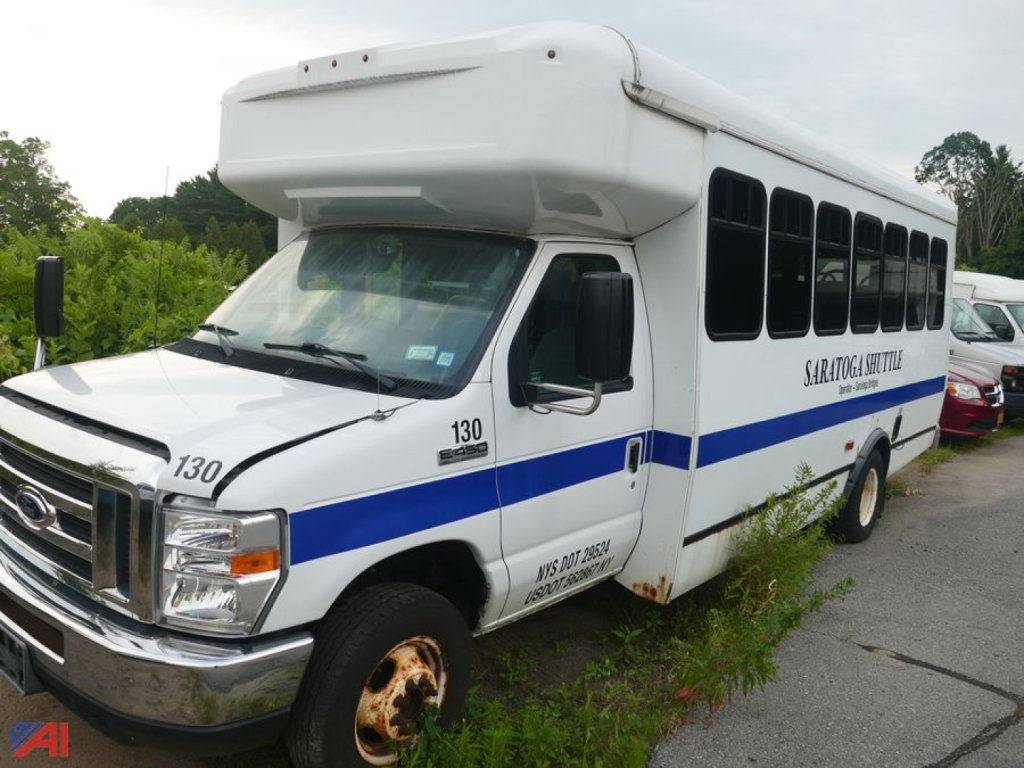
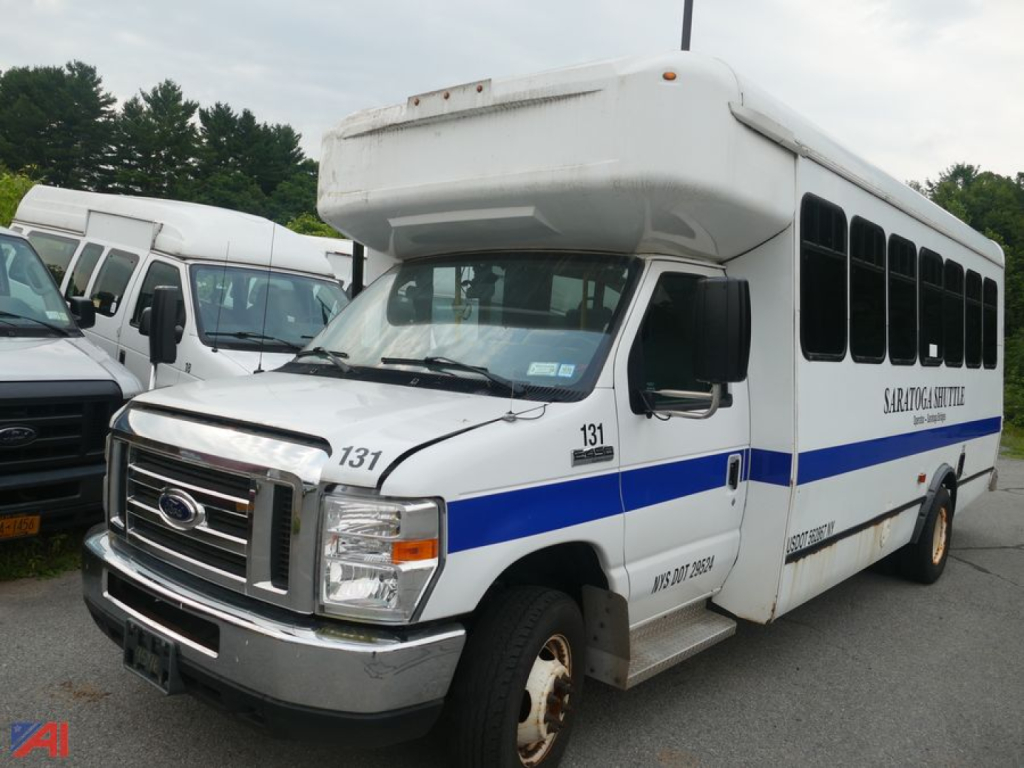
The first buying decision is usually passenger configuration. Many 2018 Ford bus trucks in this category are set up as mini buses or shuttle buses with seating capacities that vary widely depending on wheelchair positions, rear luggage space, and ADA equipment. Wheelchair lift buses deserve a closer look at lift brand, platform size, cycle count if available, and the condition of tie-down tracks, retractors, and interlock systems. Buyers in New York often prioritize accessibility compliance, step height, handrail placement, and HVAC performance because these units may spend long periods idling during passenger loading in cold or humid weather.
Powertrain and chassis specs are important because these buses work under heavier stop-and-go duty than a standard van. A 2018 Ford E-450 bus commonly carries the 6.8L Triton V10 paired with an automatic transmission, giving buyers a well-known gas platform with strong familiarity across municipal, nonprofit, church, airport, and private shuttle fleets. Check GVWR, rear axle rating, brake condition, suspension wear, and tire date codes, especially on buses with lift equipment or high passenger counts. Body condition also matters. Inspect roof seams, side wall attachment points, door hardware, entrance steps, and underbody corrosion, particularly for Northeast service history where road salt can affect flooring supports, brake lines, and lower body structure.
Application should drive the final choice. A simple shuttle bus for employee or hotel routes may only need clean seating, dual A/C, and adequate luggage room, while a paratransit or medical transport bus should be evaluated for lift reliability, securement layout, aisle clearance, and visibility for the driver. Some buyers also refer to this category as a Ford mini bus, shuttle bus, church bus, or wheelchair bus. Across those applications, the strongest listings are usually the ones with clear maintenance records, working passenger climate systems, functional electrical accessories, and an interior that shows manageable wear rather than repeated heavy-route abuse.
Frequently Asked Questions about 2018 Ford Bus Trucks in New York
What chassis is most common on a 2018 Ford bus truck?
The most common chassis in this category is the Ford E-450 Super Duty cutaway. It is widely used for shuttle buses, mini buses, and wheelchair-accessible buses because it offers a strong GVWR, proven service network, and compatibility with many commercial bus body manufacturers.
Are 2018 Ford buses good for wheelchair and ADA transport?
Yes, many 2018 Ford buses were built specifically for ADA and paratransit service. Buyers should confirm the wheelchair lift is operating correctly, inspect the securement stations and interlock system, and verify that flooring, tie-down tracks, and door clearances are still in solid condition. Accessibility equipment can be expensive to repair, so function and service history matter.
What engine is typically found in a 2018 Ford E-450 bus?
Many 2018 Ford E-450 buses use the 6.8L Triton V10 gasoline engine with an automatic transmission. This engine is common in commercial shuttle applications and is known for straightforward parts availability and broad technician familiarity, which can simplify maintenance for mixed or regional fleets.
What should I inspect first on a used 2018 Ford mini bus in New York?
Start with underbody corrosion, brake and suspension condition, wheelchair lift operation if equipped, and the performance of both front and rear HVAC systems. In New York service, road salt and frequent stop-and-go use can accelerate wear on structural supports, lines, steps, and door components. A clean body can still hide costly undercarriage issues, so a thorough chassis inspection is important.
How many passengers does a 2018 Ford shuttle bus usually carry?
Passenger capacity varies by body length, interior layout, and ADA configuration. Some units are arranged for standard shuttle seating, while others trade seats for wheelchair positions and additional aisle space. Always compare the actual seating count, wheelchair station count, and luggage or rear cargo area instead of relying only on the model name.