
2018 Ford Bus Trucks For Sale
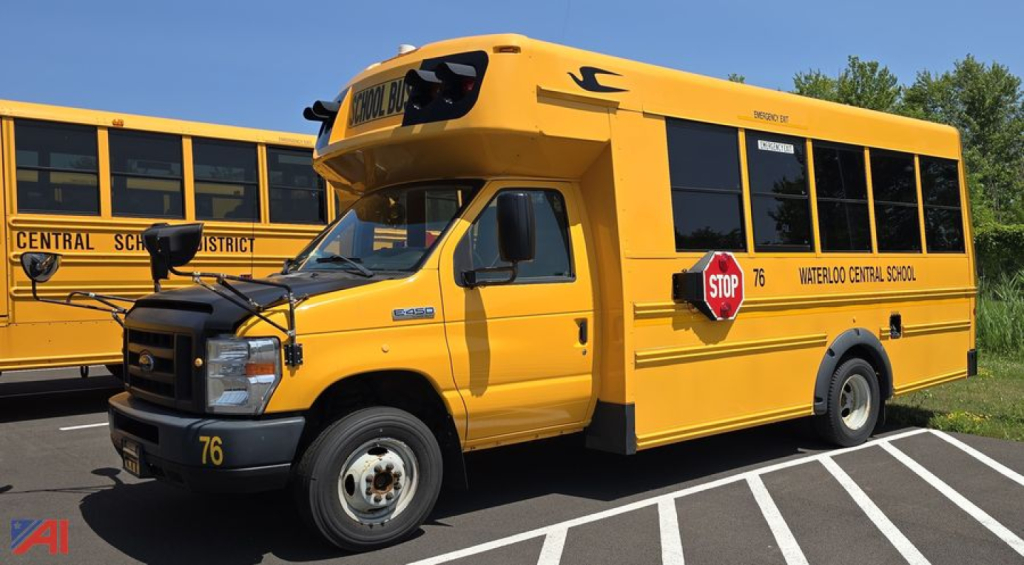
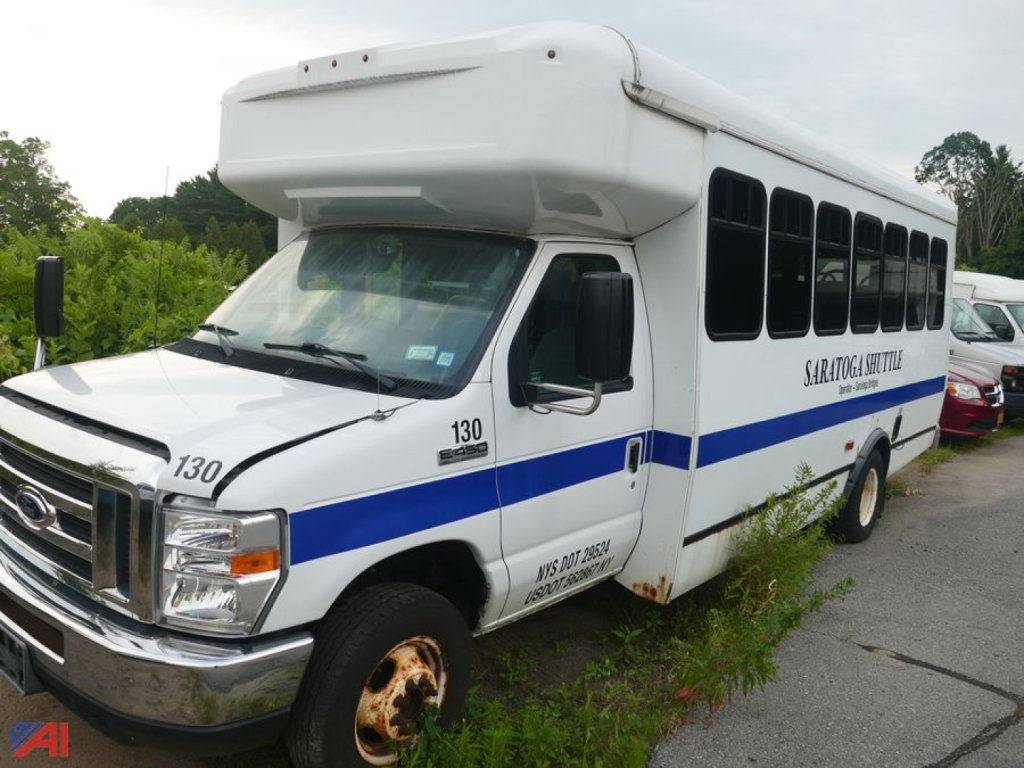
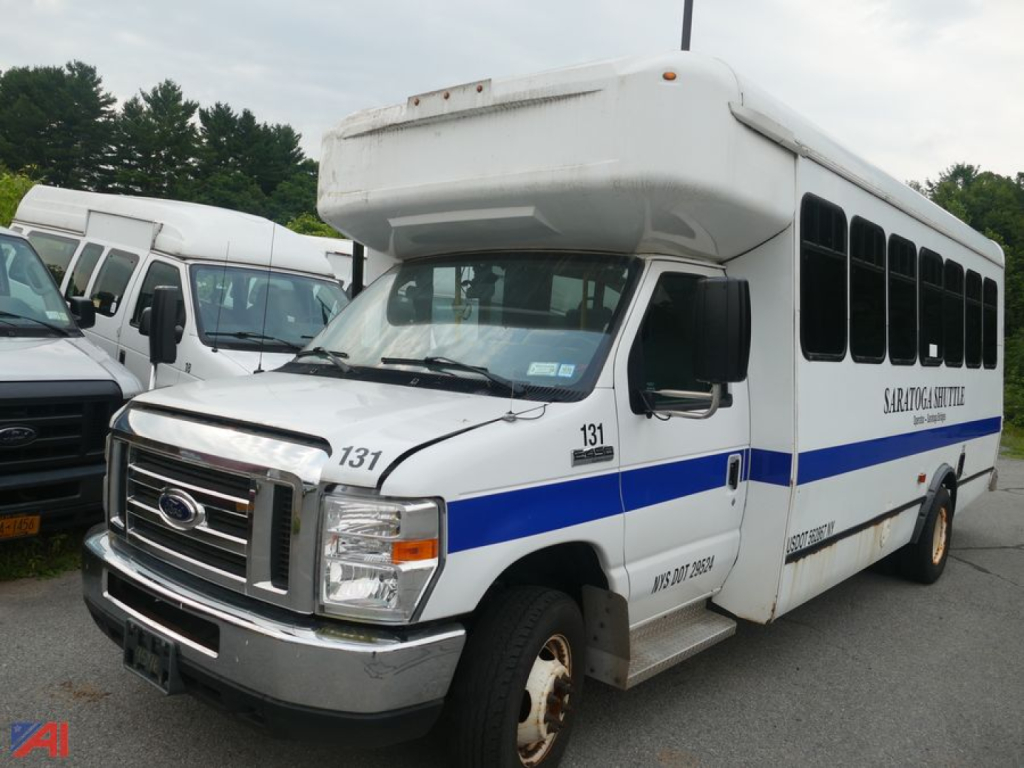
Have 2018 ford bus truck to sell? List it here to reach thousands of buyers.
2018 Ford Bus Trucks
The first decision is body configuration. A 2018 Ford bus may be set up for seated passenger service, mixed seating and mobility device positions, or paratransit use with a power wheelchair lift and Q'Straint-style tie-downs. Common layouts range from around 12 to 25 passengers depending on body builder, floorplan, and whether wheelchair positions are included. Check door width, interior aisle space, roof height, and lift cycle condition if accessibility is part of the route. On a bus truck in this size range, HVAC performance is a major buying point. Rear auxiliary air conditioning, dual heat systems, and heavy-duty alternators are common on buses expected to idle, load frequently, or operate in hot climates.
Powertrain and duty cycle should be matched closely. Many 2018 Ford bus trucks use the 6.8L Triton V10 with an automatic transmission, a combination known across shuttle and commercial bus fleets for broad service familiarity and straightforward parts support. The E-450 platform is often favored for its higher GVWR and stronger suspension package compared with lighter cutaway chassis. Buyers should verify rear axle ratio, brake condition, tire date codes, and whether the body builder added suspension upgrades for passenger comfort and stability. If the bus was used in transit, medical, airport, hotel, or church service, inspect idle hours, entry door operation, wheelchair lift maintenance records, and the condition of seats, flooring, and sidewall panels. Rust around step wells, lower body skirts, and underbody support structure deserves close attention on any used bus.
A 2018 Ford bus truck can fit operators who need commercial passenger equipment without moving into a full-size rear-engine bus. It is also commonly referred to as a shuttle bus, cutaway bus, church bus, or wheelchair bus depending on the build. For many buyers, the sweet spot is a non-CDL configuration that preserves maneuverability and lowers driver hiring friction while still carrying meaningful passenger volume. The best unit for the job usually comes down to route length, stop frequency, ADA needs, storage requirements, and local inspection rules for passenger vehicles.
Frequently Asked Questions about 2018 Ford Bus Trucks
What chassis is most common on a 2018 Ford bus truck?
The most common chassis is the Ford E-450 Super Duty cutaway. It is widely used under shuttle buses and wheelchair buses because it supports higher GVWR, commercial suspension needs, and bus body conversions better than lighter platforms. Buyers often favor it for parts availability, service familiarity, and its ability to handle passenger loads plus lift equipment.
How many passengers does a 2018 Ford bus typically seat?
Passenger capacity depends on the body builder and interior layout, but many 2018 Ford bus trucks fall in the roughly 12 to 25 passenger range. ADA configurations usually reduce fixed seating because space is reserved for wheelchair positions and securement systems. Seating count should always be verified against the actual floorplan, GVWR, and any local regulatory requirements.
Is a 2018 Ford bus truck good for wheelchair and paratransit service?
Yes, many are specifically built for ADA and paratransit work. Common features include a power wheelchair lift, mobility device tie-downs, wider entry access, handrails, and flexible seating layouts. Buyers should inspect lift function, interlock systems, tie-down hardware, and maintenance records because these components see heavy use and directly affect uptime and compliance.
What engine is commonly found in a 2018 Ford bus truck?
A common engine in this category is the Ford 6.8L Triton V10 paired with an automatic transmission. That powertrain is well known in shuttle and fleet service for dependable operation and broad mechanic familiarity. When evaluating one, look beyond the engine itself and review cooling system condition, transmission service history, exhaust system condition, and evidence of prolonged idle-heavy use.
What should buyers inspect first on a used 2018 Ford bus?
Start with the items that affect passenger service and operating cost: body rust, step well structure, wheelchair lift operation, entry door function, HVAC performance, brake condition, and tire age. Then confirm maintenance records, idle or operating hours if available, and the condition of seats, flooring, and interior panels. On bus trucks, body condition and accessibility equipment can change the true cost of ownership just as much as mileage.