
2014 Blue Bird Bus Trucks For Sale
Have 2014 blue bird bus truck to sell? List it here to reach thousands of buyers.
2014 Blue Bird Bus Trucks
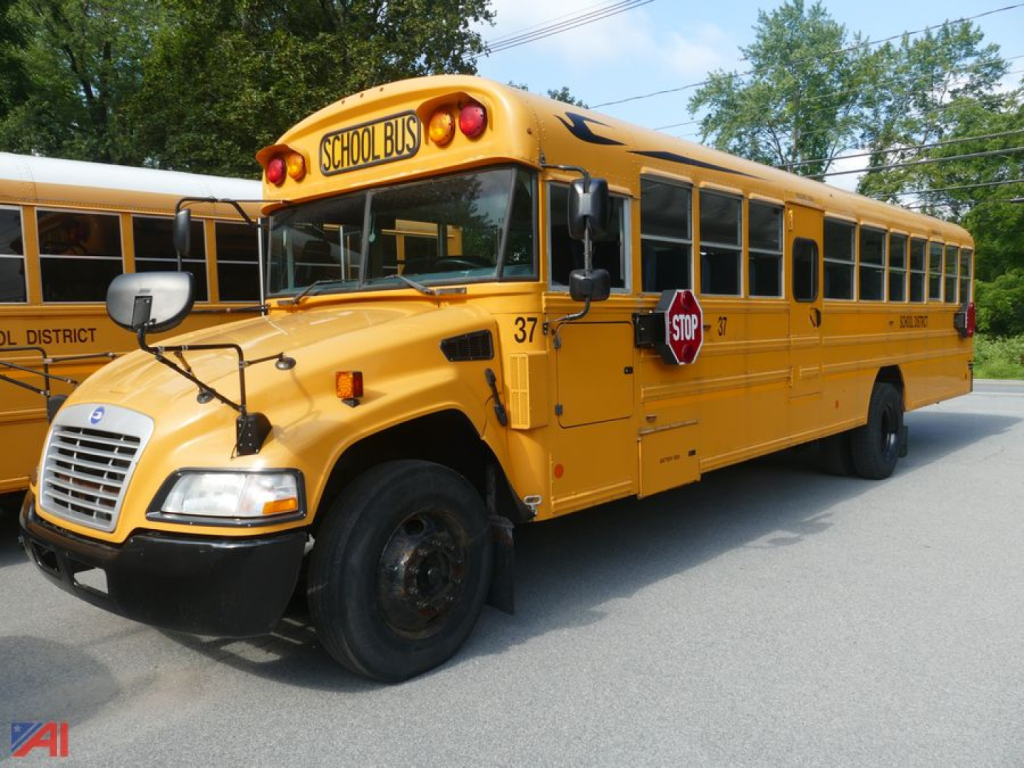
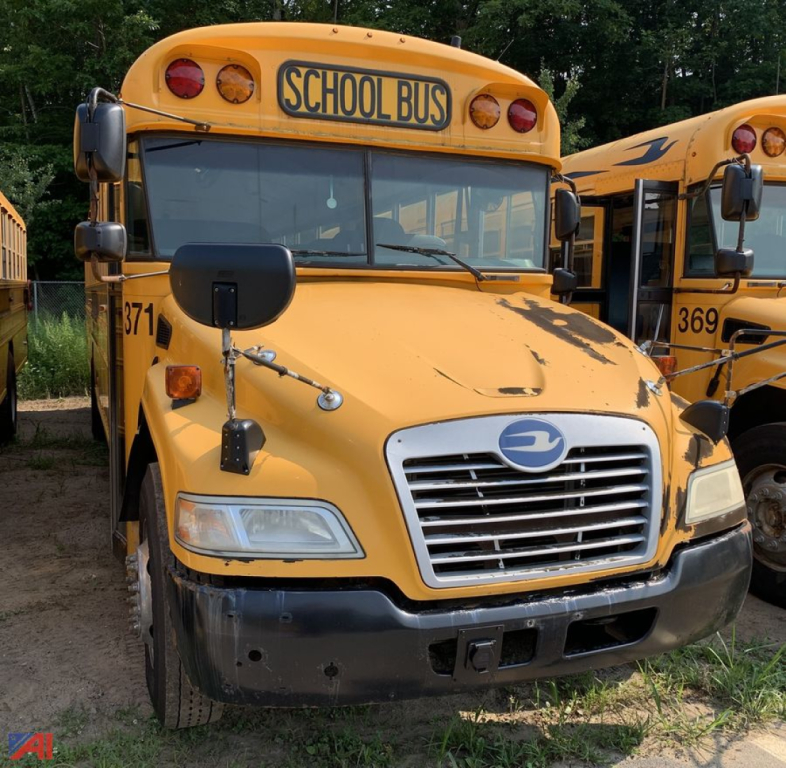
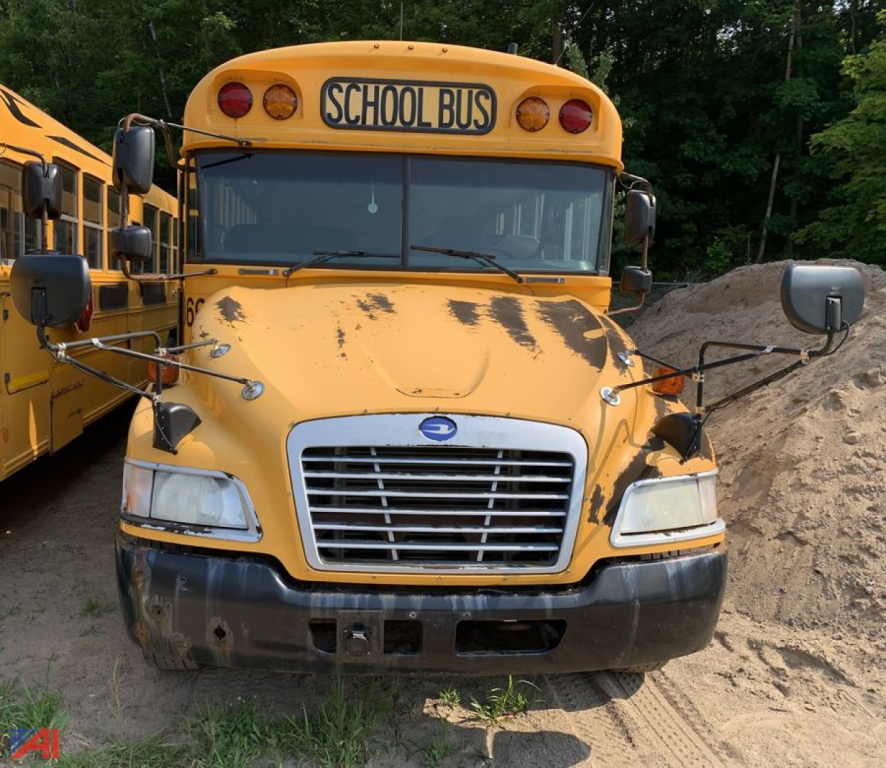
On 2014 Blue Bird Vision models, buyers will often see gasoline or diesel powertrains depending on original fleet spec. Key checkpoints include engine hours versus mileage, cold-start behavior, transmission shift quality, brake system condition, steering play, and evidence of regular preventive maintenance. Rust deserves close attention on any bus from snow-belt service, particularly around stepwells, floor structure, body mounts, wheel housings, emergency exits, and undercarriage crossmembers. Suspension wear, tire date codes, window seal condition, and heater performance also affect total reconditioning cost more than many first-time buyers expect.
A school bus in this age range can fit several second-life applications, including church transport, employee shuttle work, contractor crew movement, mobile training units, and specialty conversions. The main buying decision is not just passenger count. It is how the original school bus specification lines up with the next job. A short wheelbase unit is easier to maneuver in urban service, while a full-size bus offers maximum seating but brings higher turning radius, storage, and route constraints. If the bus will stay in passenger service, confirm local compliance for seating, emergency equipment, lighting, and CDL requirements before purchase.
Blue Bird buses are known for durable body construction, wide service familiarity, and straightforward fleet maintenance routines when they come from documented municipal or school district service. A careful buyer should verify title status, VIN plate information, GVWR, axle ratings, and any post-school modifications such as seat removal, warning light changes, or wheelchair equipment additions. For many operators, the best 2014 Blue Bird bus is the one with clear maintenance records, minimal structural corrosion, and a configuration that fits the intended route instead of the lowest upfront price.
Frequently Asked Questions about 2014 Blue Bird Bus Trucks
What engine options are common in a 2014 Blue Bird Vision bus?
A 2014 Blue Bird Vision may be equipped with either a gasoline or diesel engine, depending on how the original fleet ordered it. The exact engine matters because it affects fuel type, maintenance intervals, emissions components, and long-term operating cost. Buyers should confirm the engine model, transmission pairing, mileage, and service history rather than assuming all 2014 Vision buses are spec'd the same way.
What should I inspect first on a used 2014 Blue Bird bus?
Start with structural condition and maintenance history. Floor corrosion, stepwell rust, frame and crossmember condition, brake wear, suspension play, tire age, and steering response can quickly change the real value of a used bus. On a school bus, body integrity and undercarriage condition are often more important than cosmetic appearance because repairs in those areas can be expensive and time-consuming.
Can a 2014 Blue Bird school bus be converted for other uses?
Yes. Many buyers repurpose these buses for church groups, employee transportation, mobile outreach, training units, or custom conversions. Before repurposing, check state and local rules on seating, emergency exits, lighting changes, wheelchair equipment, and registration class. A bus built for student transport may need modifications before it can be legally used in private or commercial service.
Is a full-size Blue Bird Vision better than a shorter bus?
It depends on route and capacity needs. A full-size bus provides more seating and works well for high-passenger applications, but it requires more room to turn, park, and store. A shorter configuration is easier to maneuver in tight lots, city streets, and mixed-use properties. Buyers should match wheelbase and body length to actual route conditions, not just maximum passenger count.
Are parts and service support generally good for Blue Bird buses?
Blue Bird has broad market presence, which usually helps with parts sourcing and technician familiarity. Support also depends on the chassis and powertrain spec, since engine and transmission components may come from outside suppliers. The most service-friendly units are usually those with common drivetrain combinations and no unusual aftermarket modifications.