
2009 Bus Trucks For Sale
Have 2009 bus truck to sell? List it here to reach thousands of buyers.
2009 Bus Trucks
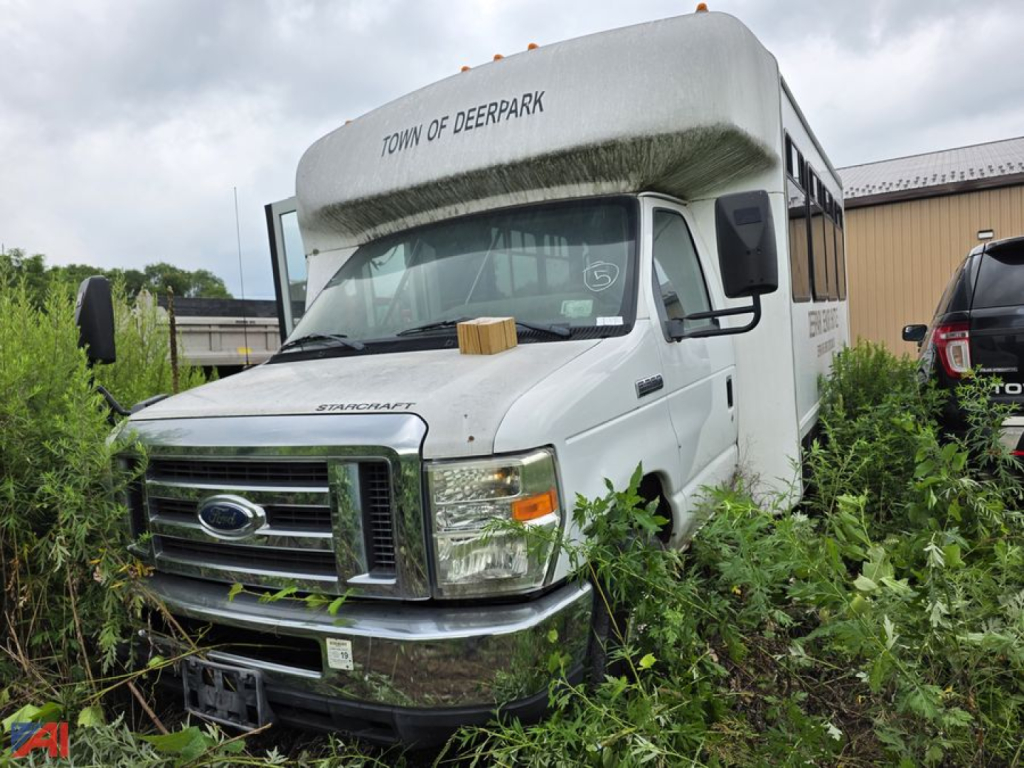
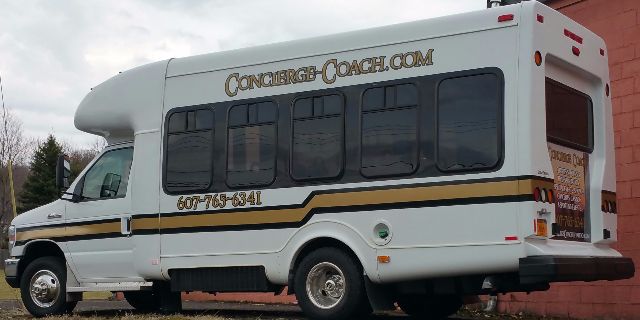
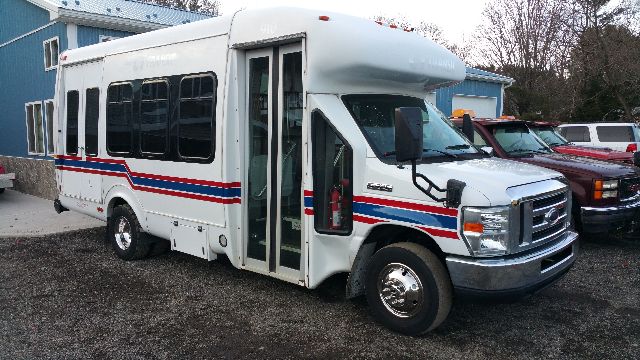
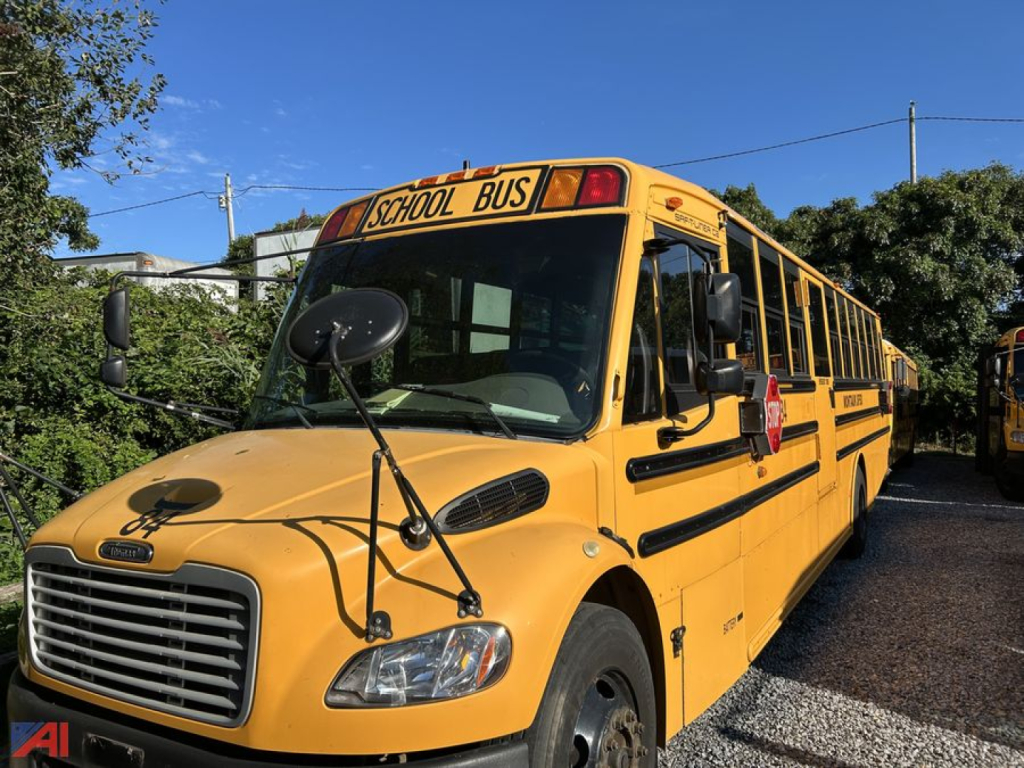
The first buying decision is usually body style and capacity. Full-size buses in this class often seat roughly 40 to 78 passengers depending on bench layout, wheelchair positions, and state spec. Wheelbase, overall length, roof height, and luggage or underbody storage matter if the bus will be used beyond standard school routes. School bus configurations often include stop arms, crossing gates, high-back bench seating, and amber-red warning light systems, while shuttle and activity bus variants may be set up with different door layouts, coach-style seating, or ADA lift equipment. Air brakes are common on larger units, while hydraulic brakes may appear on shorter or lighter buses.
Chassis specs deserve close attention because a 2009 bus may have spent years in repetitive stop-and-go duty. Buyers should review engine hours along with mileage, transmission model, rear axle ratio, suspension type, tire size, and GVWR. A bus with a higher numerical rear ratio may perform better on local routes and hills, while a taller ratio may better suit longer road speeds. Check for frame corrosion, floor soft spots, body mount condition, entry door function, electrical accessory operation, and signs of rust around wheel housings, step wells, and emergency exits. On school bus units, it is also smart to confirm whether warning light systems, heaters, wheelchair lifts, and interlock systems are still active or have been removed for private-use conversion.
A 2009 bus truck can also be a strong platform for specialty conversion. Many buyers repurpose these units into mobile offices, churches buses, work crew transporters, RV-style builds, or event support vehicles because the chassis is heavier than a typical van-based people mover and the body offers more interior volume. The best value usually comes from matching the original duty cycle to your planned use. A former school route bus may be ideal for local hauling of passengers, while a better-maintained activity or shuttle configuration may be a stronger fit for private transport, tourism, or commercial use where ride quality, storage, and presentation matter.
Frequently Asked Questions about 2009 Bus Trucks
What engines and transmissions are common in 2009 bus trucks?
Most 2009 bus trucks use medium-duty diesel engines such as Cummins or International-sourced powerplants paired with Allison automatic transmissions. Exact horsepower and torque vary by body size and application, but many units were built for stop-and-go passenger service rather than high-speed linehaul. Buyers should verify the specific engine family, emissions equipment, transmission series, and maintenance history because those details have a major impact on reliability and operating cost.
Are 2009 bus trucks good candidates for school, shuttle, or private fleet use?
Yes, a 2009 bus truck can still be a practical fit for school support, employee transportation, church groups, contractor crews, or shuttle duty if the bus has been maintained properly. The key is to match seating capacity, brake system, door configuration, and route demands to the intended use. A full-size school bus may be ideal for local passenger movement, while a shuttle or activity-style bus may better suit private charter, ADA transport, or mixed-route commercial work.
What should I inspect first on a used 2009 bus truck?
Start with structural and drivetrain condition. Inspect the frame rails, body supports, step well, floor, wheel arches, and lower body panels for corrosion or repairs. Then review engine hours, mileage, cold-start behavior, transmission shift quality, brake condition, tire age, suspension wear, steering play, and electrical systems. Passenger-related equipment such as heaters, warning lights, lifts, emergency exits, and door controls should also be tested because those components can be expensive to repair.
How many passengers does a 2009 bus truck usually seat?
Passenger capacity depends on body length, seating layout, and the type of service the bus was built for. Full-size school buses commonly range from about 40 to 78 passengers, while shuttle and specialty buses may carry fewer riders to allow for wider seats, wheelchair positions, luggage space, or additional interior equipment. Always confirm legal seating capacity from the body plate and current configuration rather than relying only on the seller's description.
Can a 2009 bus truck be converted for other commercial or private uses?
Yes, many 2009 bus trucks are repurposed into mobile offices, church buses, RV conversions, event support units, or crew carriers. Their appeal comes from a heavier chassis, larger passenger compartment, and straightforward service parts compared with lighter van-based buses. Before converting one, confirm title status, state inspection rules, emissions compliance, and whether school bus equipment or passenger restraints must be removed or updated for the new application.