
2009 Ford Bus Trucks For Sale
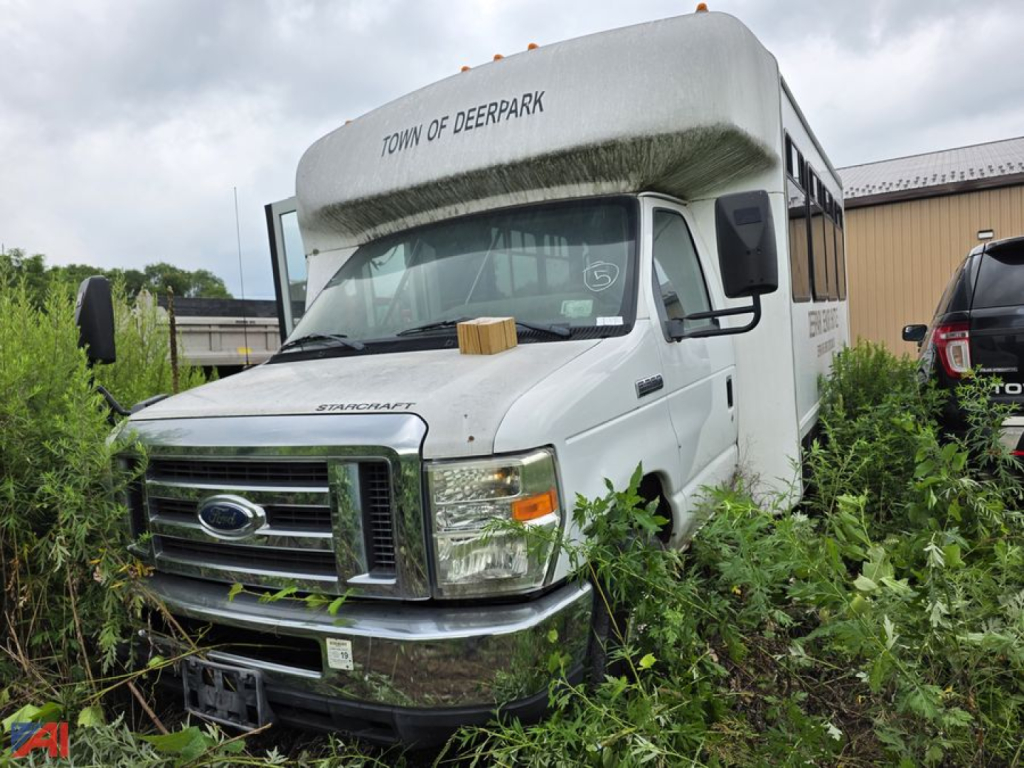
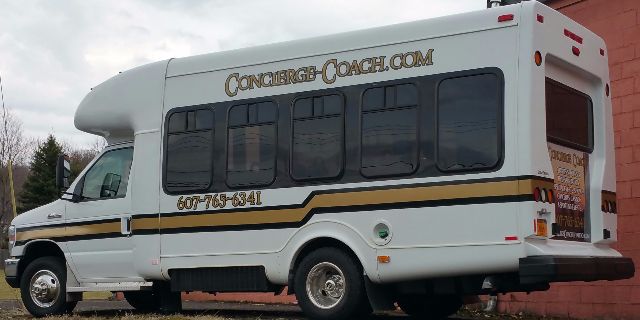
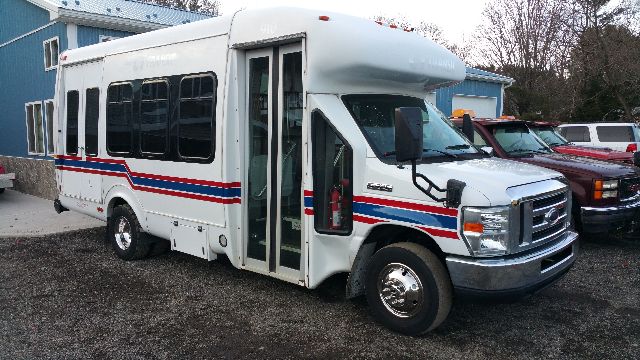
Have 2009 ford bus truck to sell? List it here to reach thousands of buyers.
2009 Ford Bus Trucks
The key buying decisions are body configuration, seating layout, and accessibility equipment. Many 2009 Ford buses in the market are built with side-entry wheelchair lifts, Q'Straint or similar tie-down systems, and flexible seating plans that trade passenger count for ADA capacity. Some are non-CDL units with 12 to 14 passenger layouts plus driver, while others are designed around mixed-use service with room for one or more wheelchairs. Buyers should look closely at lift operation, manual override function, door seals, floor condition around securement tracks, and the condition of interior HVAC if the bus is used for medical, municipal, or senior transport.
Powertrain and service history carry a lot of weight on a 2009 model. Ford E-Series buses from this era are commonly paired with gasoline V8 or V10 engines and automatic transmissions, and they are valued for widespread parts availability and familiar service requirements. A bus body adds another layer beyond the chassis, so inspection should include the coach builder components as well as the Ford running gear. Pay attention to rear suspension wear, brake condition, cooling system service, alternator output for lift and HVAC demand, and signs of corrosion around body mounts, step wells, and lower skirt panels. On higher-use shuttle applications, idle hours and door cycle count can matter as much as odometer miles.
A well-matched 2009 Ford bus truck can still be a practical unit for local route work, adult day programs, hotel shuttle service, church transport, and non-emergency passenger movement. The best choice depends on route density, passenger mix, and how often the bus loads mobility devices. If operating costs, maneuverability, and driver familiarity are priorities, these Ford cutaway buses remain a straightforward platform to evaluate. Buyers who compare GVWR, passenger capacity, wheelchair positions, body length, and maintenance records usually narrow the field quickly and avoid buying a bus that is overloaded for the job.
Frequently Asked Questions about 2009 Ford Bus Trucks
What is the difference between a 2009 Ford E-350 bus and a 2009 Ford E-450 bus?
The main difference is chassis capacity. A 2009 Ford E-350 bus is typically used for lighter shuttle or small passenger applications, while a 2009 Ford E-450 bus is better suited for heavier bodies, higher passenger counts, and wheelchair-accessible service. The E-450 generally offers more GVWR and is often the stronger choice when the route includes frequent stops, added HVAC load, or multiple wheelchair positions.
Are 2009 Ford buses commonly available in wheelchair-accessible configurations?
Yes. Many 2009 Ford bus trucks were built for paratransit, municipal, senior care, and assisted transport service. Common accessibility features include a power wheelchair lift, manual lift backup, securement tracks, tie-down systems, grab handles, and flexible seating that allows room for wheelchairs and ambulatory passengers. Buyers should test lift operation, inspect floor anchoring points, and confirm that all restraint hardware is present and functional.
What should I inspect first on a used 2009 Ford bus truck?
Start with the chassis and then move to the body equipment. On the chassis side, check engine performance, transmission shifting, brake wear, suspension condition, steering play, cooling system service, and tire age. On the bus body side, inspect the wheelchair lift, passenger door, rear door if equipped, interior A/C and heat, seat mounts, flooring, roof seams, and any corrosion near step wells or lower body panels. Service records are especially important on a bus used for stop-and-go duty.
Do I need a CDL to operate a 2009 Ford shuttle or wheelchair bus?
Not always. Many Ford E-Series shuttle buses are configured as non-CDL units, especially those with seating layouts under the passenger threshold. The exact requirement depends on seating capacity, vehicle weight rating, passenger-for-hire rules, and state or local regulations. Buyers should verify the seating count on the data plate and check the operating rules in the state where the bus will be registered and used.
What are common uses for a 2009 Ford bus?
Common uses include church transportation, airport and hotel shuttle service, adult care and senior transportation, municipal passenger service, non-emergency mobility transport, and private group movement. These buses are popular because the E-Series platform is easy to service, parts are widely available, and the cutaway design supports many body styles and seating layouts. The right unit depends on route length, passenger count, and whether wheelchair access is required.