
Used Bucket Trucks For Sale in Florida
Browse used bucket trucks in Florida. Compare boom type, working height, chassis, insulation, PTO setup, and body condition for utility work.

Have used bucket truck to sell? List it here to reach thousands of buyers.
Used Bucket Trucks in Florida
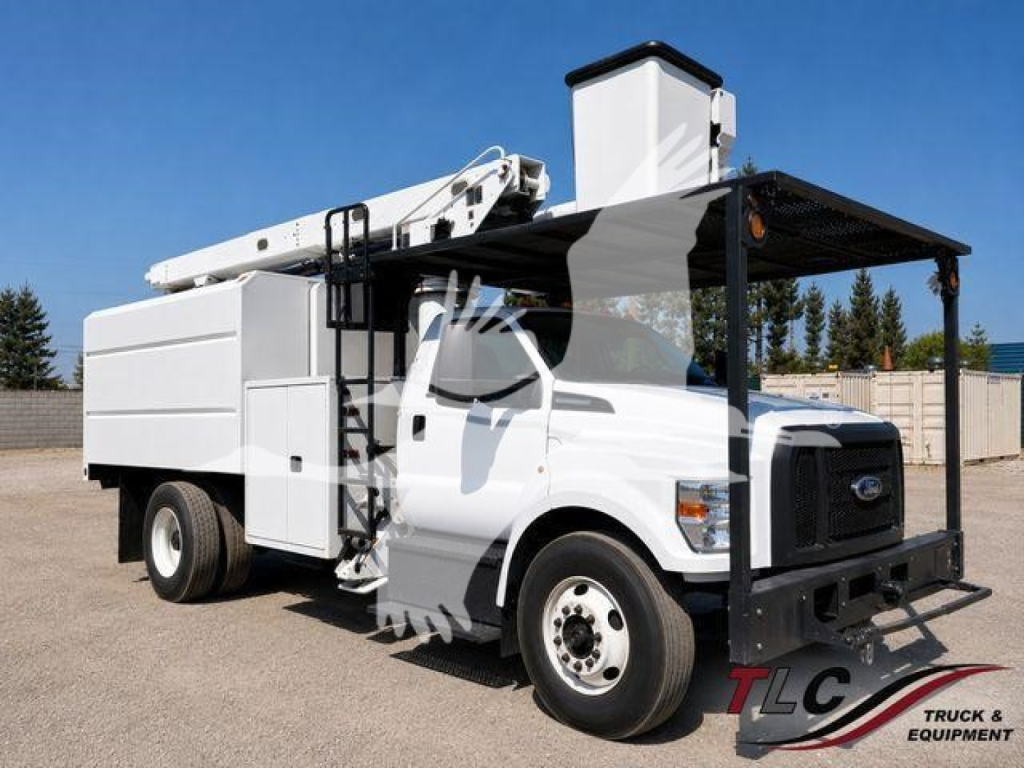
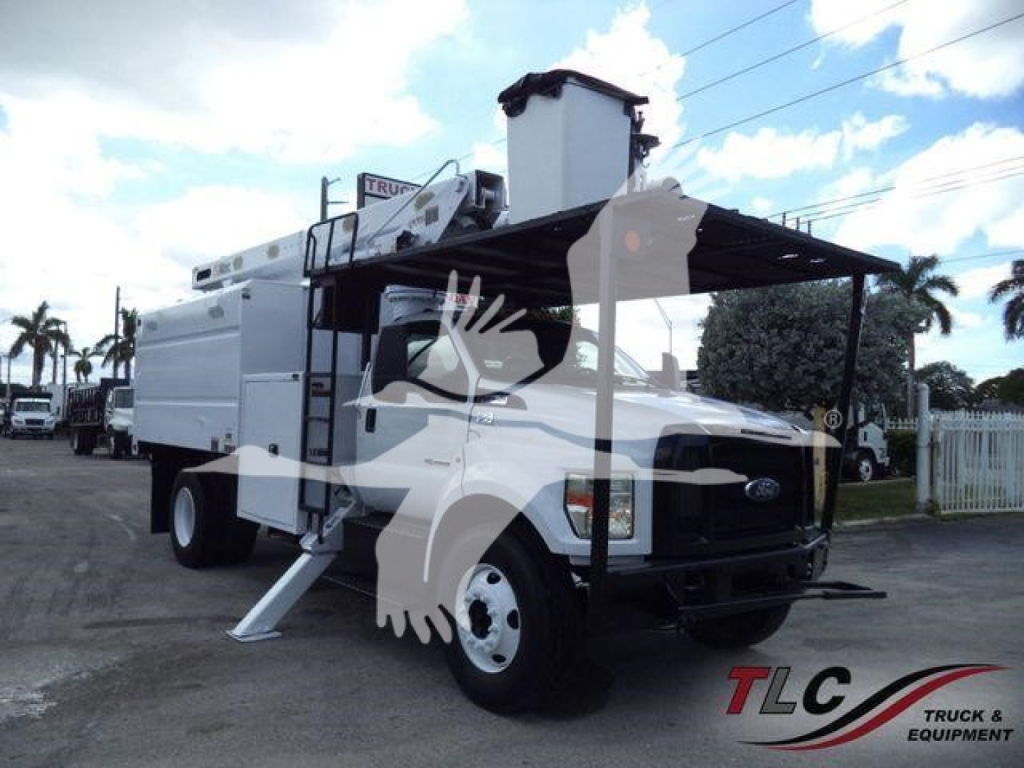
On used units, the truck chassis matters just as much as the aerial device. Common platforms include Ford F-750, International 4400 and 7400 series, Freightliner M2, and similar medium-duty trucks with diesel power, automatic transmissions, PTO-driven hydraulics, and spring or air suspension depending on spec. In Florida, many buyers focus on GVWR, wheelbase, axle ratings, and outrigger layout because those factors affect jobsite stability, bridge law compliance, and CDL requirements. A chip body or forestry package can make sense for tree crews, while utility bodies with compartments, reel mounts, and pintle hitches fit electrical and telecom work better.
Condition evaluation on a used bucket truck needs to go beyond engine miles. The aerial inspection history is critical. Look closely at boom wear pads, hydraulic hoses, cylinder seepage, turret rotation, lower and upper controls, emergency stop functions, and outrigger operation. Fiberglass buckets and insulating sections should be checked for cracks, repairs, contamination, and current dielectric testing status where applicable. Rust is a real concern even in Florida because many fleet units come from municipalities and utilities in other regions. Corrosion on the subframe, bed, outriggers, and boom mounting points can be more important than cosmetic body wear. Tire age, PTO engagement, weak air systems, and intermittent electrical faults are also common issues on older fleet trucks.
For Florida buyers, heat, humidity, and coastal exposure make hydraulic condition, wiring integrity, and cab air conditioning more than convenience items. A well-matched used bucket truck should fit the actual work radius and crew size without carrying excess chassis weight or boom complexity. If the truck will spend time in neighborhoods, parking lots, or roadside utility work, pay attention to turning radius, outrigger spread, body width, and storage layout. The best value usually comes from a truck with documented service records, current annual aerial certification, and a body-boom-chassis combination that matches the intended trade instead of a unit that is simply priced low.
Frequently Asked Questions about Used Bucket Trucks in Florida
What should I check first on a used bucket truck?
Start with the aerial device records, not just the truck mileage. Confirm annual inspections, load or dielectric testing if applicable, maintenance history, and any repairs to the boom, bucket, turret, outriggers, or hydraulic system. After that, inspect the chassis for engine condition, transmission operation, PTO function, tire age, brake performance, rust on the frame and body, and any electrical issues in the cab or upper controls.
What is the difference between an articulating and a telescopic bucket truck?
An articulating boom uses joints to bend around obstacles, which is useful for tree trimming, sign work, and utility access around poles or structures. A telescopic boom extends in a straighter path and is often preferred when maximum horizontal outreach or a simpler boom design is the priority. The better choice depends on the work environment, required side reach, and how often the operator needs to position the bucket over or around obstructions.
Do I need an insulated bucket truck for electrical work?
If the truck will be used near energized lines, insulation rating and testing status are major considerations. An insulated boom and bucket are designed for utility applications where dielectric protection is required, but that protection is only meaningful if the unit is properly maintained, tested, and kept clean. For general tree, sign, or lighting work, a non-insulated bucket truck may be adequate, but it is not a substitute for a utility-rated insulated unit.
Can a bucket truck be operated without a CDL?
Some bucket trucks can be operated without a CDL if the truck's GVWR stays below the threshold that triggers CDL requirements and the job does not involve other regulatory factors. Many larger utility and tandem-axle bucket trucks exceed that limit, especially units with heavy bodies, chip boxes, or material handlers. Buyers should verify GVWR, registered weight, axle ratings, and Florida licensing requirements before assuming a truck is non-CDL.
Why do outriggers and body configuration matter so much on a bucket truck?
Outriggers directly affect stability, usable setup space, and where the truck can safely work. A wide outrigger spread may improve stability but can limit use on narrow shoulders, alleys, or tight residential sites. Body configuration matters because compartment layout, chip body design, reel storage, hitch equipment, and bed length all affect how efficiently the truck supports the crew's daily work. A good used bucket truck is not just the right boom height, but the right chassis and body package for the job.