
Used Dodge Bucket Trucks For Sale
Shop used Dodge bucket trucks, including Ram chassis with aerial lifts, built for utility, sign, telecom, tree work, and municipal service.
No exact matches found for your search
Showing Used Bucket Trucks instead.

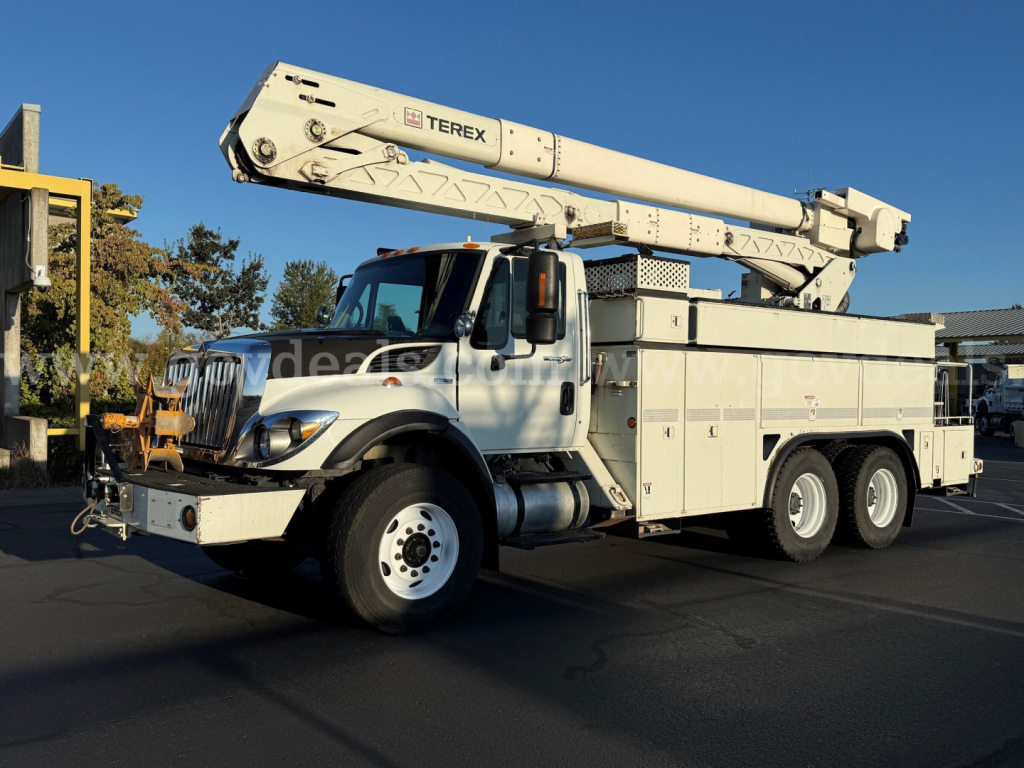
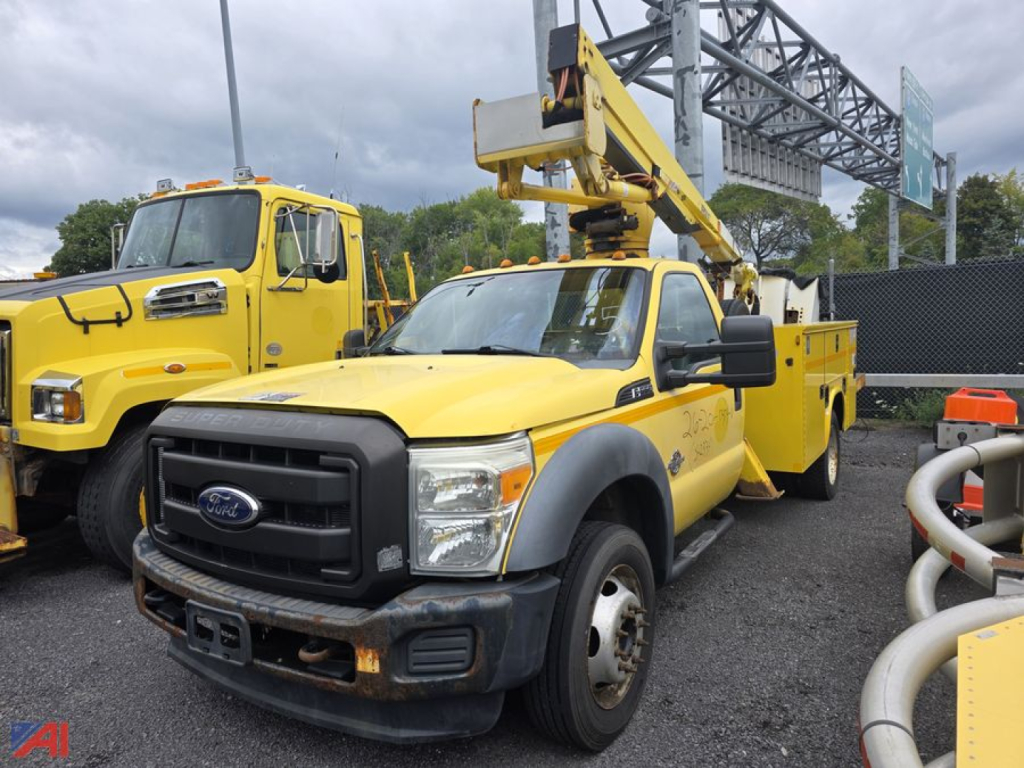
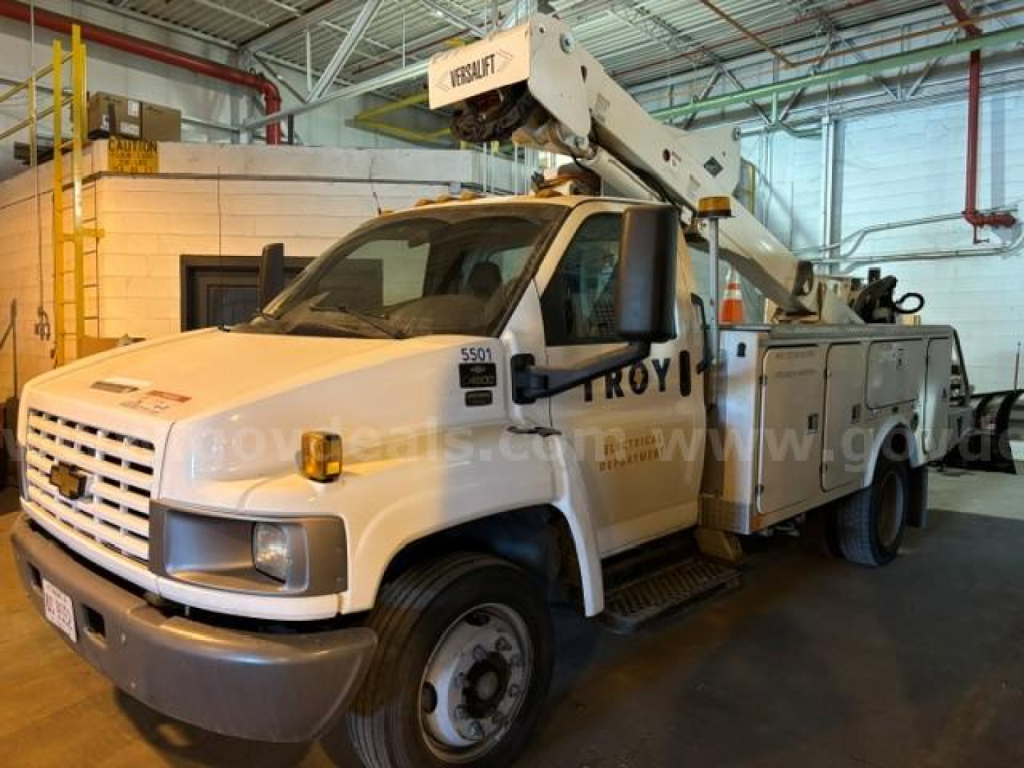
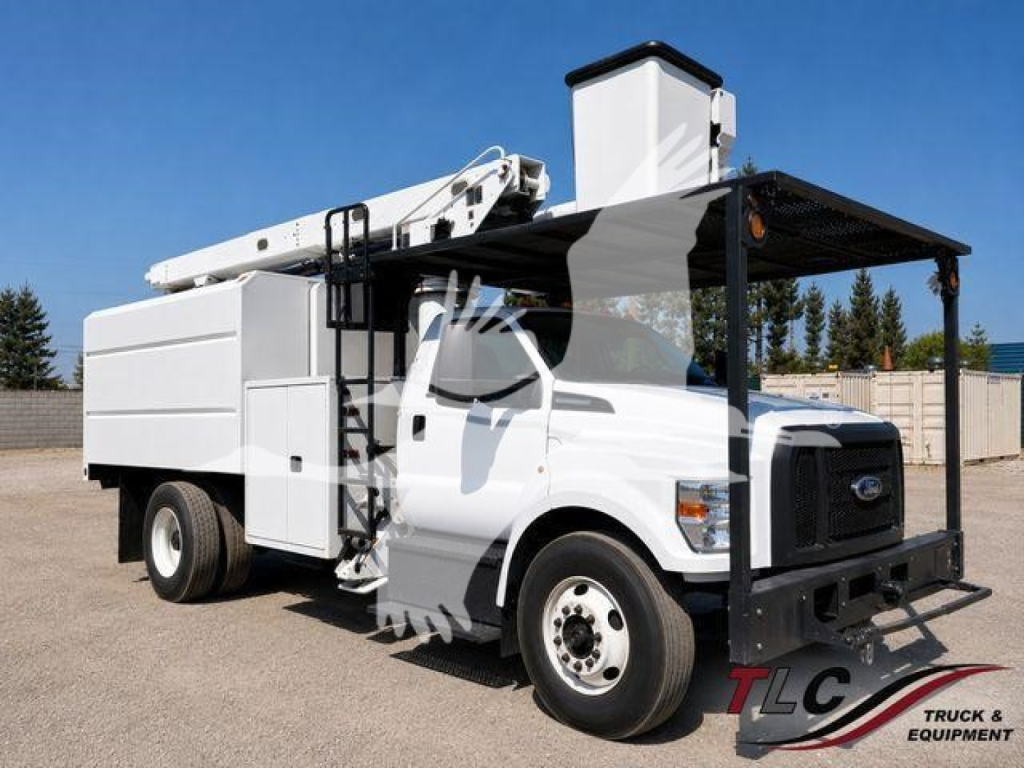
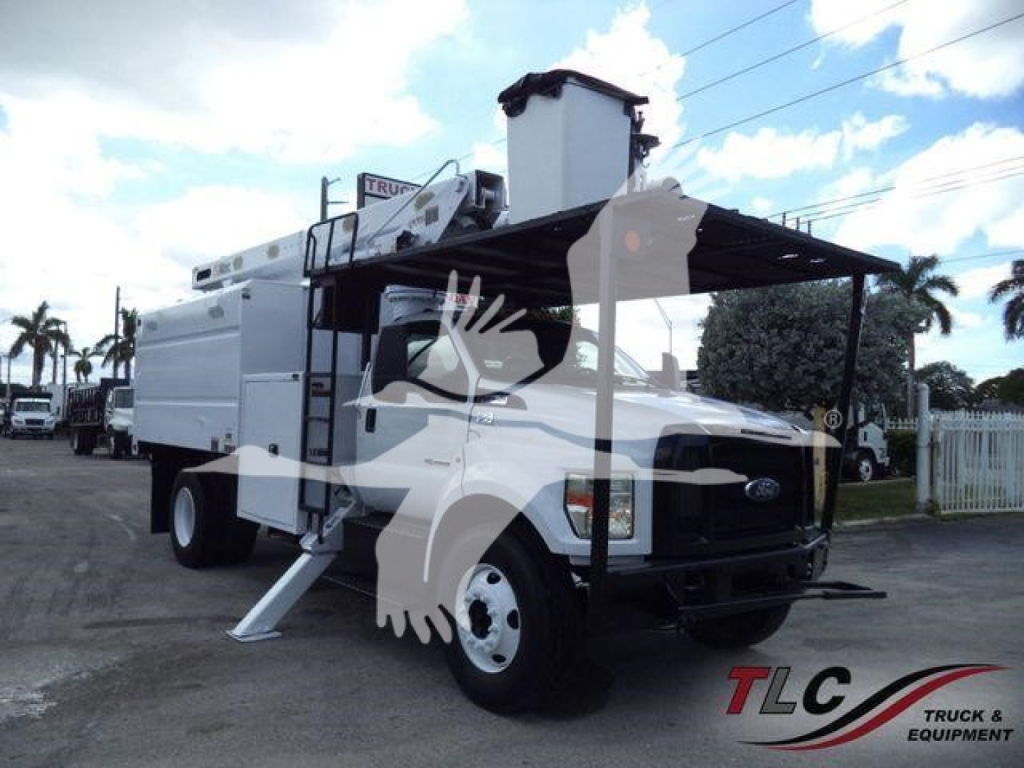
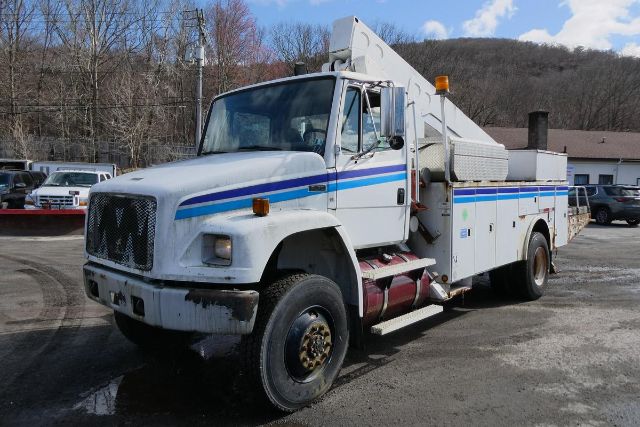
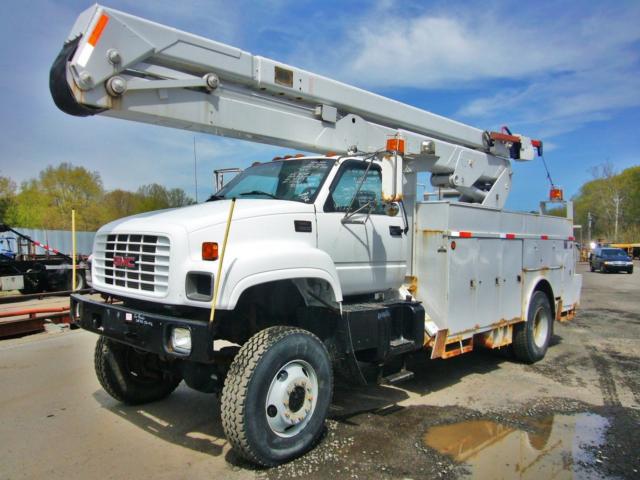
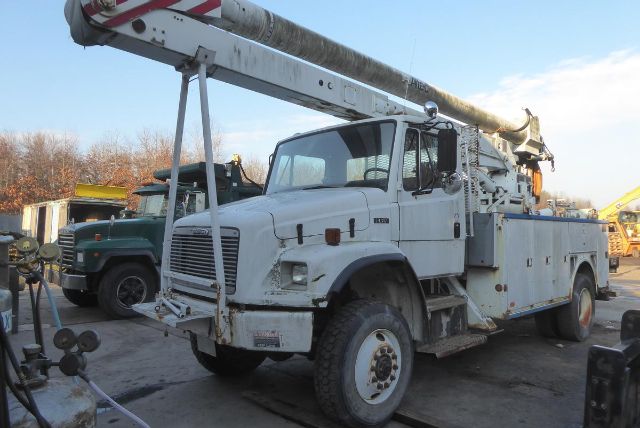
Have used dodge bucket truck to sell? List it here to reach thousands of buyers.
Used Dodge Bucket Trucks
A used bucket truck should be evaluated as a truck and as a certified aerial device. Boom type is a key decision. Material handling units add a jib and winch for transformers, tools, and hardware, while non-material handling units are common for lighter maintenance work. Platform capacity, side reach, turret rotation, lower controls, hydraulic outriggers, and dielectric rating all affect job suitability. For electric utility and telecom applications, buyers should verify insulation class, test history, and current ANSI compliance. For municipal fleets and contractors doing streetlight or sign service, storage layout, inverter setup, compressor provisions, and scene lighting can matter just as much as lift height.
On Dodge and Ram-based units, the appeal is usually maneuverability and lower operating cost compared with larger Class 7 or 8 aerial trucks. That makes them well suited for urban work, residential tree trimming, parking lot lighting, campus maintenance, and contractor fleets that need to access tighter streets or job sites. Diesel engines are common in this segment, and buyers often pay close attention to transmission condition, idle hours, hydraulic performance, and any signs of frame corrosion or body rust around outriggers, tool compartments, and subframe mounts. Service records are especially important because aerial units often accumulate significant engine hours and PTO hours even when mileage looks moderate.
A strong used Dodge bucket truck listing will usually provide the chassis year and model, aerial unit make and model, working height to bottom of bucket, boom hours, mileage, and whether the truck starts, runs, and passes operational checks. It is smart to confirm recent boom inspection dates, DOT compliance items, tire condition, brake condition, and the status of all safety interlocks. If the truck will be used in regulated utility or municipal service, buyers should also confirm decals, manuals, load charts, and dielectric test documentation. A clean Ram 5500 bucket truck with the right boom spec can be a cost-effective alternative to larger aerial equipment when the work calls for reach, mobility, and a smaller overall footprint.
Frequently Asked Questions about Used Dodge Bucket Trucks
What are the most common Dodge bucket truck chassis models?
The most common Dodge-based bucket trucks are built on Ram 4500 and Ram 5500 chassis. These medium-duty platforms are popular because they balance payload capacity, maneuverability, and lower operating cost for aerial work in urban, residential, and light utility applications. Chassis selection usually depends on the weight of the aerial device, body configuration, and whether the truck is equipped for material handling.
How high does a used Dodge bucket truck typically reach?
Many used Dodge bucket trucks in this class offer working heights from about 29 to 42 feet, although exact reach depends on the aerial unit and body setup. Listings often state height to the bottom of the bucket rather than maximum working height, so buyers should read the specification carefully. Side reach, platform capacity, and stowed travel height are just as important as vertical lift when comparing units.
What should I inspect on a used bucket truck besides the chassis?
The aerial device should be inspected for hydraulic leaks, boom wear, control function, outrigger operation, safety interlocks, and signs of structural repair. Buyers should also review recent ANSI inspections, dielectric test records when applicable, and hour meter readings for the lift system. On the truck itself, pay attention to frame condition, PTO operation, tires, brakes, rust around outriggers and body mounts, and any mismatch between mileage and overall wear.
Are Dodge bucket trucks good for utility and telecom work?
They can be, provided the aerial unit matches the job requirements. Dodge and Ram bucket trucks are commonly used for telecom, streetlight service, sign work, municipal maintenance, and lighter utility applications because they are easier to maneuver than larger aerial trucks. For energized utility work, buyers should verify dielectric rating, insulation condition, and current test documentation before putting the truck into service.
What is the difference between material handling and non-material handling bucket trucks?
A material handling bucket truck includes a jib and winch so it can lift components such as transformers, hardware, or tools in addition to positioning workers. A non-material handling unit is designed primarily to raise personnel and is often lighter and simpler to operate. The right choice depends on whether the crew needs lifting capability at the work site or only access to overhead equipment.