
Dodge Bucket Trucks For Sale
Browse Dodge bucket trucks, including Ram chassis with aerial lifts, for utility, telecom, sign service, tree work, and municipal fleets.
No exact matches found for your search
Showing Bucket Trucks instead.

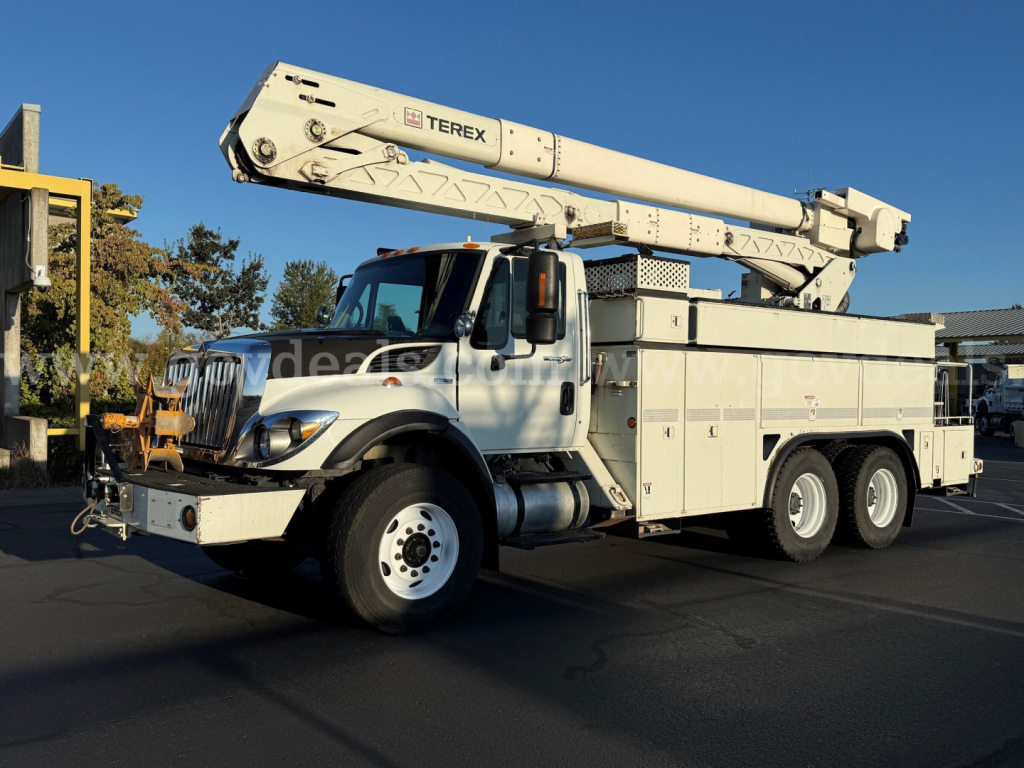
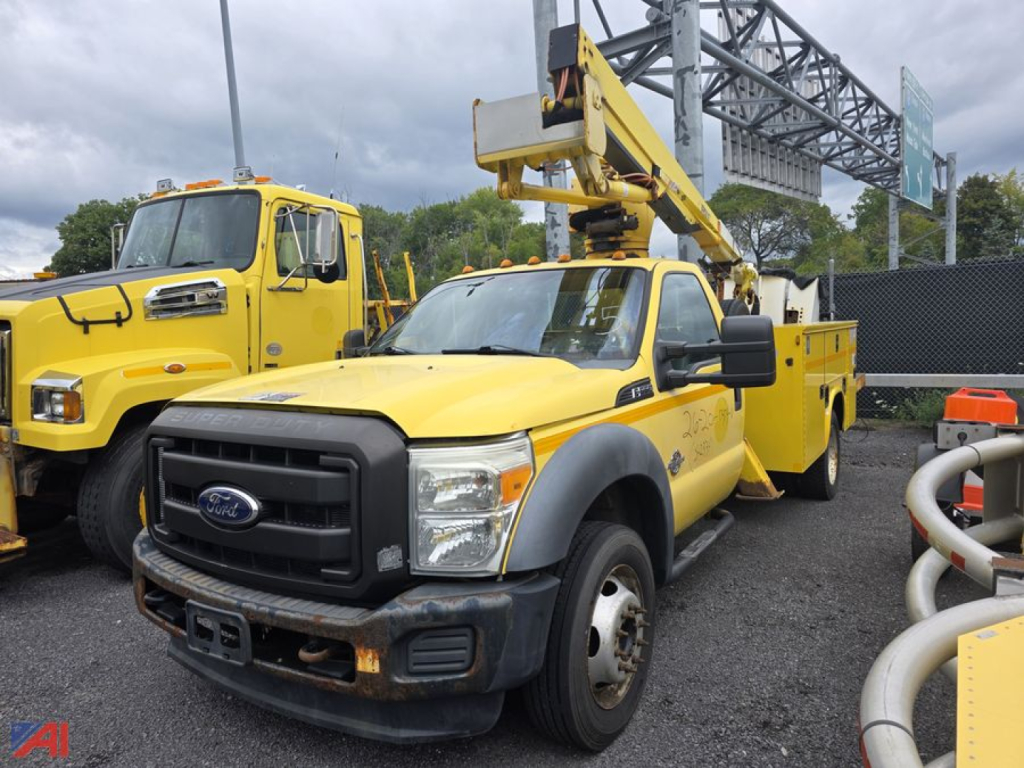
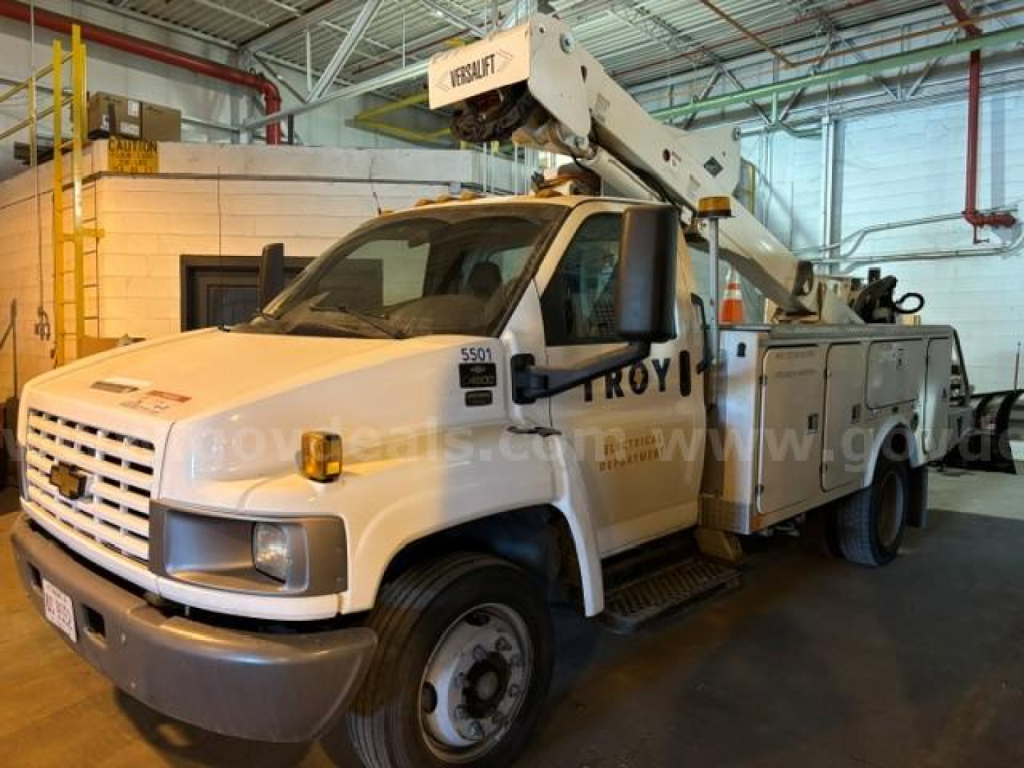
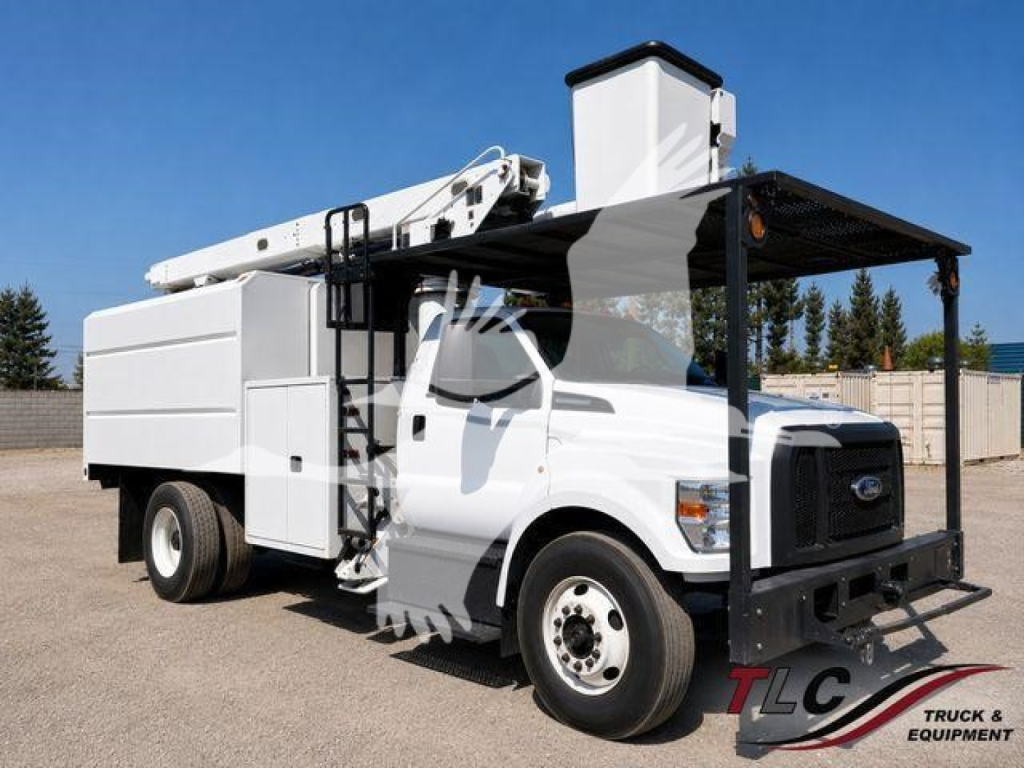
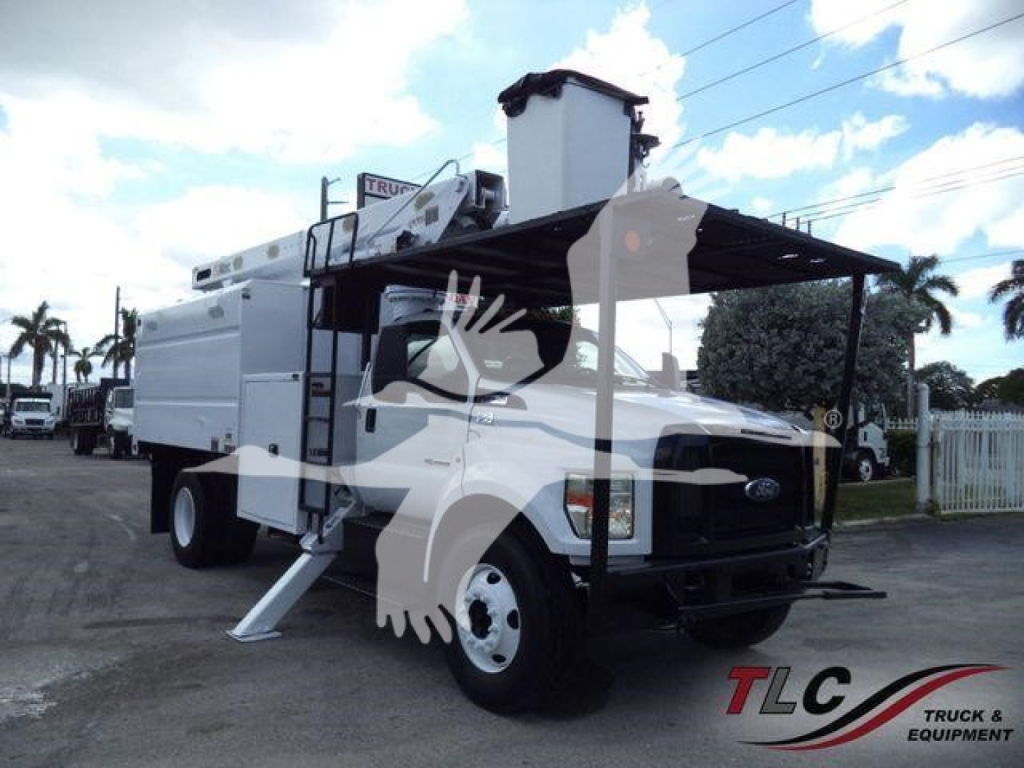
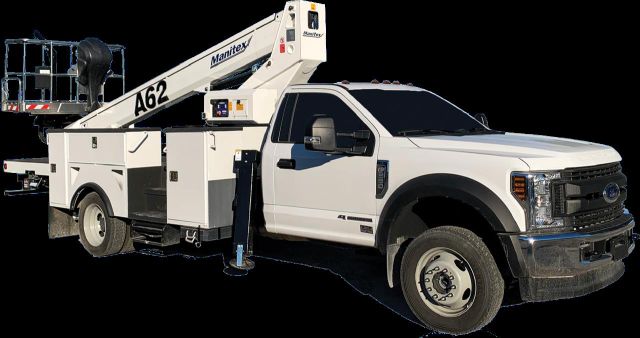
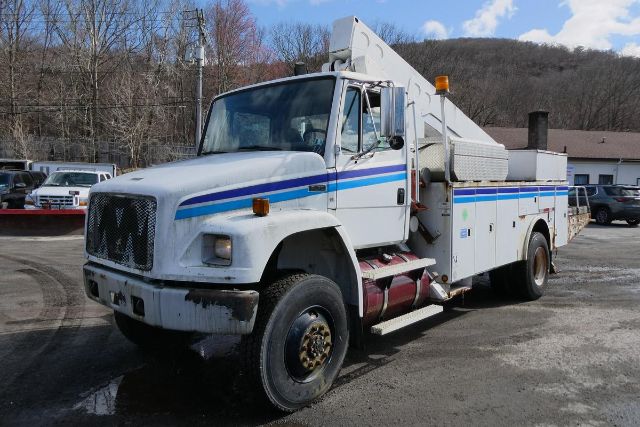
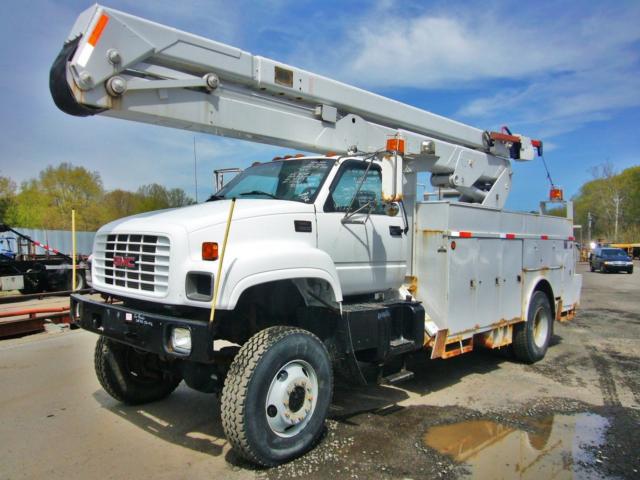
Have dodge bucket truck to sell? List it here to reach thousands of buyers.
Dodge Bucket Trucks
Ram 5500 bucket trucks are common because the platform gives a good balance of GVWR, maneuverability, and body upfit options. Many units use a regular cab or crew cab with a service body, outrigger system, and rear or center-mounted aerial. Working heights often fall in the 29-foot to 42-foot class, though exact reach depends on the boom model and body configuration. Diesel-powered trucks are common in heavier applications, while gas engines may appear in lighter municipal or contractor service. Wheelbase, rear axle ratio, and body layout all affect stability, storage, and jobsite usability, so it is worth matching the truck to the kind of daily work it will actually see.
For a used Dodge bucket truck, the most important inspection points are usually boom certification, dielectric test records if applicable, hydraulic leaks, outrigger performance, rust in the body and subframe, and signs of structural repair on the pedestal or boom sections. Engine hours and PTO hours can tell a different story than odometer miles, especially on municipal and utility units that idle or run the aerial equipment for long periods. Buyers should also confirm body compartment condition, ladder rack setup, backup camera or safety lighting, and whether the truck has current ANSI compliance documentation. A clean chassis with poor aerial maintenance can become expensive quickly.
Application should drive the buying decision. A compact Ram bucket truck can make sense for urban service calls, parking lot lighting, campus maintenance, and sign crews that need a tighter turning radius than larger medium-duty aerial trucks. If the work includes heavier material handling, forestry applications, or higher reach, it may make sense to step up to a larger chassis or a dedicated digger derrick or forestry body. For buyers comparing multiple Dodge bucket trucks for sale, the best value usually comes from the combination of lift brand, documented maintenance, stable chassis condition, and a reach profile that fits the actual work instead of simply chasing maximum platform height.
Frequently Asked Questions about Dodge Bucket Trucks
What should I check first when buying a used Dodge bucket truck?
Start with the aerial device, not just the chassis. Confirm the boom model, working height, side reach, platform capacity, PTO function, hydraulic operation, and outrigger performance. Review maintenance records, annual inspections, and dielectric test results if the unit is insulated. Then inspect the Ram chassis for engine condition, transmission behavior, front-end wear, tire condition, frame rust, and service body corrosion. A sound truck chassis does not offset an expensive boom repair.
Are Dodge Ram 5500 bucket trucks suitable for utility and telecom work?
Yes, a Ram 5500 bucket truck is a common fit for telecom, municipal maintenance, streetlight service, and many light utility applications. It offers a useful combination of payload capacity, maneuverability, and upfit flexibility. The key is matching the truck to the lift specification. For utility work near energized lines, buyers need to verify insulation rating, dielectric testing, and ANSI compliance. For telecom and sign work, storage layout, reach, and urban maneuverability may matter more than insulation.
How important are engine hours on a bucket truck?
Engine hours are very important because bucket trucks often spend significant time idling or operating PTO-driven hydraulics while stationary. A truck with moderate mileage can still have heavy engine and PTO use if it came from municipal or utility service. Compare odometer miles with engine hours and, if available, PTO hours. High idle time can affect engine wear, emissions components, and maintenance needs, so hours should be weighed alongside mileage when judging overall condition.
What working height is common on Dodge bucket trucks?
Many Dodge bucket trucks on Ram 4500 and 5500 chassis fall into the 29-foot to 42-foot working height range, depending on the aerial manufacturer and body design. Smaller units are often used for sign work, parking lot lighting, and general facility maintenance. Taller units may suit telecom or utility service where extra reach is needed. Buyers should confirm whether the stated figure is working height or height to bottom of bucket, because those numbers are not the same.
Is an insulated boom necessary on a bucket truck?
An insulated boom is necessary if the truck will be used in applications involving exposure to energized electrical lines and the work practices require that protection. Not every bucket truck is insulated, and not every insulated boom remains qualified without current testing and proper maintenance. If electrical utility or line-clearance work is part of the application, buyers should verify insulation class, dielectric test records, and compliance documentation before putting the truck into service.