
Used Box Trucks For Sale in Georgia
Used box trucks for sale in Georgia: compare payload, body size, liftgate capacity, and cooling-system condition for delivery and distribution work.
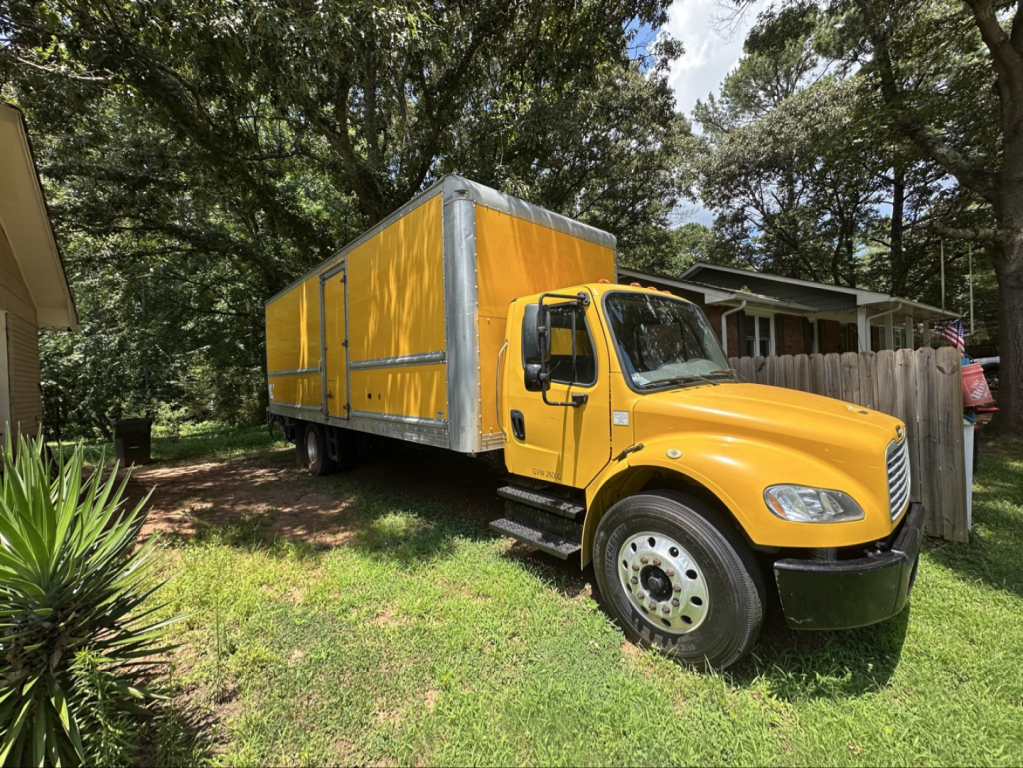
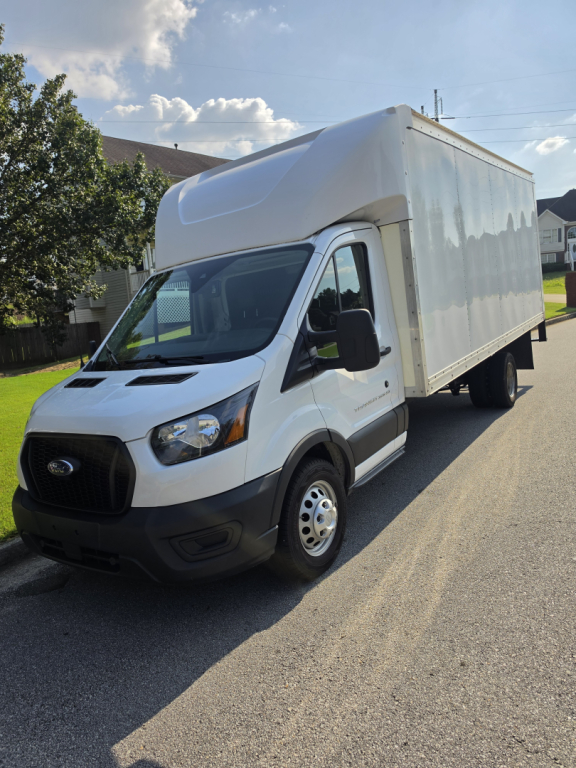
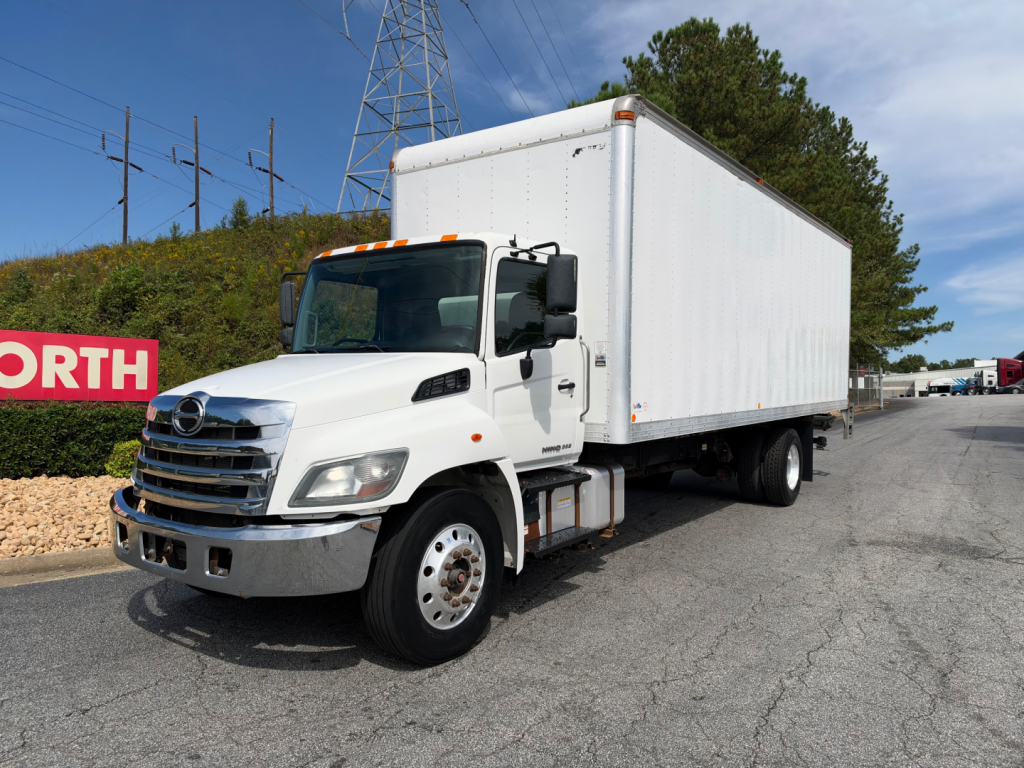
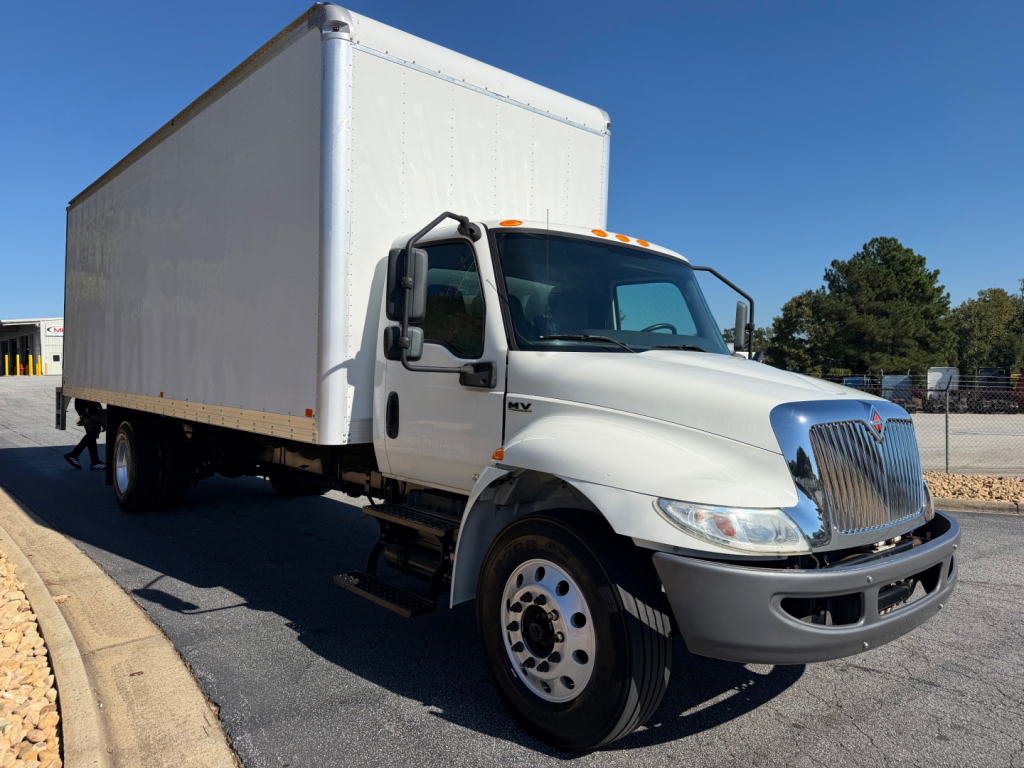
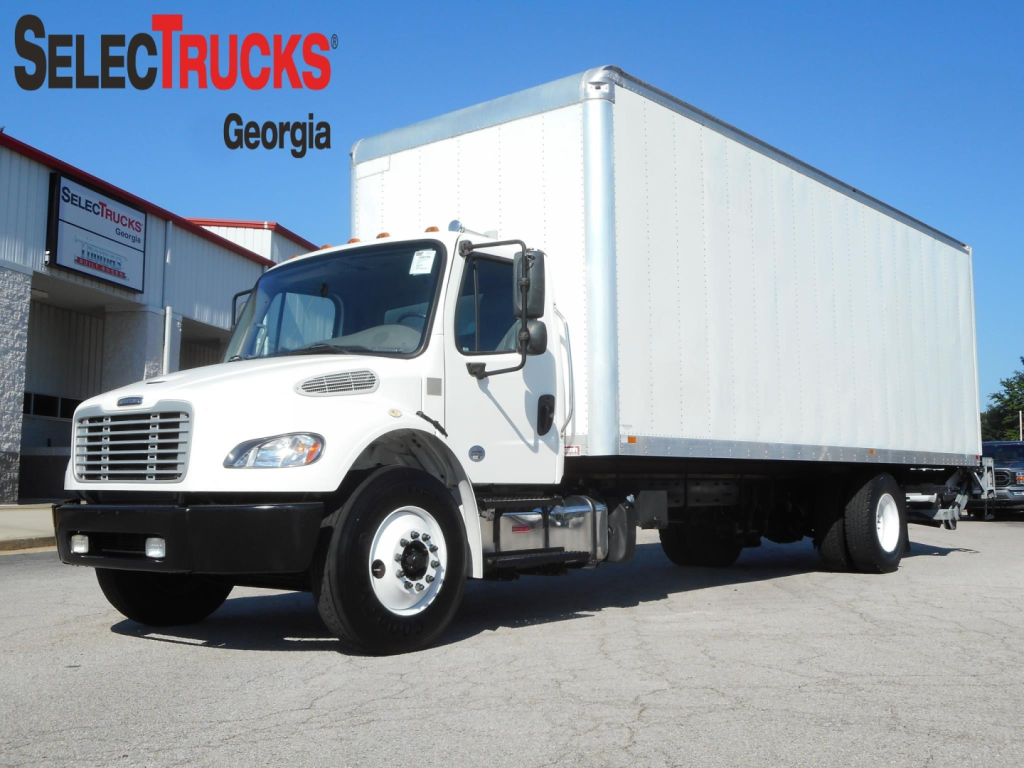
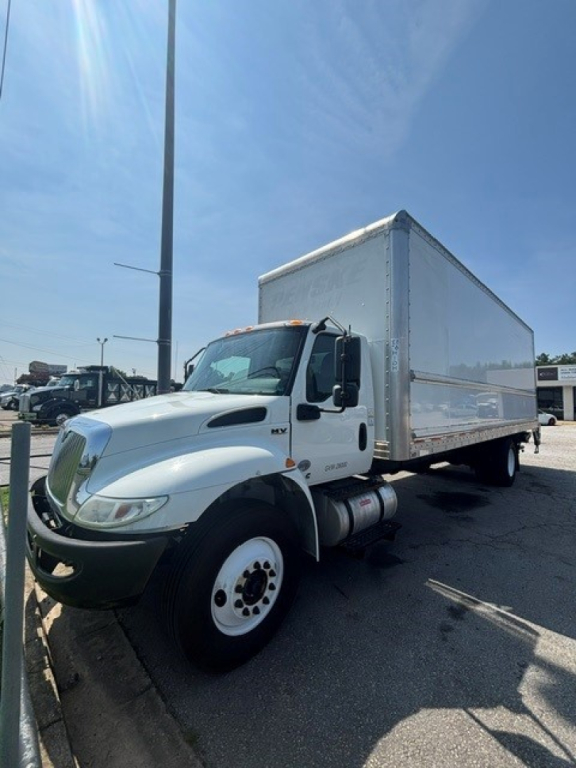
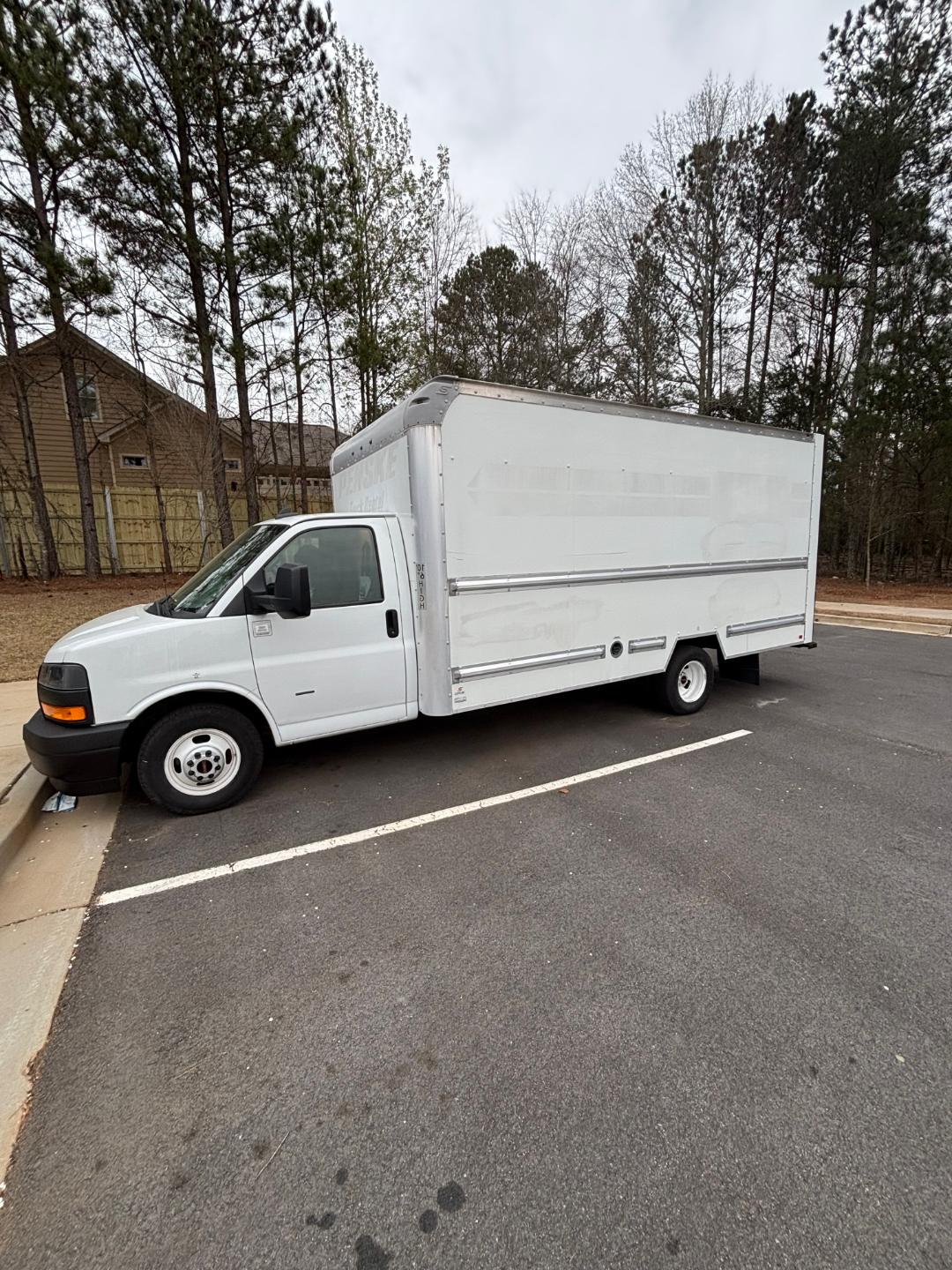
Selling a used box truck? List your used box truck for sale and reach thousands of commercial buyers.
Used Box Trucks in Georgia
Georgia's summer heat makes cooling-system condition and cab air conditioning practical inspection priorities. Check roof seams, floor soft spots, liftgate hydraulics, and frame corrosion, especially on trucks previously operated near the coast or outside Georgia. Request maintenance records and an ECM scan showing engine hours, fault history, and emissions-system condition where supported. Older diesels may lack aftertreatment, while newer engine generations can require DPF and SCR/DEF maintenance. Road-test the transmission cold and hot, verify brake operation, and weigh the truck before calculating cargo capacity.
Frequently Asked Questions about Used Box Trucks in Georgia
Do I need a CDL to drive a box truck in Georgia?
A single box truck with a GVWR or actual gross weight of 26,001 pounds or more generally requires a Class B CDL in Georgia. A qualifying combination towing more than 10,000 pounds can require Class A instead. Air brakes alone do not make a smaller box truck CDL-required, but drivers of CDL-required air-brake trucks need the appropriate testing to avoid an air-brake restriction. Placarded hazardous materials can trigger additional requirements.
Does a used diesel box truck need emissions testing in Georgia?
Diesel box trucks are exempt from Georgia's routine vehicle emissions testing program. The program applies to qualifying gasoline-powered vehicles with a GVWR of 8,500 pounds or less registered in 13 metro Atlanta counties, with model-year exemptions. Heavier gasoline box trucks are also outside that testing program. Testing exemptions do not authorize removal or disabling of factory emissions equipment, so inspect a used diesel for missing or modified aftertreatment components.
Is a gasoline or diesel box truck better for short delivery routes?
A gasoline box truck is often the better fit for low-mileage routes with frequent stops when its payload rating meets the job. Gasoline engines avoid diesel particulate filter regeneration requirements, which can complicate repeated short-trip operation. Diesel medium-duty chassis make more sense for heavier loads and sustained daily mileage. Compare the actual engine generation, maintenance records, route speed, and loaded weight rather than choosing by fuel type alone.
What liftgate capacity do I need on a used box truck?
Liftgate capacity must cover the complete load being lifted, including the pallet, handling equipment, and any operator permitted on the platform. A 2,500-pound pallet leaves little margin on a 3,000-pound gate once a pallet jack and operator are included. Check the manufacturer's load-center limits and platform dimensions, not just the capacity decal. A tuckaway gate preserves dock access, while a rail-style gate can provide a larger working platform.
How can I check a used Georgia box truck for flood damage?
Silt inside electrical connectors and waterlines behind cab trim are stronger flood warnings than surface rust alone on a used Georgia box truck. Inspect fuse panels, seat bases, wiring junctions, and enclosed frame areas for sediment or unusual corrosion. Check transmission and axle fluids for water contamination, and compare title history with repair records. Coastal exposure does not prove flooding, and a clear title does not rule out water damage.