
Used 2020 Box Trucks For Sale in Florida
Shop used 2020 box trucks in Florida. Compare 16 ft to 26 ft dry vans, liftgate options, GVWR classes, diesel and gas chassis.
Learn more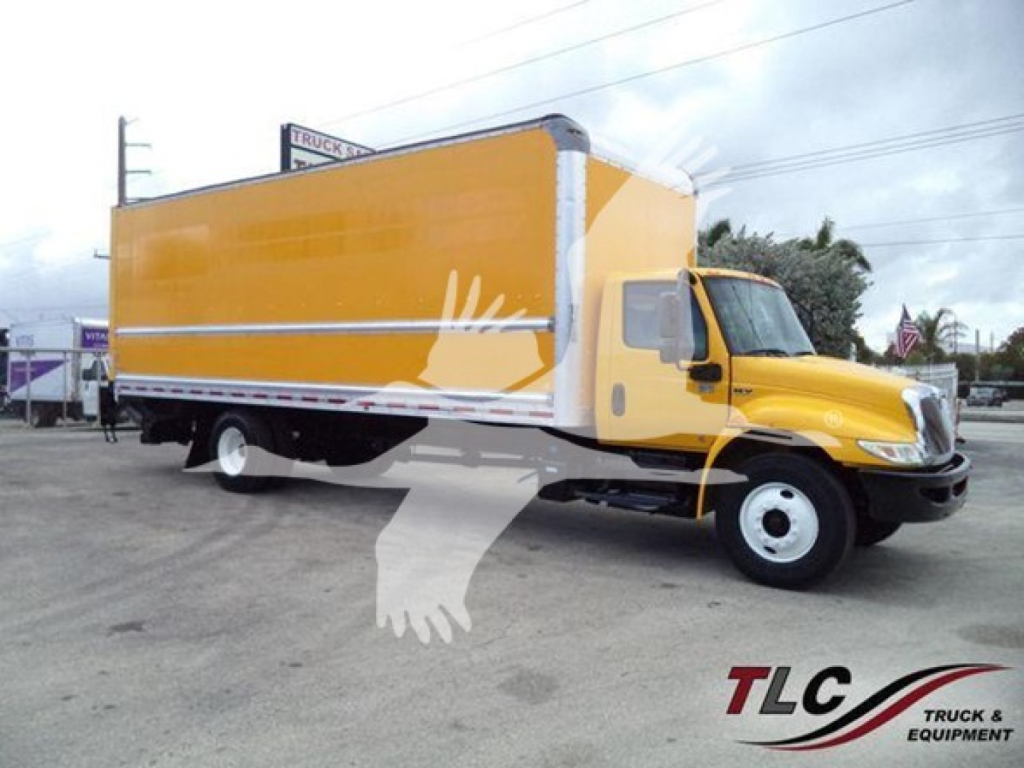
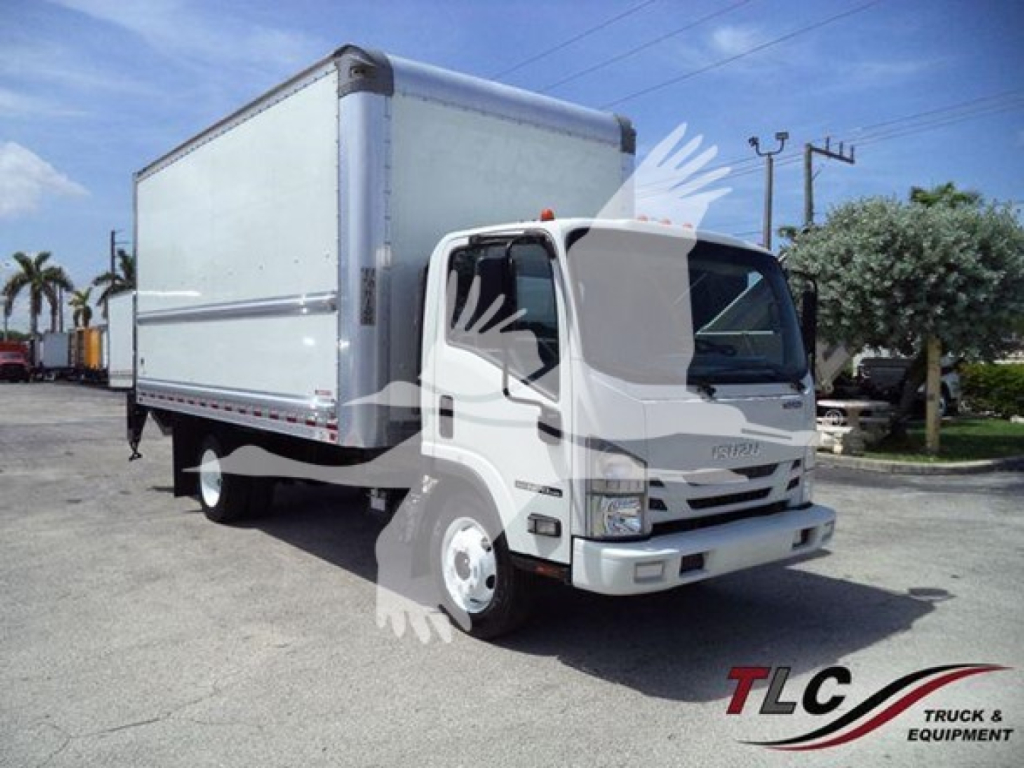
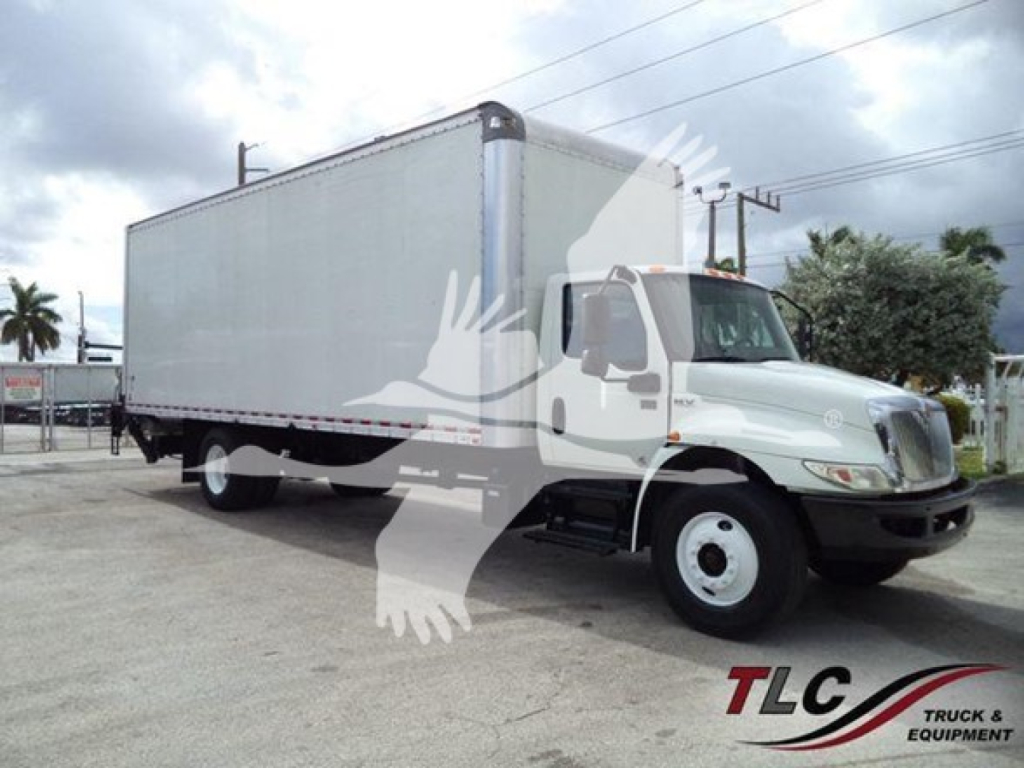
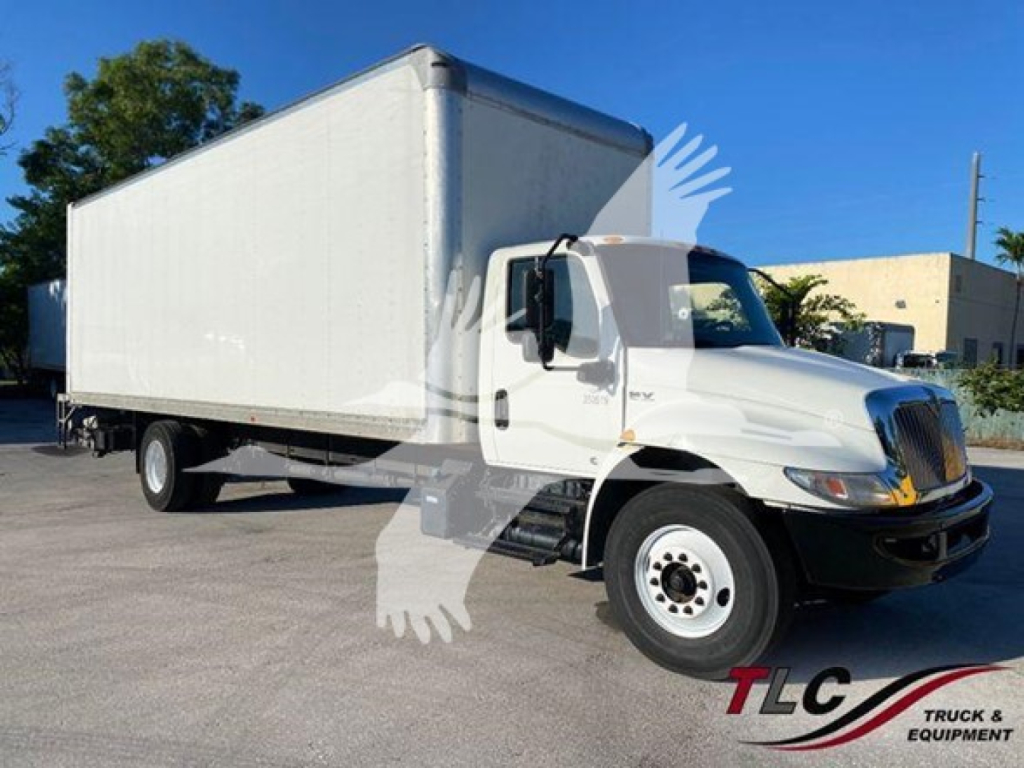
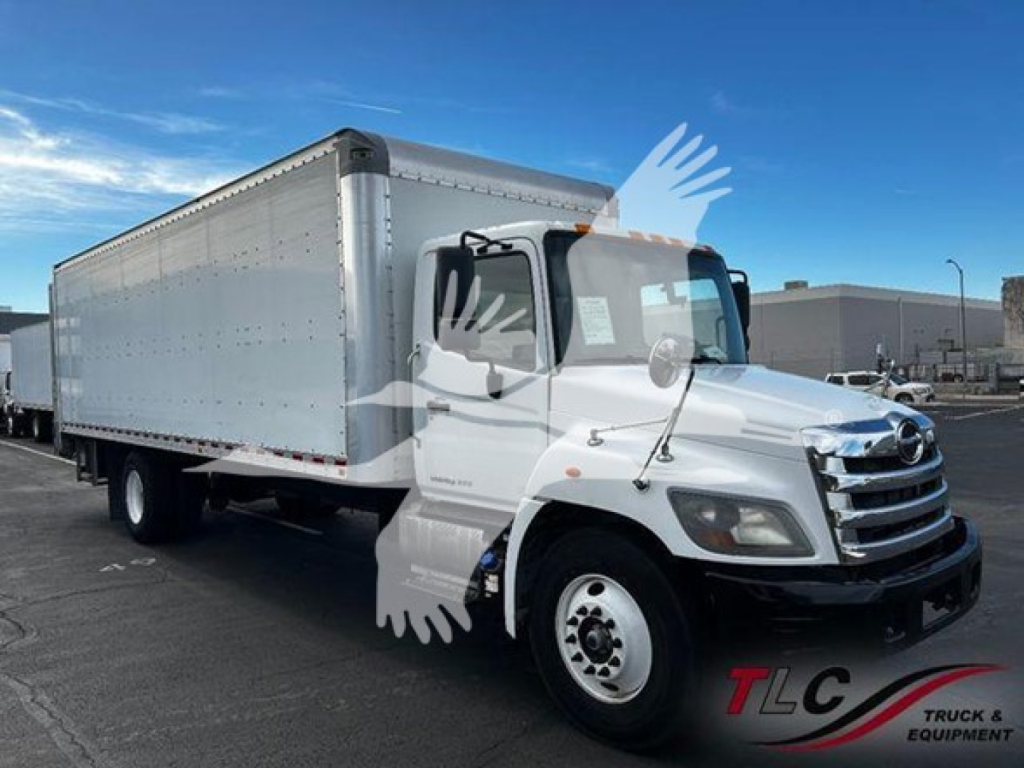
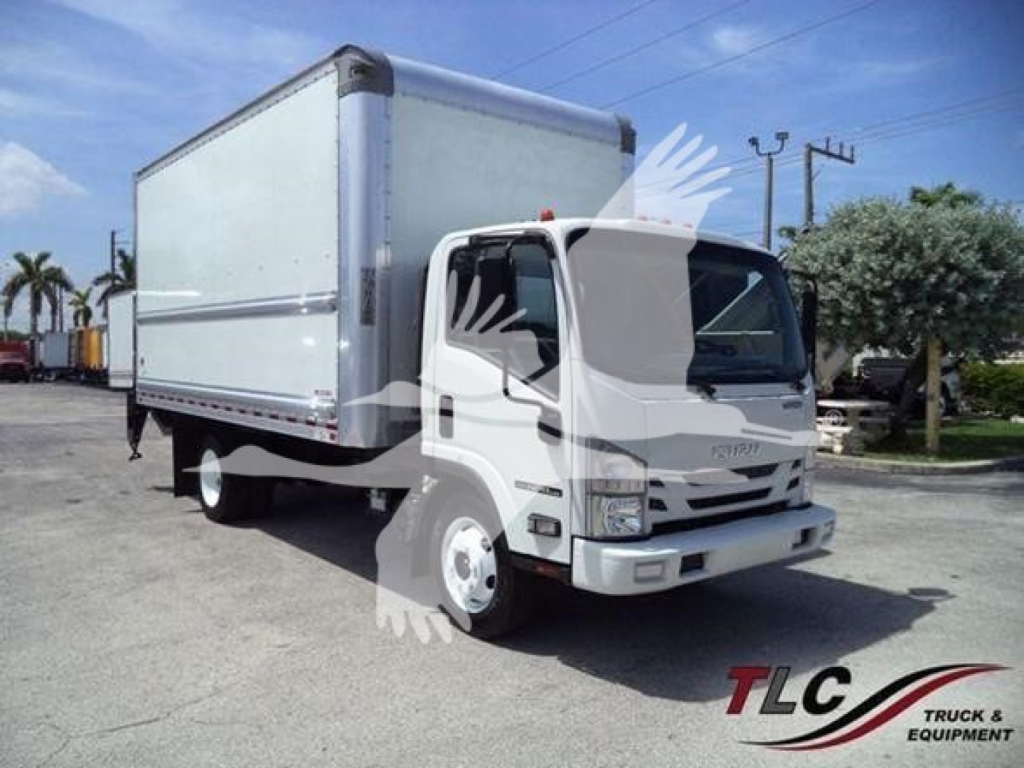
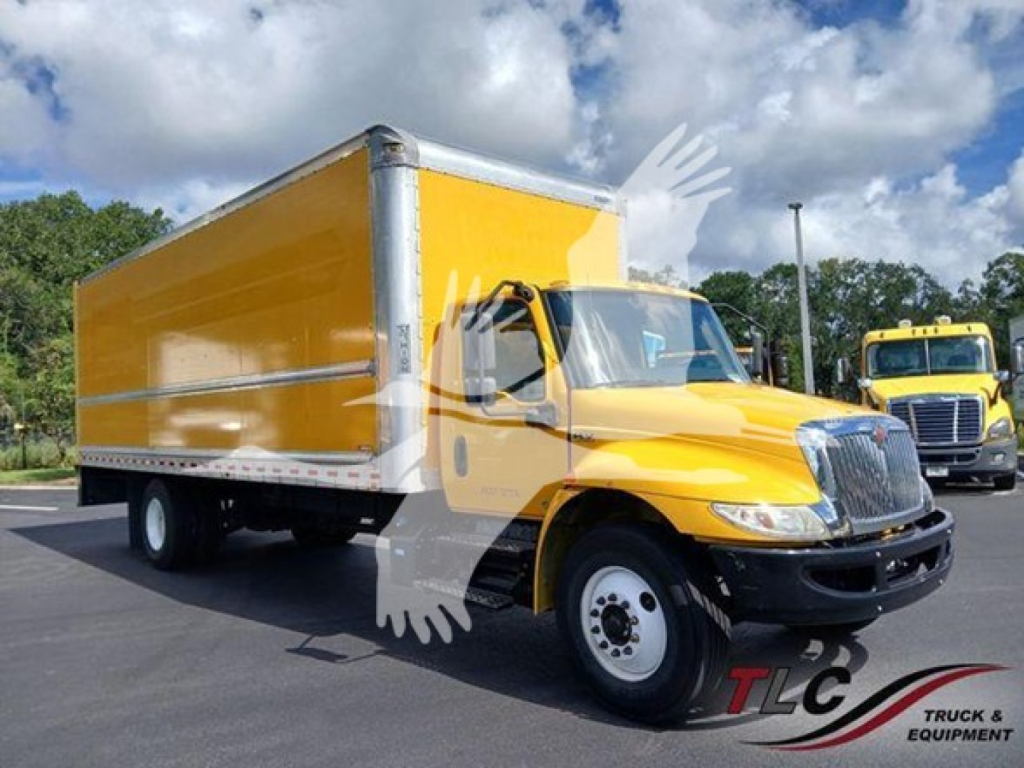
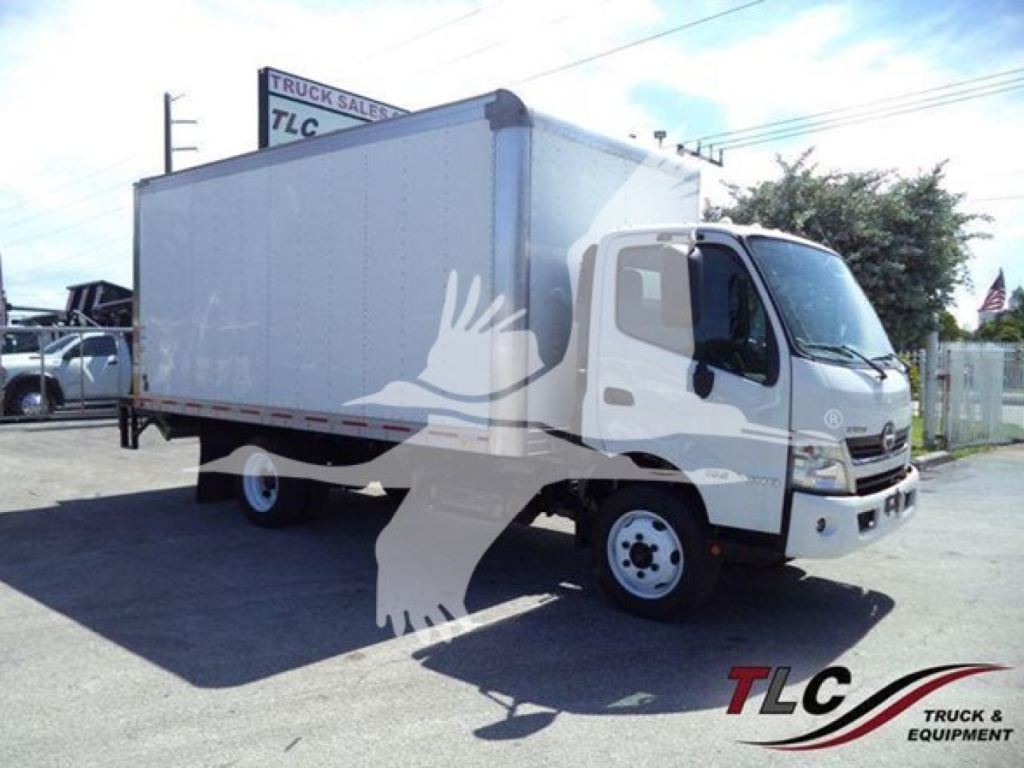
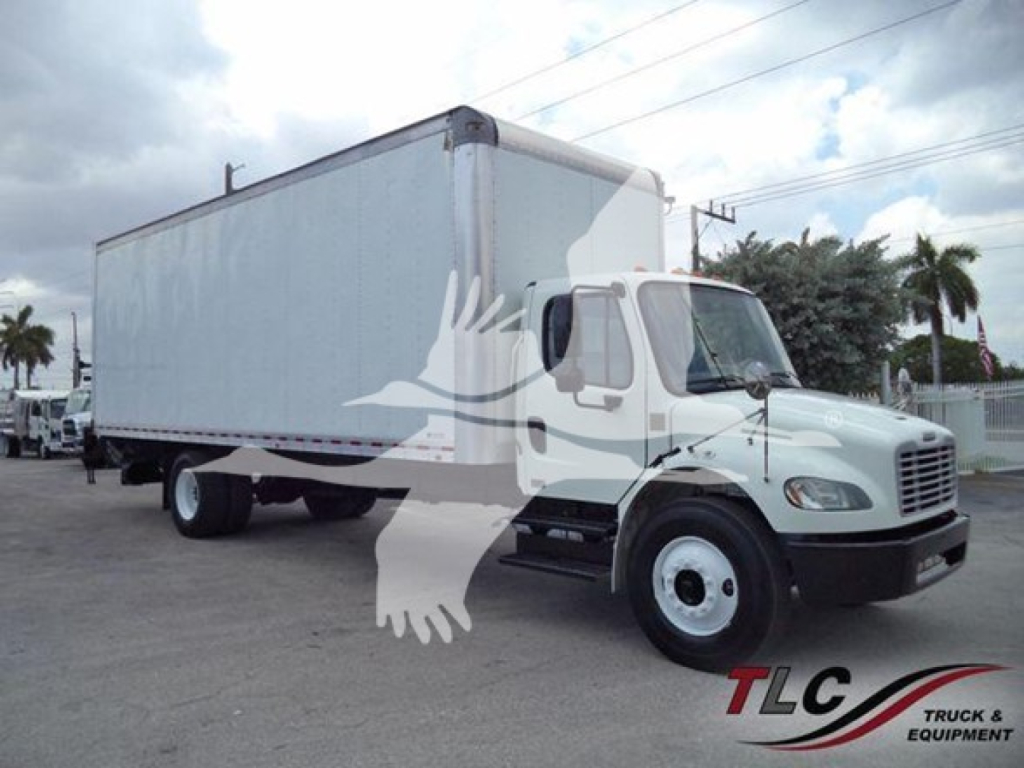
Showing 1 to 12 of 15 results
Have used 2020 box truck to sell? List it here to reach thousands of buyers.
About Used 2020 Box Trucks in Florida
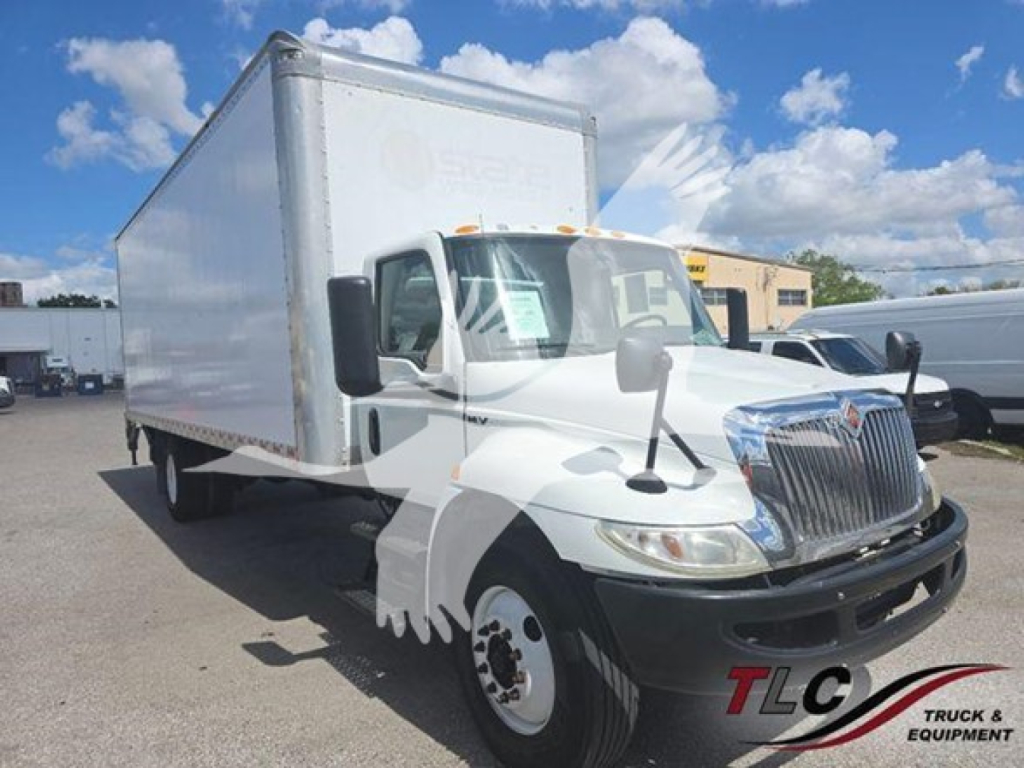
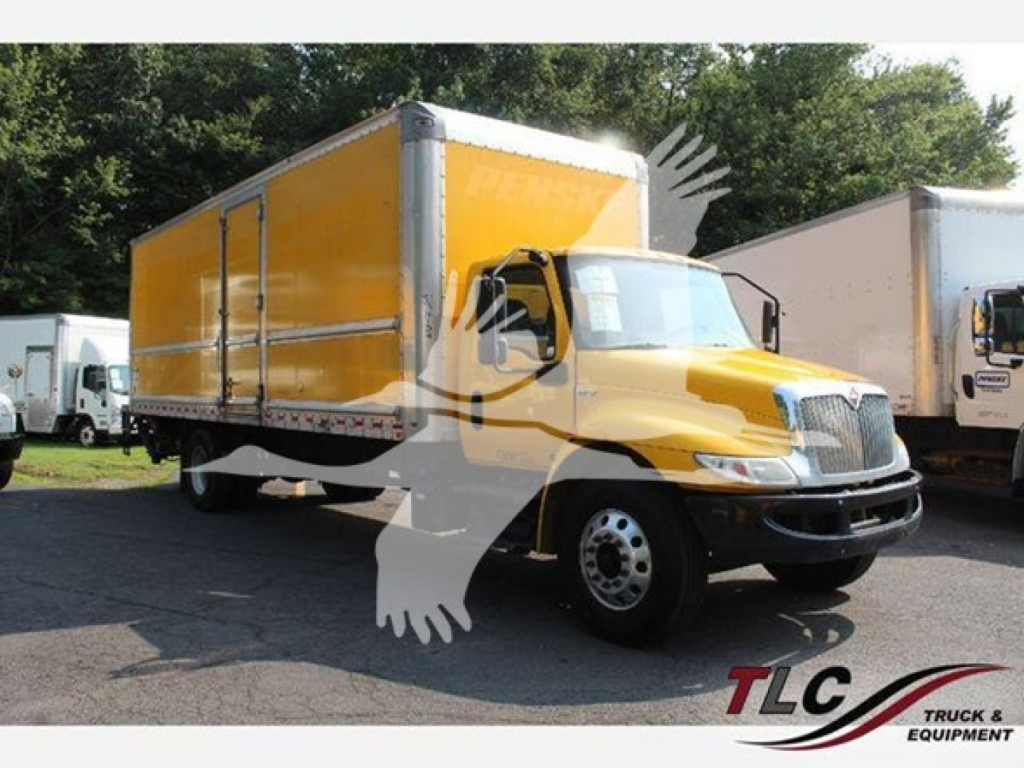
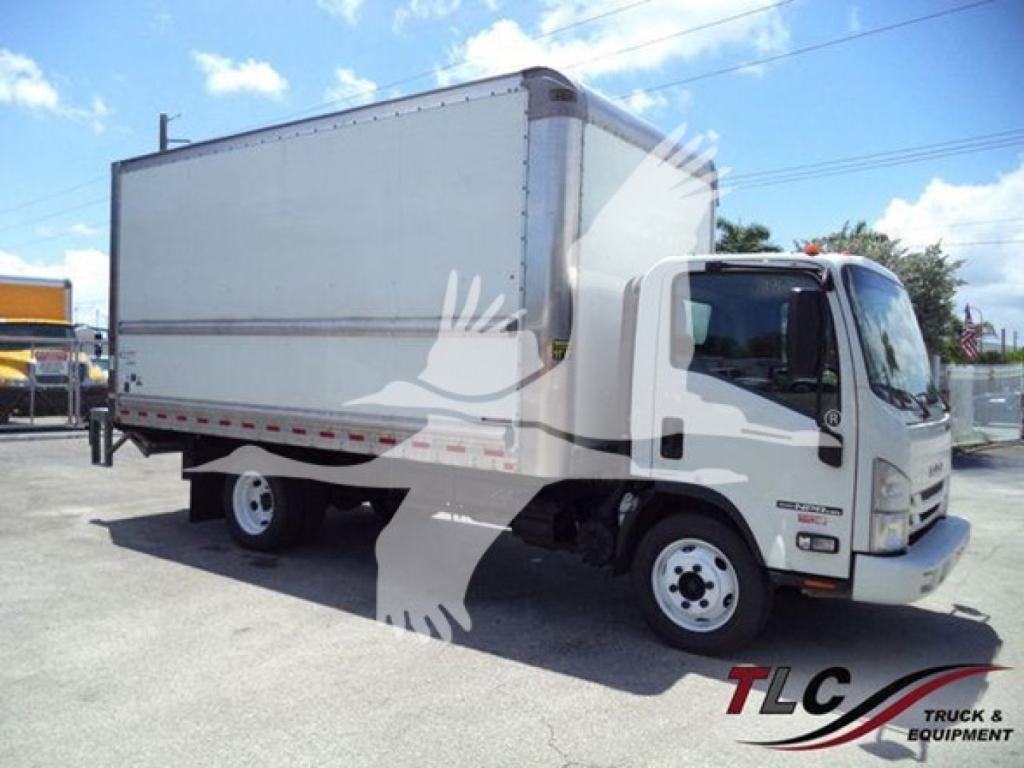
For many buyers, the real dividing line is under-CDL versus CDL spec. A 25,950 lb or 26,000 lb GVWR box truck is popular because it maximizes legal capacity without requiring a CDL in many private fleet applications, provided the operation itself does not trigger other licensing rules. Smaller gas chassis such as Isuzu NPR-HD, Ford E-Series, or similar cabover and cutaway platforms often land around 14,500 lb GVWR and are easier to maneuver in dense delivery zones. Medium-duty diesel chassis such as Freightliner M2 106 or International MV typically offer stronger torque, air brakes, heavier front and rear axle ratings, and better long-term suitability for 26 ft bodies, liftgates, and high-stop route work.
On a 2020 model, buyers should pay close attention to the upfit, not just the cab and drivetrain. A good box truck body should be evaluated for inside dimensions, door opening height, scuff liners, E-track placement, roof condition, floor wear, and corrosion around the rear frame and liftgate mounts. Roll-up rear doors remain the standard for dock work, while side doors can improve route efficiency for hand unloads. Liftgates are a major value point in this category, with 2,500 lb to 3,500 lb tuck-under units being common. If the truck is refrigerated, the reefer hours, insulation condition, bulkhead layout, and unit service history matter as much as engine mileage.
Florida buyers should also inspect for heat, humidity, and coastal corrosion effects. Check cab A/C performance, door seals, cargo box leaks, oxidized wiring, and rust at body fasteners, crossmembers, and liftgate components, especially on trucks that have worked near the coast or in food service. Gas engines can make sense for lower annual miles and simpler maintenance, while diesel power is usually preferred for heavier bodies, sustained payload, and longer route cycles. The best used 2020 box truck is the one matched to the job: correct box length, enough payload after body and liftgate weight, brake type that fits your fleet, and a cargo body spec that supports the freight you handle every day.
Frequently Asked Questions
What is the best box length for a used 2020 box truck?
The best box length depends on the freight, stop density, and where the truck operates. A 16 ft or 18 ft box truck is easier to park and turn in urban delivery work, while a 24 ft to 26 ft body gives better cubic capacity for furniture, parcel, and moving applications. Buyers should compare usable interior dimensions, not just advertised body length, and account for liftgate intrusion, wheel well placement, and any bulkhead or shelving that reduces cargo space.
Is a 26,000 GVWR 2020 box truck considered non-CDL?
In many applications, a box truck rated at 26,000 lb GVWR or 25,950 lb GVWR can be operated without a CDL, but the exact requirement depends on how the truck is used and the laws that apply to the driver and operation. Buyers should verify federal, state, and insurance requirements before purchase. It is also important to confirm the actual door sticker GVWR, because body upfits and model variations can put similar trucks on either side of the CDL threshold.
Should I choose a gas or diesel used 2020 box truck?
Gas box trucks are often a good fit for lighter GVWR classes, lower annual mileage, and local routes where acquisition cost and simpler service are priorities. Diesel box trucks usually deliver more torque, stronger performance under load, and better suitability for 24 ft to 26 ft bodies, air brake systems, and heavier route cycles. The right choice depends on payload, route length, idle time, technician support, and total cost of ownership rather than fuel type alone.
What should I inspect on the cargo body of a used 2020 box truck?
The cargo body deserves as much attention as the chassis. Inspect the roof for leaks or patchwork, the floor for soft spots and forklift damage, the front wall for impact stress, and the rear frame for corrosion near the roll-up door and liftgate mounts. Buyers should also check scuff liners, E-track condition, door seals, interior width and height, and signs of water intrusion that can damage freight and shorten body life.
Are liftgates worth it on a 2020 box truck?
A liftgate adds weight and maintenance cost, but it can dramatically expand the truck's usefulness for appliance delivery, route distribution, and locations without dock access. Common capacities in this class are around 2,500 lb to 3,500 lb. Buyers should verify the platform size, tuck-under clearance, cycle speed, hydraulic condition, and whether the remaining payload still matches the intended freight after the liftgate and body are factored into curb weight.