
Used 2019 Box Trucks For Sale in New Jersey
Shop used 2019 box trucks in New Jersey. Compare 16 ft to 26 ft bodies, diesel and gas options, liftgates, GVWR, and delivery-ready specs.
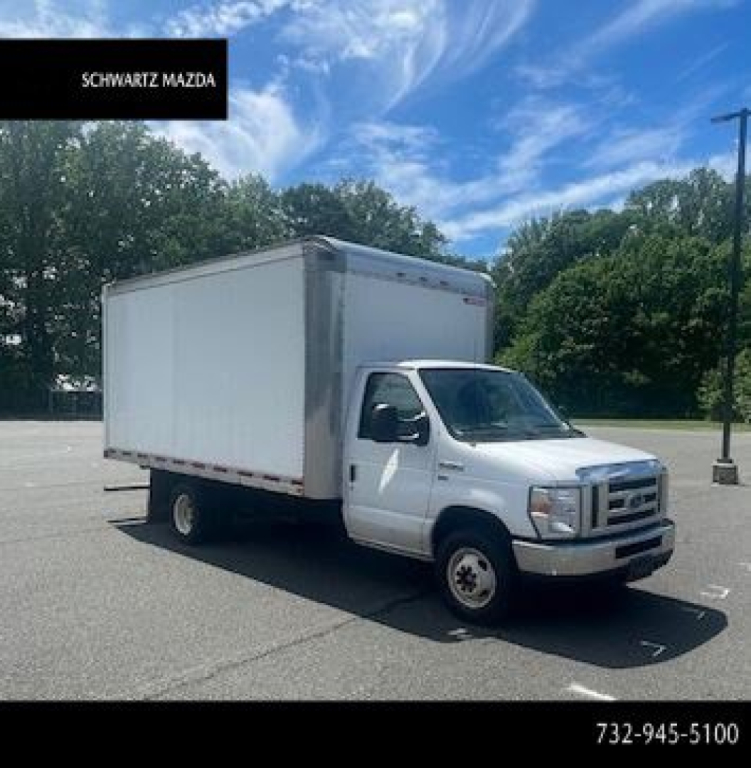
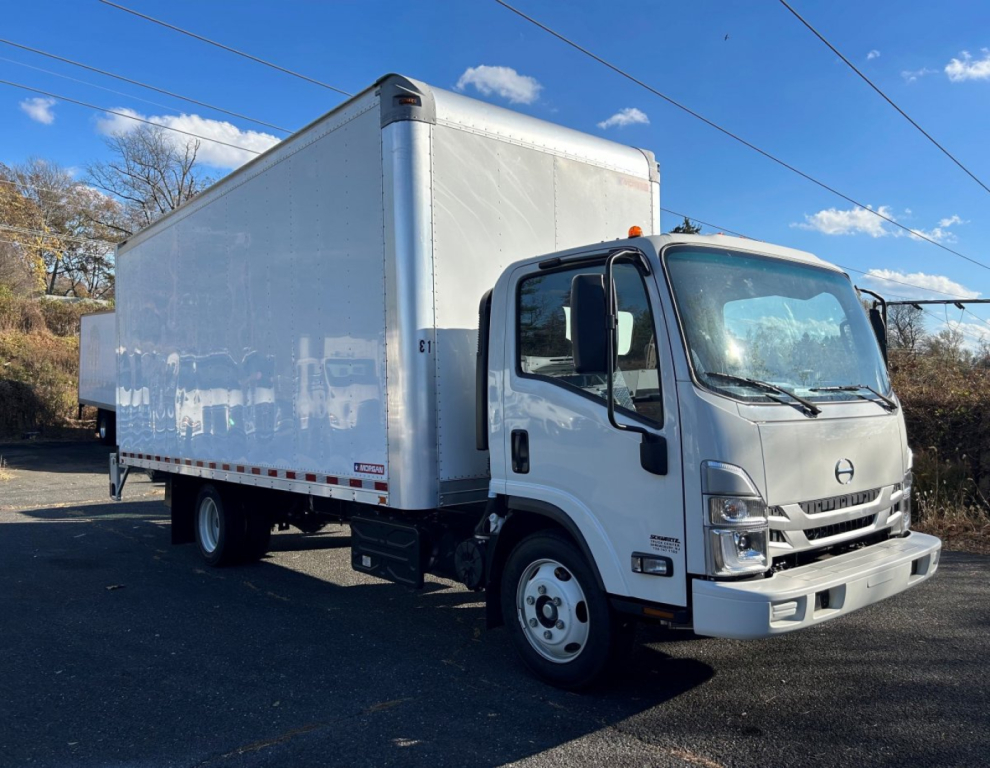
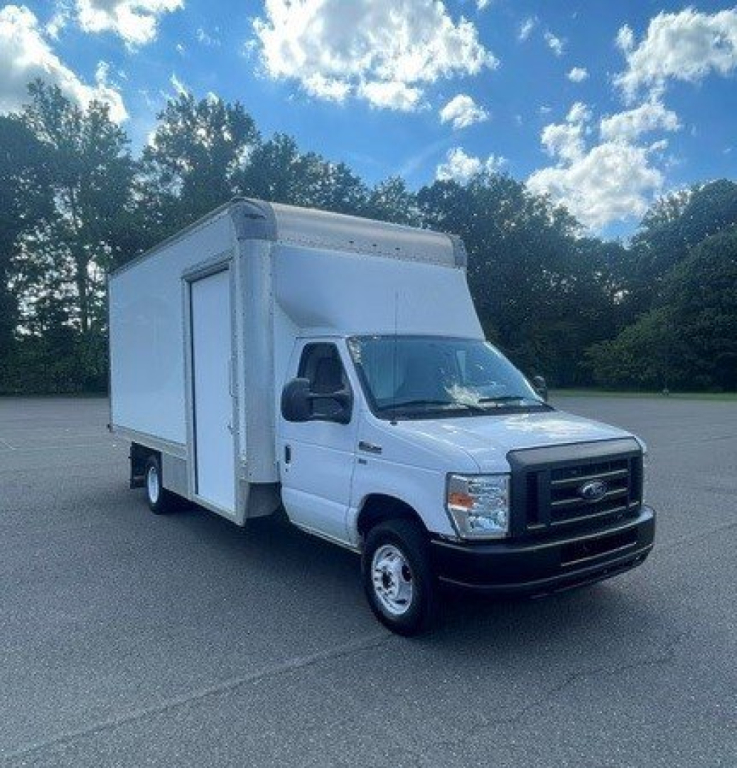

Selling a used 2019 box truck? List your used 2019 box truck for sale and reach thousands of commercial buyers.
Used 2019 Box Trucks in New Jersey
The first decision is usually body size and GVWR. A 26 foot box is common for higher cube delivery, while shorter bodies can be easier to place in tight commercial zones, alleys, and dense city routes across North Jersey. Many 2019 units fall into Class 5 through Class 7 ranges, with examples near the 25,950 to 26,000 lb GVWR mark for operators trying to maximize payload without moving into CDL territory in certain applications. Buyers should confirm actual payload after accounting for body, liftgate, fuel, driver, and any shelving or reefer equipment. Door opening height, interior body width, floor type, and body material also matter. Aluminum and fiberglass bodies can help with corrosion resistance, while hardwood or laminated floors are common in delivery service.
Powertrain choice should match route density, idle time, and average load. In 2019 box trucks, diesel medium-duty platforms such as Freightliner M2, Hino 338, and similar spec trucks are common with engines in roughly the 220 to 260 hp range and automatic transmissions like the Allison 2500 series. Air brakes and air ride suspension are often found on larger 26 foot units, while lighter trucks may use hydraulic brakes and spring suspension. For New Jersey buyers, stop-and-go traffic, bridge clearance, toll roads, and frequent backing into retail docks make visibility, turning radius, mirror package, and transmission behavior just as important as engine output. A liftgate-equipped truck can expand delivery flexibility, but buyers should inspect platform condition, cycle count, hydraulic leaks, and rated capacity.
Condition matters more than badge on a used 2019 box truck. Review service records, DOT history, tire wear, brake life, suspension bushings, driveline vibration, and signs of water intrusion in the body. On diesel units, pay attention to DPF, DEF, EGR, and regen history because urban route trucks can accumulate a lot of idle hours. Check the box separately from the chassis for roof damage, front wall repairs, scuff liner wear, rotten flooring, door seal condition, and uneven liftgate operation. A well-spec'd 2019 box truck with the right body length, axle rating, and cargo access setup can serve moving companies, parcel contractors, wholesalers, and route delivery fleets for years with lower operating risk than buying too old or too lightly built.
Frequently Asked Questions about Used 2019 Box Trucks in New Jersey
What size used 2019 box truck is best for delivery work in New Jersey?
The best size depends on route density, dock access, and payload needs. A 16 foot to 20 foot box truck is often easier to maneuver in older urban areas, tight retail lots, and residential streets, while a 24 foot to 26 foot body gives more cubic capacity for furniture, appliances, and multi-stop dry freight. In New Jersey, buyers should pay close attention to overall height, wheelbase, turning radius, and how often the truck will face low clearances, congested loading zones, and narrow back-in deliveries.
Do I need to focus more on GVWR or box length when buying a 2019 box truck?
GVWR usually matters more because it determines how much legal capacity the chassis can support, while box length mainly affects cubic volume. A long body on a lighter-rated chassis can run out of payload quickly once a liftgate, shelving, and regular route freight are added. The strongest buying approach is to match both numbers to the job by calculating actual payload, expected freight density, and any equipment weight before choosing between a 22 foot or 26 foot box.
Are diesel 2019 box trucks a good choice for stop-and-go city routes?
They can be, but the maintenance history is critical. Diesel box trucks from this model year often offer strong torque, longer medium-duty chassis life, and better performance under heavier loads, but city use with extended idle time can put stress on emissions components such as the DPF, DEF system, and EGR hardware. Buyers should review regen history, fault codes, idle hours, and repair records to confirm the truck was maintained correctly for urban service.
What should I inspect on a used 2019 box truck besides the engine and transmission?
The body and cargo access equipment deserve a full inspection because they directly affect daily usability and repair cost. Check the roof, front wall, corners, floor, roll-up door, hinges, seals, and scuff liners for impact damage, leaks, or rot. If the truck has a liftgate, inspect platform alignment, hydraulic lines, pins, controls, and cycle performance under load. Also review tires, brakes, suspension, frame condition, and any signs that the truck was overloaded or backed hard into docks.
Is a 26,000 lb GVWR box truck a smart choice for commercial fleets?
For many fleets, yes. A box truck rated around 25,950 to 26,000 lb GVWR is popular because it offers substantial body and payload capability while fitting operational needs that may avoid moving into a heavier class for some uses. That said, buyers still need to confirm licensing requirements, insurance implications, axle ratings, and actual empty weight. A truck near the 26,000 lb threshold can be an efficient spec if the freight is bulky, the route is local or regional, and the body configuration is matched correctly to the work.