
New 2025 Box Trucks For Sale in New Mexico
Shop new 2025 box trucks in New Mexico with 26-foot bodies, liftgates, Cummins diesel power, and non-CDL Class 6 options.
Learn more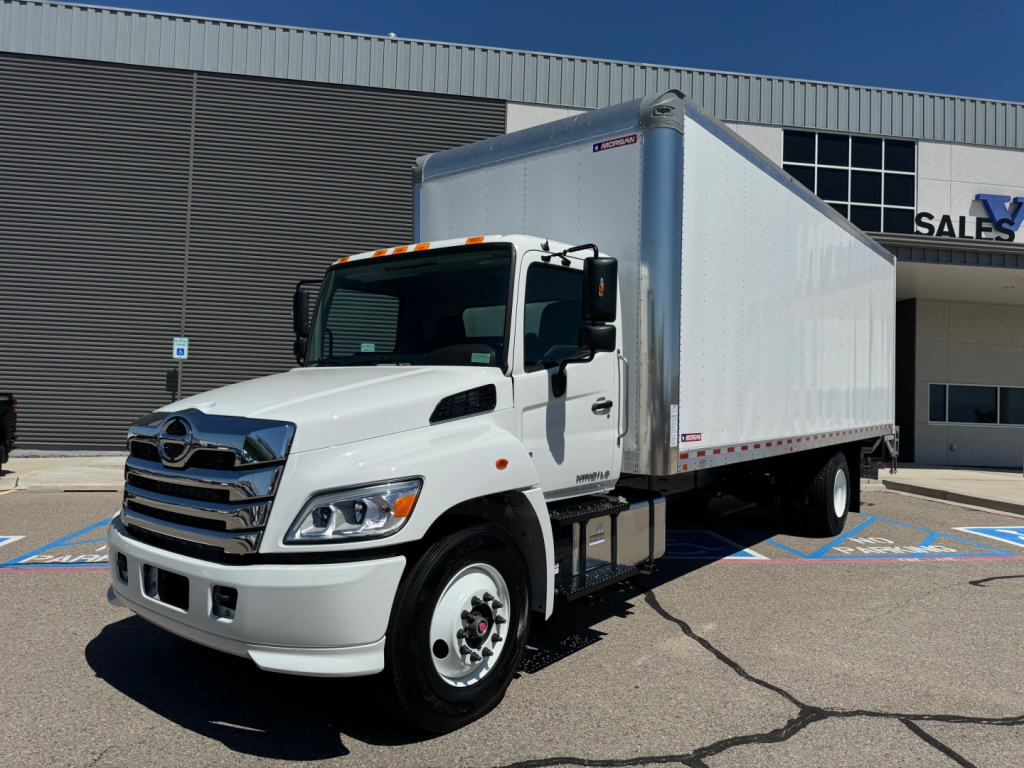
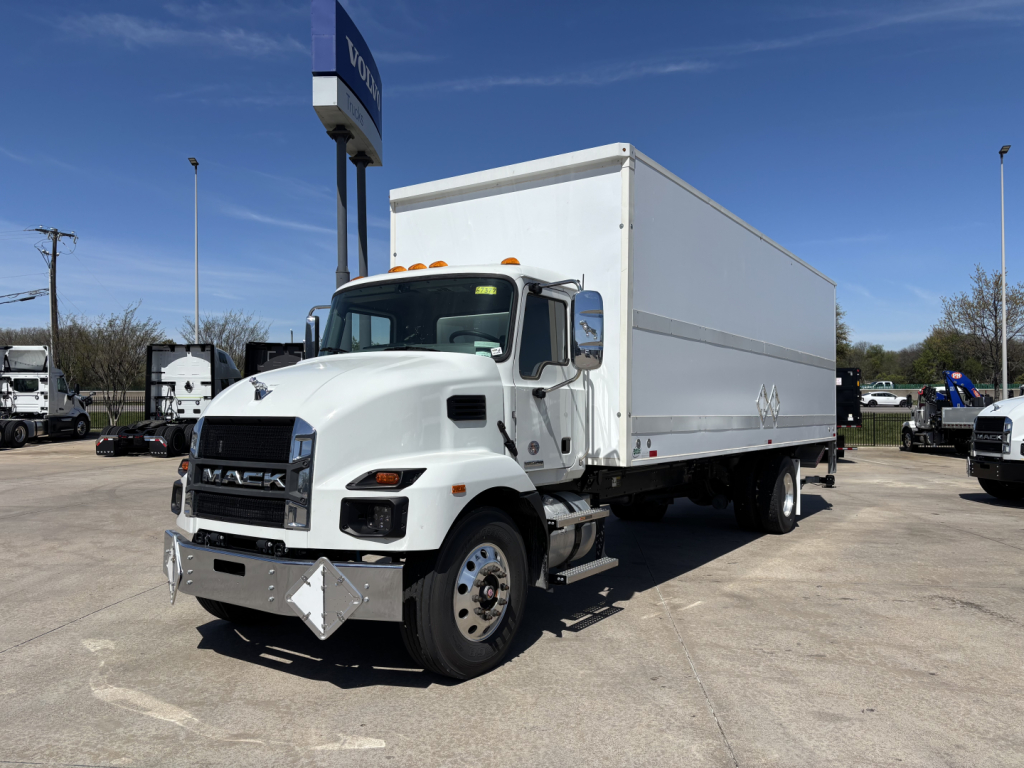
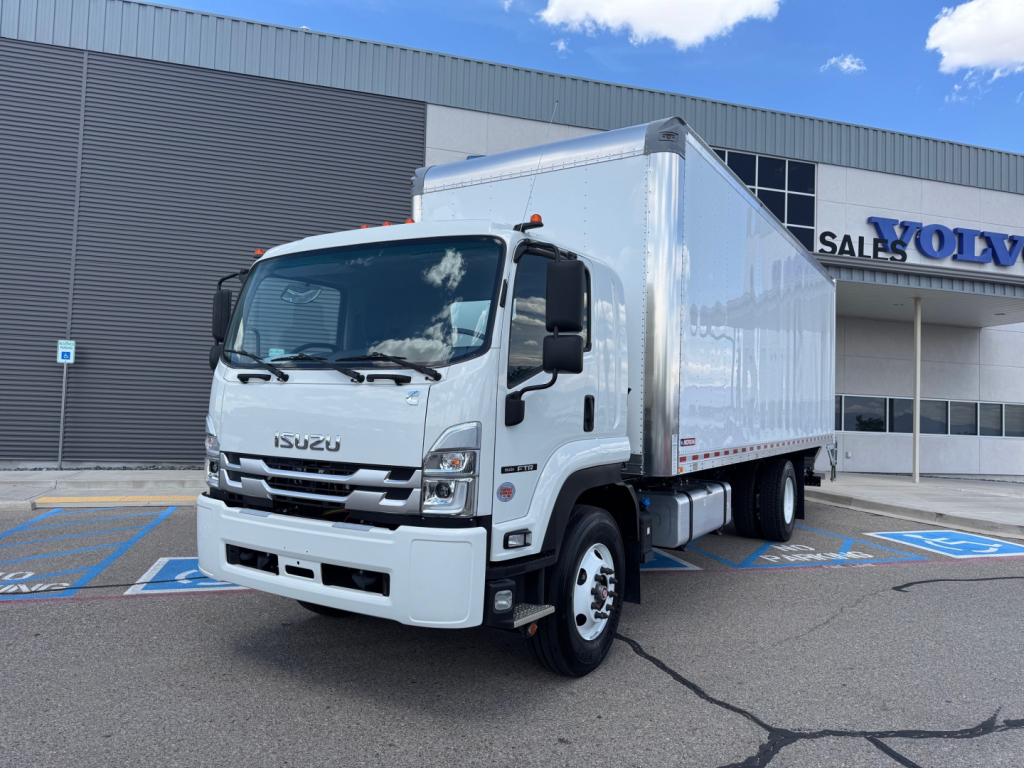
Have new 2025 box truck to sell? List it here to reach thousands of buyers.
About New 2025 Box Trucks in New Mexico
For many buyers, the first decision is CDL status. A 2025 box truck can be spec'd to stay under the 26,001-pound GVWR threshold for non-CDL operation, or it can move into Class 7 territory for more payload. That choice affects hiring, insurance, and route planning as much as it affects capacity. Common powertrains in this class include the Cummins B6.7 or ISB6.7 diesel paired with Allison automatic transmissions such as the 2200, 2500, 2550, or 3000 RDS series. Horsepower usually lands in the 260 to 300 HP range, which is well suited for urban stop-and-go work, moderate highway use, and liftgate-equipped delivery bodies.
Body spec is where one 2025 box truck separates itself from another. A typical dry van body in this category is 26 feet long, about 102 to 103 inches wide, and configured with a translucent roof, hardwood or composite floor, slat lining or scuff liners, E-track, and forklift reinforcement. Buyers handling retail freight or white-glove delivery should pay close attention to interior wall protection, tie-down layout, rear door type, and liftgate rating. Tuck-under liftgates in the 3,000-pound range are common and practical for palletized freight, while moving van bodies may lean toward cargo control and interior volume over dock equipment. Wheelbase, rear axle ratio, and suspension setup also matter because they directly affect turning radius, ride quality, and how the truck handles a full box on uneven secondary roads.
New Mexico buyers should also think about heat, elevation, and route length when comparing new 2025 box trucks. A larger fuel tank, block heater, air ride suspension, heated mirrors, and strong cooling performance can make a real difference in year-round operation. Drum brakes and leaf suspension are still common on work-focused specs, but air ride can improve cargo protection and driver comfort on longer regional runs. The best 2025 box truck is the one that matches the freight profile: non-CDL local delivery, heavier CDL payloads, moving and storage work, or route distribution with frequent liftgate stops. When the chassis, GVWR, body length, and cargo handling equipment are aligned, a box truck becomes one of the most efficient assets in a local or regional fleet.
Frequently Asked Questions
What is the difference between a box truck and a straight truck?
A box truck is a type of straight truck. The term straight truck refers to a truck with a single chassis and a permanently mounted body, unlike a tractor and trailer combination. In this category, the body is an enclosed cargo box, which is why buyers also call it a box truck, dry van truck, or cube truck. For shopping purposes, the important factors are GVWR, body length, payload, and cargo access equipment rather than the label itself.
Can a 2025 box truck be operated without a CDL?
Yes, many 2025 box trucks are built as non-CDL units if the GVWR stays at 26,000 pounds or less. That is common in Class 6 specifications and is popular for local delivery fleets because it broadens the driver pool. Once the truck is rated at 26,001 pounds GVWR or higher, a CDL is generally required. Buyers should confirm the exact GVWR on the door sticker and consider how body length, liftgate weight, and cargo needs affect legal payload.
What body features matter most on a new box truck?
The most important body features depend on the freight, but common priority items include body length, interior height, floor construction, scuff protection, E-track placement, rear door style, and liftgate capacity. Forklift reinforcement is valuable if the truck will be loaded from the side or rear with powered equipment. Slat lining, scuff boards, and apitong or other durable flooring materials help the body hold up in delivery service. A translucent roof can improve visibility inside the box during daytime loading.
What engine and transmission setup is typical in a 2025 box truck?
Most medium-duty 2025 box trucks use a diesel engine in the Cummins B6.7 or ISB6.7 class paired with an Allison automatic transmission. Horsepower commonly ranges from 260 to 300 HP, which is a strong fit for urban delivery, regional freight, and liftgate work. Allison RDS transmissions are widely used because they are proven in medium-duty vocational service and work well in frequent stop-and-go driving. The right combination depends on total GVWR, terrain, and how often the truck runs loaded at highway speed.
Is a 26-foot box truck the right size for regional delivery in New Mexico?
A 26-foot box truck is a common and practical size for regional delivery because it offers strong cargo volume without moving into trailer-based operations. It is well suited for furniture, appliances, parcel work, moving, and palletized dry freight. In New Mexico, buyers should consider wheelbase, turning radius, fuel capacity, and suspension because routes may include a mix of city streets, open highway, and rougher secondary roads. A 26-foot body works best when the payload and cube requirements justify the longer chassis.