
2006 International Box Trucks For Sale
Shop 2006 International box trucks with DT466 power, medium-duty GVWR options, and dry freight bodies for delivery, moving, and route work.
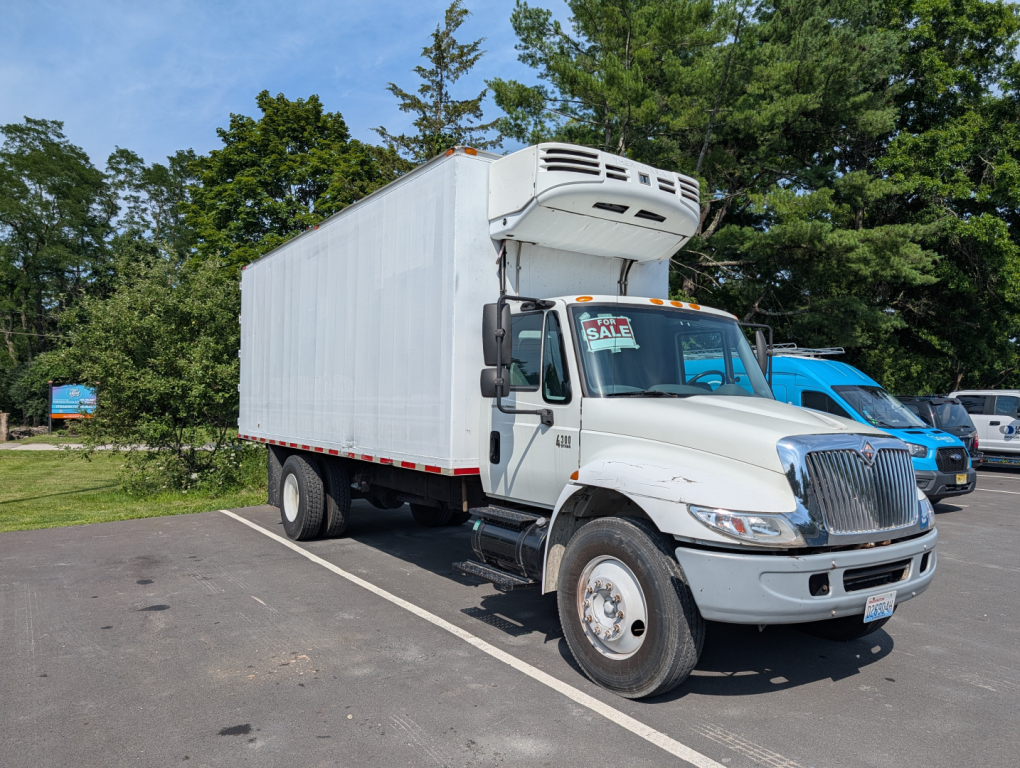
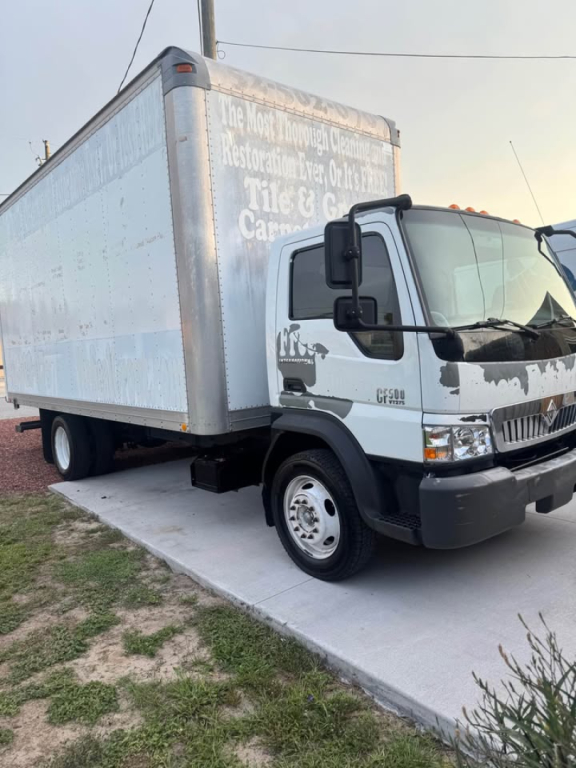
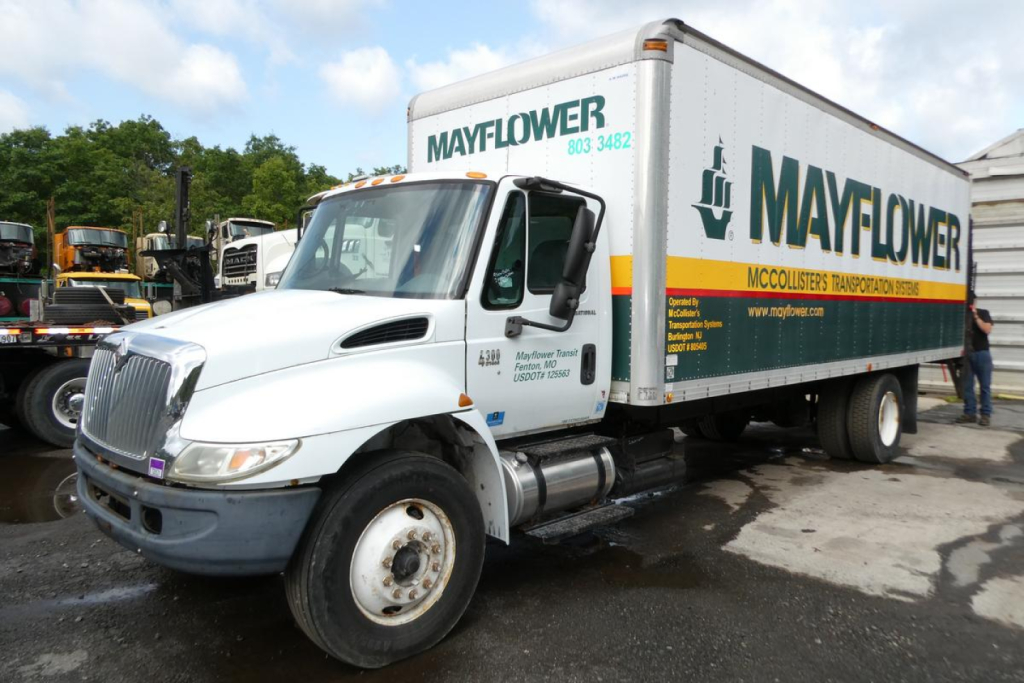
Selling a 2006 international box truck? List your 2006 international box truck for sale and reach thousands of commercial buyers.
2006 International Box Trucks
Engine and drivetrain matter more on a 2006 truck than on newer emissions-era units. Many International box trucks from this period were equipped with the DT466, DT466E, or other medium-duty diesel options known for serviceability and broad parts support. Transmission choices often include Fuller or Eaton manual gearboxes and Allison automatics, with rear axle ratios selected for city work, limited highway duty, or a mix of both. Air brakes versus hydraulic brakes is another important dividing line. Air brakes generally appeal to fleets standardizing driver training and maintenance, while hydraulic brake trucks can fit lighter local applications. Suspension can be spring or air ride, and that choice affects ride quality, cargo protection, and driver comfort on dense route schedules.
Body spec deserves a close look because two trucks with the same cab and engine can perform very differently. Common body builders include Morgan, Supreme, and other dry freight manufacturers, with roll-up rear doors, wood or wood-over-steel floors, translucent roofs, and optional E-track or scuff liners. Liftgates and pull-out ramps are major value points if the truck will handle palletized freight, appliances, or residential deliveries without dock support. Check interior width and height, rear door opening dimensions, cab-to-axle measurement, and wheelbase to confirm the box is properly matched to the chassis and your loading environment. A 24-foot to 26-foot body maximizes cube, but a shorter wheelbase truck can be easier to maneuver in urban alleys, tight yards, and older commercial districts.
Condition evaluation on a 2006 International box truck should focus on the full package, not just miles. Pay attention to engine cold-start behavior, injector or turbo history, transmission shift quality, brake type and condition, frame corrosion, front-end wear, and evidence of hard stop-and-go fleet use. On the box side, inspect the floor, roof seams, corner caps, door tracks, and signs of water intrusion. If the truck has a liftgate, verify capacity, cycle operation, platform condition, and parts support. A well-spec'd 2006 International box truck can still be a cost-effective choice for regional delivery, furniture hauling, contractor support, or mobile business use, especially when the chassis, body, and weight rating match the route instead of simply maximizing box size.
Frequently Asked Questions about 2006 International Box Trucks
What engine is common in a 2006 International box truck?
A common engine in a 2006 International box truck is the DT466 or DT466E, especially in the 4300 series. These engines are well known in medium-duty service for durability, rebuildability, and broad technician familiarity. Actual horsepower ratings and drivetrain pairings vary by original fleet spec, so buyers should confirm the exact engine tag, transmission model, and service history on any truck they are considering.
Is a 2006 International box truck typically under CDL?
Many 2006 International box trucks were built at or near 25,999 pounds GVWR, which makes them attractive for non-CDL operations in many use cases. That said, not every truck from this year is under the CDL threshold. Buyers need to verify the door sticker, registration class, and actual body configuration because liftgates, longer bodies, and heavier axle specs can push a truck into a higher weight class.
What box length is most common on a 2006 International 4300?
The most common box lengths are usually 22 feet, 24 feet, and 26 feet, depending on wheelbase and intended use. A 26-foot body offers strong cubic capacity for moving and route freight, while a 22-foot or 24-foot box may be easier to maneuver in urban delivery work. The right choice depends on payload, turning radius needs, loading dock access, and how often the truck will be used in tight areas.
What should I inspect on an older International box truck body?
Focus on floor condition, crossmembers, roof seams, front wall integrity, rear roll-up door operation, and any signs of leak damage inside the box. Scuff liners, E-track, and liftgates should also be inspected for structural wear and proper operation. Body repairs can be expensive and can affect cargo protection, so a sound box is just as important as a sound engine and transmission.
Are air brakes or hydraulic brakes better on a 2006 box truck?
Neither is automatically better because the best choice depends on the job and the fleet. Air brakes are common on heavier medium-duty specs and can align well with fleets that already maintain air brake equipment. Hydraulic brakes can be appropriate for lighter local delivery applications and may feel more familiar to some operators. The decision should come down to GVWR, maintenance capability, driver qualification, and the truck's intended route profile.