
Freightliner Box Trucks For Sale
Browse Freightliner box trucks with common specs, body sizes, liftgate options, GVWR classes, and delivery-ready features for commercial use.
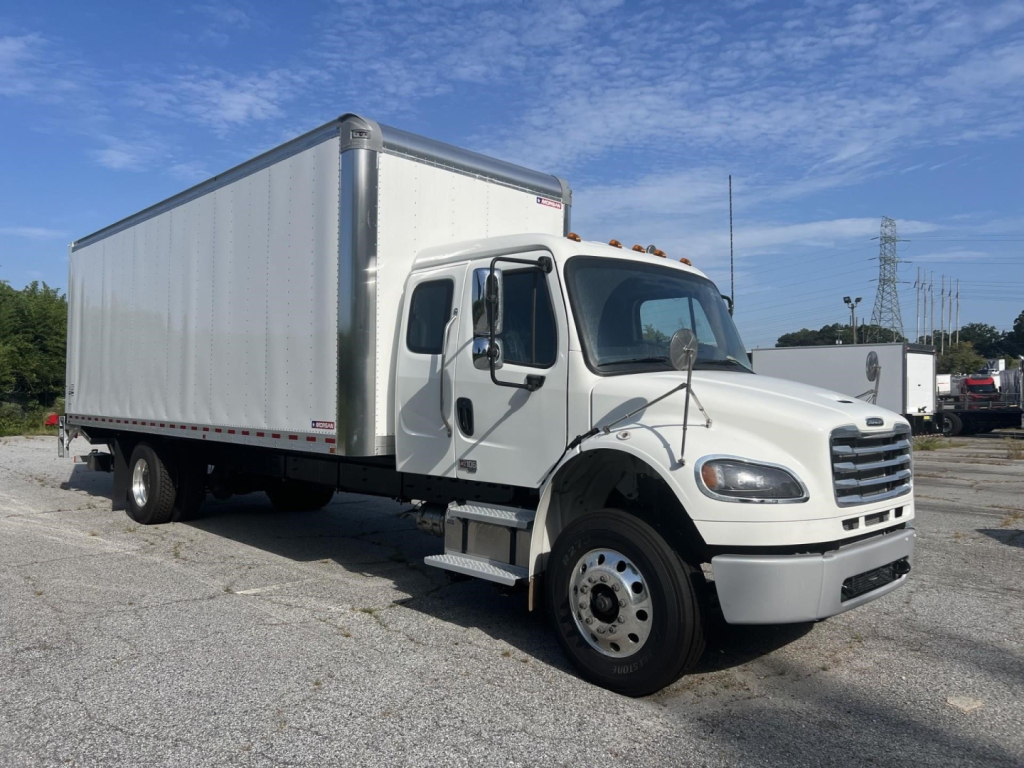
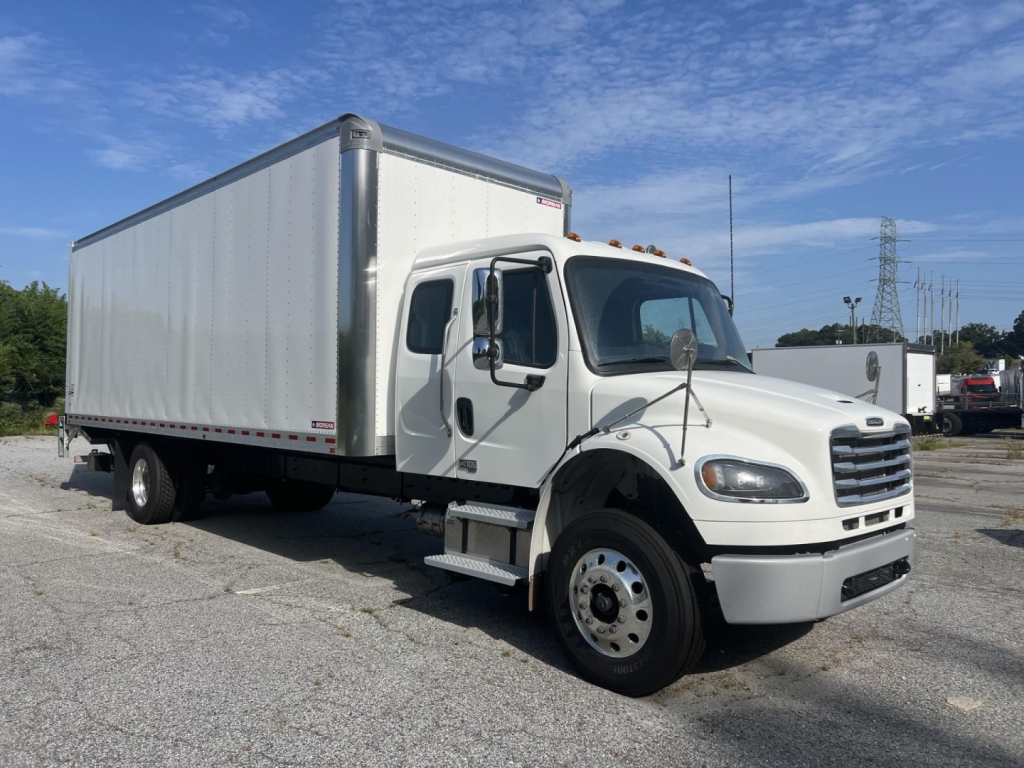
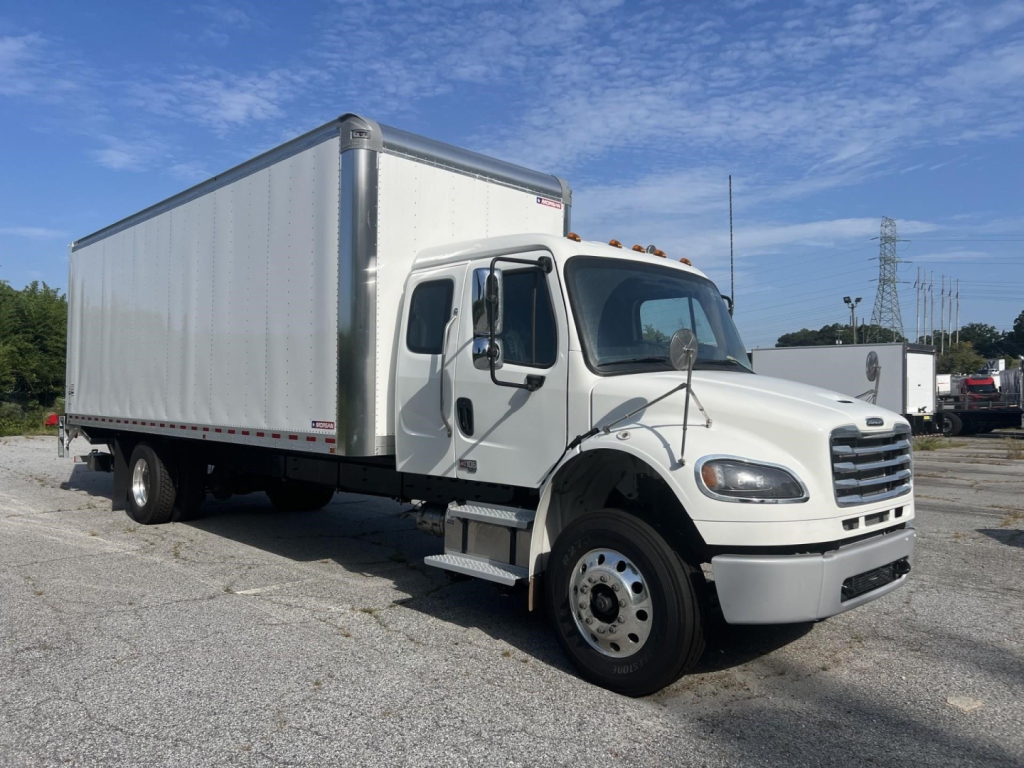
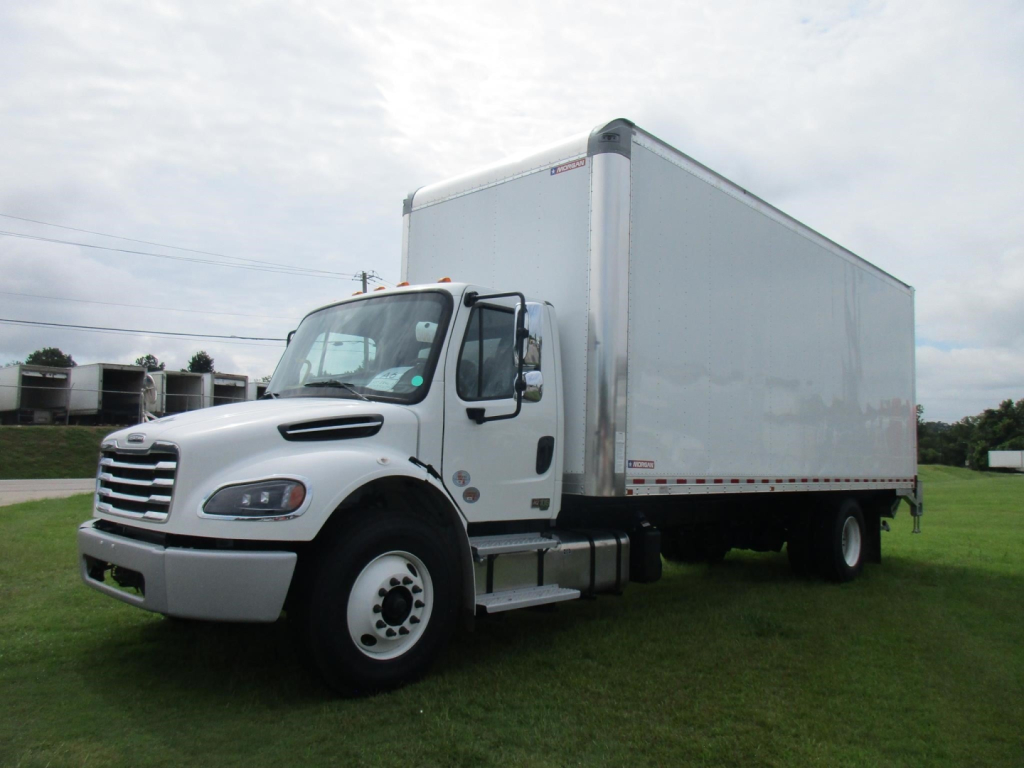
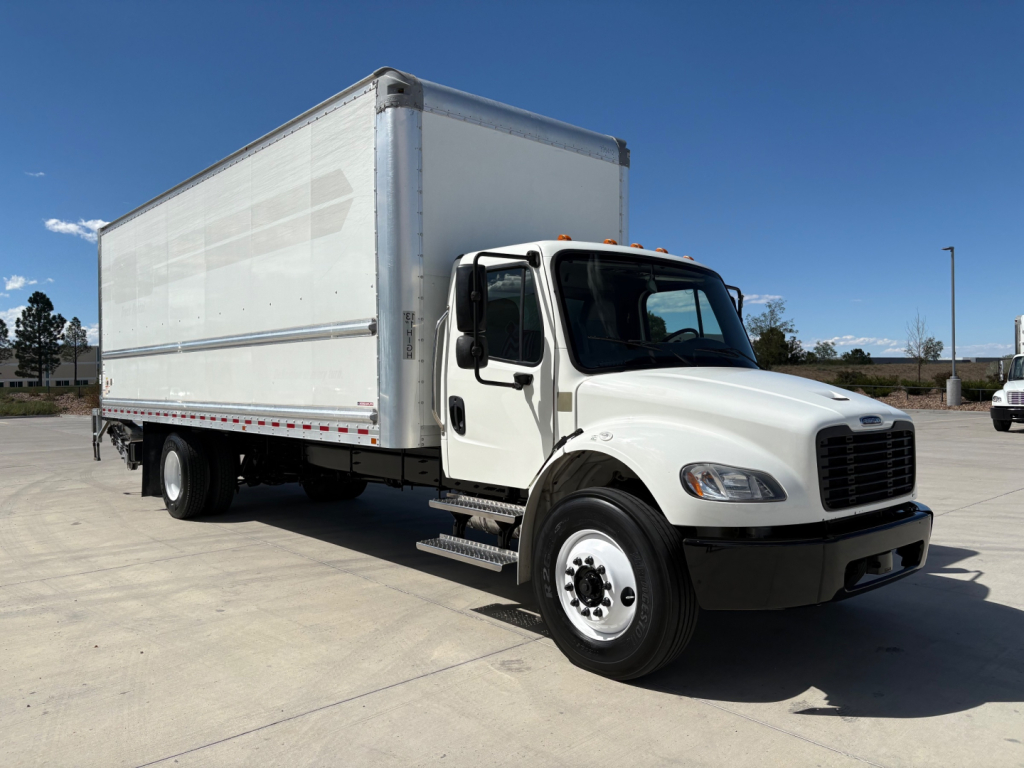
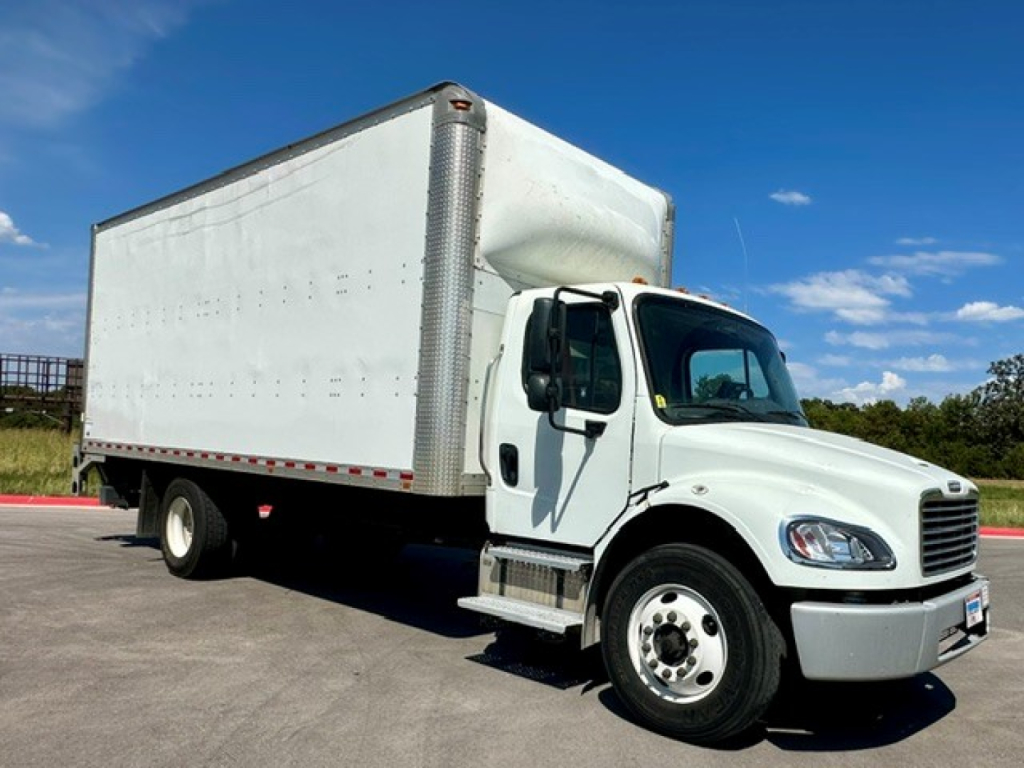
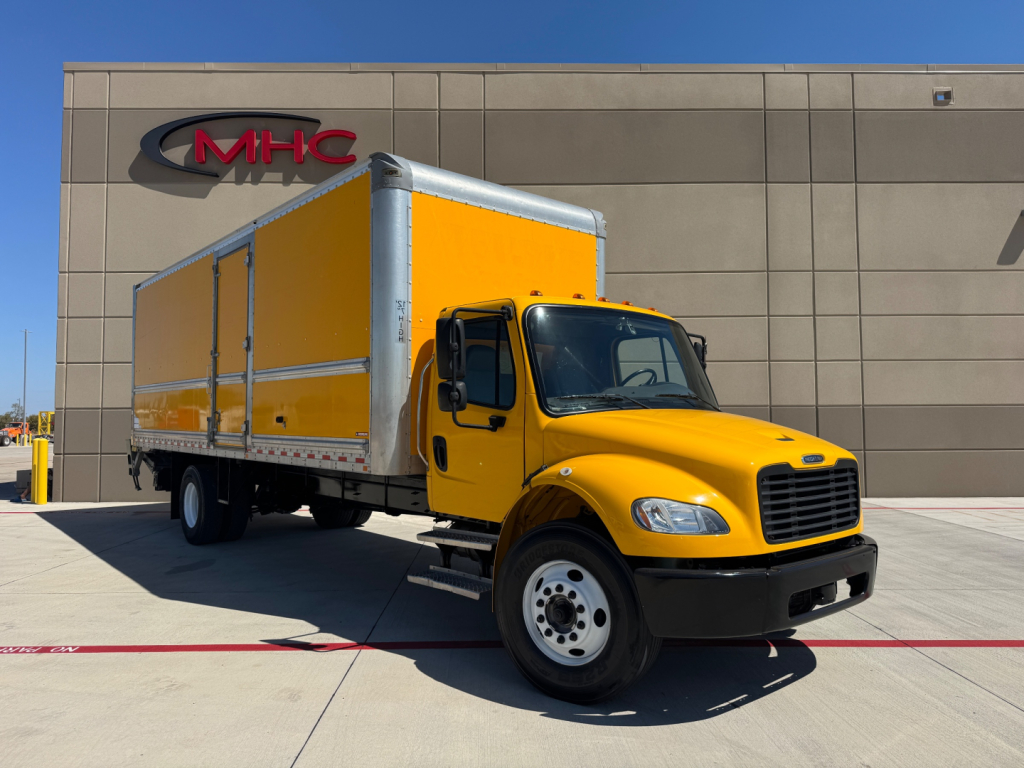
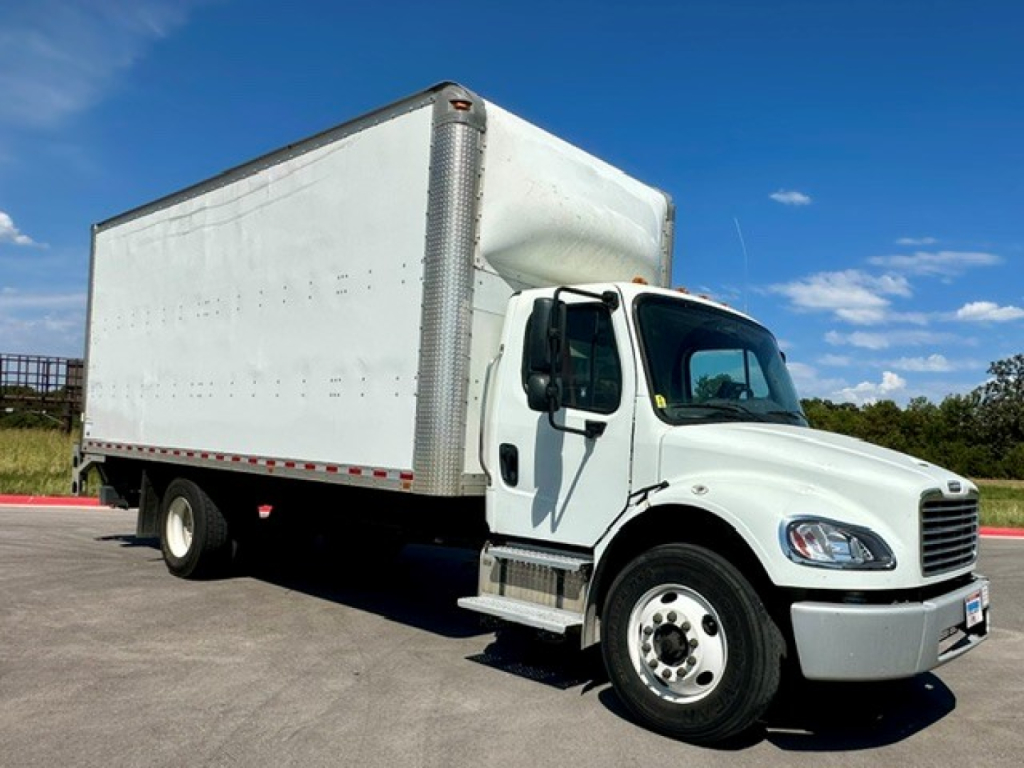
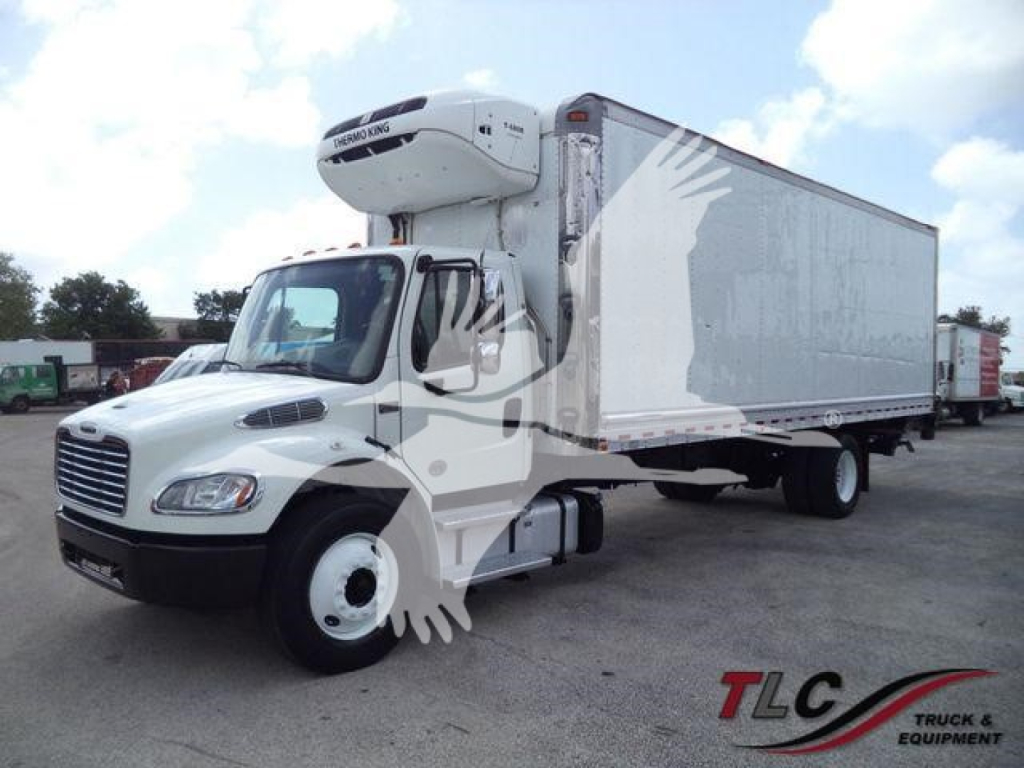
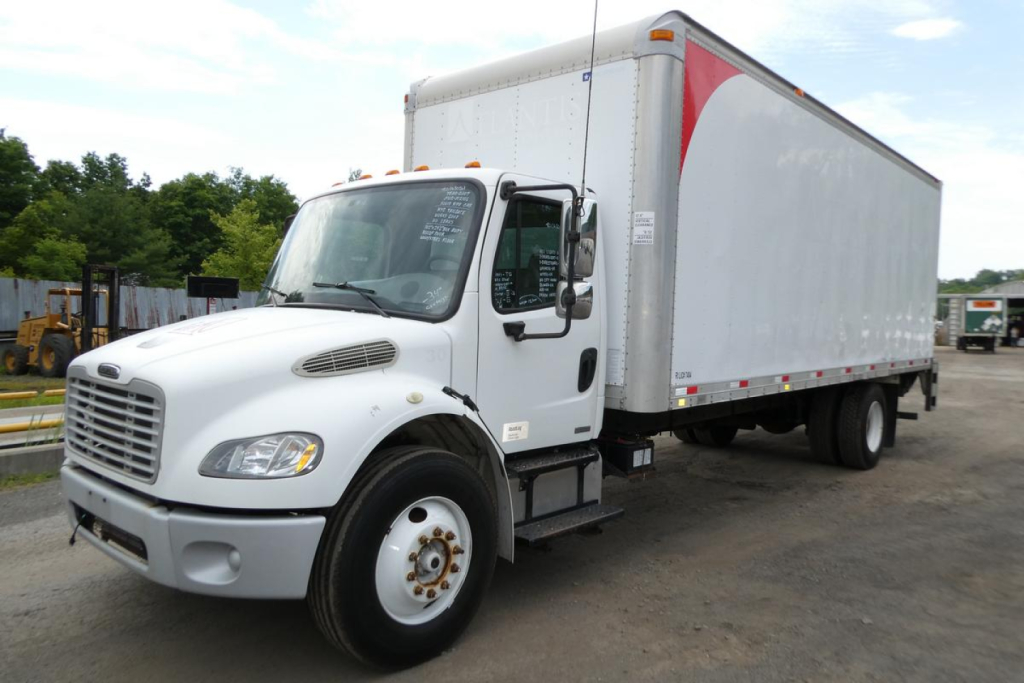
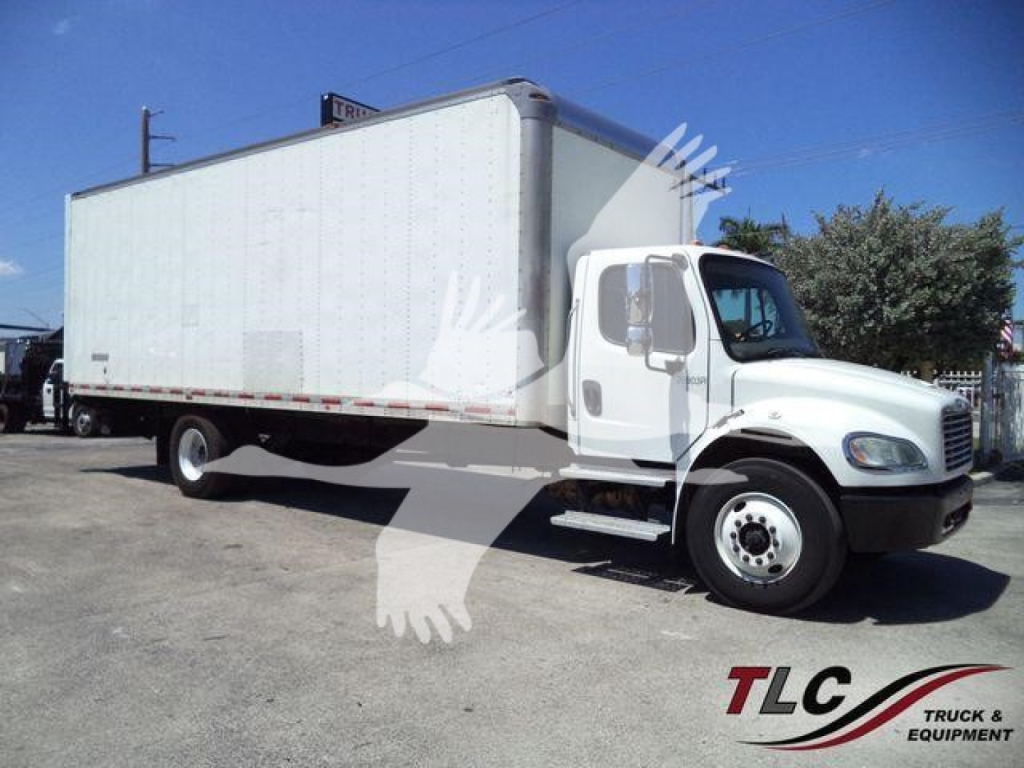
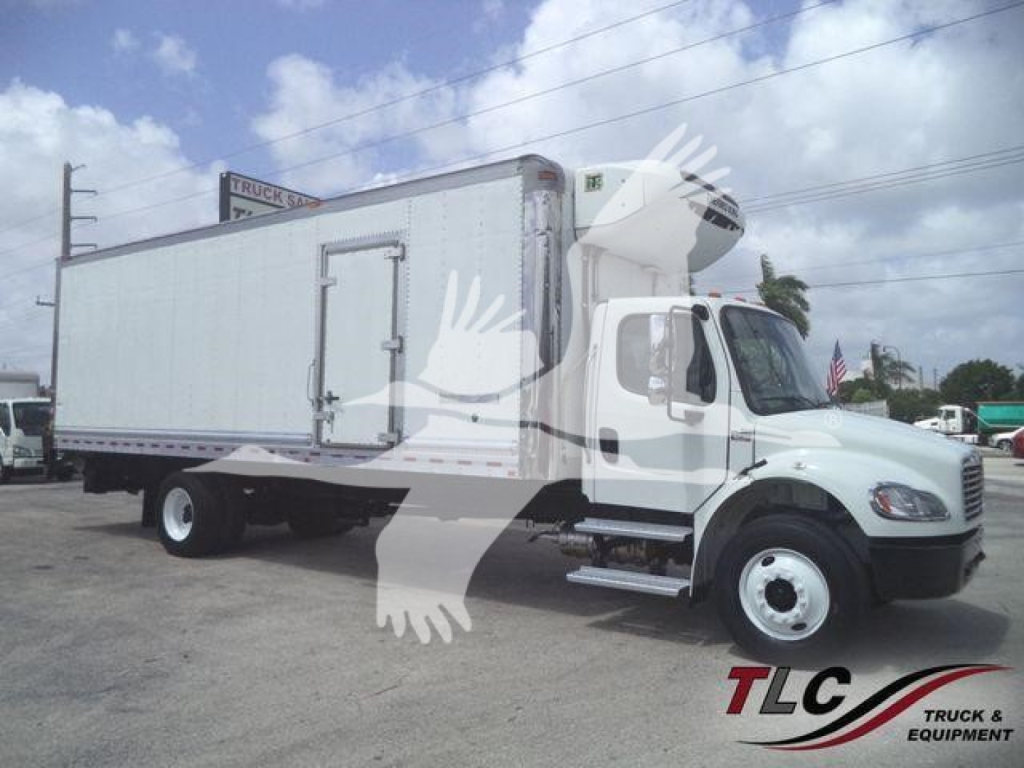
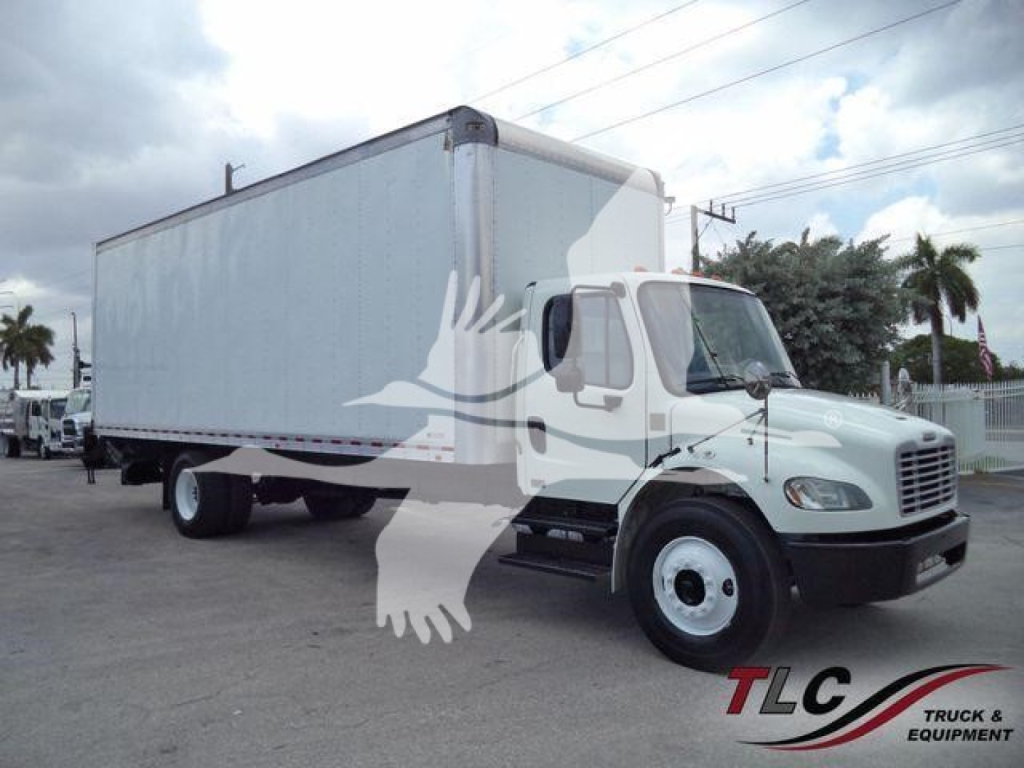
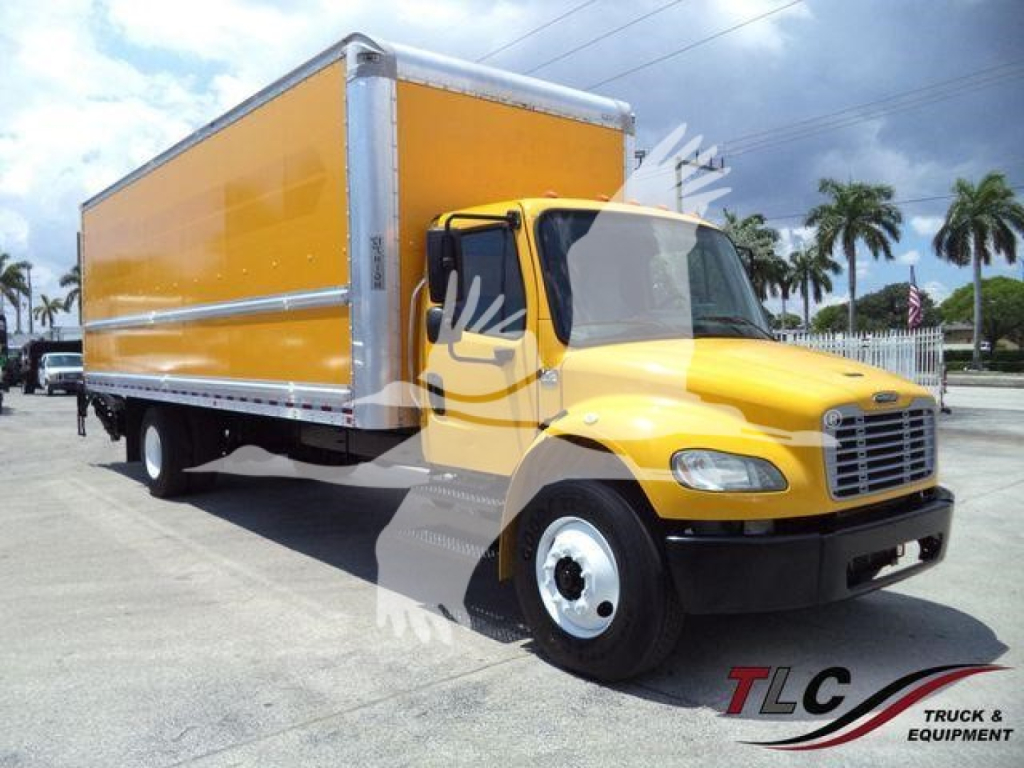
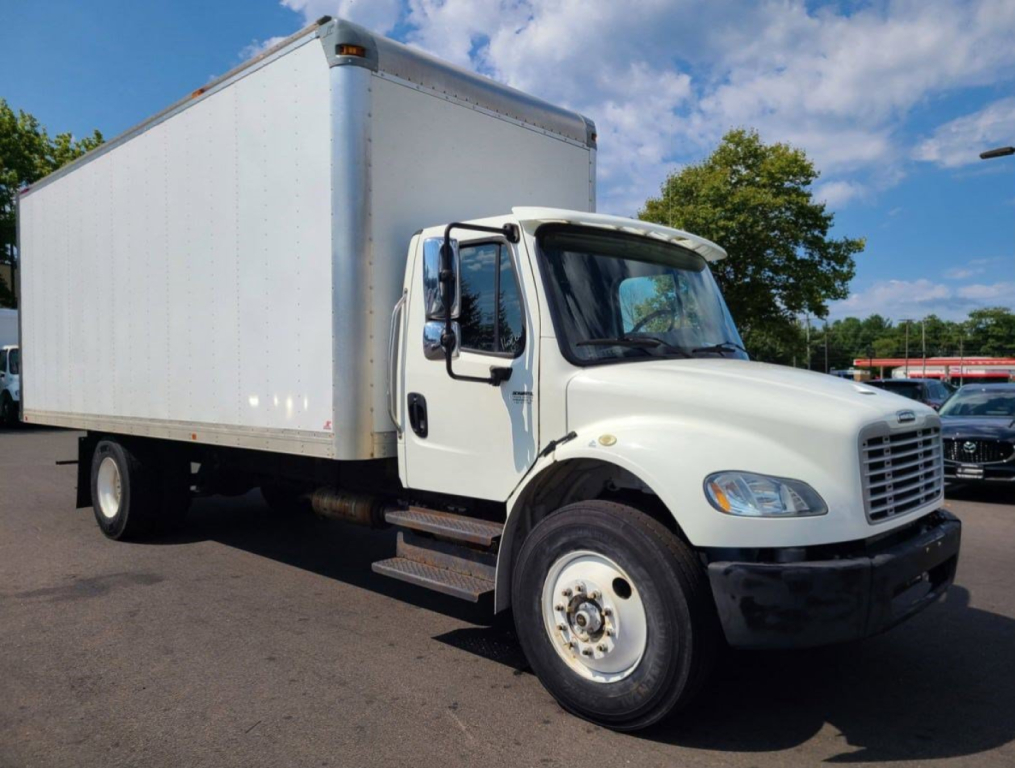
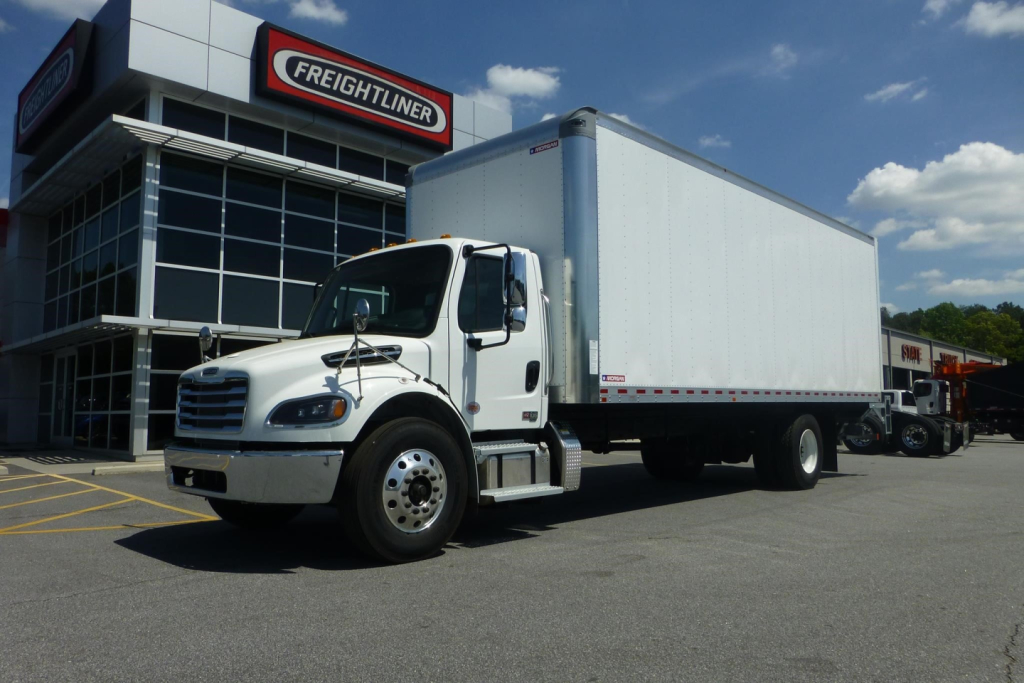
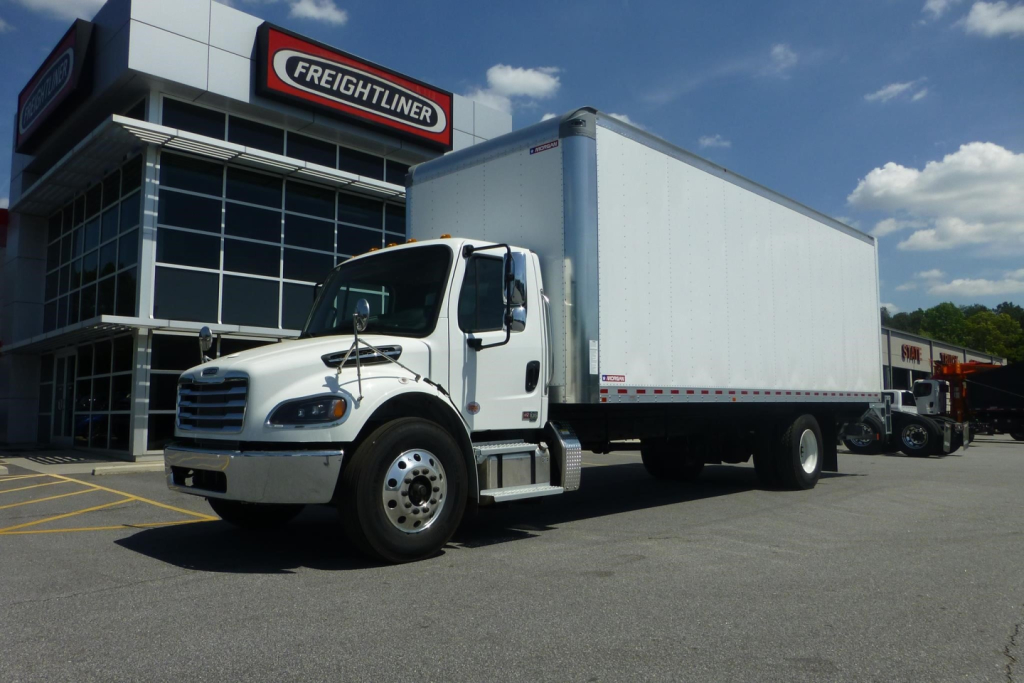
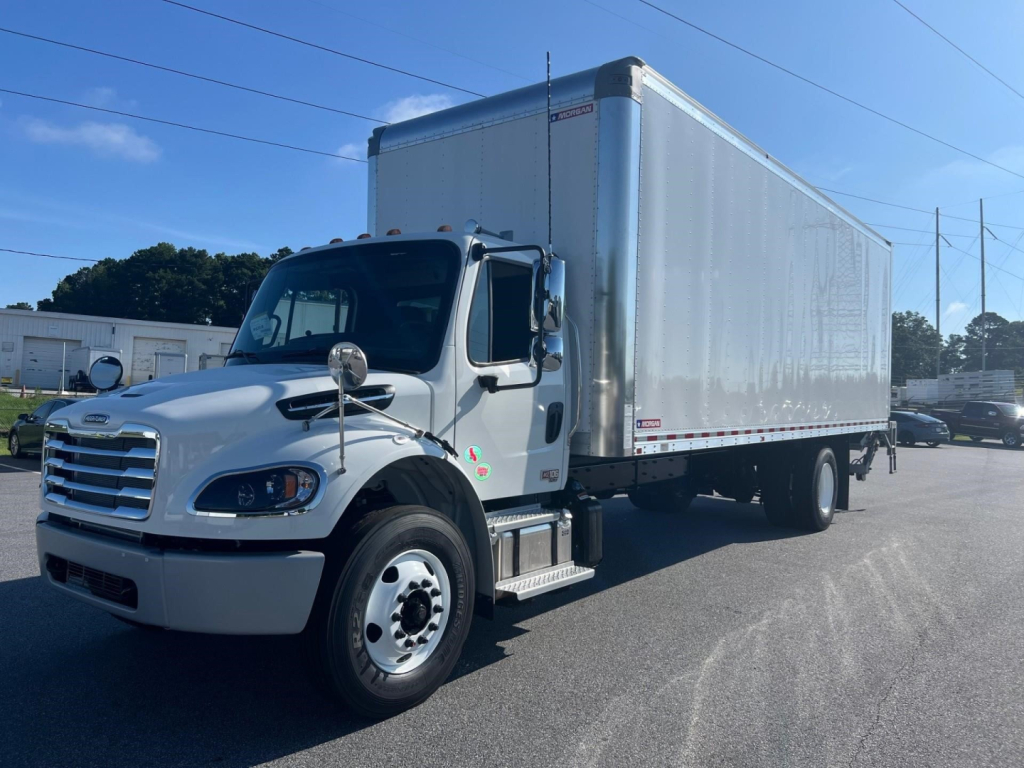
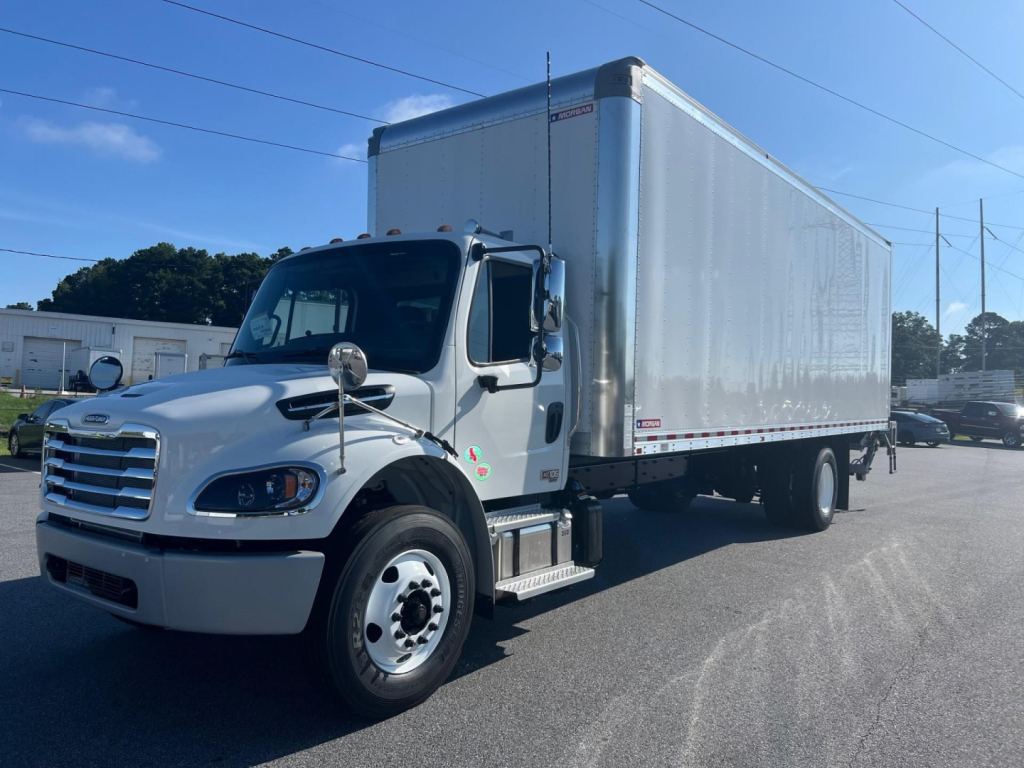
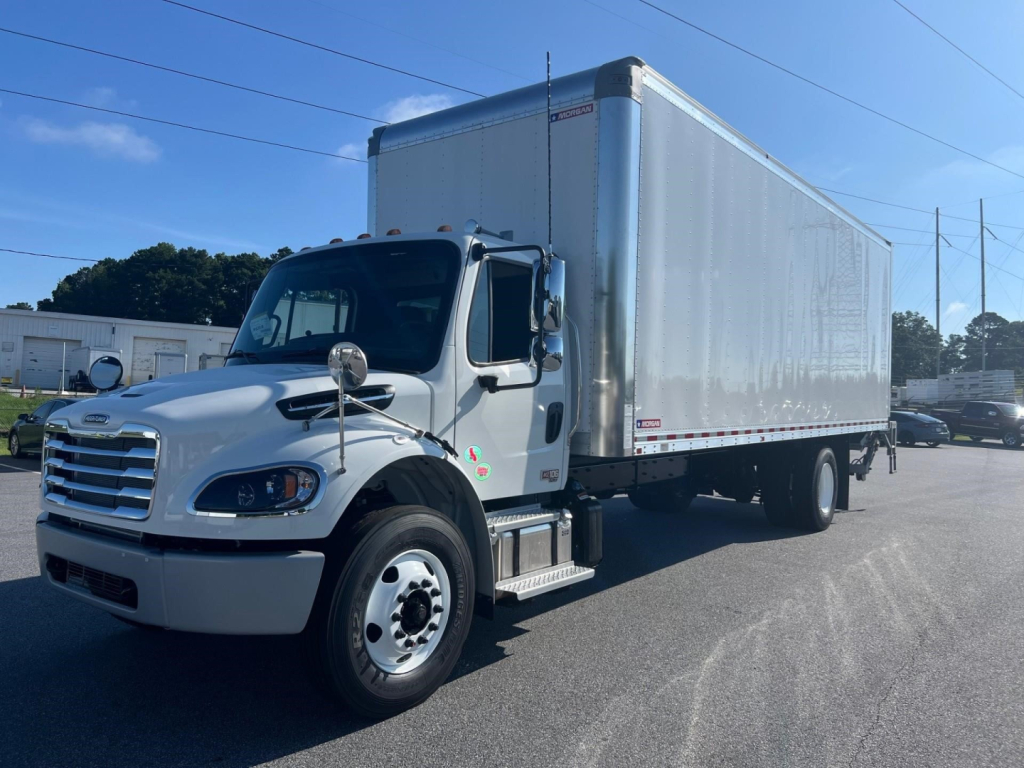
Showing 1 to 28 of 35 results
Selling a freightliner box truck? List your freightliner box truck for sale and reach thousands of commercial buyers.
Freightliner Box Trucks
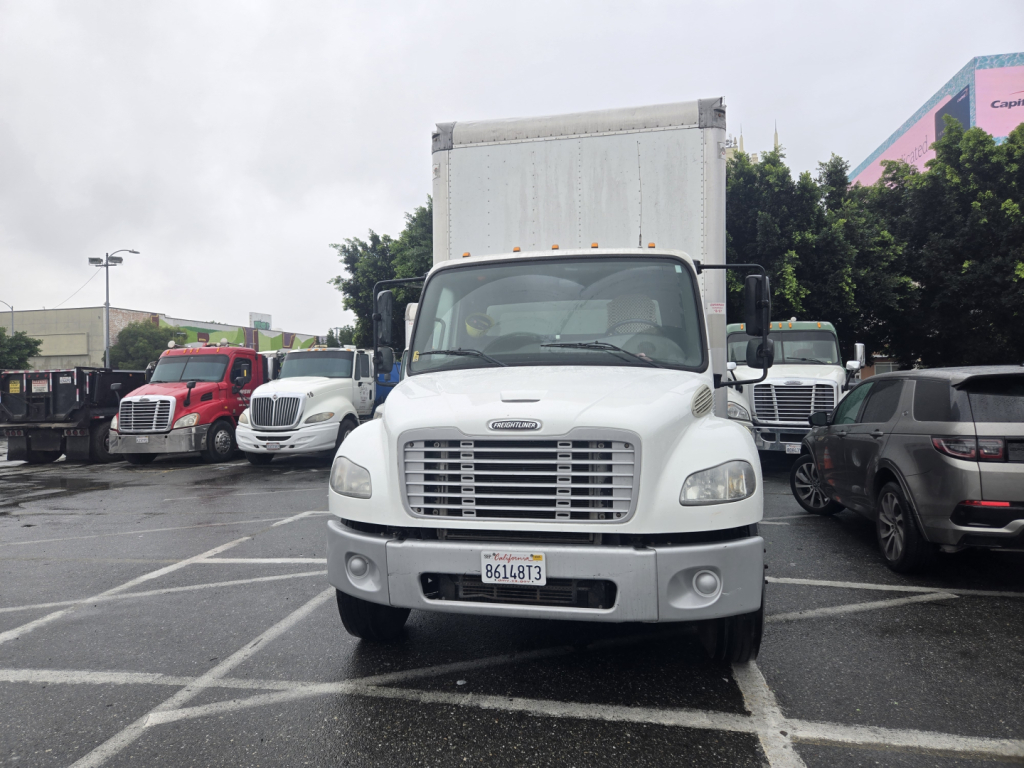
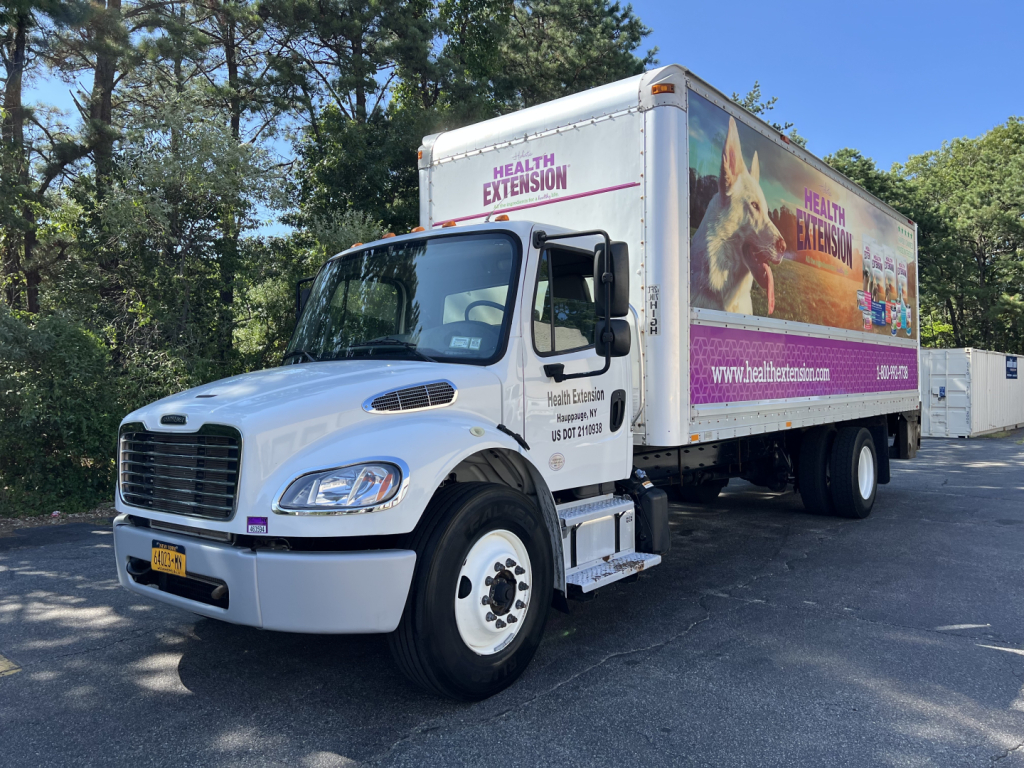
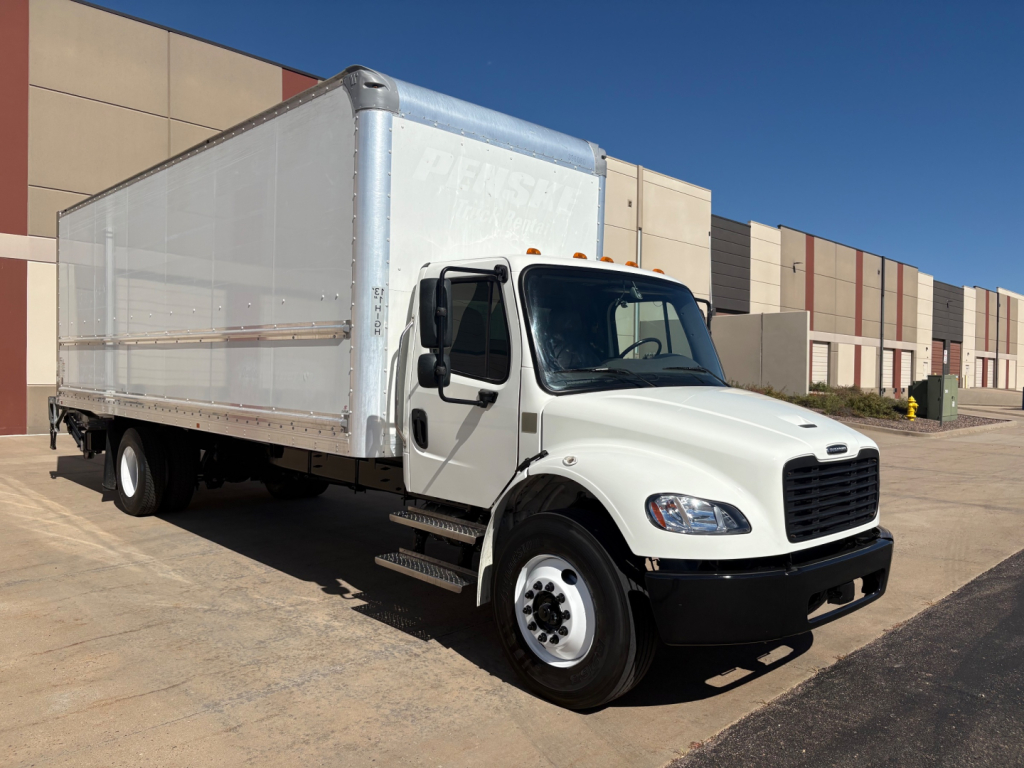
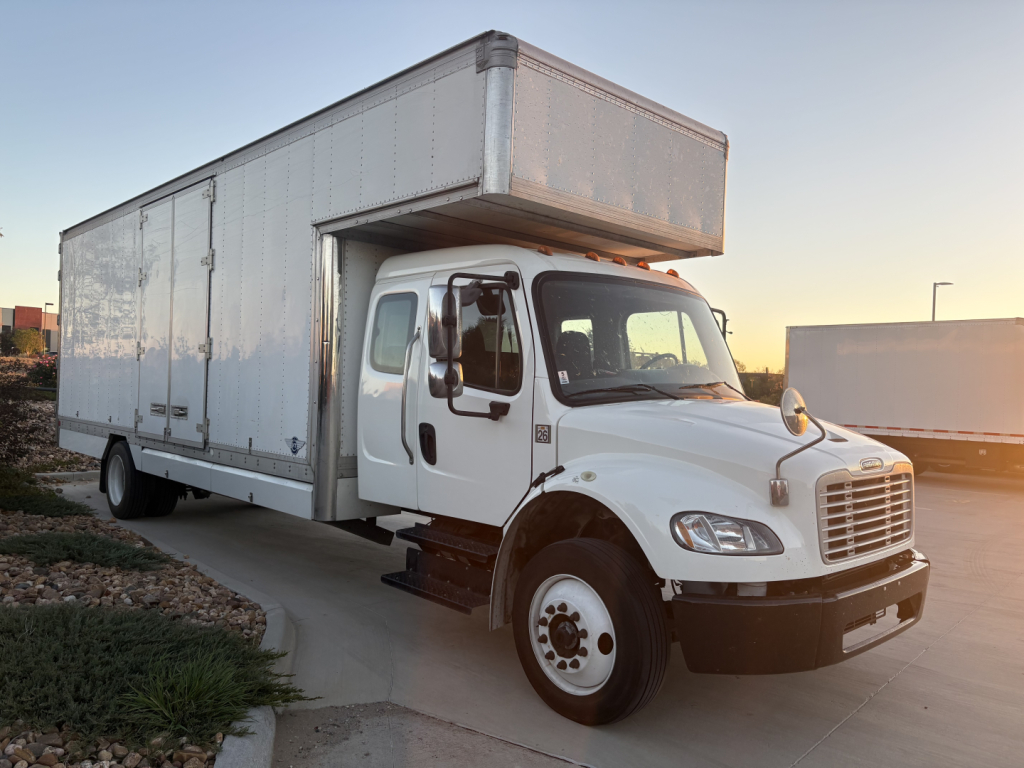
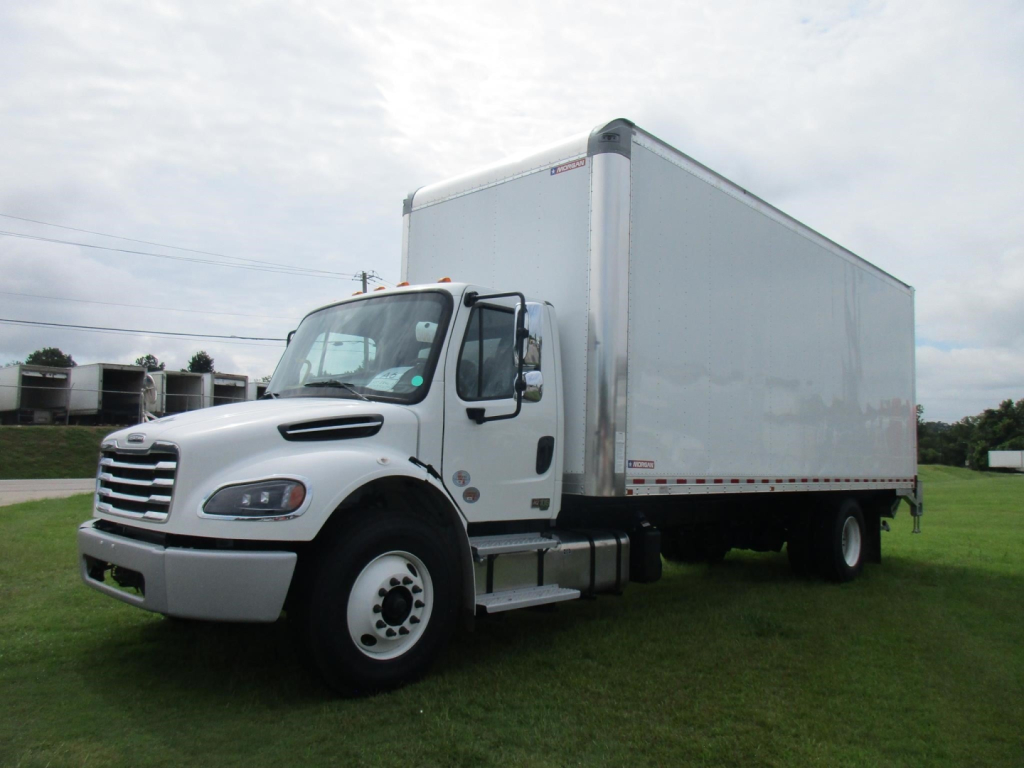
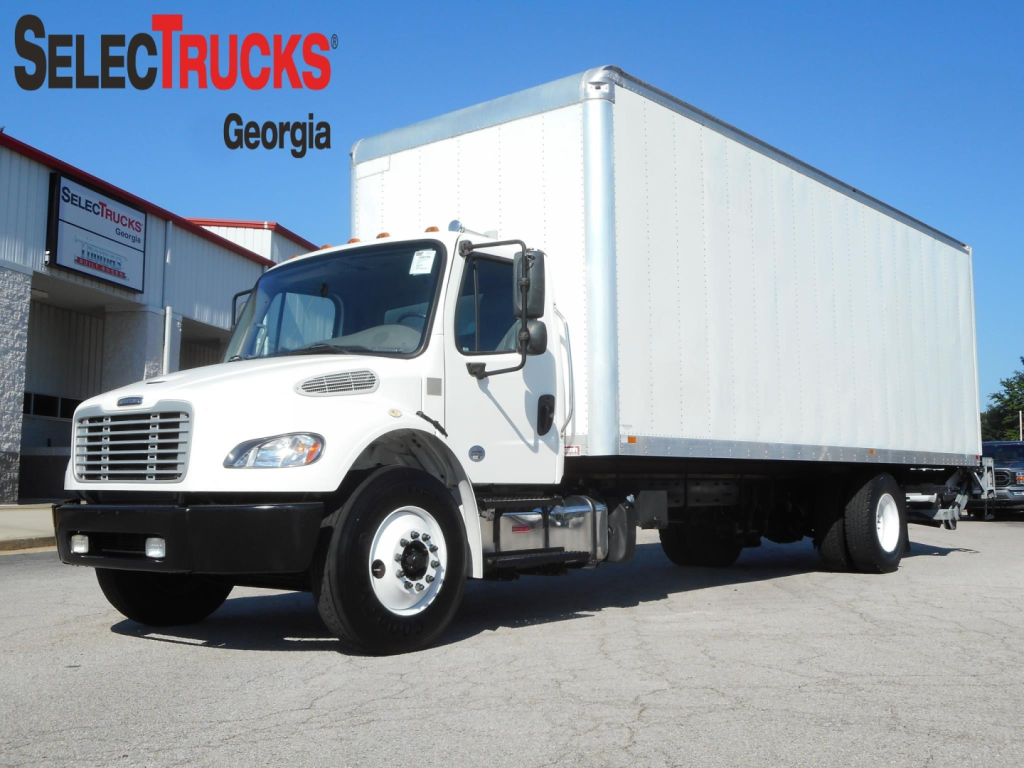
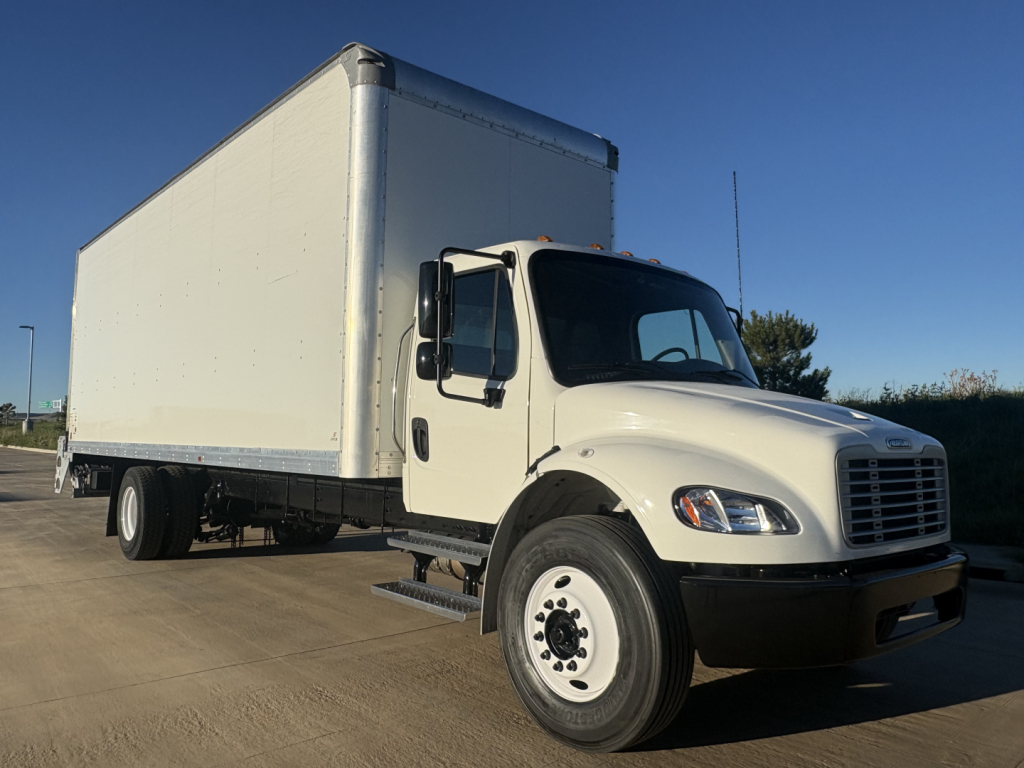
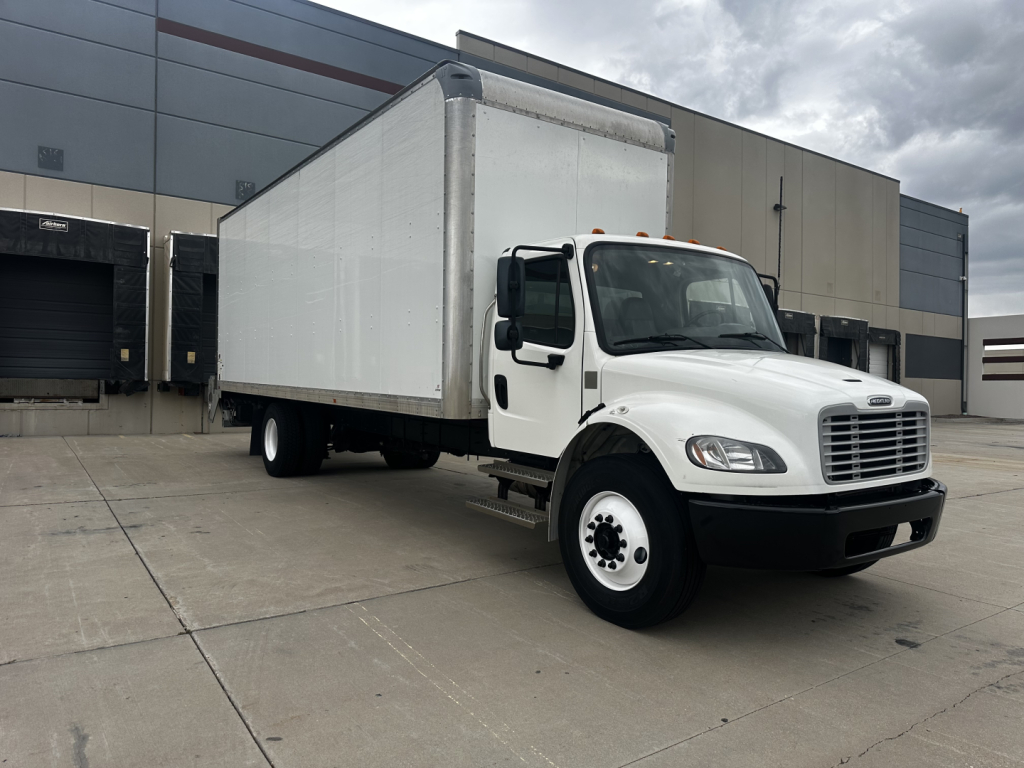
The first decision is usually body length and payload strategy. Common Freightliner box truck bodies run from about 14 feet on tighter city units up to 26 feet on non-CDL Class 6 trucks with a 26,000-pound GVWR. Buyers hauling appliances, furniture, retail freight, or palletized goods should pay close attention to inside body height, door opening dimensions, floor condition, and liftgate rating. A 3,000-pound liftgate is common on delivery-focused units, while E-track, scuff liners, translucent roofs, and forklift packages matter more when cargo securement and dock flexibility are priorities. Wheelbase, rear axle rating, and suspension type also affect how the truck carries weight and how easy it is to maneuver in tight delivery environments.
Freightliner box trucks are also known for a practical cab layout, good parts availability, and a broad service network, which matters if uptime is a bigger concern than buying the absolute lowest-cost chassis. On used units, buyers should look closely at engine hours versus odometer miles, transmission service history, front suspension wear, brake condition, and signs of repeated dock impact around the rear frame and body corners. Body condition matters as much as chassis condition on a van truck. Check the roof seams, roll-up door operation, floor crossmembers, liftgate pins and cylinders, and any water intrusion that could point to future cargo damage or body repair costs.
For buyers comparing Freightliner box trucks against other medium-duty van bodies, the main advantage is familiarity. Fleets know the M2 platform, drivers adapt to it quickly, and upfitters build around it every day. That makes it a strong fit for route delivery, beverage service, parcel work, contractor supply runs, and general dry freight where cargo protection and easy loading matter more than open-deck flexibility. The best truck in this category is usually the one with the right body spec, GVWR, axle capacity, and access features for the route, not simply the newest model year.
Frequently Asked Questions about Freightliner Box Trucks
What are the most common Freightliner box truck models?
The Freightliner M2 106 is the most common box truck chassis in this category, especially for medium-duty dry van bodies used in delivery and regional service. Buyers may also see other Freightliner platforms that have been upfitted with box bodies, but the M2 is the standard reference point because it is widely used in Class 6 and Class 7 applications and has strong support from body builders, fleet maintenance shops, and parts suppliers.
What GVWR should I look for in a Freightliner box truck?
A 26,000-pound GVWR is one of the most common targets because it maximizes payload without requiring a CDL in many applications, assuming local rules and actual operating weight allow it. If the truck will regularly carry heavier freight, use a large liftgate, or operate with dense palletized cargo, a higher-class chassis may be the better fit. The right GVWR depends on body length, tare weight, liftgate weight, and the actual product being hauled, not just the class label.
What body features matter most on a Freightliner box truck?
The most important body features depend on how the truck loads and unloads. Liftgate capacity is critical for route delivery without dock access. Inside height, door opening width, and floor condition directly affect what freight can be loaded safely and efficiently. E-track, scuff liners, walk ramps, translucent roofs, and side doors can all improve productivity, but they should match the freight profile and stop pattern rather than being treated as universal upgrades.
Are Freightliner box trucks good for city delivery routes?
Yes. Freightliner box trucks are commonly used in urban and suburban delivery because the M2 chassis offers good visibility, a tight enough turning profile for medium-duty work, and automatic transmission options that reduce driver fatigue in stop-and-go traffic. A shorter body and wheelbase will generally be better for dense downtown routes, while 24-foot to 26-foot bodies are more efficient when cube matters more than maneuverability.
What should I inspect on a used Freightliner box truck?
On a used Freightliner box truck, inspect both the chassis and the van body with equal attention. On the chassis side, review engine and transmission maintenance records, brake wear, suspension condition, steering play, and tire wear patterns. On the body side, inspect the floor, roof seams, front wall, roll-up door tracks, body mounts, and liftgate operation. Damage from dock contact, water intrusion, or overloaded rear sections can be expensive even when the truck still runs and drives well.