
2019 Box Trucks For Sale in Florida
Shop 2019 box trucks in Florida, including 16 ft to 26 ft dry vans with liftgates, ramps, diesel or gas power, and CDL or non-CDL specs.
Learn more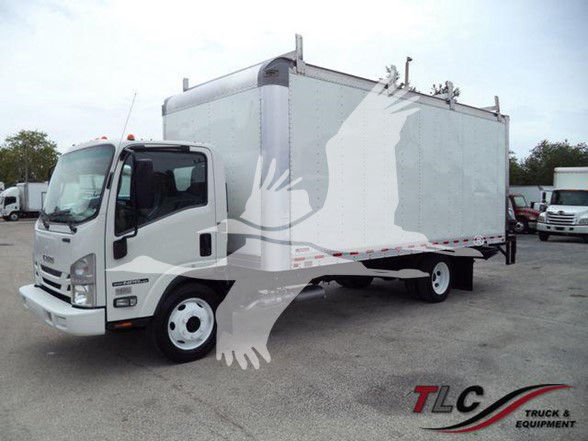
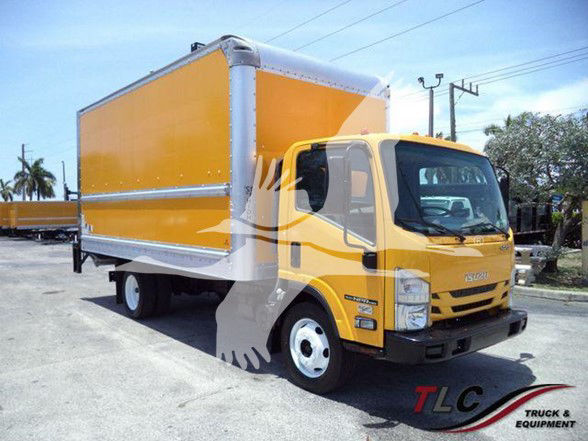
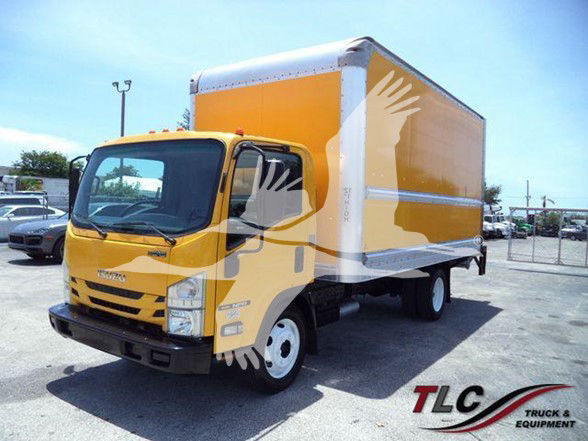
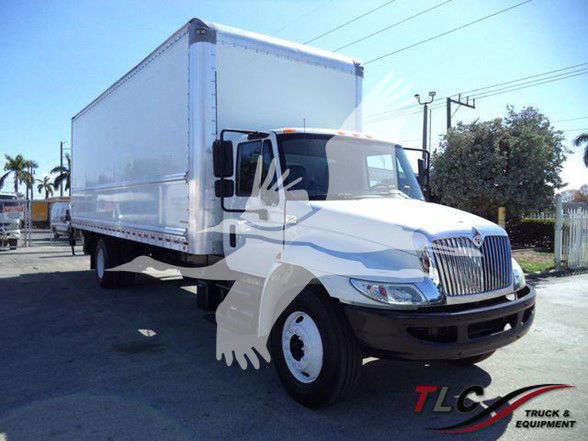
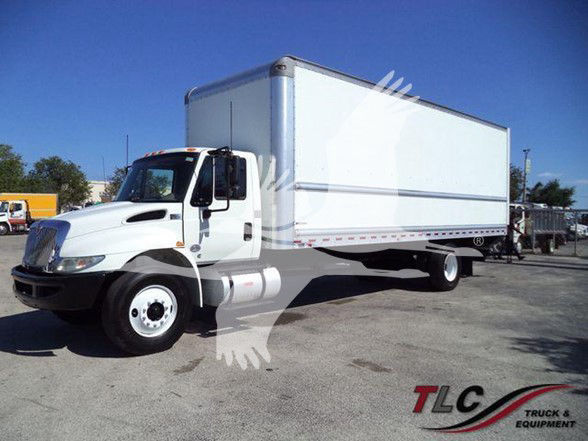
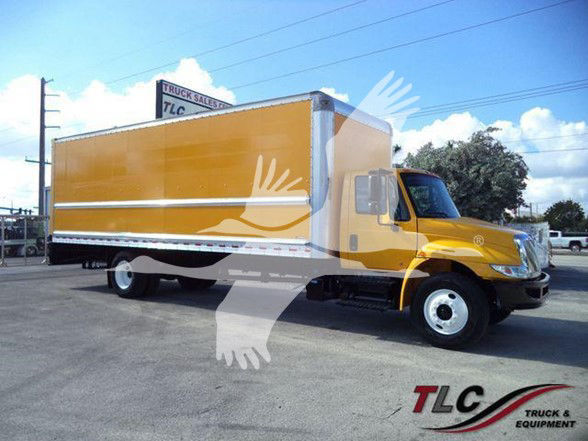
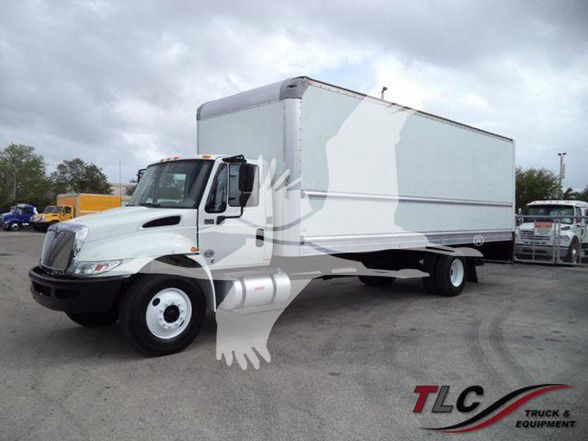
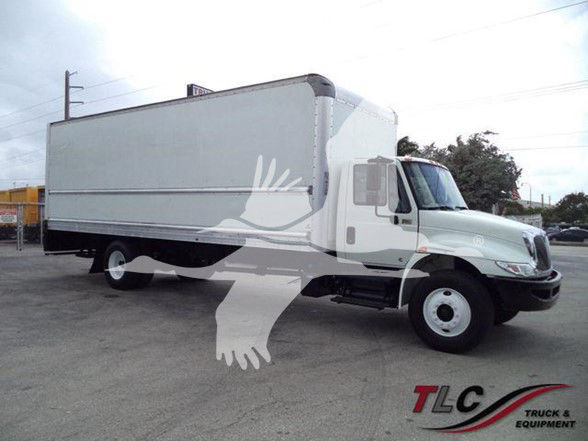
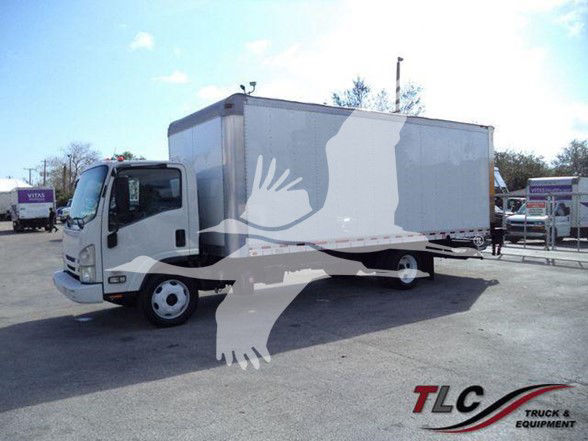
Showing 1 to 12 of 19 results
Have 2019 box truck to sell? List it here to reach thousands of buyers.
About 2019 Box Trucks in Florida
The first decision is usually body size and GVWR. Common 2019 box truck configurations include 16-foot bodies on lighter GVWR chassis and 24-foot to 26-foot dry freight bodies on heavier platforms. A 26-foot body with a 25,950 lb GVWR is especially popular because it can be spec'd to stay non-CDL while still carrying serious cube for moving and route delivery work. Buyers should look closely at payload after upfit, not just published GVWR. Liftgates, pull-out ramps, plywood or composite liners, E-track, and heavy rear door hardware all affect usable capacity. Interior dimensions matter too, especially body height, body width, and door opening size if the truck will handle pallets, carts, or bulky residential goods.
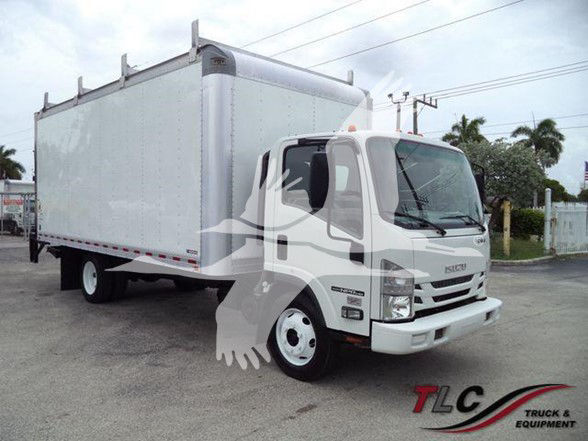
Powertrain and brake spec should match the duty cycle. On 2019 models, diesel medium-duty chassis often carry Cummins engines with Allison automatic transmissions, air brakes, and air suspension, a strong setup for heavier city-route work and repeated loading dock use. Gas-powered cabover trucks such as the NPR HD are common for lighter delivery routes, tighter urban maneuvering, and buyers who want simpler service access in some markets. Air brakes versus hydraulic brakes, 19.5-inch versus 22.5-inch wheels, and suspension type all affect ride, maintenance cost, and driver acceptance. In Florida heat and stop-and-go service, cooling system condition, A/C performance, transmission behavior under load, and rear axle noise deserve extra attention during inspection.
The box itself is as important as the chassis. Dry van bodies from builders like Morgan are often equipped with roll-up rear doors, tuck-under liftgates from Waltco, Maxon, Tommy Gate, or Anthony, and cargo control such as E-track. For moving or delivery work, a tuck-under gate keeps dock access flexible while still handling freight at ground level. Buyers should inspect the roof skin, front wall, rear frame, floor wear, crossmembers, and any signs of water intrusion around the door header and body seams. A good 2019 box truck should be evaluated as a complete package: engine hours if available, maintenance records, body condition, liftgate operation, tire date codes, brake life, and how the truck is actually spec'd for the freight it will carry.
Frequently Asked Questions
What is the most common size for a 2019 box truck?
The most common used 2019 box truck sizes are 16-foot bodies on lighter chassis and 24-foot to 26-foot bodies on medium-duty chassis. A 26-foot box is especially common in moving and route-delivery applications because it offers strong cubic capacity and can often be paired with a 25,950 lb GVWR to remain under CDL threshold, depending on the final truck spec and local operating requirements.
Is a 25,950 lb GVWR 2019 box truck considered non-CDL?
In most cases, yes. A truck rated at 25,950 lb GVWR is typically spec'd just below the 26,001 lb federal CDL threshold, which makes it attractive for fleets that want larger box capacity without requiring a CDL driver. Buyers still need to confirm the door-sticker GVWR, any combined weight considerations, air brake rules in their operating area, and company or insurance requirements before purchase.
Should I choose a diesel conventional box truck or a gas cabover?
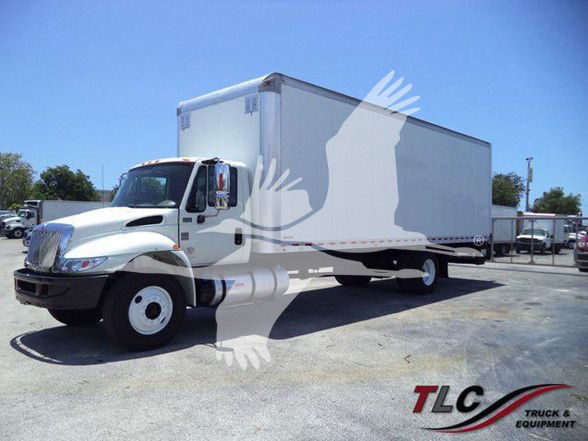
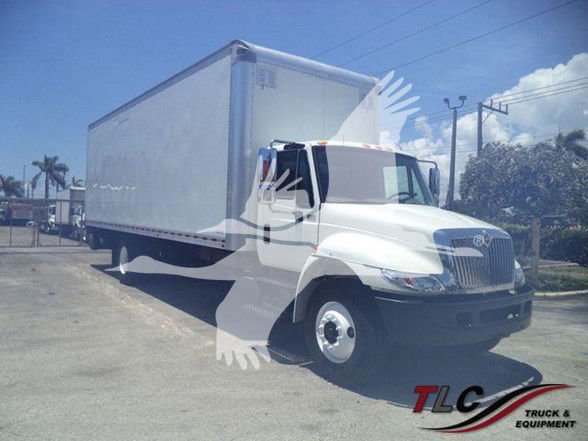
It depends on the route and payload. A diesel conventional such as an International Durastar is usually better for heavier freight, longer service life under medium-duty use, and larger 24-foot to 26-foot bodies. A gas cabover like an Isuzu NPR HD often fits dense urban delivery, easier parking, and lighter payload applications. The diesel setup usually brings stronger torque and heavier chassis components, while the gas cabover can be simpler for certain service operations and city driving patterns.
How important is the liftgate on a used 2019 box truck?
The liftgate is critical if the truck will handle freight without consistent dock access. Tuck-under liftgates in the 2,500 lb to 3,000 lb range are common on 2019 box trucks and work well for palletized goods, appliances, and route delivery. Buyers should inspect platform structure, cylinder condition, electrical connections, hydraulic response, and rated capacity tag. A weak or damaged liftgate can quickly become a costly repair and a daily operational problem.
What should I inspect on the box body before buying?
Focus on structural condition and signs of water damage. Check the roof, front corners, rear frame, door tracks, floor wear, crossmembers, rub rail, and body seams. Look for soft flooring, patched panels, corrosion at mounting points, and damage around the roll-up door header. Inside the body, verify E-track attachment points, scuff protection, and overall straightness of the walls. Box condition directly affects cargo protection, resale value, and repair cost.