
Used International Beverage Trucks For Sale in New York
Used International beverage trucks for sale in New York. Compare 4300 specs, side-load bay bodies, GVWR, drivetrain, and route delivery features.
Learn more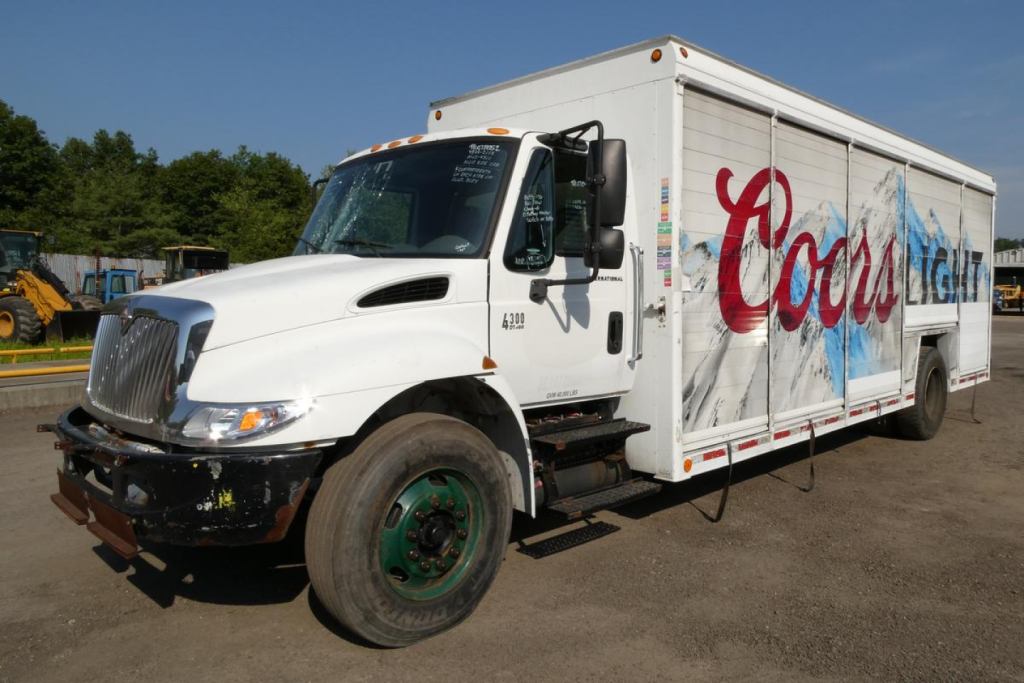
Have used international beverage truck to sell? List it here to reach thousands of buyers.
About Used International Beverage Trucks in New York
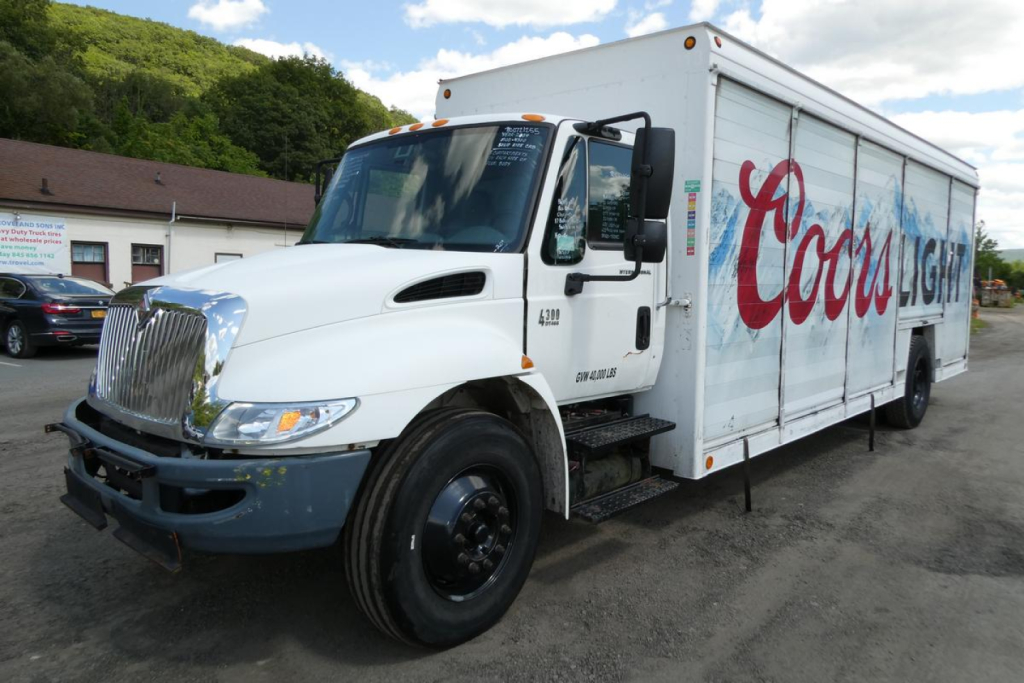
A buyer should pay close attention to body configuration before engine or mileage. Beverage trucks are defined by the body as much as the chassis. Common setups include aluminum side-load bodies with multiple bays per side, roll-up or swing doors, and a drop-center frame to reduce lift height for cases, kegs, and stacked product. Bay count, bay width, and compartment depth directly affect route efficiency because they determine how well products can be separated by account or SKU. Non-insulated bodies are common for general beverage distribution, while some operations may prioritize interior liners, shelving condition, and door hardware over cosmetic appearance. On used units, inspect floor wear, threshold damage, latch function, and any body twist from years of curb loading.
On the chassis side, many used International beverage trucks fall in the Class 7 range with GVWRs around the low- to mid-30,000-pound segment, front axles near 10,000 to 12,000 pounds, and rears around 19,000 to 23,000 pounds. Spring suspension is common because it is durable under repeated loading cycles. Rear axle ratios on route trucks are often numerically high to improve launch and low-speed drivability, especially with fully loaded bays. Air brakes are common and desirable for heavier beverage bodies. Tire size, wheelbase, cab-to-axle, and overall body length should be matched to your delivery territory. A longer 24-foot body can add carrying capacity and route density, but it also changes maneuverability in older urban neighborhoods and narrow service lanes.
The best used International beverage truck is usually the one with the right body layout, service history, and route fit, not simply the newest model year. Check transmission behavior under load, look for excessive engine idle hours relative to miles, and inspect the frame rails around body mounts and rear suspension hangers. Delivery trucks spend much of their life starting, stopping, idling, and climbing in and out of loading areas, so brake condition, steering play, cooling performance, and door operation matter as much as powertrain specs. For buyers comparing listings, the key questions are simple: how much product the body carries, how easily the truck can be worked in your territory, and how much reconditioning it will need before it can go back on a route.
Frequently Asked Questions
What makes an International beverage truck different from a standard box truck?
An International beverage truck usually has a purpose-built side-load beverage body rather than a plain van body. These trucks are designed for route delivery with multiple compartments or bays, lower load height, and faster hand-unloading of cases, kegs, and mixed product. Many also use a drop-center frame so drivers can work from a lower deck height, which reduces fatigue and speeds up multi-stop deliveries.
Which International models are most common in used beverage truck listings?
The International 4300 is one of the most common platforms in this category because it fits medium-duty route work well and is widely available with diesel engines and Allison automatic transmissions. Buyers also see other International medium-duty chassis depending on body size, axle ratings, and the original fleet specification. The important match is between chassis capacity and body layout, not just the model badge.
What should I inspect first on a used beverage truck?
Start with the body, because that is where route productivity is won or lost. Inspect bay dimensions, door condition, latch hardware, flooring, thresholds, and side access points for damage from years of hand loading. Then move to the chassis and check engine hours versus mileage, transmission shift quality, brake wear, steering components, suspension condition, and any frame issues around body mounts. A beverage truck can run well mechanically and still need costly body repairs if the compartments are worn out.
Are automatic transmissions preferred in beverage delivery trucks?
Yes, automatic transmissions are very common and often preferred for beverage service because these trucks spend their day in stop-and-go traffic with frequent starts and tight maneuvering. An Allison automatic is especially common on used International beverage trucks because it simplifies driving, reduces clutch-related wear, and tends to suit urban and regional route delivery well. Transmission condition still needs to be verified under load, especially on older trucks with high idle hours.
Is a longer beverage body always better for delivery work?
Not always. A longer body increases product capacity and may reduce the number of resupply trips, but it can become a disadvantage in dense urban areas, older neighborhoods, and tight customer locations. Buyers in New York often need to balance cube capacity against turning radius, wheelbase, and ease of backing into alleys or curbside stops. The best body length is the one that fits your route pattern without sacrificing too much maneuverability.