
Used Peterbilt Auto Carrier Trucks For Sale
Shop used Peterbilt auto carrier trucks with specs that matter, including sleeper setups, powertrain choices, trailer compatibility, and rebuild history.
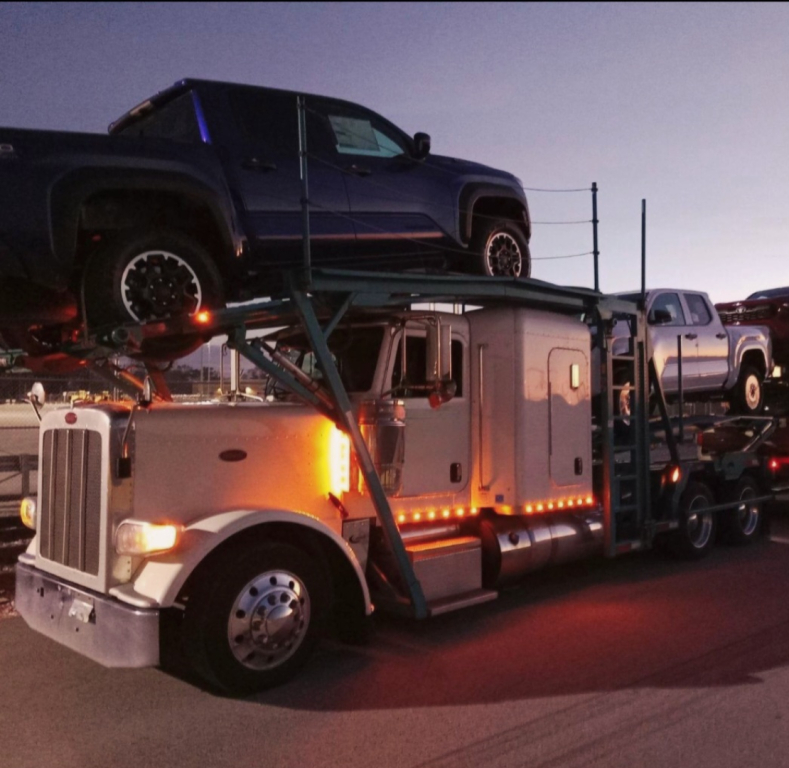
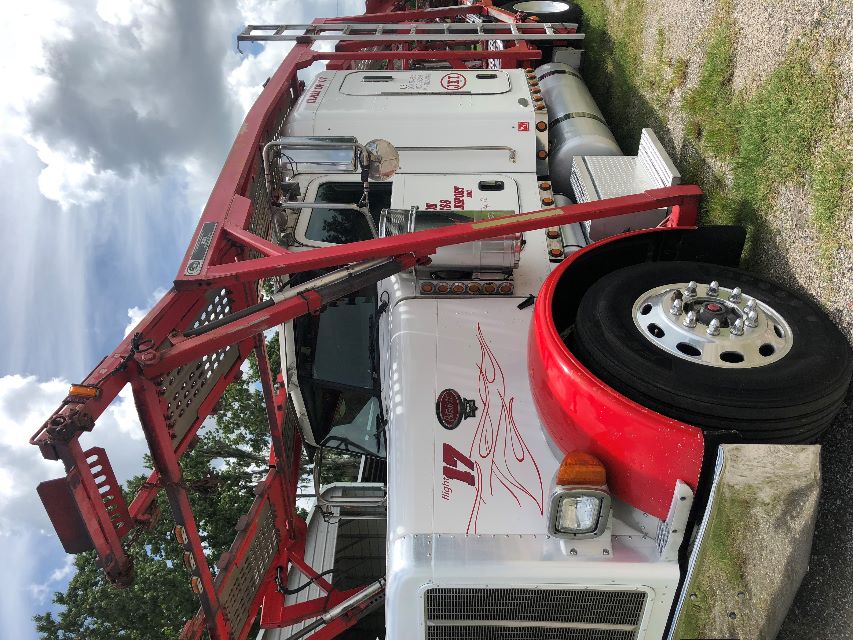

Have used peterbilt auto carrier truck to sell? List it here to reach thousands of buyers.
Used Peterbilt Auto Carrier Trucks
Powertrain matters more in an auto carrier than it does in many general freight applications. A used Peterbilt car hauler may be spec'd with a Cummins ISX or X15, or a Caterpillar C15 in pre-emissions trucks, often backed by an Eaton-Fuller manual transmission in 13-speed or 18-speed form. Buyers should look closely at low-speed drivability, clutch condition, PTO operation, engine brake performance, and cooling system health, since these trucks spend time loading, idling, and maneuvering in tight spaces in addition to highway running. Front axle rating, wheelbase, fifth wheel placement, and suspension setup also affect how well the truck handles a loaded trailer and how easily the top deck can be accessed and operated.
The carrier equipment deserves as much attention as the tractor. On a used Peterbilt auto carrier, check deck cylinders, hoses, control valves, chain and ratchet condition, wheel straps, crossmembers, and signs of bent ramps or repaired framework. Trailer details like a sliding kingpin, brake condition, air ride function, leveling valves, and tire wear can make a major difference in day-to-day uptime. If the unit includes a Cottrell trailer, rebuild records, cylinder repacking, pass-through air valve service, and evidence of recent brake and suspension work are all meaningful indicators of how the equipment has been maintained. Lighting, strobes, mud flaps, scuff points, and deck alignment also matter because this is equipment that gets inspected constantly by drivers and customers.
Cab configuration is another practical buying point. Many Peterbilt auto carriers are sleeper trucks because car haulers often run regional and long-distance lanes with overnight stops, but day cabs also appear in shorter-route operations. Fuel capacity, bunk heater, inverter setup, toolbox layout, and storage around the headache rack can improve daily usability. For a used unit, service records usually tell the story faster than appearance alone. Engine replacements, transmission work, clutch history, hydraulic repairs, and trailer rebuild documentation can carry more value than cosmetic upgrades, especially in a business where downtime is expensive and load damage is even more costly.
Frequently Asked Questions about Used Peterbilt Auto Carrier Trucks
What should I inspect first on a used Peterbilt auto carrier truck?
Start with the carrier system, not just the tractor. Hydraulic cylinders, hoses, deck controls, ramps, ratchets, wheel straps, and structural alignment should be checked carefully because these components directly affect loading speed and vehicle security. Then review the tractor's engine, transmission, clutch, PTO, brakes, and suspension, followed by the trailer's brakes, airbags, kingpin setup, and tire condition. Maintenance records for both the truck and the carrier equipment are especially important on a car hauler.
Are Peterbilt 379 and 389 models good choices for car hauling?
Yes. The Peterbilt 379 and 389 are both widely used in auto transport because they offer durable conventional platforms, good service access, and the wheelbase and frame characteristics that suit carrier installations. Buyers often prefer them for their parts support, operator familiarity, and ability to handle specialized car-hauler specs such as headache racks, PTO-driven hydraulics, and sleeper configurations. The best choice depends less on the badge alone and more on axle ratings, engine spec, transmission, and the condition of the installed carrier equipment.
What engine and transmission specs are common in a used Peterbilt auto carrier?
Common engine choices include Cummins ISX or X15 and, on older pre-emissions trucks, Caterpillar C15 platforms. Manual Eaton-Fuller transmissions, especially 13-speed and 18-speed setups, are very common because they give drivers better control during loading, grade changes, and low-speed maneuvering. Engine brake performance, PTO compatibility, and cooling system condition are all important because auto carriers combine highway miles with frequent starts, stops, and hydraulic operation.
Is the trailer condition as important as the tractor on a used car hauler?
Absolutely. A strong tractor does not offset a neglected carrier trailer. On a used auto carrier setup, trailer brakes, suspension, kingpin assembly, hydraulics, deck alignment, and ramp condition directly affect uptime, loading efficiency, and cargo safety. Buyers should also inspect for bent framework, uneven tire wear, air leaks, worn bushings, and any signs that the decks do not travel smoothly or lock correctly in position.
What maintenance history adds the most value to a used Peterbilt auto carrier?
Documented major work usually adds the most confidence. Engine replacements or overhauls, transmission replacement, clutch service, brake work on both tractor and trailer, hydraulic cylinder repacking, air system repairs, and trailer rebuild records are all meaningful. In this category, proof of consistent upkeep often matters more than cosmetic condition because a car hauler's earning potential depends on reliable hydraulics, safe loading equipment, and reduced downtime.