
Peterbilt Auto Carrier Trucks For Sale
Shop Peterbilt auto carrier trucks with the specs car haulers want, including 389 and 379 setups, sleeper options, PTO hydraulics, and heavy-duty drivetrains.
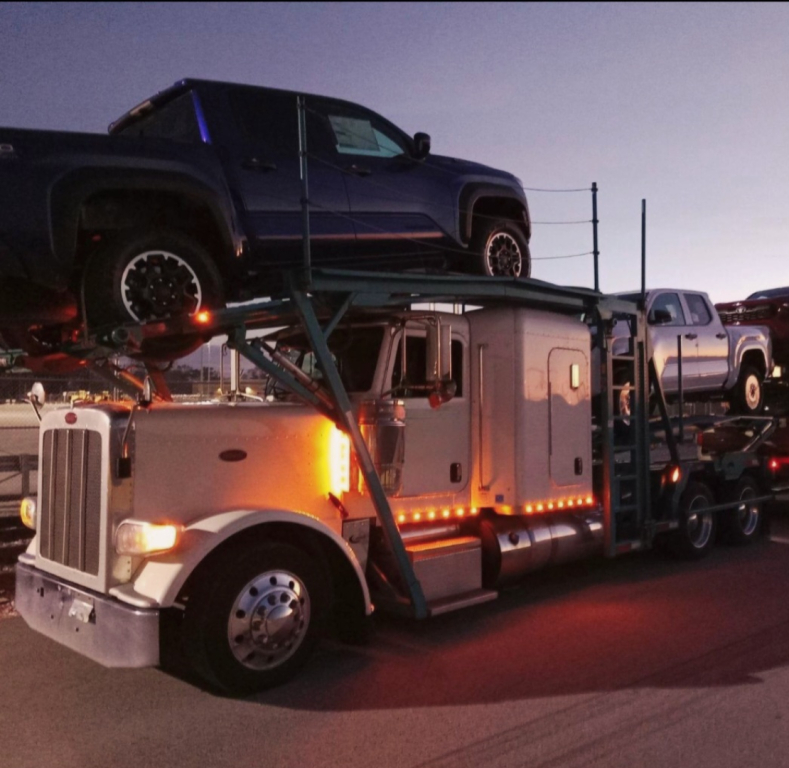
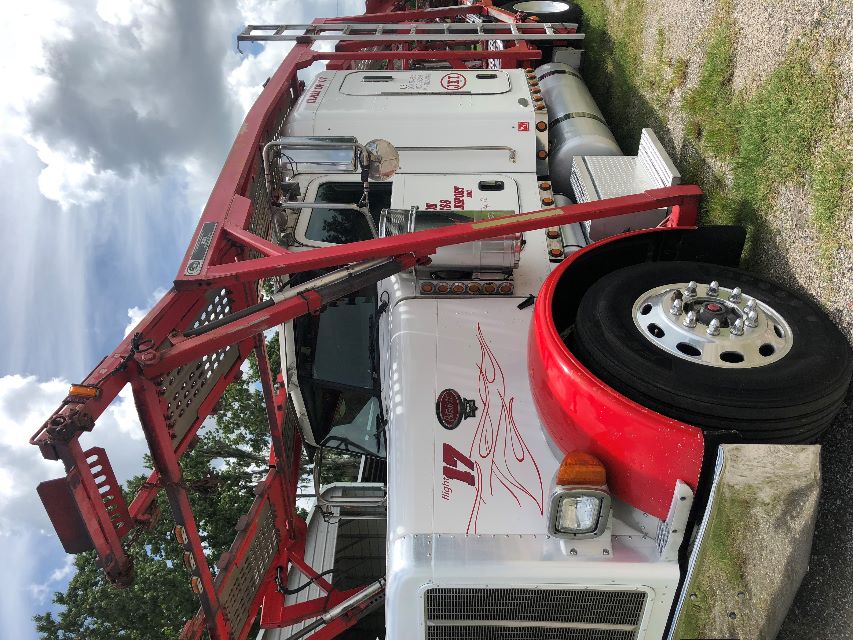

Have peterbilt auto carrier truck to sell? List it here to reach thousands of buyers.
Peterbilt Auto Carrier Trucks
The drivetrain matters more in an auto carrier than it does in many general freight applications. Car haulers routinely work with concentrated axle weights, steep load angles, frequent stops, and hydraulic deck operation, so it is common to find big-bore diesel engines such as the Caterpillar C15 or Cummins ISX and X15, usually backed by Eaton Fuller manual transmissions in 13-speed or 18-speed configurations. Buyers should pay close attention to PTO setup, clutch condition, rear axle ratios, suspension spec, and brake type. Disc brakes, engine brakes, locking differentials, and heavy-duty cooling components can make a real difference in control and uptime, especially on regional routes with hills, tight dealership deliveries, and repeated load cycles.
Fit for the trailer is just as important as truck condition. Peterbilt auto carrier tractors are often spec'd around kingpin placement, fifth wheel height, frame length, and clearance for upper-deck swing and rack components. A 24-inch fifth wheel, sliding kingpin compatibility, and proper hydraulic plumbing are all relevant depending on whether the truck is working with a high-mount headrack, 3-car wedge setup, or a full 7 to 9-car stinger trailer. Buyers should also inspect cab-to-trailer clearance, headache rack structure, saddle box placement, and any frame modifications related to carrier equipment. On a used unit, signs of a professional car-haul setup include straight ramps, intact ratchets, clean hydraulic function, and no evidence of chronic overloading or poor weight distribution.
Peterbilt remains a strong choice in the auto carrier market because these trucks tend to hold value and attract experienced drivers. Parts support is broad, cabs are familiar to most technicians, and the trucks are often maintained closely because car haul operations punish neglected equipment quickly. When comparing listings, the smart move is to look past chrome and focus on emissions configuration, engine history, transmission replacement records, PTO and wet kit condition, suspension wear, tire match, and any recent work on cooling, clutch, brakes, or steering components. A well-spec'd Peterbilt auto carrier can be a productive platform for dealer runs, auction transport, and long-haul vehicle relocation if the truck and trailer geometry match the job.
Frequently Asked Questions about Peterbilt Auto Carrier Trucks
What Peterbilt models are most common in auto carrier service?
The Peterbilt 379 and 389 are the most common models in auto carrier service, especially in stinger-steered car haul applications. Both are conventional long-hood platforms that offer wheelbase flexibility, strong frame rails, and room for the PTO, hydraulic, and headache rack equipment that car hauling requires. Buyers often favor these models because they are well supported in the used market and commonly spec'd with heavy-duty drivetrains suited to multi-car transport.
What drivetrain specs should I look for in a Peterbilt auto carrier truck?
Most buyers focus on big-bore diesel power, a manual transmission, and a drivetrain matched to heavy stop-and-go hauling. Common setups include Caterpillar C15 or Cummins ISX and X15 engines with Eaton Fuller 13-speed or 18-speed transmissions. Engine brake performance, clutch life, PTO compatibility, rear axle ratio, suspension capacity, and brake configuration all matter because car haulers deal with steep ramps, frequent loading cycles, and concentrated weight that can expose weak specs quickly.
Why is wheelbase and fifth wheel setup important on an auto carrier?
Wheelbase and fifth wheel position directly affect trailer swing clearance, load angle, axle weight distribution, and how the carrier loads specific vehicles. In auto haul, kingpin settings and fifth wheel height are not minor details because they influence whether the truck will work correctly with a particular Cottrell or similar trailer. An incorrect setup can create deck interference, poor turning clearance, and loading limitations, so buyers should confirm that the tractor geometry matches the trailer design.
Are sleeper Peterbilt auto carriers common, or should I look for a day cab?
Sleeper-equipped Peterbilt auto carriers are common in long-haul and regional work where overnight runs are routine. A sleeper can add comfort, storage, and trip flexibility, but it also changes overall length and can affect how the truck is configured with the trailer and headrack. Day cabs are still used in shorter local or dedicated lane applications. The right choice depends on route length, parking needs, and how the complete truck-and-trailer combination is set up.
What should I inspect first on a used Peterbilt auto carrier?
Start with the components that determine whether the truck can go to work reliably: engine records, transmission and clutch condition, PTO operation, hydraulic leaks, brake wear, suspension wear, steering play, and tire condition. After that, inspect the car-haul-specific items such as headache rack structure, fifth wheel height, hydraulic plumbing, cab clearance, and any signs of bent ramps or overloaded operation if the trailer is included. Service documentation is especially valuable on auto carriers because these trucks typically see harder duty than a standard highway tractor.