
Used Ambulance Trucks For Sale in North Carolina
Have used ambulance truck to sell? List it here to reach thousands of buyers.
Used Ambulance Trucks in North Carolina
On used ambulance trucks, chassis condition matters just as much as the patient module. Buyers should look closely at engine hours, idle hours, transmission operation, front-end wear, electrical integrity, and brake system condition. A low-mile unit with extreme idle time can show more wear than the odometer suggests because ambulances spend long periods running scene lights, HVAC, inverters, and medical equipment at idle. On the box or module side, inspect door seals, latch hardware, compartment corrosion, roof penetrations, siren and warning light wiring, shoreline connections, inverter systems, oxygen storage areas, and HVAC performance in both cab and patient compartments. Water intrusion, electrical splices, and weakened cabinetry are common problem areas on retired EMS equipment.
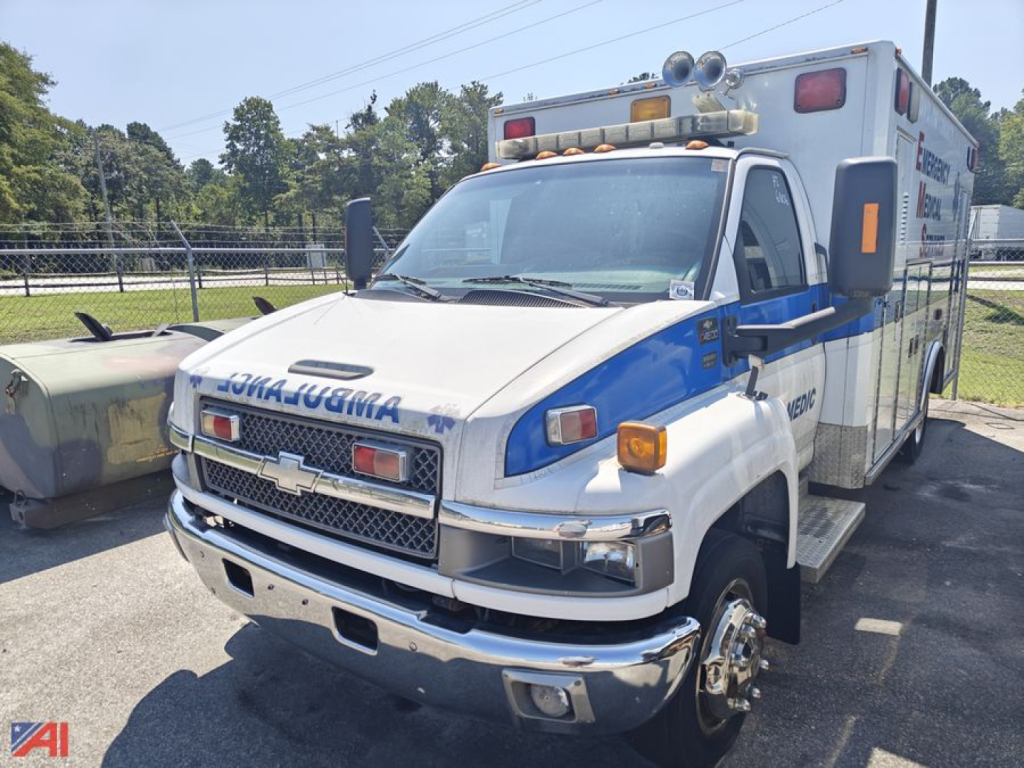
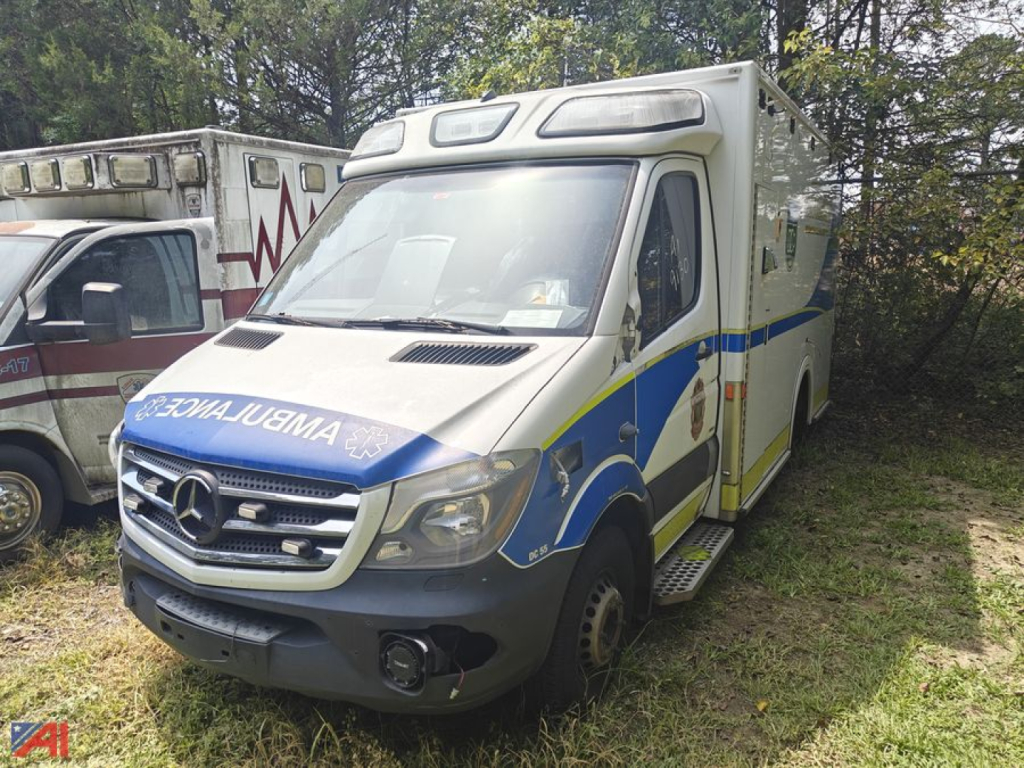
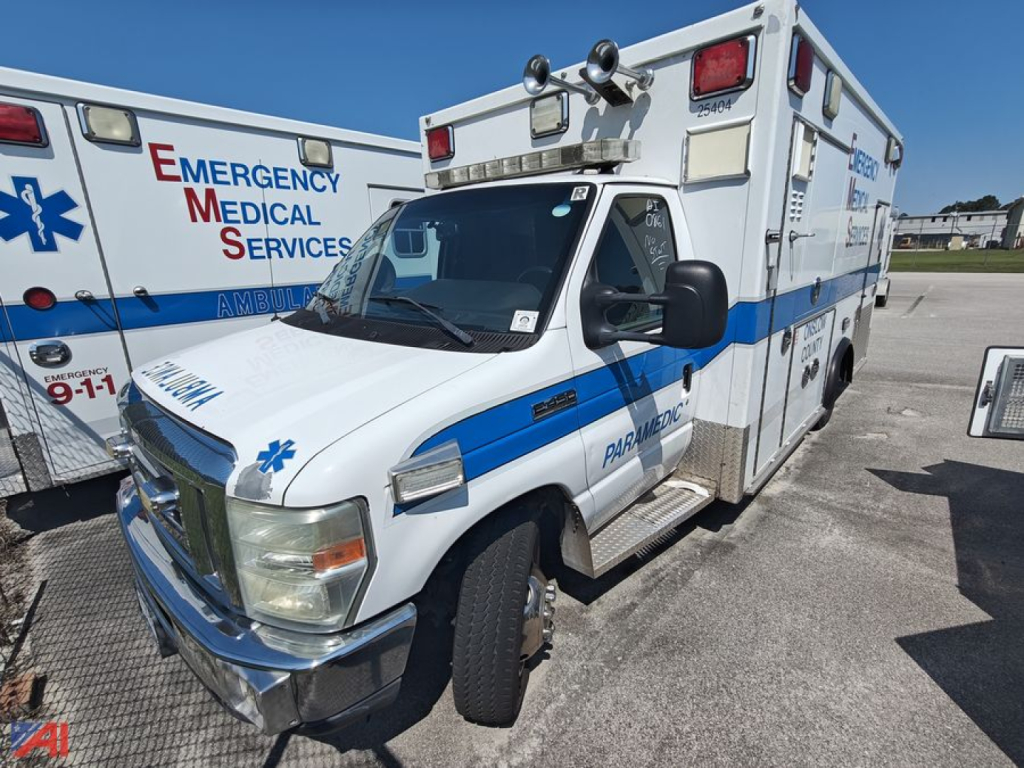
Body layout and payload should match the job. Type III ambulances on Ford E450 chassis are popular because they balance serviceability, payload, and widespread parts support. Sprinter ambulances appeal to operations that prioritize fuel economy and urban maneuvering, but buyers should verify wheelbase, ceiling height, and module access for stretcher loading and attendant workflow. Medium-duty units like a C4500 ambulance offer a heavier platform with a larger presence and robust carrying capacity, but they can bring higher maintenance costs and tighter maneuverability in older facilities or dense city routes. Suspension condition, rear step height, and interior headroom all affect day-to-day usability more than spec sheets suggest.
For many buyers, a used ambulance truck is also a compliance and conversion decision. Some units retain emergency lighting, siren equipment, radios, suction systems, or crash-tested seating, while others have already been partially decommissioned. North Carolina buyers should confirm title status, remount history, module manufacturer support, and any local requirements for operating or converting retired emergency vehicles. If the truck is being used outside active EMS duty, pay attention to removal of agency markings, scene-control equipment, and any medical gas systems that need inspection or deactivation. A well-maintained used ambulance can still offer strong value, but the best purchase is usually the one with documented maintenance records, clean electrical systems, and a chassis that fits the intended service profile.
Frequently Asked Questions about Used Ambulance Trucks in North Carolina
What types of used ambulance trucks are most common?
The most common used ambulance trucks are Type II van ambulances, Type III cutaway ambulances, and medium-duty box ambulances. Type II units are built on a van chassis and are often used where maneuverability is important. Type III units, commonly built on Ford E-Series cutaway chassis, are among the most common because they offer a good mix of payload, serviceability, and box-style patient compartment space. Medium-duty units such as Chevrolet C4500 ambulances provide a heavier platform and larger presence for departments that need added capacity or durability.
Why do idle hours matter on a used ambulance?
Idle hours matter because ambulances often spend significant time running without accumulating road miles. The engine may be powering HVAC, warning lights, charging systems, inverters, and onboard medical equipment while the vehicle is stationary. High idle time can increase engine wear, affect emissions components, and place added demand on alternators and electrical systems. A buyer should compare mileage, engine hours, and maintenance records together rather than relying on odometer reading alone.
What should I inspect on the ambulance module or patient box?
Focus on water intrusion, electrical condition, compartment hardware, and climate control performance. Check all exterior compartment doors for proper sealing and latch function, inspect the roof and upper body seams for leaks, and look for corrosion around penetrations, lighting mounts, and shoreline connections. Inside the patient area, verify that cabinetry is secure, HVAC works correctly, switches and warning systems function, and any existing inverter or charging system operates as intended. Poor wiring repairs and hidden moisture damage are two of the most expensive issues on used ambulance bodies.
Are Sprinter ambulances a good choice compared with E450 ambulances?
A Sprinter ambulance can be a strong choice when fuel economy, tighter turning, and a more modern cab layout are priorities. They are often favored in urban service or non-emergency transport applications. An E450 ambulance is typically preferred when buyers want broader parts availability, familiar service networks, and a proven cutaway platform with strong payload capability. The better option depends on route density, maintenance support, interior layout needs, and how much weight the unit is expected to carry in regular service.
Can a retired ambulance be repurposed for non-EMS use?
Yes, many retired ambulance trucks are repurposed for mobile medical programs, event support, rescue standby, service bodies, disaster response, or specialty commercial use. Before repurposing, buyers should confirm how much emergency equipment remains, whether medical gas systems need inspection or removal, and what state or local rules apply to lights, sirens, and agency markings. It is also important to verify title status and decommissioning work so the vehicle can be registered and operated for its new purpose without compliance problems.