
Used Ambulance Trucks For Sale
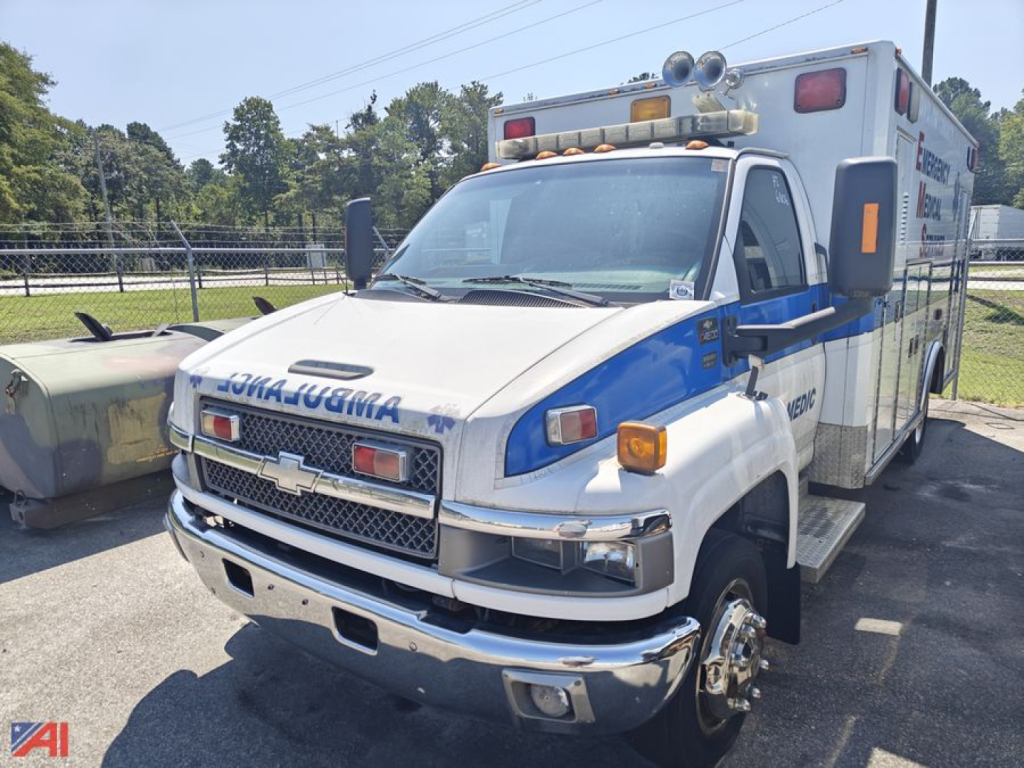
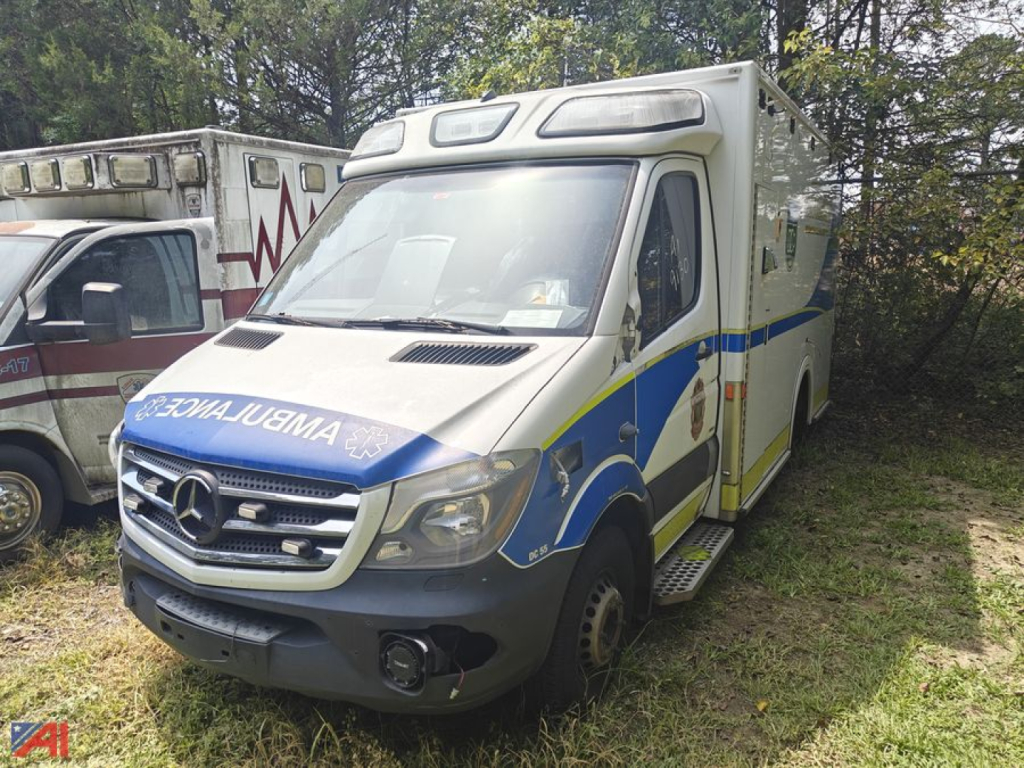
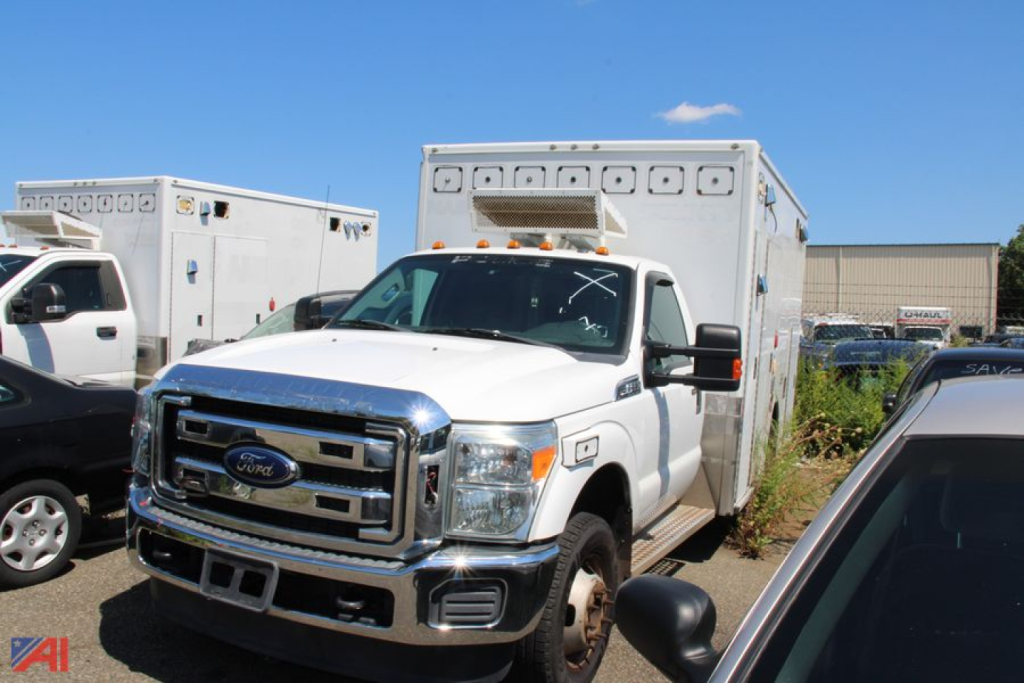
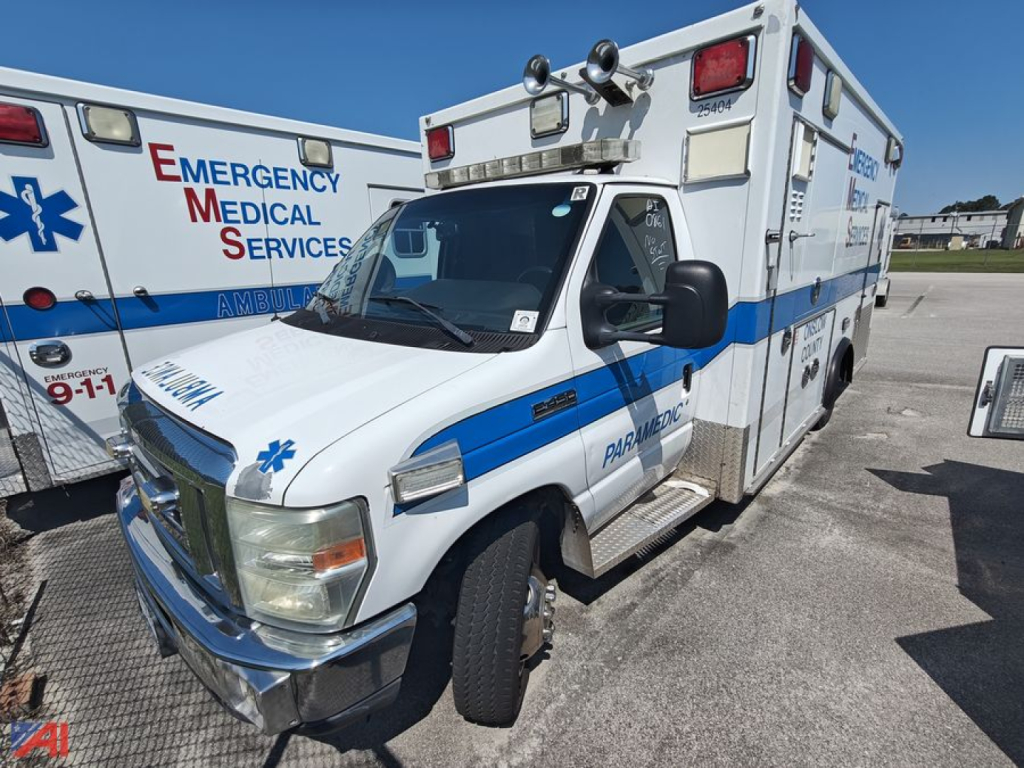
Have used ambulance truck to sell? List it here to reach thousands of buyers.
Used Ambulance Trucks
A used ambulance truck is often purchased for more than front-line EMS duty. These units are frequently repurposed as rescue trucks, fire department support vehicles, mobile clinics, event medical units, worksite first-aid rigs, blood transport units, or specialty service bodies. That makes electrical capacity and compartment design especially important. Many units come with shoreline hookups, inverter systems, high-output alternators, scene lighting, oxygen storage, HVAC for the patient box, attendant seating, cabinetry, and exterior compartmentation. Buyers should pay close attention to warning light status, siren and radio equipment removal, and local regulations on emergency equipment use, since many jurisdictions restrict public-road operation with active emergency lighting unless the vehicle is owned by an authorized agency.
Condition matters more on an ambulance than on many other used trucks because idle hours, electrical loads, and stop-and-go duty can be harder on the vehicle than mileage alone suggests. It is smart to evaluate engine hours if available, transmission behavior, cooling system condition, battery age, charging output, module leaks, door seal integrity, and signs of water intrusion around roof penetrations or scene lights. Suspension wear, brake condition, front-end play, and tire date codes are also worth checking closely, especially on units that carried a full medical load for years. For buyers planning a conversion, the value often comes from the aluminum module, onboard power system, and climate-controlled interior, but those same features can be expensive to repair if wiring has been modified or cabinets and HVAC components have been removed.
Common powertrains in this category include Ford gasoline V8 engines and diesel options found in older E-Series and medium-duty style ambulance chassis. A buyer comparing listings should look beyond year and odometer and focus on service records, chassis support, parts availability, and whether the module remains complete. If the truck will stay in medical or municipal service, layout, cot mounting provisions, inverter capacity, and HVAC performance are key. If it will be converted for utility, camping, command, or mobile trade use, interior dimensions, compartment access, roof condition, and electrical architecture usually drive the buying decision.
Frequently Asked Questions about Used Ambulance Trucks
What are the main types of used ambulance trucks?
The main ambulance configurations are Type I, Type II, and Type III. Type I ambulances use a pickup or truck-style chassis with a separate modular body and are often chosen for heavier-duty service or rougher operating conditions. Type II ambulances are van-based and typically smaller and lighter. Type III ambulances use a cutaway van chassis with a modular rear body and are common because they balance interior space, drivability, and serviceability.
Is mileage the most important factor when buying a used ambulance truck?
Mileage is important, but it should not be the only metric. Ambulances often spend long periods idling to run HVAC, lighting, communication systems, and medical equipment, so engine hours and charging system wear can be just as important as odometer readings. A lower-mile unit with heavy idle use and deferred electrical repairs may be a worse buy than a higher-mile unit with strong maintenance records and a well-kept module.
Can a used ambulance truck be legally operated with emergency lights and sirens?
In many areas, active emergency lights, sirens, and certain warning devices are restricted to authorized emergency-service operators. A used ambulance may need those components disabled, removed, or reclassified before it can be legally titled and driven for private or commercial use. Buyers should confirm state and local requirements before purchase, especially if the truck will be repurposed for non-emergency work.
What should I inspect in the ambulance body or module?
The rear module should be checked for water intrusion, corrosion, door fit, latch wear, compartment seal condition, roof damage, interior cabinet integrity, and HVAC performance. Electrical items such as shoreline power, inverter operation, battery charging, scene lights, and 12-volt distribution should also be tested. The module can be one of the most valuable parts of the vehicle, but it can also be the most expensive area to repair if leaks or electrical issues have been ignored.
Are used ambulance trucks good candidates for conversion projects?
Used ambulance trucks are popular conversion platforms because they often include insulated interiors, built-in storage, auxiliary power systems, exterior compartments, and climate control. They are commonly converted into mobile workshops, command units, camper builds, disaster-response vehicles, and service trucks. The best candidates usually have a solid, dry module, intact electrical systems, and a chassis with good parts support rather than simply the lowest purchase price.