
Used Ford Ambulance Trucks For Sale
Browse used Ford ambulance trucks, including E-Series and similar chassis, with guidance on module type, GVWR, powertrain, electrical, and body condition.
Learn more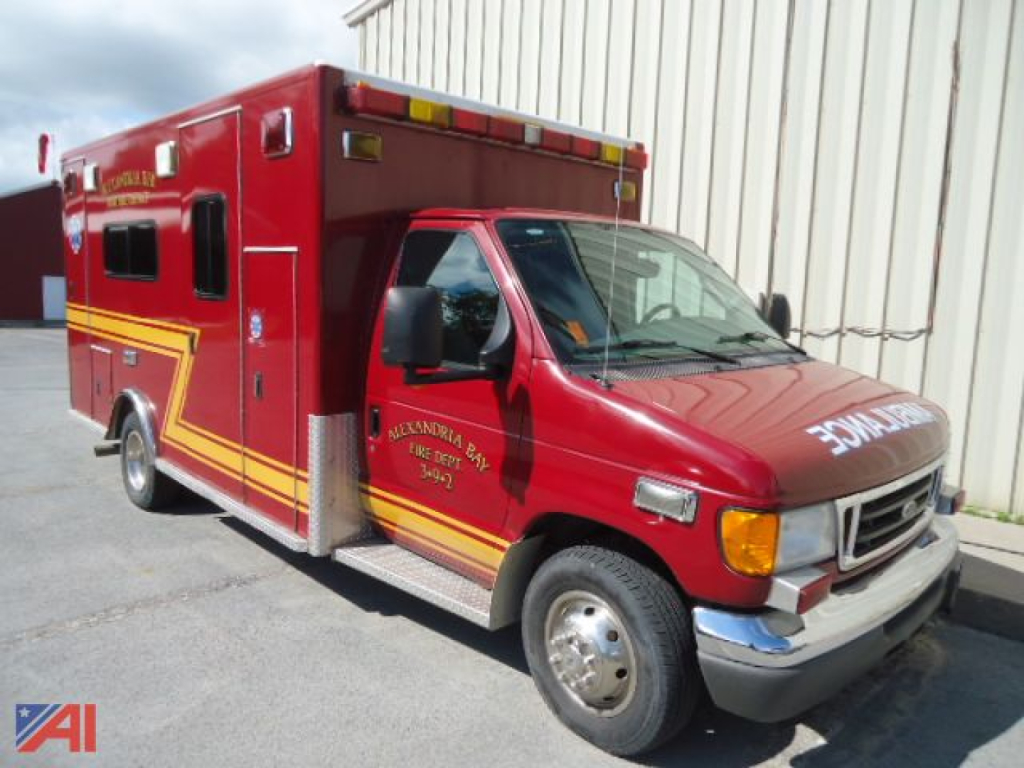
Have used ford ambulance truck to sell? List it here to reach thousands of buyers.
About Used Ford Ambulance Trucks
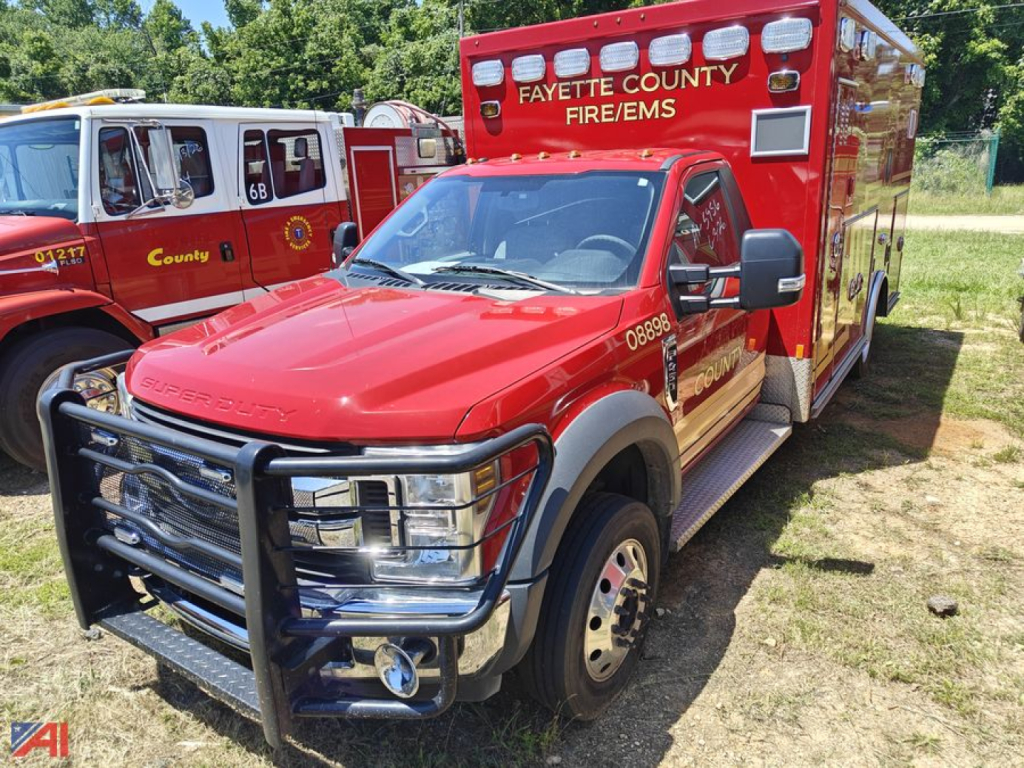
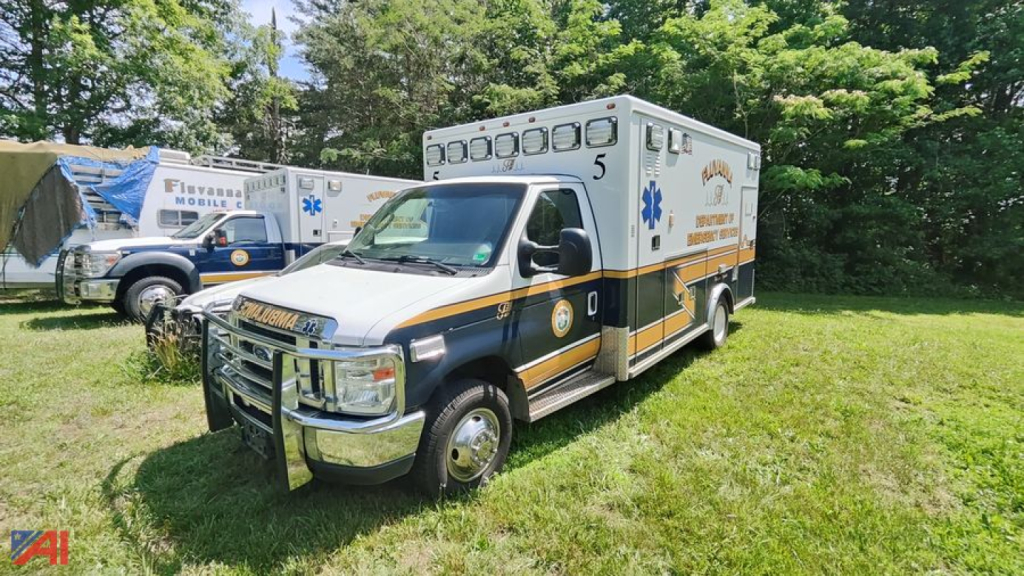
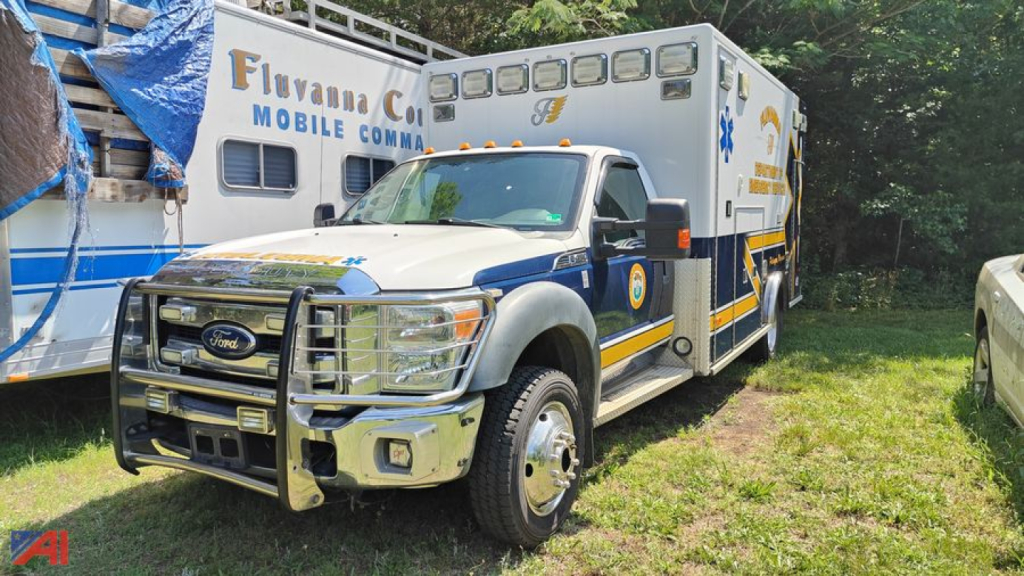
Body style matters as much as the truck itself. Ford ambulance units are commonly found as Type III models with a modular patient compartment mounted to a van-style cab chassis, though Type I and Type II configurations also appear depending on the original service role. Pay close attention to module construction, compartment layout, door seals, and signs of water intrusion. Aluminum body integrity, corrosion at mounting points, and the condition of hinges, latches, and compartment lighting can tell you a lot about how the truck was maintained. Interior condition also matters beyond appearance. Squad bench wear, cabinet hardware, attendant seat mounts, oxygen storage, and HVAC performance all affect usability and refurbishment cost.
Electrical and idle-hour condition are major decision points on any used ambulance. Many units accumulate substantial engine hours from scene standby, climate control loads, and emergency lighting use even when road miles look moderate. Buyers should compare odometer mileage with engine hours, generator or inverter setup, shoreline charging equipment, battery bank condition, and the state of the 12-volt and 110-volt systems. Emergency warning equipment, siren controllers, scene lights, suction, and medical cabinet wiring may need reconfiguration depending on the next owner’s intended use and local compliance requirements. If the truck is being repurposed outside frontline EMS, confirm what equipment will remain, what has been removed, and whether any decommissioning work was completed correctly.
Ford ambulance trucks are often purchased for reserve EMS duty, non-emergency medical transport conversion, fire department support, industrial response, and specialty mobile operations. The best value usually comes from matching the chassis and module to the job instead of buying strictly by age or price. A heavier Ford ambulance with a sound module and clean electrical system can be a better long-term buy than a lower-priced unit with hidden corrosion, idle wear, or outdated wiring. Buyers should also verify axle ratings, brake condition, suspension wear, tire date codes, and cooling system health, especially on units that spent years in stop-and-go municipal service.
Frequently Asked Questions
What Ford chassis are most common for used ambulance trucks?
The Ford E-Series is one of the most common ambulance platforms on the used market, especially the E-350 and E-450 cutaway chassis. The E-450 is often preferred for larger Type III ambulances because it offers higher GVWR and better payload capacity for a fully equipped module. Buyers should confirm the exact chassis rating, wheelbase, and body builder configuration because two ambulances that look similar can have very different carrying capacity and service suitability.
Why do engine hours matter on a used Ford ambulance?
Engine hours matter because ambulances spend a significant amount of time idling while powering HVAC, lighting, communications, and medical equipment. A unit with moderate road mileage can still have substantial wear from extended idle time. Comparing odometer miles to engine hours gives a more accurate picture of drivetrain use, cooling system demand, and long-term service life than mileage alone.
What should I inspect in the ambulance module before buying?
Focus on structural condition and water integrity first. Inspect the module roof, seams, compartment floors, door gaskets, hinge mounts, and body mounting points for leaks, corrosion, or fatigue. Inside the patient area, check cabinet latches, attendant seating mounts, flooring, HVAC performance, interior lighting, and signs of prior repairs. Problems in the module can be more expensive and time-consuming to correct than routine chassis maintenance.
Can a used Ford ambulance be repurposed for non-EMS work?
Yes, many used Ford ambulance trucks are repurposed for mobile clinics, industrial safety response, fire support, event medical standby, service bodies, and other specialty applications. The key is verifying what emergency equipment is still installed, what has been removed during decommissioning, and whether the electrical system can support the new use. Buyers should also check state and local rules for title status, warning light removal, and any required modifications before putting the vehicle into service.