
2026 Trucks For Sale in Illinois
Have 2026 truck to sell? List it here to reach thousands of buyers.
2026 Trucks in Illinois
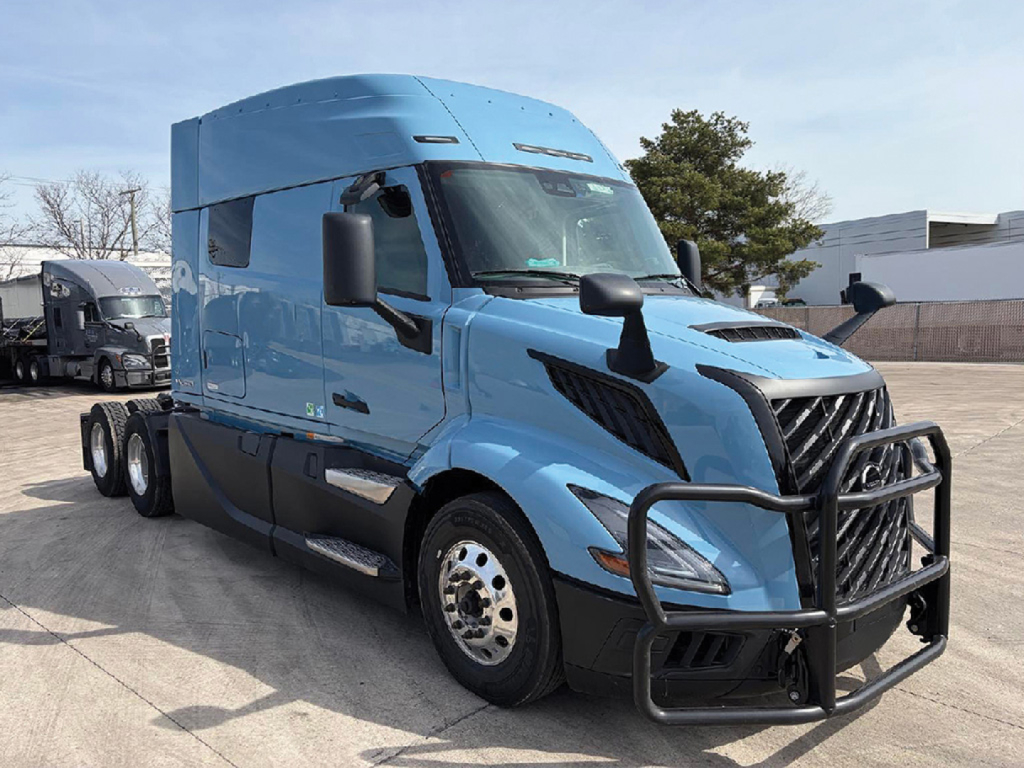
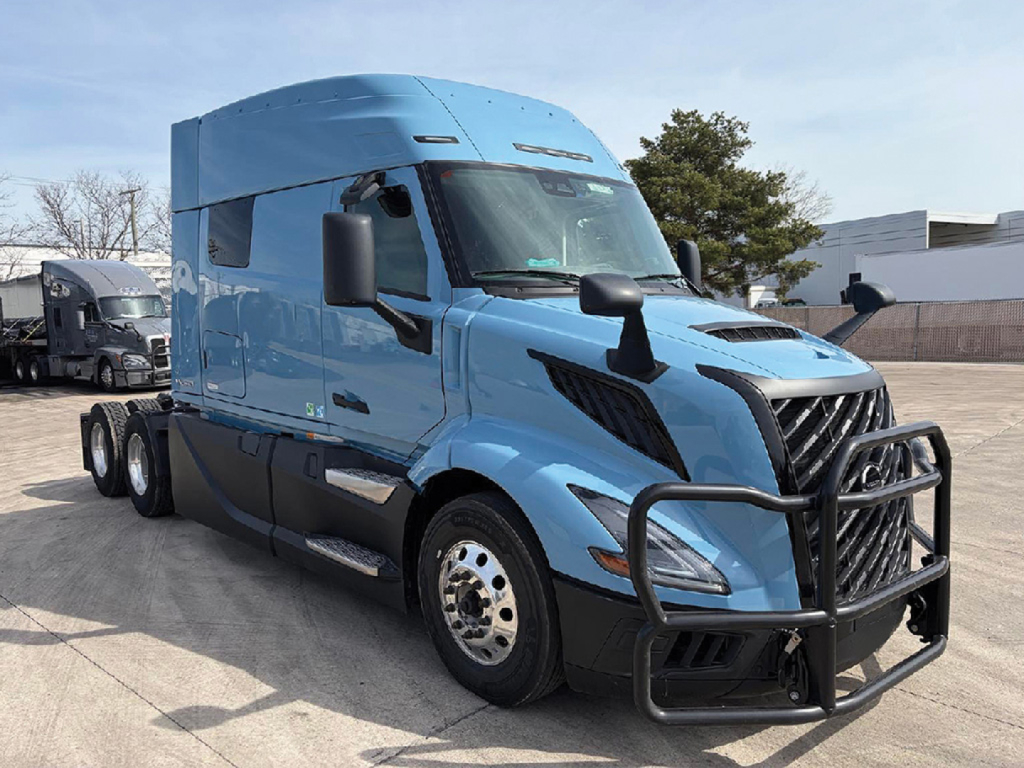
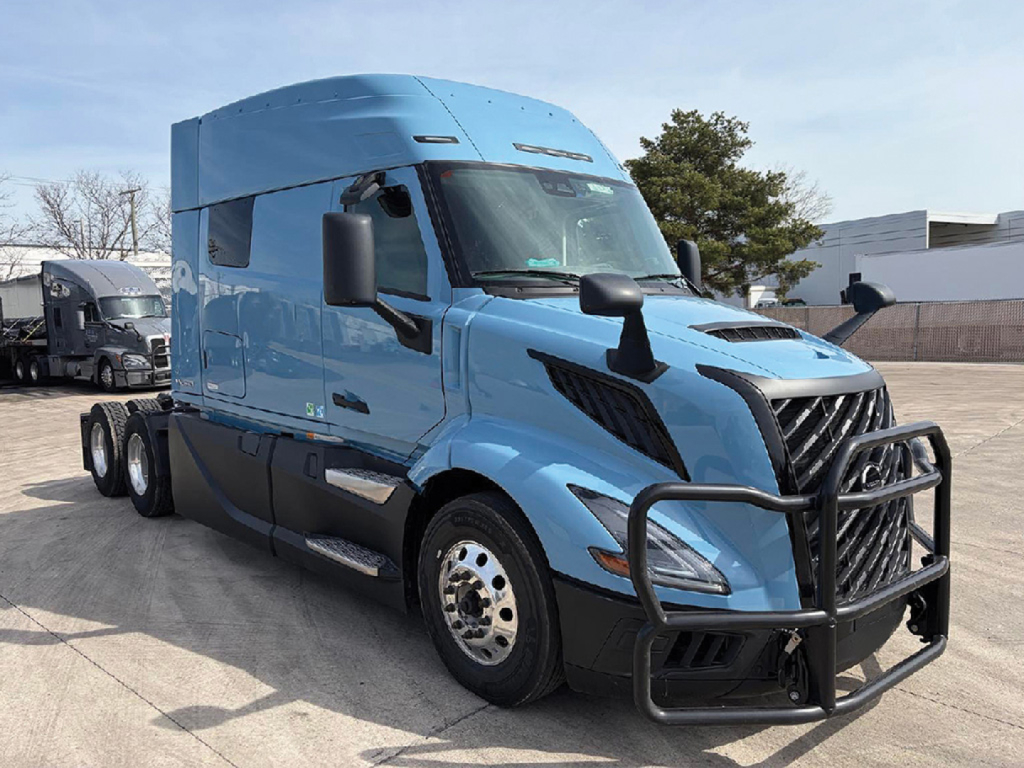
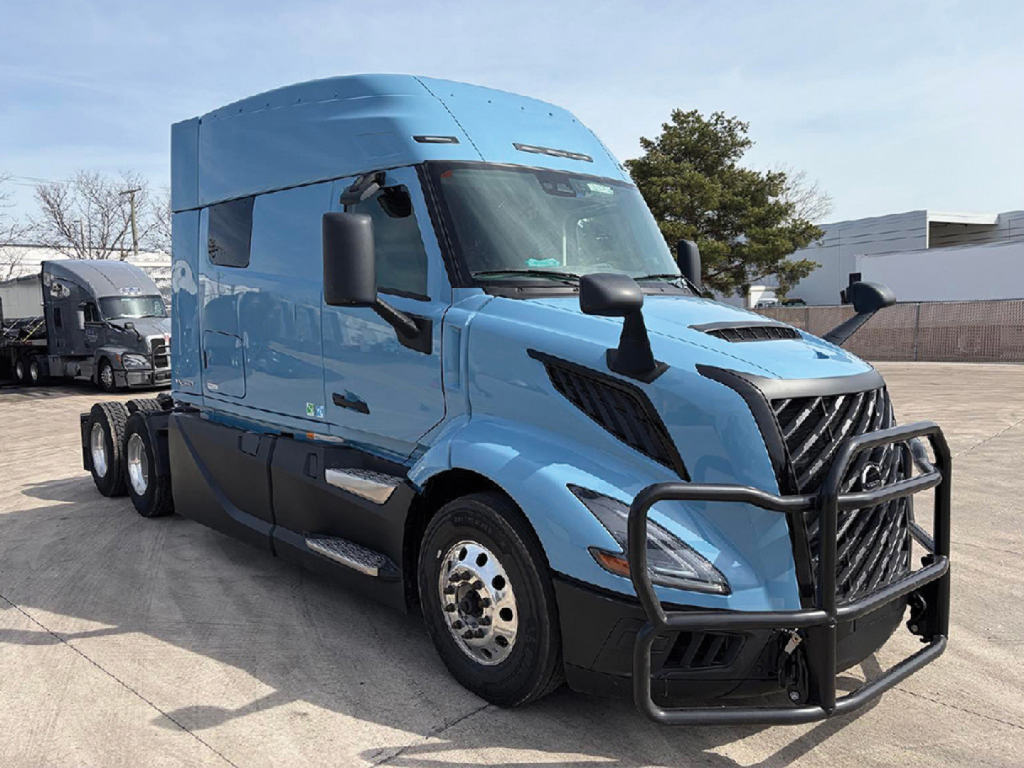
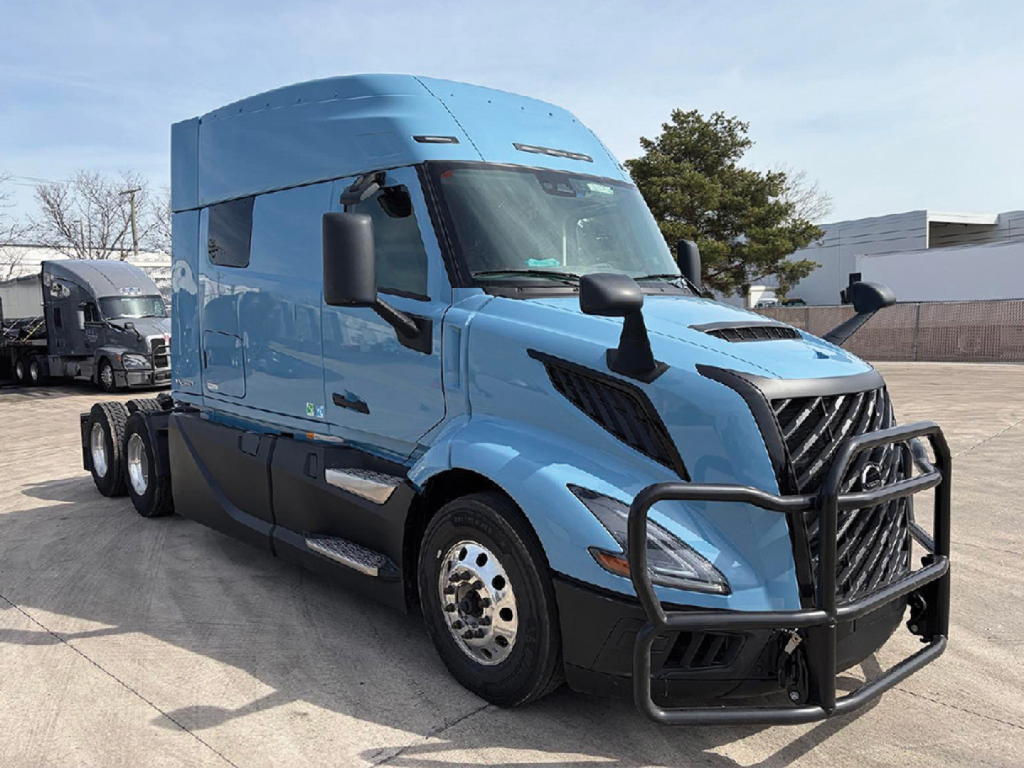
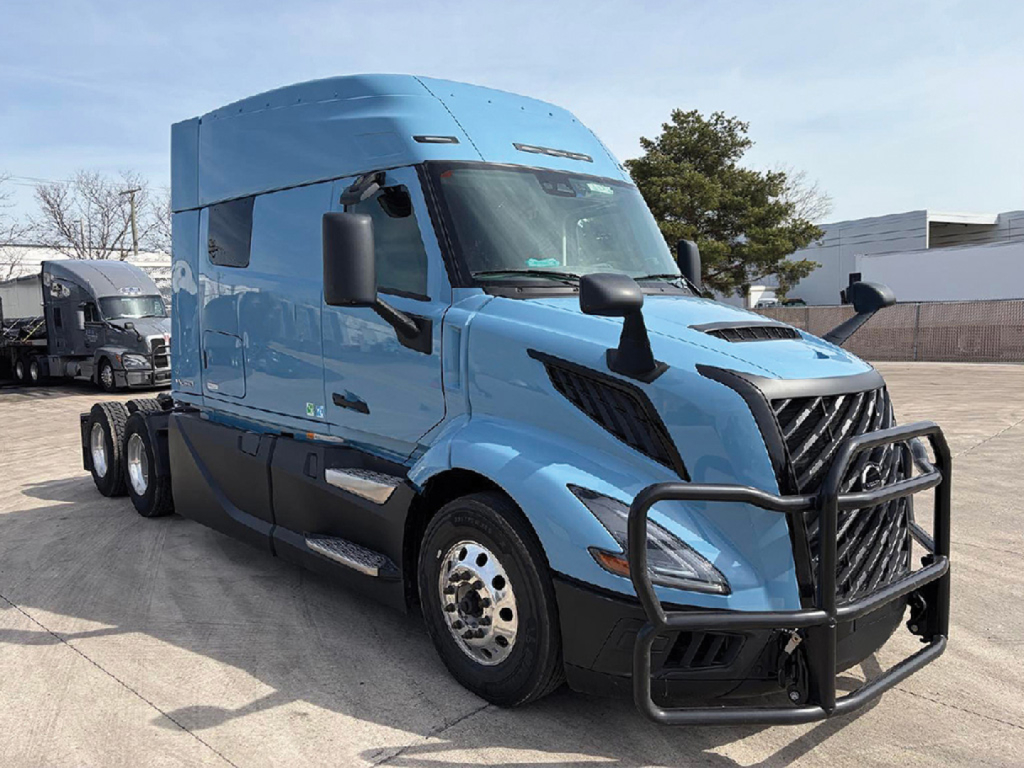
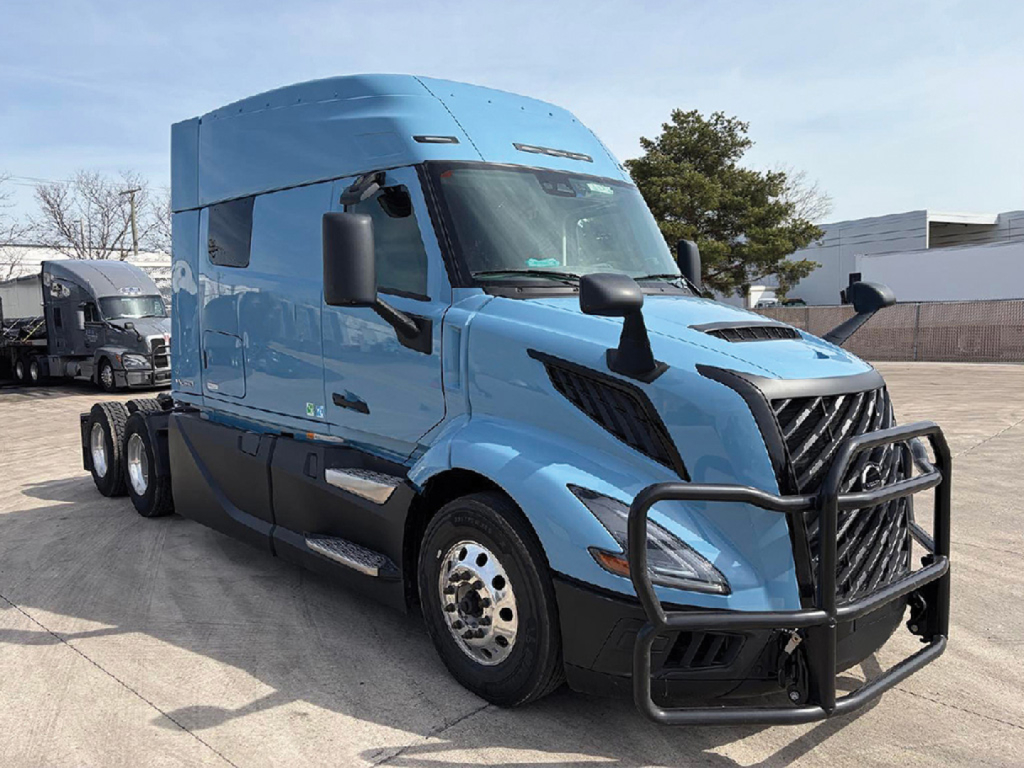
The biggest buying decision is usually sleeper versus daycab. A 2026 sleeper truck often brings a larger fuel capacity, longer wheelbase, bunk heater, refrigerator prep or factory refrigerator, upper bunk options, and an air-slide fifth wheel for varied trailer positions. A 2026 daycab typically prioritizes maneuverability, lower tare weight, and easier access for slip-seat or multi-driver operations. For Illinois buyers running Chicago, Joliet, Bloomington, Peoria, Rockford, or interstate freight corridors, wheelbase, rear axle ratio, and fifth-wheel travel matter because they affect bridge law compliance, trailer gap, and how the truck handles mixed city and highway duty.
Late-model 2026 trucks commonly feature 12-speed or 13-speed automated transmissions, engine brakes, 40,000 lb rears, air ride suspension, disc or drum brake configurations, and low-profile 22.5 tires. Rear axle ratios in this class often lean tall for fuel economy, especially on sleeper tractors spec'd for steady highway speeds. Many also include collision mitigation systems, digital dash displays, adaptive cruise features, and improved visibility packages. Buyers comparing trucks in this category should pay close attention to engine family, transmission model, axle ratio, maintenance history, emissions warranty status, and whether the truck is set up with dual tanks, APUs, super singles, or standard duals. Those details have a direct impact on operating cost, resale value, and fit for specific freight lanes.
Illinois fleets and owner-operators often look at 2026 trucks as a way to step into newer emissions and safety technology without moving into a specialty chassis. For general freight, dry van, reefer, and many flatbed applications, a conventional Class 8 tractor from this model year can offer a strong balance of comfort, uptime, and fuel economy. The best choice depends less on brand alone and more on the match between cab configuration, drivetrain spec, axle ratio, wheelbase, and the trailer types the truck will actually pull every week.
Frequently Asked Questions about 2026 Trucks in Illinois
What types of 2026 trucks are most common in Illinois?
The most common 2026 trucks in Illinois are Class 8 conventional tractors, especially daycabs and sleeper trucks. Daycabs are common in regional haul, intermodal, and local freight operations, while sleepers are more common in over-the-road and multi-state lanes. Most are spec'd with aerodynamic fairings, automated manual transmissions, air ride suspension, and 40,000 lb tandem rears for general freight work.
Is a 2026 daycab or sleeper better for my operation?
A daycab is usually the better fit for local, regional, port, rail, and dedicated route work where the driver returns regularly and maneuverability matters. A sleeper is usually the better fit for long-haul freight because it adds bunk space, larger fuel capacity, and more driver comfort for nights on the road. The decision should be based on route length, trailer type, customer dwell time, and how often the truck needs to operate away from the terminal.
What specs matter most when comparing 2026 trucks for sale?
The most important specs are engine rating, transmission type, rear axle ratio, wheelbase, suspension, brake type, and fifth-wheel setup. These determine fuel economy, launch performance, cruising RPM, trailer compatibility, and how the truck fits your lanes. Buyers should also verify tire configuration, fuel tank capacity, emissions coverage, safety systems, and any idle-reduction equipment such as an APU or bunk heater.
Are 2026 trucks likely to have more driver-assistance and fuel-efficiency features?
Yes. Trucks in the 2026 model year commonly include advanced safety and efficiency features such as collision mitigation, adaptive cruise functions, digital instrument clusters, improved aero packages, and automated transmissions calibrated for fuel economy. Many also use tall axle ratios and integrated powertrain programming to keep engine speed down at highway cruise, which can reduce fuel burn when the truck is matched to the right load and terrain.
What should Illinois buyers watch for on a late-model 2026 truck?
Illinois buyers should pay close attention to axle ratio, wheelbase, and overall spec relative to the freight they plan to haul. A truck set up for steady interstate work may not be ideal for Chicago-area urban delivery, tight dock access, or frequent trailer swaps. It is also smart to review service records, brake and tire condition, warranty status, and any signs the truck's original spec does not match your actual duty cycle.