
2026 Conventional Sleeper Trucks For Sale in Illinois
Have 2026 conventional sleeper truck to sell? List it here to reach thousands of buyers.
2026 Conventional Sleeper Trucks in Illinois
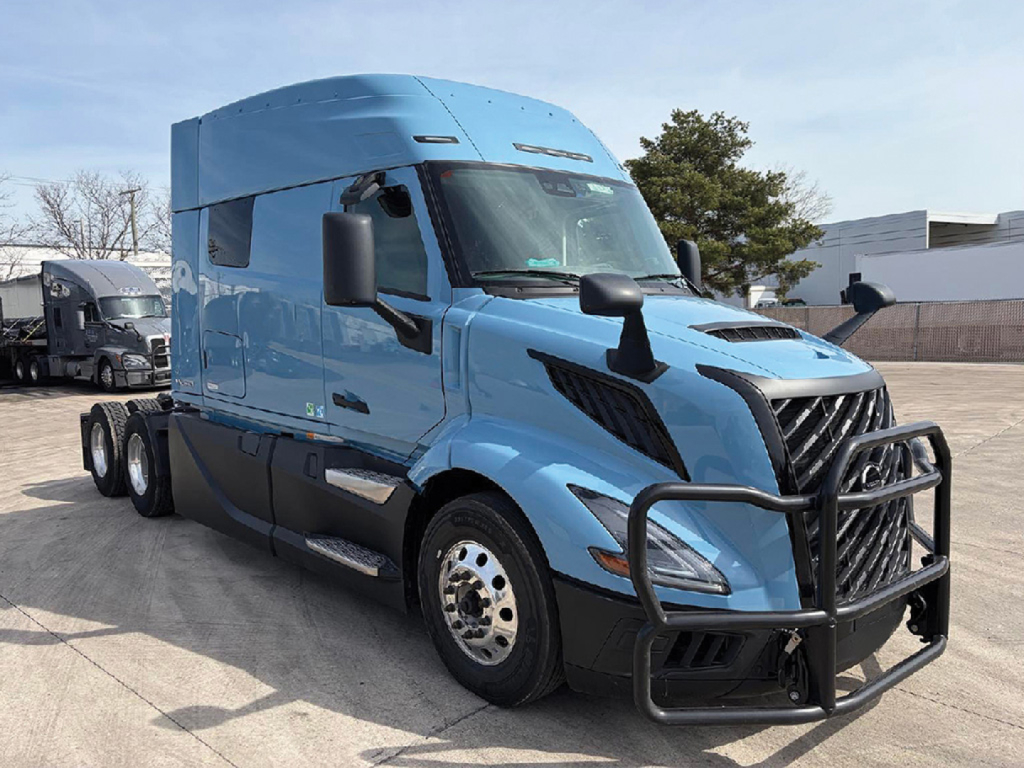
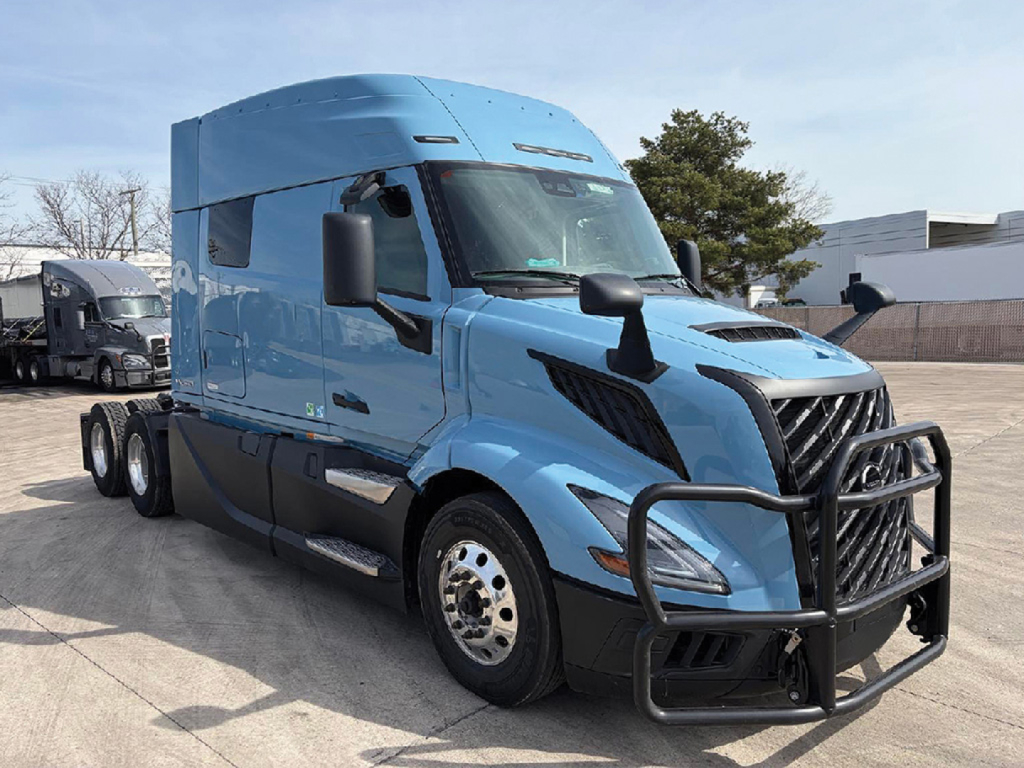
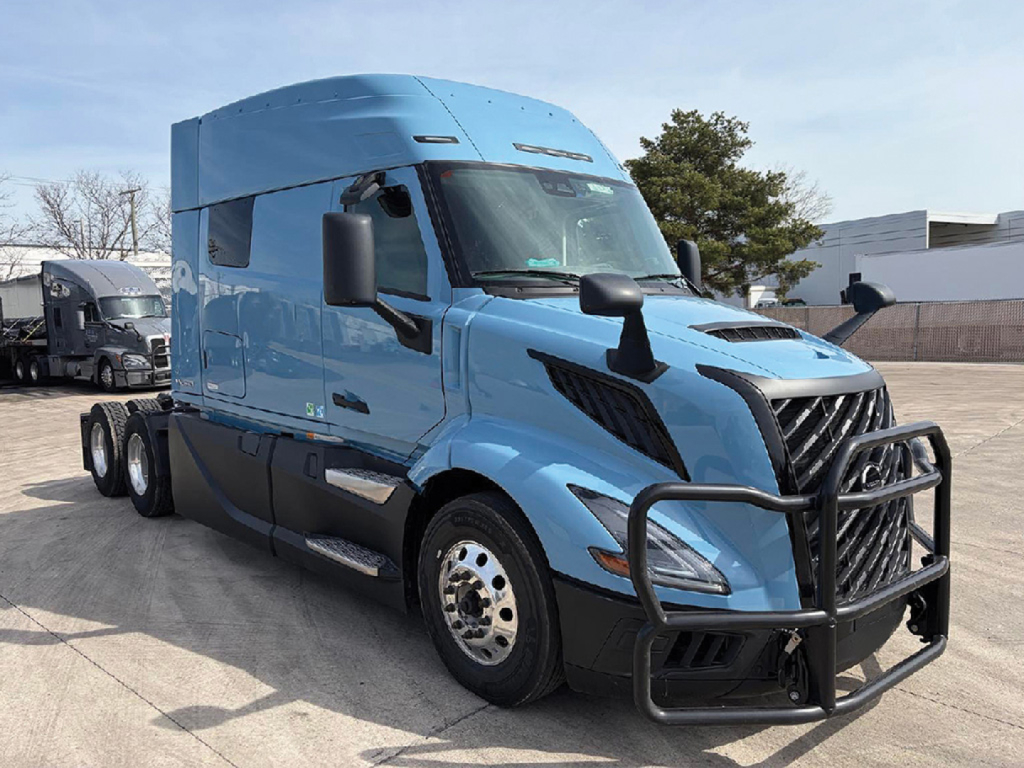
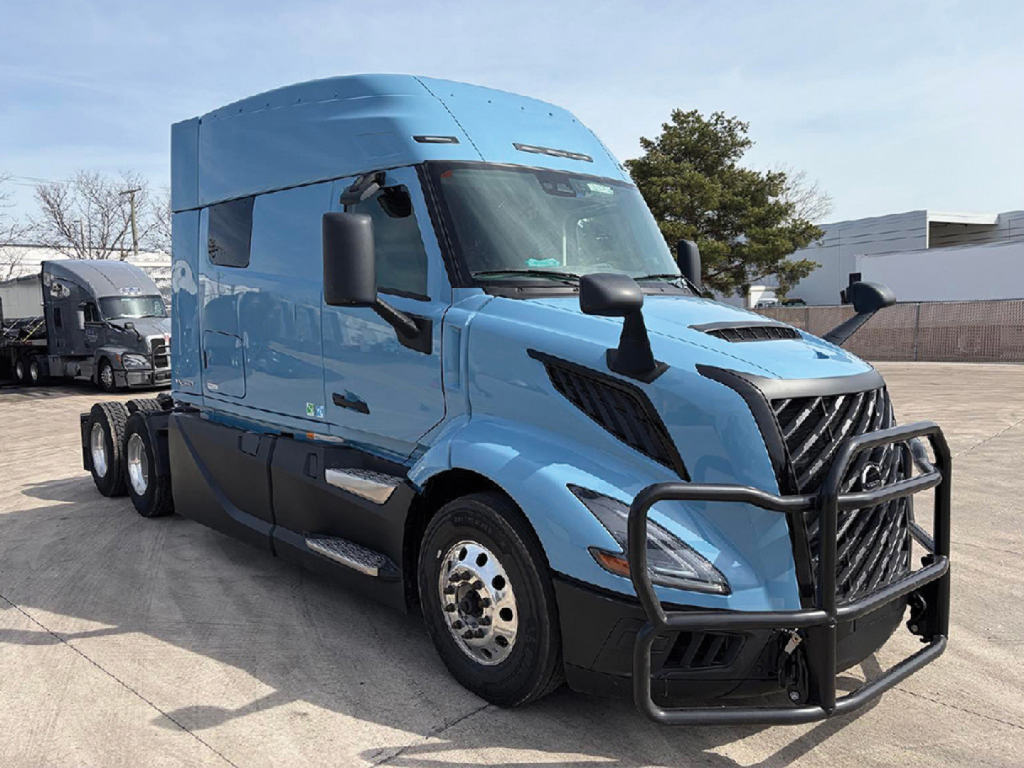
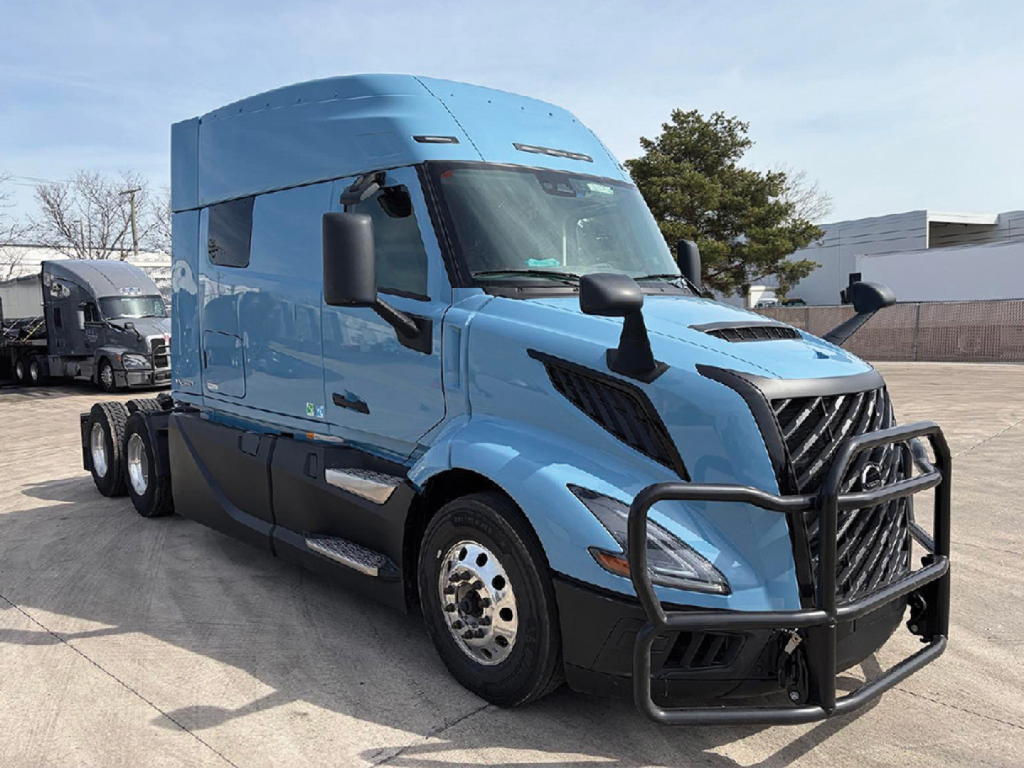
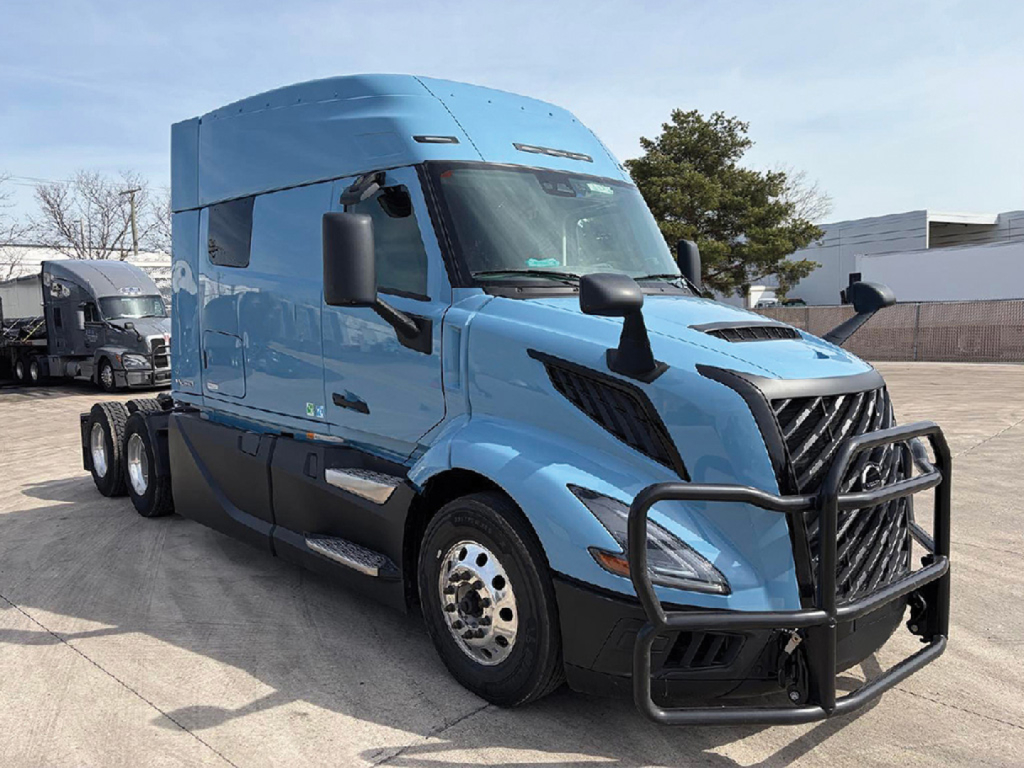
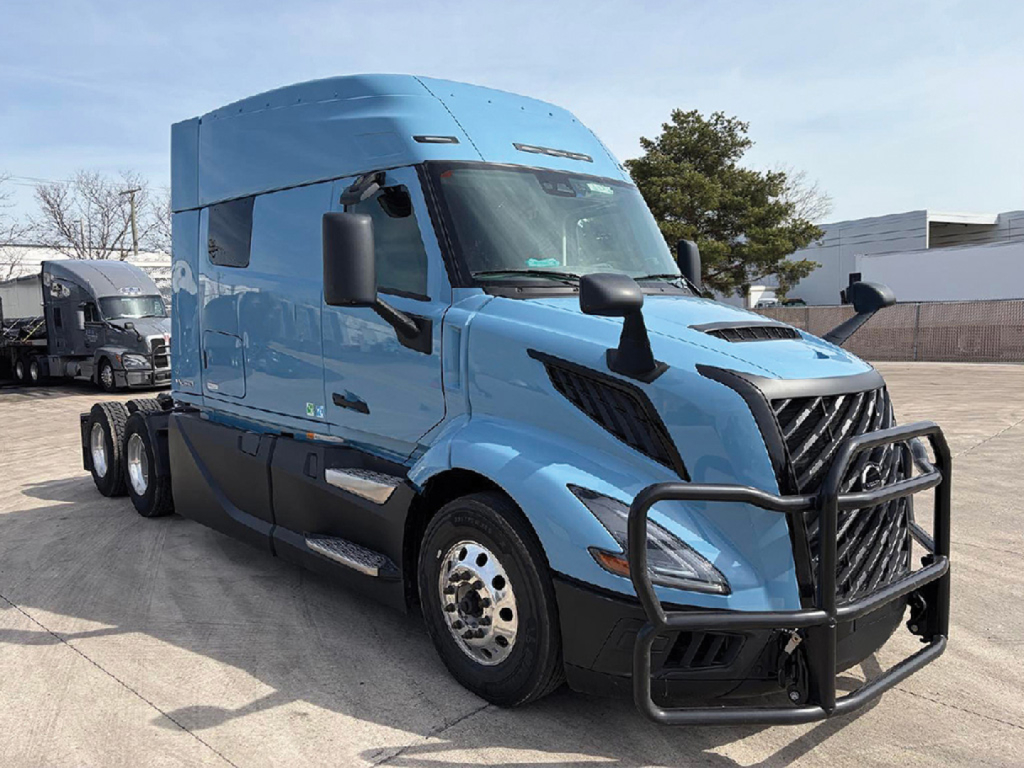
Most late-model conventional sleepers are spec'd with 13 to 15 liter diesel engines in roughly the 400 to 505 horsepower range, paired with automated manual transmissions and 40,000 lb rear axles. Common long-haul ratios such as 2.64, 2.79, 3.08, and 3.25 are chosen to balance cruise RPM, startability, and fuel burn. A raised-roof 72 to 76 inch sleeper is a common fit for over-the-road service, while a 48 to 60 inch mid-roof sleeper can make more sense for regional operations that still need bunk space without the extra height and weight. Wheelbase, fifth wheel travel, and fuel capacity deserve close attention if the truck will pull a mix of van, reefer, or heavier deck freight.
For Illinois operation, aerodynamics and idle management can have a direct effect on operating cost across I-55, I-57, I-70, I-80, and dense Chicago-area freight corridors. Features such as bunk heaters, APUs, collision mitigation systems, adaptive cruise, disc brakes, and air slide fifth wheels are no longer fringe options on serious fleet specs. Driver retention also shows up in the spec sheet. Upper bunks, better storage, premium interior packages, inverter prep, and quieter sleepers matter when the truck is living space as much as it is revenue equipment. If winter traction and stop-and-go freight are part of the job, tire spec, suspension setup, and axle ratio are just as important as engine rating.
The strongest 2026 conventional sleeper specs usually reflect a clear application instead of trying to do everything. A fuel-mileage focused fleet tractor may lean toward a downsped drivetrain, full aero package, and lighter configuration. A heavier or more versatile spec may carry more horsepower, a shorter ratio, broader fifth wheel adjustment, and added durability items. Buyers comparing listings should look beyond model names and pay close attention to sleeper height, engine family, transmission type, rear ratio, wheelbase, brake configuration, and driver amenities because those details determine how well a conventional sleeper fits the freight and how expensive it will be to run.
Frequently Asked Questions about 2026 Conventional Sleeper Trucks in Illinois
What is a conventional sleeper truck?
A conventional sleeper truck is a highway tractor with a forward engine hood and a built-in compartment behind the cab for driver rest and storage. It is designed for long-haul and overnight operation, with sleeper sizes commonly ranging from compact mid-roof layouts to 72 inch or 76 inch raised-roof configurations. In the used and new truck market, it may also be called a conventional sleeper tractor or highway sleeper.
What sleeper size is best for a 2026 conventional sleeper truck?
The right sleeper size depends on length of haul, driver schedule, and payload priorities. A 72 inch to 76 inch high-roof sleeper is usually the preferred setup for over-the-road freight because it provides more standing room, storage, and livability. A 48 inch to 60 inch mid-roof sleeper often fits regional or dedicated lanes better because it can reduce weight, lower overall height, and keep the wheelbase more compact.
What engine and drivetrain specs are common in conventional sleeper trucks?
Most conventional sleepers in this class are built with 13 liter to 15 liter diesel engines, typically rated around 400 to 505 horsepower, and paired with automated manual transmissions. Tandem rear axles rated at 40,000 lb are common, along with ratios like 2.79, 3.08, or 3.25 depending on cruising speed and terrain. Buyers should match horsepower, torque, transmission gearing, and axle ratio to freight weight and operating speed instead of choosing by horsepower alone.
What should Illinois buyers look for in a long-haul sleeper tractor?
Illinois buyers should focus on specs that fit Midwest freight patterns, winter weather, and a mix of interstate and urban operation. Fuel economy features matter on long interstate runs, but durability and braking matter in congestion and seasonal conditions. Disc brakes, collision mitigation, bunk heaters, APUs, air ride suspension, and a practical wheelbase can all add value depending on the route structure and the trailers being pulled.
How important are axle ratio and wheelbase on a conventional sleeper?
Axle ratio and wheelbase are two of the most important spec decisions because they affect fuel economy, maneuverability, startability, and trailer compatibility. A taller ratio can reduce engine RPM and help fuel mileage on steady highway routes, while a shorter ratio may perform better with heavier freight or more frequent starts. Wheelbase influences turning radius, ride quality, fifth wheel placement, and how well the tractor fits different trailer lengths and bridge law requirements.