
2025 Commercial Trucks For Sale in North Carolina
Browse 2025 trucks for sale in North Carolina, including pickups, day cabs, sleepers, dump, tow, refuse, and vocational truck options.
Selling a 2025 commercial truck? List your 2025 commercial truck for sale and reach thousands of commercial buyers.
2025 Commercial Trucks in North Carolina
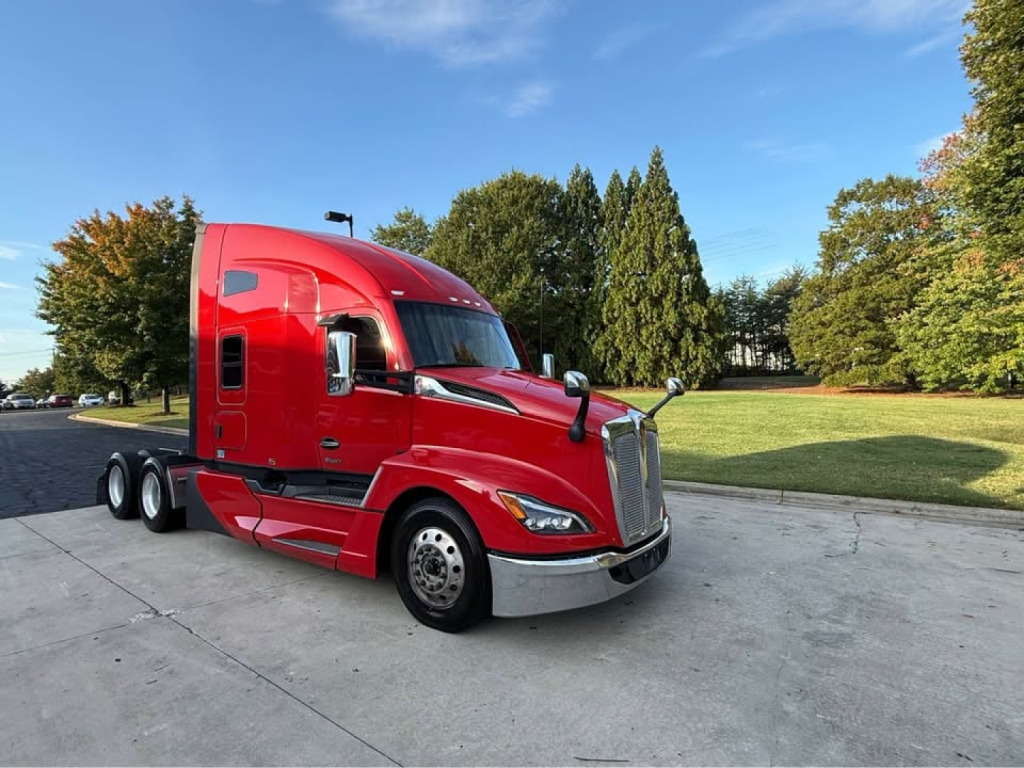
For highway use, 2025 conventional day cabs and sleeper trucks are typically evaluated around engine ratings, transmission spec, rear axle ratio, and fuel economy technology. Fleets running I-40, I-85, and port or distribution lanes often compare automated manual transmissions against traditional manuals, especially where driver availability and operating consistency matter. Wheelbase, fifth-wheel placement, and front axle capacity are key if the truck will pull different trailer lengths or operate near maximum legal weight. On sleeper models, bunk size, idle management equipment, and fairing configuration can matter just as much as horsepower if the truck will stay out for multi-day runs.
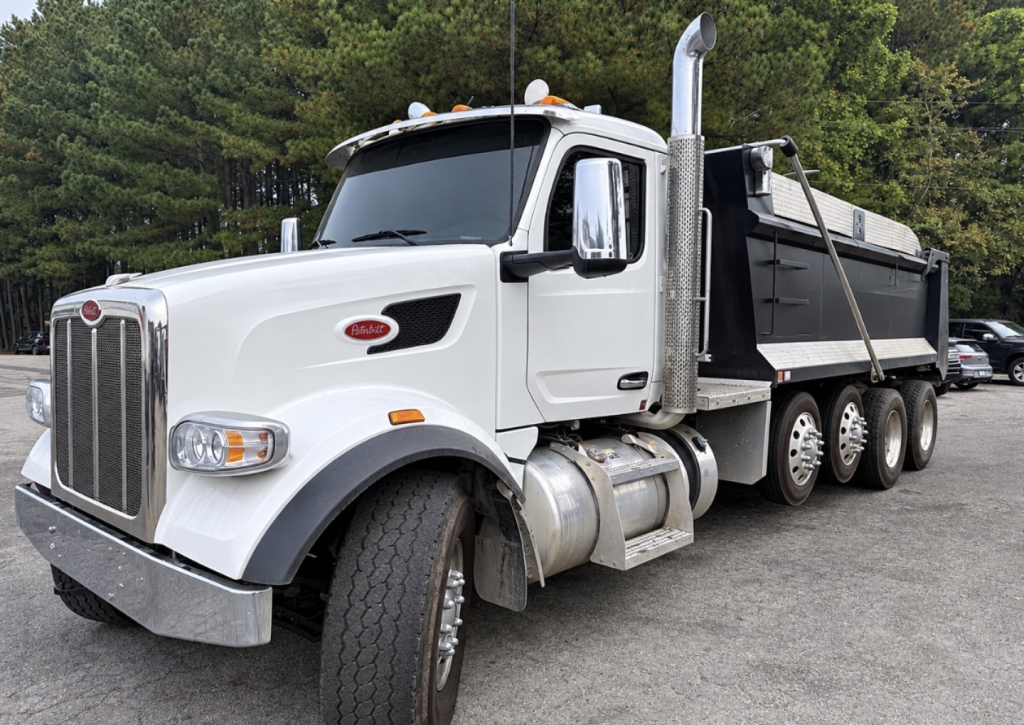
Vocational buyers in North Carolina tend to focus on durability and body integration. Dump trucks, refuse trucks, wreckers, and municipal-spec units need the right frame, axle capacity, suspension, and PTO setup before anything else. Bridge law, local quarry work, paving, site development, and municipal stop-and-go service all place different demands on a chassis. A dump truck may need a high-lift tailgate, locking diffs, and heavy rear suspension, while a rollback or tow truck needs the proper carrier length, wheel-lift rating, and winch capacity. Refuse applications often prioritize tight turning radius, low-cab-forward or set-back axle visibility, and hydraulic system service history.
For light-duty and medium-duty 2025 trucks, buyers usually compare gas versus diesel, 2WD versus 4WD, crew cab versus regular cab, and bed or body configuration. Pickup trucks used by contractors, utilities, and field service operations often need towing stability, integrated brake controllers, and upfitter switches more than luxury trim. Medium-duty chassis for box, stake, reefer, or service body work should be reviewed for cab-to-axle length, frame height, and body-builder support. Across all truck classes, a strong 2025 spec is one that matches the job on day one and leaves enough capacity for the route, body, and growth plan over the life of the truck.
Frequently Asked Questions about 2025 Commercial Trucks in North Carolina
What should I look for first when comparing 2025 trucks for sale in North Carolina?
Start with the job the truck has to do. Buyers should match the truck to payload, trailer type, body requirements, and route conditions before comparing makes or trim levels. Key points include GVWR, axle ratings, wheelbase, PTO capability, cab configuration, and powertrain spec. In North Carolina, terrain, municipal use, construction work, and regional highway lanes can all change what counts as the right truck.
Are 2025 trucks in this category only semi trucks?
No. The truck category can include everything from light-duty pickups to medium-duty chassis and heavy-duty commercial trucks. That means a buyer may see pickup trucks, day cab and sleeper tractors, dump trucks, tow trucks, refuse trucks, and other vocational units. The important step is to filter by application and chassis class, because the term truck covers a wide range of equipment.
How important are axle configuration and wheelbase on a 2025 truck?
They are critical because they affect payload distribution, turning radius, body fitment, bridge compliance, and trailer compatibility. A longer wheelbase can improve ride and support certain body lengths, but it may reduce maneuverability on tighter jobsites or urban routes. Axle configuration matters even more on dump, refuse, and heavy haul applications where legal weight and durability are major concerns.
What features matter most on a 2025 vocational truck?
The most important features are usually frame strength, suspension spec, axle ratings, PTO setup, and how well the chassis matches the body equipment. For example, a dump truck needs the right hoist and suspension support, a rollback needs adequate deck and wheel-lift ratings, and a refuse truck needs hydraulic reliability and tight turning capability. Vocational buyers should also review upfitter documentation, body installation quality, and service access.
Is diesel always the best choice for a 2025 truck?
Not always. Diesel remains the standard for heavier payloads, frequent towing, long mileage cycles, and most Class 7-8 work because it delivers strong torque and durability. Gas engines can make sense for lighter-duty service, lower annual mileage, and operations that want lower initial cost or simpler maintenance. The best choice depends on duty cycle, average load, idle time, fuel availability, and total cost over the expected ownership period.