
2025 Commercial Trucks For Sale in Nebraska
Browse 2025 trucks for sale in Nebraska, including day cabs and sleepers with modern powertrains, safety systems, and fleet-ready specs.
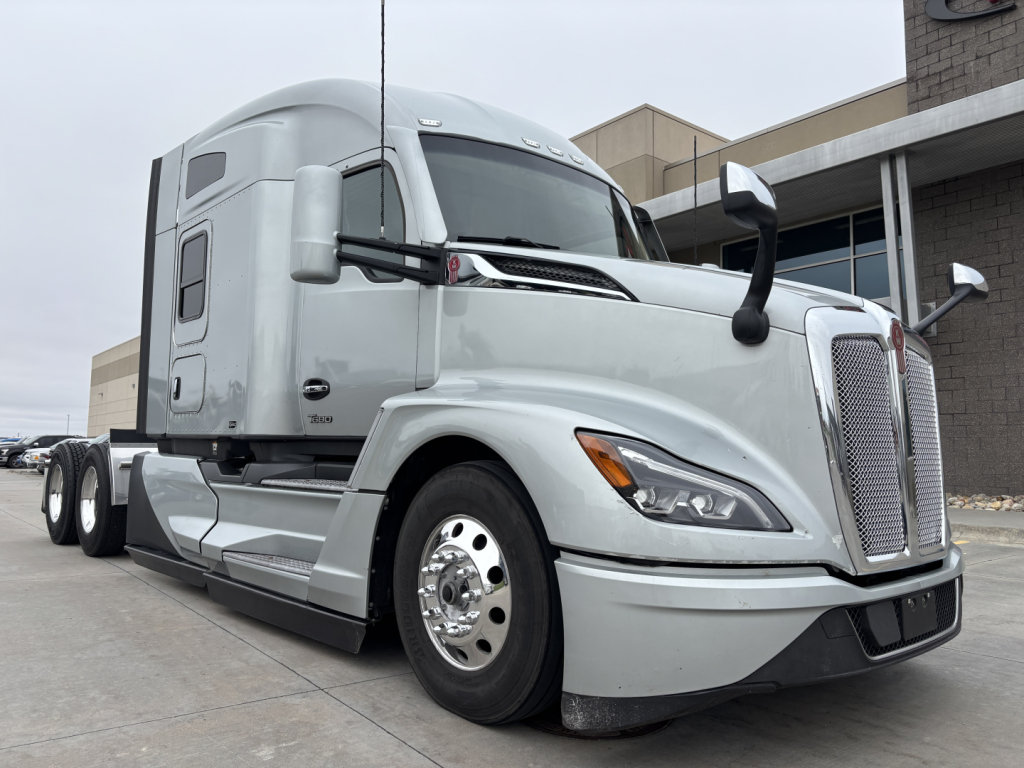
Selling a 2025 commercial truck? List your 2025 commercial truck for sale and reach thousands of commercial buyers.
2025 Commercial Trucks in Nebraska
The biggest buying decisions usually come down to engine, transmission, axle ratio, and wheelbase. Current-spec trucks in this category commonly run Detroit DD13 or DD15, Cummins X15, or Volvo D13 platforms, typically in the 400 to 505 horsepower range. Automated manual transmissions such as Detroit DT12, Volvo I-Shift, and Eaton Endurant-style spec packages are now the norm for many fleets because they improve shift consistency, support fuel economy targets, and reduce driver fatigue. Rear axle ratings around 40,000 pounds are common on highway tractors, while ratios in the mid-2s to mid-3s are selected based on route profile, cruise speed, and whether the truck is optimized for mileage or heavier pulling.
For a buyer comparing 2025 trucks for sale, cab and chassis details matter just as much as the badge on the hood. Day cabs often carry wheelbases in the mid-160 to 190-inch range for maneuverability and vocational crossover use, while sleeper tractors commonly stretch into the 220-inch range and beyond to support larger fuel capacity, fairings, and sleeper accommodations. Raised roof and high-roof sleepers, often 72 to 80 inches, are typical for over-the-road use. Features like air slide or stationary fifth wheels, disc brakes, collision mitigation systems, digital dash layouts, APUs, bunk heaters, and dual aluminum fuel tanks can materially affect resale value and operating cost. Buyers running reefer, dry van, or dedicated lanes should also pay attention to fairing condition, tire spec, and whether the truck includes the right fifth wheel setup and fuel capacity for the intended trailer and route length.
Nebraska buyers also tend to value durability in wind, winter conditions, and long-distance interstate service. That puts extra importance on aerodynamics, engine brake performance, suspension spec, and service-network support. A well-matched 2025 truck should not just meet horsepower targets on paper. It should fit the freight, average load, driver pool, maintenance plan, and expected trade cycle. When comparing trucks in this model year, focus on total operating profile: emissions warranty coverage, safety electronics, sleeper comfort, axle gearing, and the exact spec required for regional haul, long-haul, or mixed fleet use.
Frequently Asked Questions about 2025 Commercial Trucks in Nebraska
What is the difference between a 2025 day cab truck and a 2025 sleeper truck?
A day cab is a non-sleeper conventional tractor built for local or regional work where the driver returns regularly and does not need onboard living space. A sleeper truck adds an integrated bunk compartment, usually in raised-roof or high-roof form, for over-the-road operation. The sleeper configuration typically has a longer wheelbase, higher fuel capacity, and more aerodynamic bodywork for highway use, while the day cab is usually shorter and easier to maneuver in tighter yards and urban delivery environments.
What engine and transmission specs are common in 2025 highway trucks?
Most 2025 highway tractors are equipped with modern diesel engines in the 13-liter to 15-liter class, commonly rated around 400 to 505 horsepower depending on duty cycle. Popular engine families include Detroit DD13 and DD15, Cummins X15, and Volvo D13. Automated manual transmissions are now standard in many fleet and owner-operator specs because they improve fuel efficiency, help standardize driver performance, and reduce clutch-related wear compared with traditional manuals.
What axle ratio is best for a 2025 truck in Nebraska?
The best axle ratio depends on the truck's route profile, average gross weight, and target cruise speed. Lower numerical ratios such as 2.47 or 2.64 are often chosen for fuel-efficient highway service on flatter lanes, while higher ratios like 3.08 or 3.58 can make sense for heavier loads, more stop-and-go work, or routes with more grade resistance. Nebraska-based operations that run long interstate miles often lean toward faster ratios for mileage, but the correct choice should always match engine torque, transmission gearing, and trailer application.
Are safety and driver-assist systems important on 2025 trucks?
Yes. Safety systems have become a major part of the value equation on newer trucks. Features such as collision mitigation, adaptive cruise functions, lane support technology, digital visibility aids, and disc brake packages can improve driver confidence, reduce accident exposure, and support fleet insurance and safety goals. For many buyers, these systems are no longer optional because they influence uptime, hiring, retention, and long-term operating risk.
What should buyers inspect first when comparing 2025 trucks for sale?
Start with the core operating spec rather than cosmetic details. Confirm engine model, horsepower, transmission type, rear axle rating, axle ratio, wheelbase, and fifth wheel configuration. Then review the truck's intended use against fuel capacity, sleeper size if applicable, brake package, suspension, and safety equipment. On a newer truck, warranty status, emissions coverage, and service history are also critical because they affect total cost of ownership more than trim level or appearance.