
2025 Commercial Trucks For Sale in Missouri
Browse 2025 trucks for sale in Missouri, including light, medium, and heavy-duty commercial truck options for delivery, service, hauling, and fleet use.
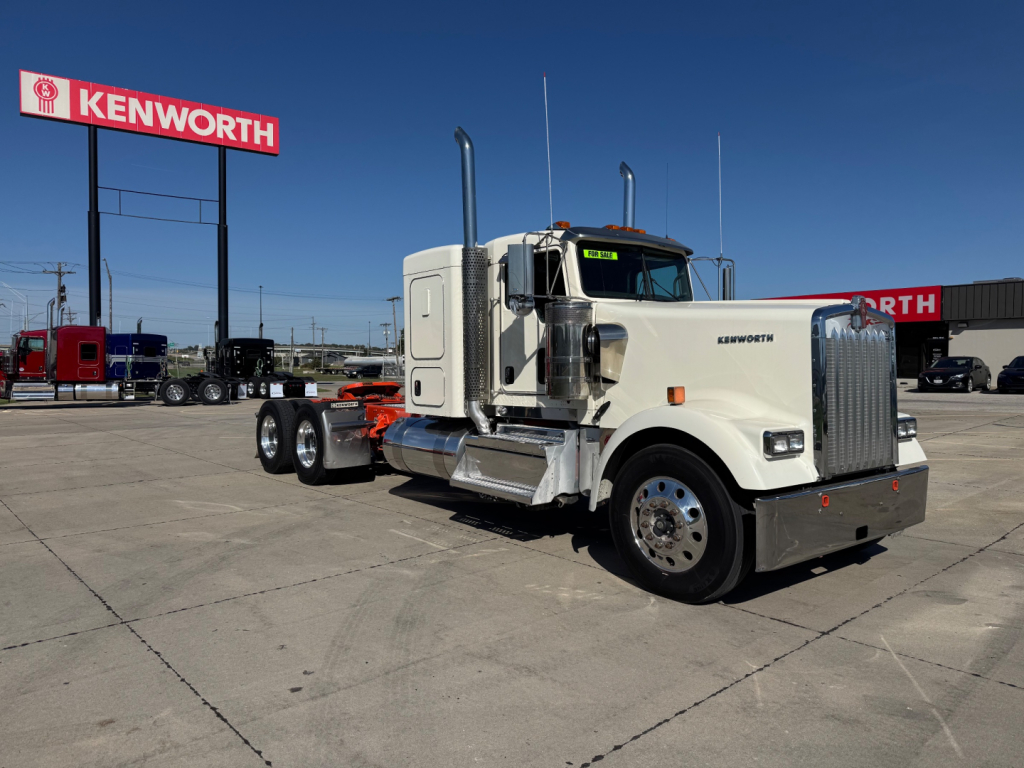
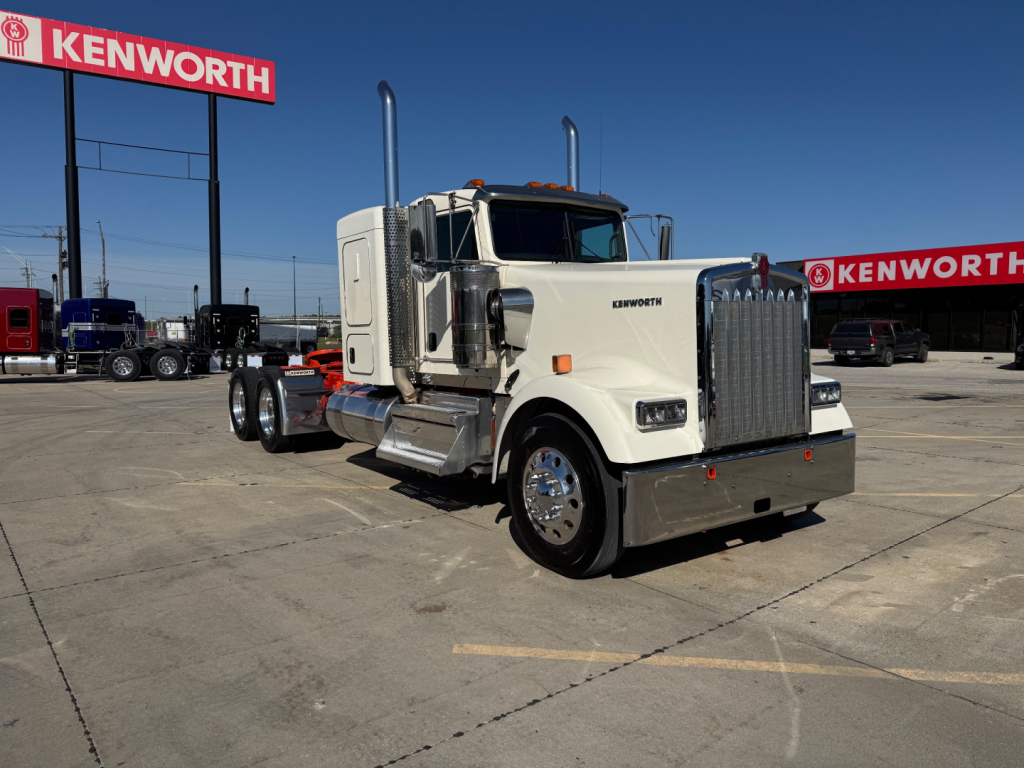
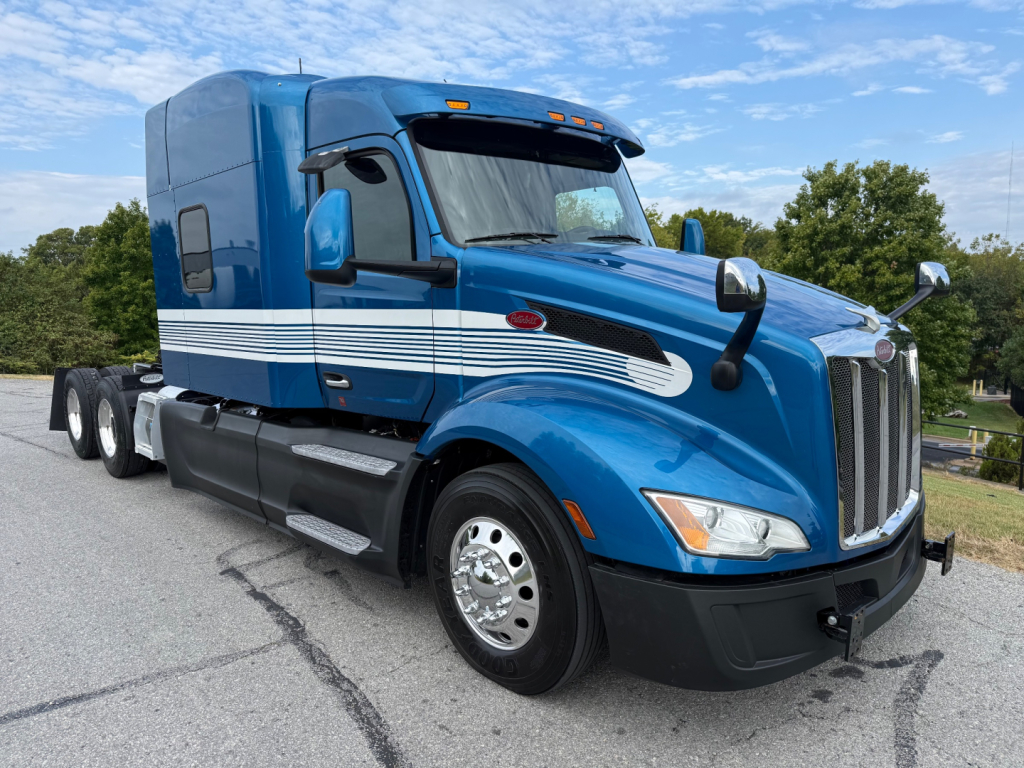
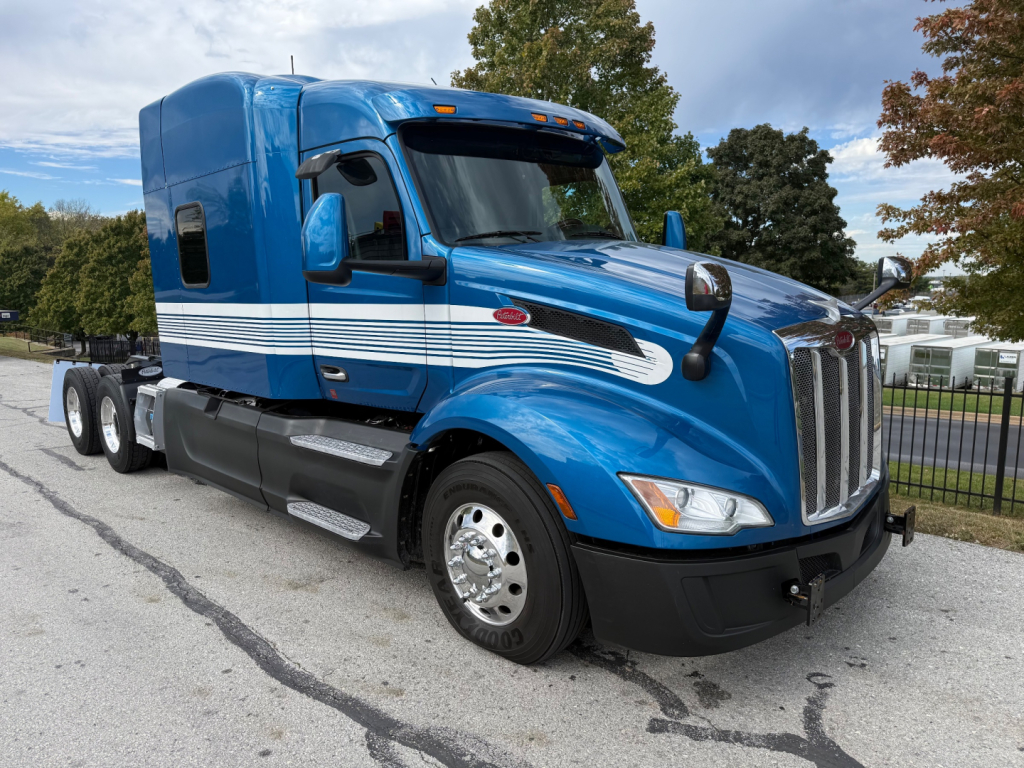
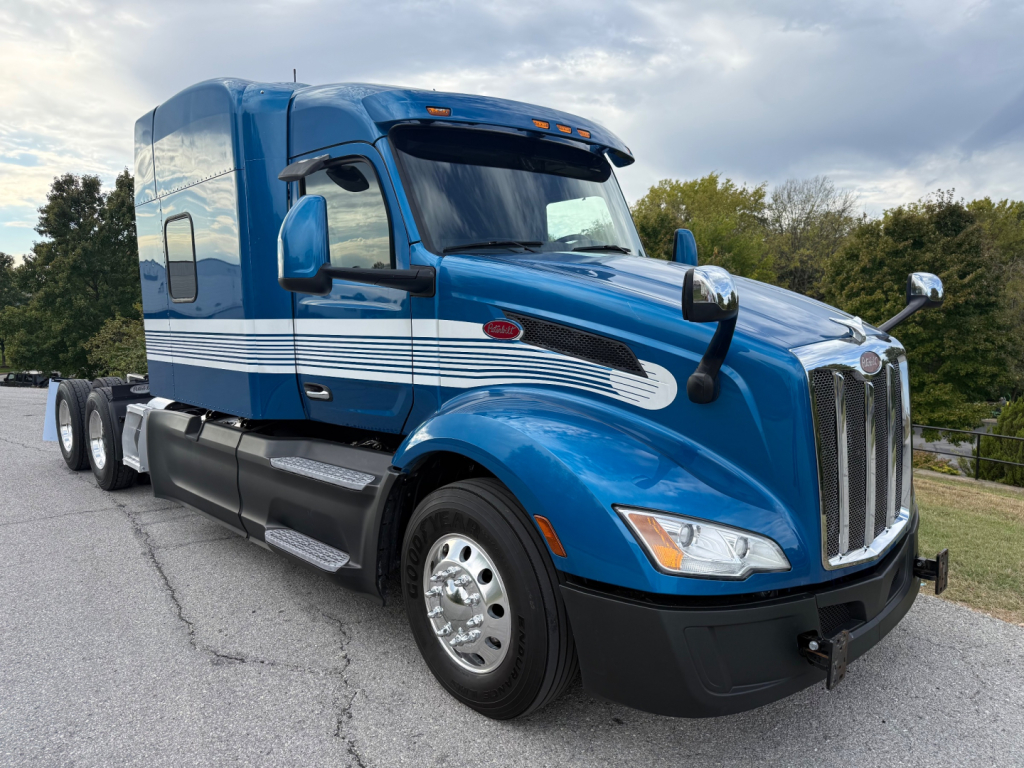
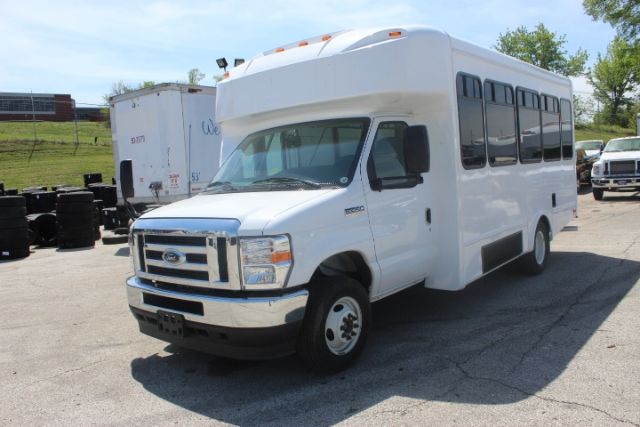
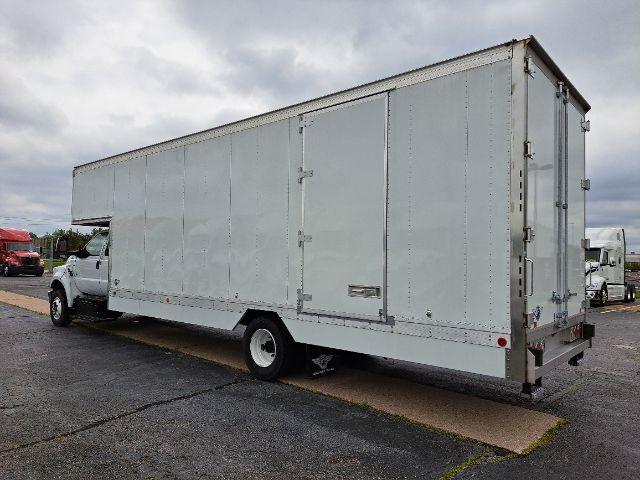
Selling a 2025 commercial truck? List your 2025 commercial truck for sale and reach thousands of commercial buyers.
2025 Commercial Trucks in Missouri
Powertrain selection is where many buyers make or lose long-term value. On 2025 trucks, expect a strong mix of gasoline and diesel engines depending on class, with automatic transmissions dominating most delivery and vocational applications, while some heavier on-highway trucks still use automated manual or manual setups. Buyers should compare horsepower and torque against payload, PTO demands, terrain, and average trip length. A local delivery truck benefits from tight turning radius, low step-in height, and visibility. A regional or heavy-haul truck needs the right wheelbase, rear axle ratio, suspension, and brake specification. For cab and chassis units, frame length, CA dimension, fuel tank placement, and PTO compatibility are critical because they determine what body can be installed and how cleanly the upfit will go together.
Missouri buyers should also pay close attention to corrosion protection, idle time, and seasonal operating needs. Trucks that see municipal, utility, or winter service benefit from durable coatings, easy-access service points, and electrical systems that can support work lights, liftgates, compressors, or hydraulic equipment. Driver-assist features on newer trucks can include collision mitigation, lane departure warning, backup cameras, and telematics integration, all of which can improve uptime and reduce claims exposure. Interior layout matters more than many buyers expect. Seat durability, switch placement, HVAC performance, and storage all affect driver retention and route efficiency, especially on stop-and-go applications.
The best way to shop this category is by application first, then by spec. A 2025 truck built for parcel delivery will look very different from one intended for dump, towing, fuel service, or regional freight. Focus on payload capacity, body compatibility, wheelbase, engine rating, transmission type, braking system, and expected maintenance access. If the truck will be upfitted, confirm body builder guidance, electrical provisions, and frame clearances before purchase. Buyers comparing 2025 trucks for sale in Missouri should treat the chassis and intended job as one package, because the right spec usually lowers operating cost more than any single badge on the hood.
Frequently Asked Questions about 2025 Commercial Trucks in Missouri
What should I look for first when buying a 2025 commercial truck?
Start with the job the truck needs to perform, then match the chassis to that application. The most important factors are GVWR, payload or towing requirement, wheelbase, cab style, axle configuration, and body compatibility. After that, compare engine output, transmission type, PTO capability, and braking setup. A truck that is slightly overbuilt for the job often performs better long term than one operating at its limit every day.
Are 2025 trucks better for fleet buyers than older used models?
A 2025 truck can offer advantages in warranty coverage, current safety systems, fuel efficiency, and telematics integration. That can reduce downtime and improve compliance management for fleets. The tradeoff is higher acquisition cost and, on some applications, more complex emissions and electronics systems. For buyers focused on uptime, standardization, and driver acceptance, a newer truck year often makes sense if the spec matches the route and workload.
How do I choose between a light-duty, medium-duty, and heavy-duty truck?
The choice comes down to operating weight, body type, and duty cycle. Light-duty trucks are common for service, pickup and delivery, and lighter contractor work. Medium-duty trucks are often used for box bodies, step vans, dumps, flatbeds, and utility applications where higher payload and stronger frames are needed. Heavy-duty trucks are built for the highest GVWR classes, tandem axle work, severe service, and highway tractor applications. The right class should give you enough capacity without adding unnecessary operating cost.
What truck specs matter most if I plan to install a body or vocational equipment?
For an upfit, frame rail dimensions, CA measurement, wheelbase, axle placement, fuel tank location, exhaust routing, and electrical provisions are all important. PTO availability is critical for dump bodies, wreckers, cranes, compressors, and hydraulic systems. Buyers should also verify suspension capacity, front axle rating, and body builder guidelines before committing to a chassis. A truck that looks correct on paper can still create expensive fitment issues if these details are overlooked.
What features are especially useful on 2025 trucks operating in Missouri?
Missouri fleets often benefit from specs that handle both urban and rural use. Good visibility, automatic transmissions, strong HVAC performance, corrosion protection, and durable suspension components are valuable for stop-and-go delivery and vocational service. For highway and regional work, collision mitigation, lane departure warning, engine brake specification, and comfortable cab ergonomics can improve safety and driver productivity. The best configuration depends on whether the truck will spend more time on city streets, interstates, job sites, or farm roads.