
2025 Commercial Trucks For Sale in Kansas
Have 2025 commercial truck to sell? List it here to reach thousands of buyers.
2025 Commercial Trucks in Kansas
Powertrain selection should be matched to load, terrain, and operating radius. Common 2025 truck specs include diesel engines in the mid-200 to 500-plus horsepower range, paired with automated manual or traditional manual transmissions. Fleet buyers looking at highway tractors will often compare engine families such as the PACCAR MX-13, Cummins X15, Detroit DD13 or DD15, Volvo D13, and Mack MP8, along with rear axle ratios, wheelbase, and suspension type. Lower rear ratios can favor fuel economy at highway speed, while shorter wheelbases and higher ratios may better suit city delivery or vocational maneuvering. For Kansas operators running long interstate stretches on I-70, I-35, and surrounding freight corridors, aerodynamics, cruise features, collision mitigation, and disc brakes can carry real value in operating cost and driver retention.
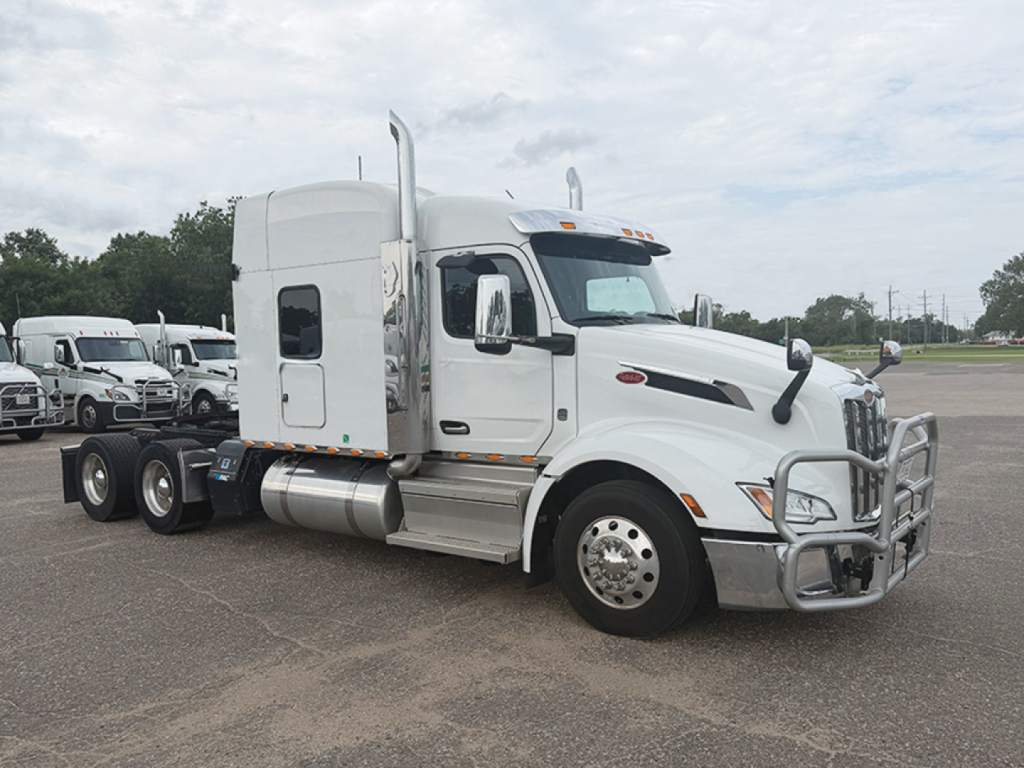
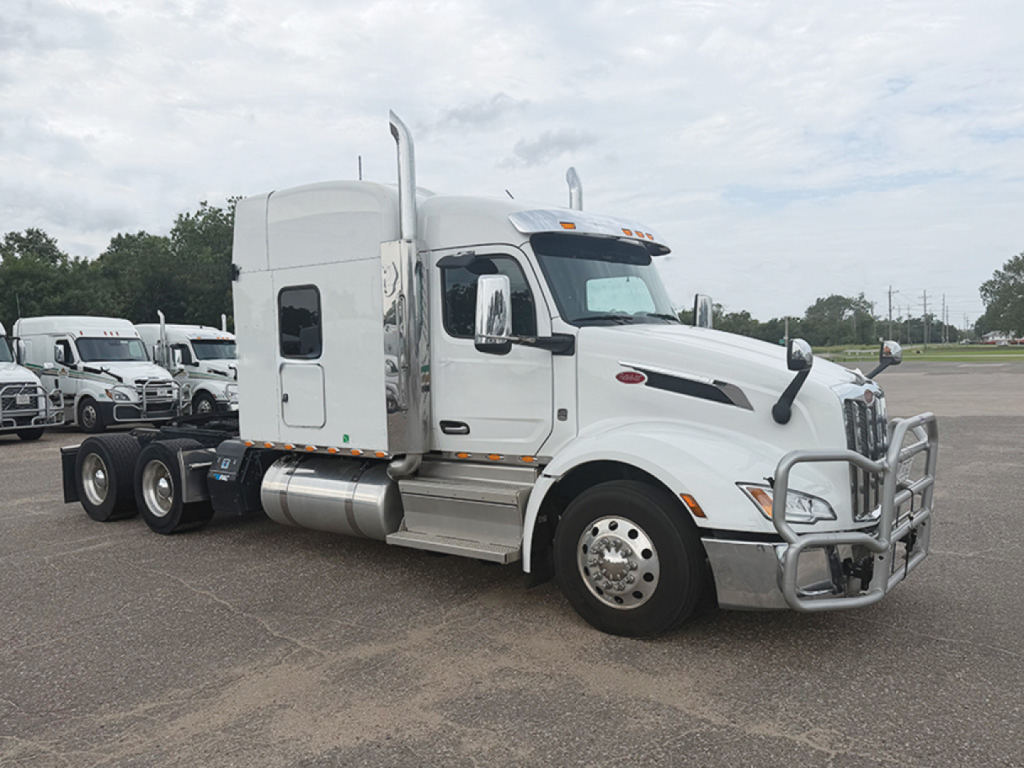
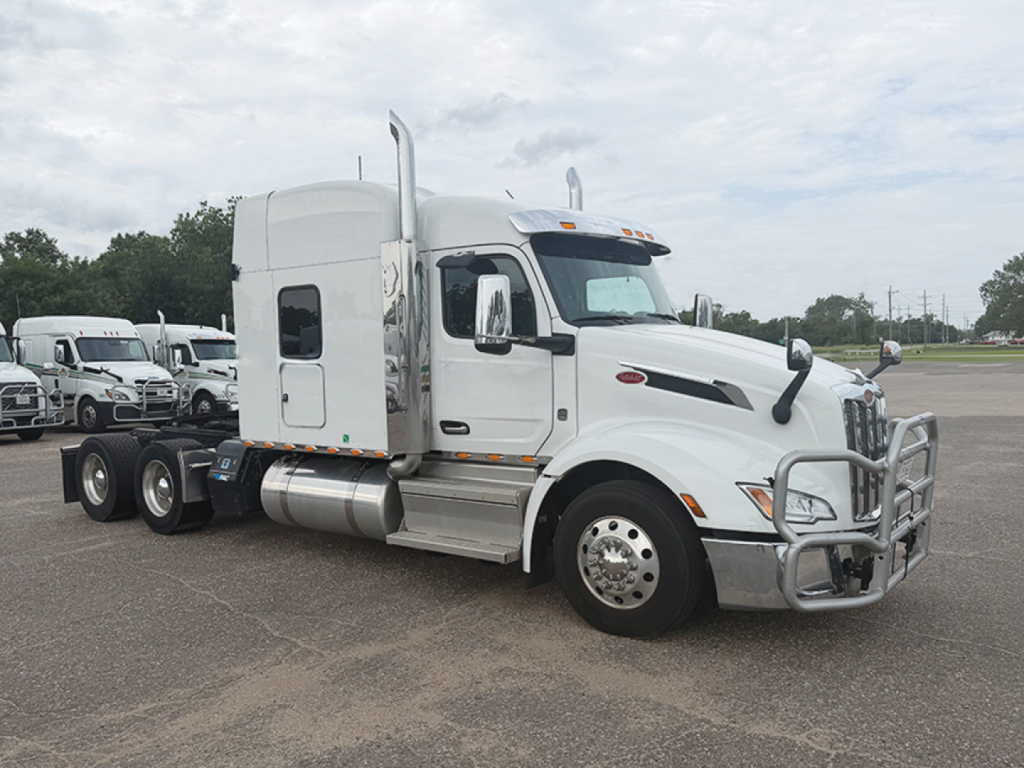
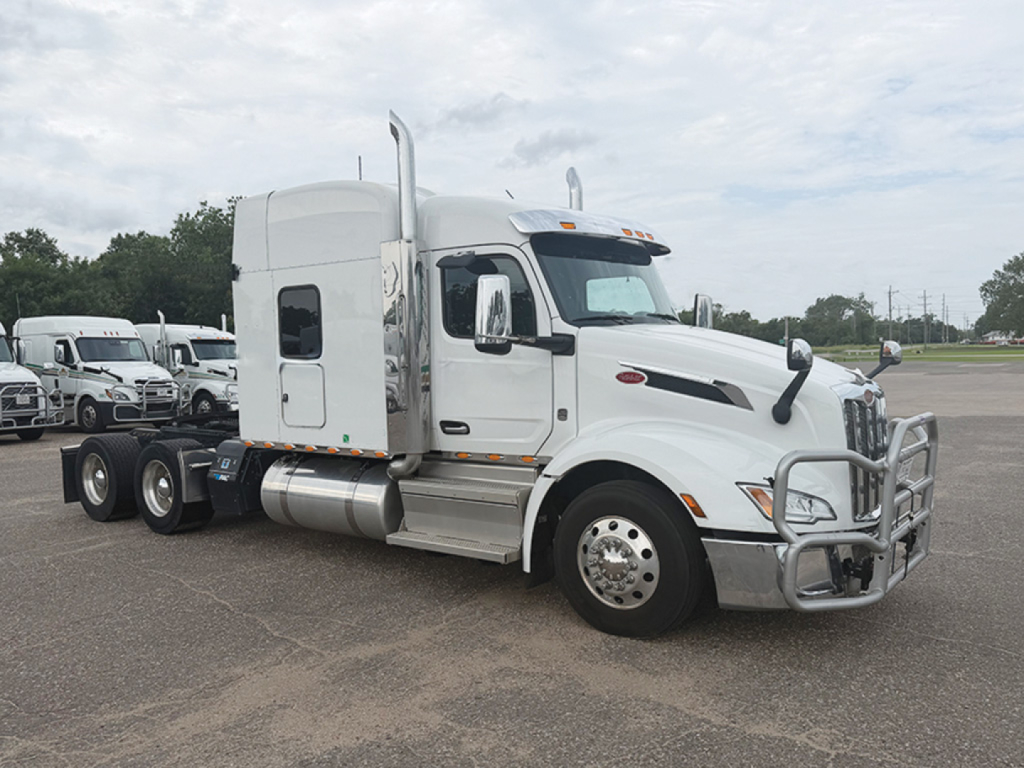
Chassis layout is just as important as engine choice. Tandem-axle trucks remain the standard for many tractor applications, but single-axle or lift-axle setups can make sense for lighter payloads or specialized routes. On cab and chassis trucks, buyers should pay close attention to GVWR, axle ratings, cab-to-axle length, frame rail spec, and PTO compatibility before planning a body install. On road tractors, look closely at fifth wheel type, sliding versus fixed position, front axle rating, fuel capacity, and sleeper size if the truck is intended for extended runs. Air ride suspension is common for ride quality and cargo protection, while vocational buyers may prefer a heavier-duty suspension package if the truck will see rough access roads, job sites, or repeated start-stop duty.
A strong 2025 truck spec is not just about horsepower. It is about matching the truck to freight, trailer type, driver expectations, and maintenance strategy. Buyers should evaluate emissions warranty coverage, service network strength in Kansas and nearby states, and the availability of common replacement parts for the engine and transmission platform they choose. Interior layout, visibility, steering wheel controls, idle management, and safety systems also matter more than they used to, especially for fleets trying to control turnover. The best truck in this category is the one with the right axle capacity, wheelbase, drivetrain, and body or trailer compatibility for the work it will actually do.
Frequently Asked Questions about 2025 Commercial Trucks in Kansas
What types of 2025 trucks are most common for sale in Kansas?
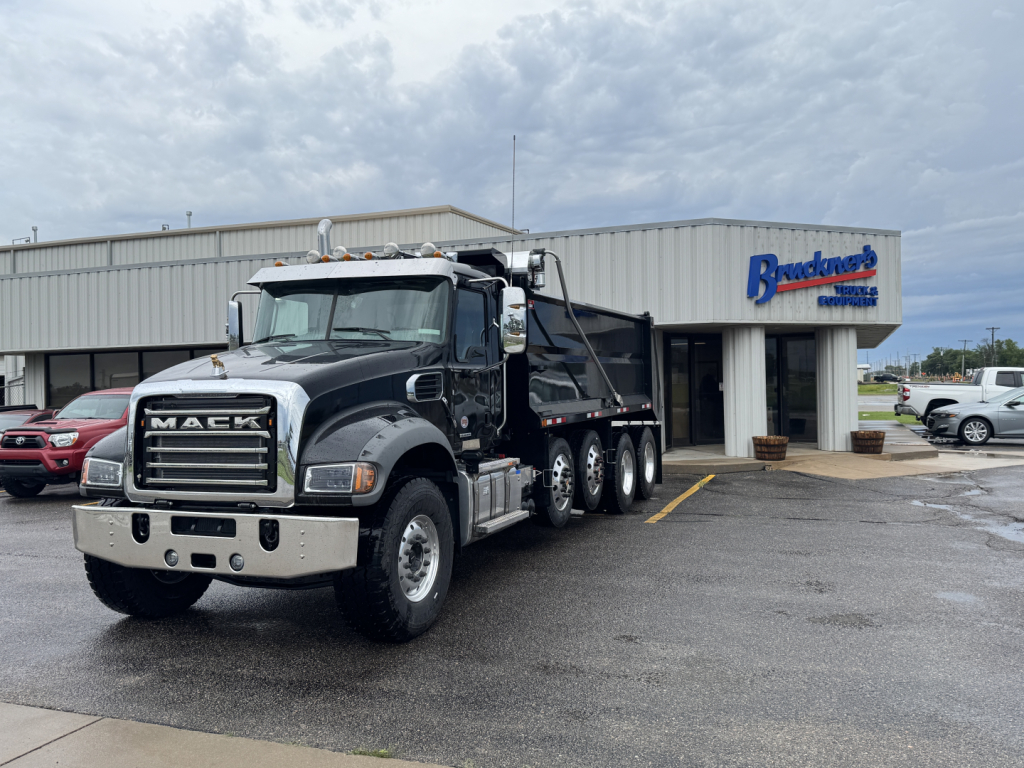
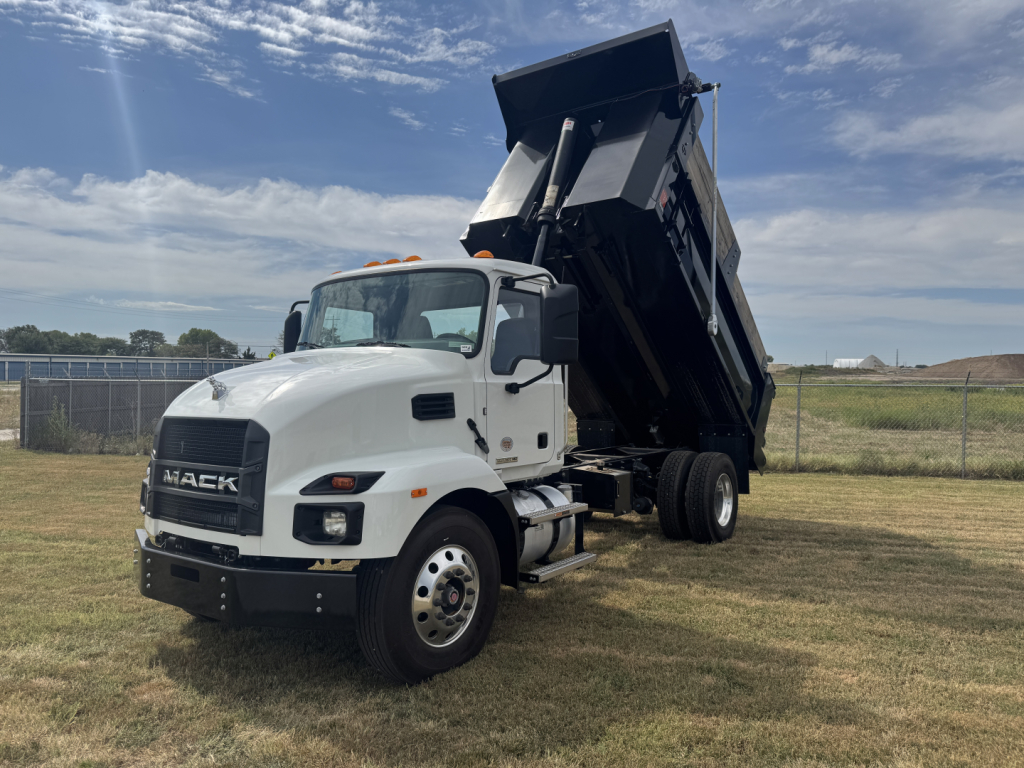
The most common 2025 trucks in Kansas are conventional day cabs, conventional sleeper tractors, and cab and chassis trucks. Day cabs are typically used for local delivery, grain, construction support, and short regional freight. Sleeper tractors are better suited for longer hauls and dedicated highway work. Cab and chassis trucks are used when the buyer plans to install a body such as a flatbed, van body, service body, rollback, or dump body.
What should I look at first when comparing 2025 truck specs?
Start with the intended application, then compare GVWR or GCWR, axle ratings, wheelbase, engine horsepower, torque, transmission type, and rear axle ratio. Those specs determine how the truck will perform with your typical load and route. After that, review suspension, brake type, fifth wheel setup, fuel capacity, and any PTO or body-install requirements. A truck can look similar on paper but still be poorly matched to your actual work if the axle capacity or wheelbase is wrong.
Is an automatic or automated manual transmission better in a 2025 truck?
For many buyers, an automated manual transmission is the practical choice because it helps with driver availability, consistency, and reduced clutch wear. It also performs well in regional and highway service. A manual transmission can still make sense in certain vocational applications or for fleets with drivers who prefer direct gear control. The right answer depends on driver pool, terrain, maintenance practices, and whether the truck will spend more time in stop-and-go work or steady highway operation.
How important is wheelbase on a 2025 truck?
Wheelbase directly affects maneuverability, ride quality, bridge law considerations, body fitment, and trailer compatibility. A shorter wheelbase is usually easier to maneuver in cities, yards, and job sites. A longer wheelbase can improve ride and help with certain body lengths or fuel tank combinations, but it may limit turning radius. On a cab and chassis truck, wheelbase and cab-to-axle measurement must line up with the body you plan to install.
Are 2025 trucks in Kansas usually spec'd for highway or vocational use?
Both are common, and the difference shows up in the chassis and drivetrain details. Highway trucks generally emphasize aerodynamics, fuel economy, sleeper options, and automated transmissions. Vocational trucks are more likely to have heavier front axles, PTO provisions, locking differentials, manual transmissions in some cases, and frame specs designed for body installation or severe-duty work. Kansas buyers should choose based on actual operating conditions rather than model year alone, because the right spec matters more than the badge on the hood.