
2025 Trucks For Sale in Florida
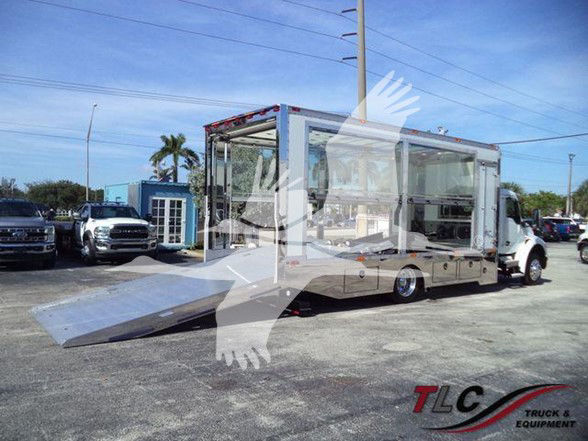
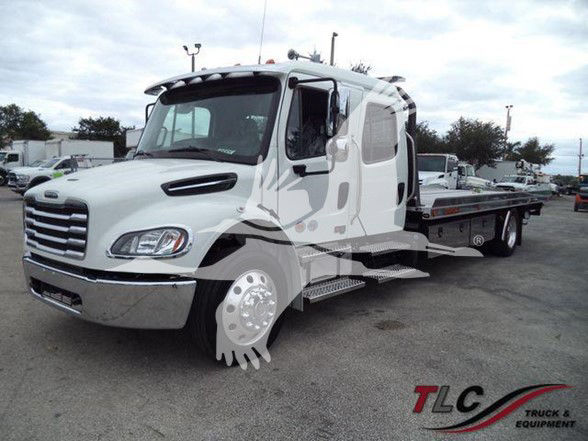
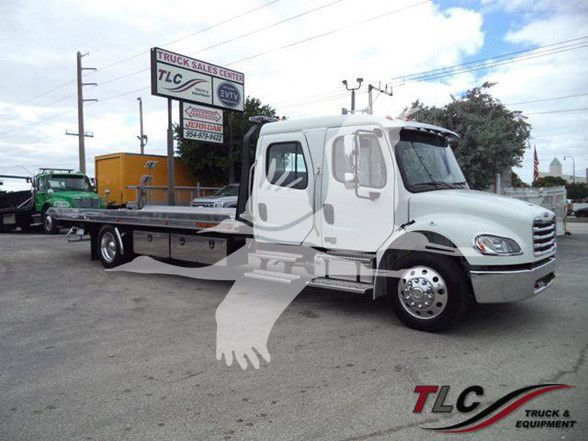
Shop 2025 trucks for sale in Florida, including medium-duty and heavy-duty work trucks for hauling, towing, delivery, dump, service, and fleet use.
Learn more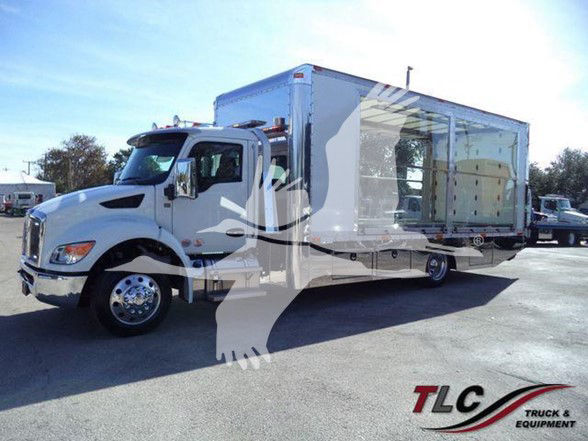
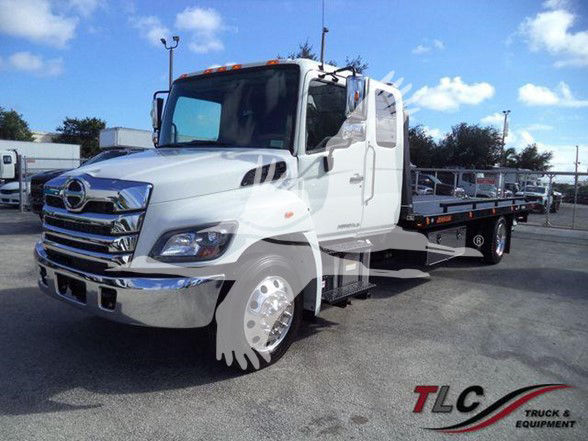
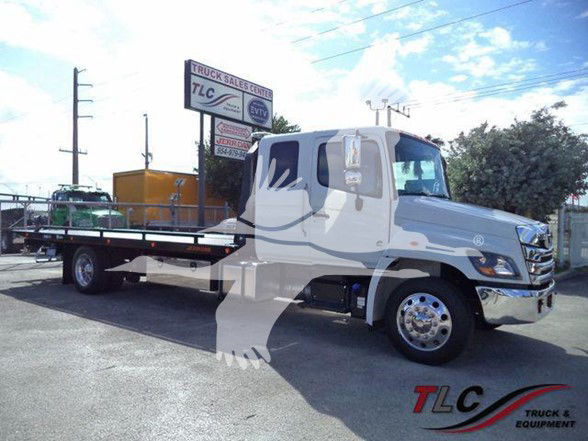
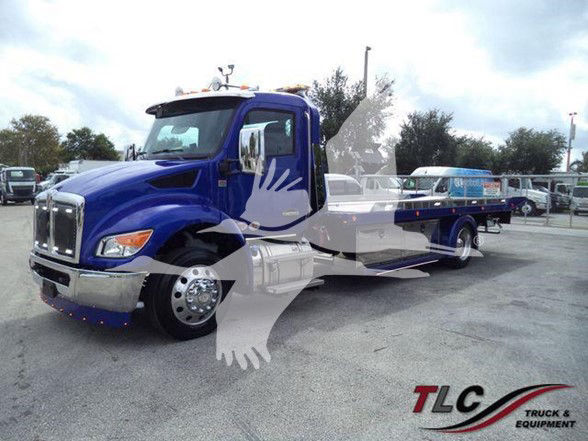
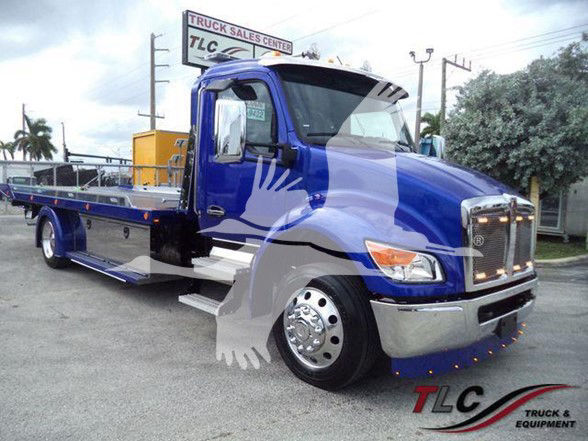
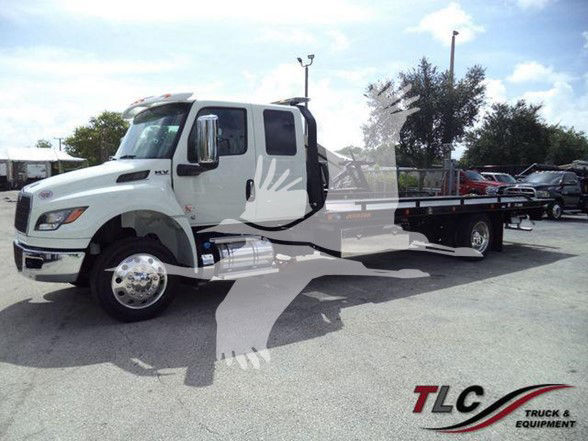
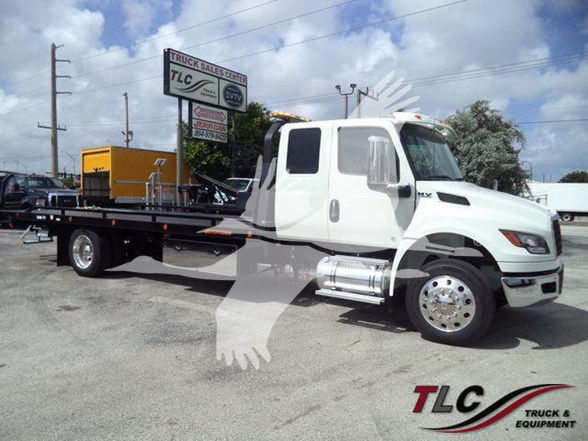
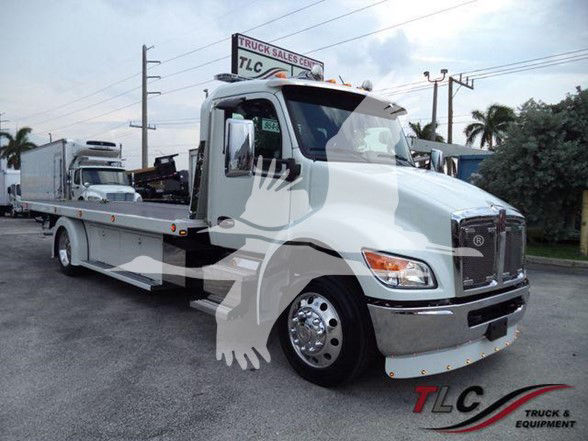
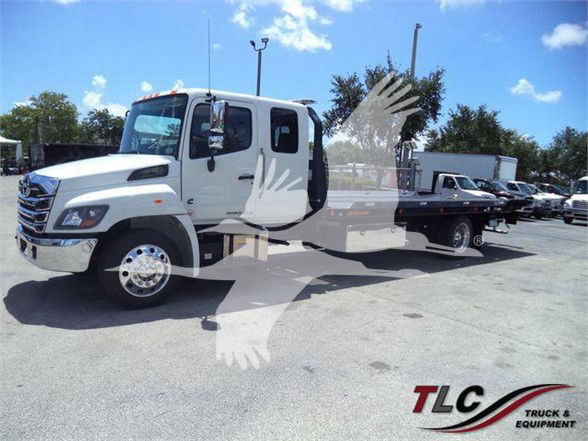
Showing 13 to 24 of 40 results
Have 2025 truck to sell? List it here to reach thousands of buyers.
About 2025 Trucks in Florida
For buyers comparing 2025 trucks, the first decisions are usually GVWR, axle setup, engine type, and transmission. Gas engines remain common in lighter vocational chassis where lower acquisition cost and simpler maintenance are priorities. Diesel still dominates higher-GVWR applications, frequent towing, and trucks expected to run long hours under load. Automatic transmissions are now standard across much of the market, especially in medium-duty fleets, while heavy-duty daycabs may still be spec'd with automated manual or manual options depending on duty cycle. Common configurations include 4x2 for paved-road fleet work and 4x4 for off-pavement access, storm response, utility work, and recovery applications.
Body selection is just as important as the chassis under it. A 2025 truck may be set up as a dump truck, chipper truck, rollback, hooklift, tow truck, box truck, flatbed, stake body, service truck, or tractor. Buyers should verify frame height, cab-to-axle measurement, upfitter switches, PTO provisions, rear suspension type, and brake system before assuming a chassis is body-ready for a specific build. On heavier trucks, look closely at rear axle ratings, wheelbase, suspension, fifth wheel specs, and fuel tank placement. On medium-duty units, practical details like 19.5-inch versus 22.5-inch wheels, spring versus air suspension, hitch rating, electrical plug setup, and hoist or hydraulic compatibility can affect daily usability more than brand alone.
Florida buyers also tend to place extra value on cooling performance, corrosion resistance, and easy cab access for high-frequency stop-and-go work. Air conditioning output, door and seal condition, aluminum versus steel body construction, and wash-friendly underbody design all matter in a hot, humid environment. If the truck will operate in urban routes, check turning radius, overall length, visibility, and backup camera coverage. If it will support towing, debris, arborist, or construction work, focus on payload, body capacity, hitching hardware, and how well the suspension and brakes match the intended load. The best 2025 truck is the one whose chassis, body, and duty cycle are correctly matched from day one.
Frequently Asked Questions
What should I look for first when buying a 2025 truck?
Start with the truck's intended job, then match that application to the correct class, GVWR, wheelbase, and body style. A delivery chassis, dump truck, rollback, tow truck, and daycab tractor can all be called trucks, but they are spec'd very differently. Buyers should confirm payload needs, towing requirements, axle ratings, engine and transmission choice, and whether the frame and cab-to-axle dimensions support the body or upfit they need.
Are diesel or gas engines better in a 2025 work truck?
Diesel is usually the better fit for higher-GVWR trucks, frequent towing, long idle hours, and demanding vocational work because it offers stronger torque and better durability under load. Gas engines can make sense in lighter-duty applications where annual mileage is lower and acquisition cost matters more than maximum pulling power. The right answer depends on route length, stop frequency, average payload, and how long the truck is expected to stay in service.
What truck classes are typically included in a general 2025 trucks category?
This category can include light-duty pickups, cab chassis trucks, medium-duty vocational trucks, and heavy-duty conventional daycabs. Many marketplace pages group together Class 3 through Class 8 trucks if the common thread is road-going commercial use. That means buyers should filter carefully by GVWR, body type, axle configuration, and CDL requirements so they are comparing trucks that actually fit the same operating profile.
Why does wheelbase and cab-to-axle matter on a 2025 truck?
Wheelbase and cab-to-axle measurement determine whether a truck can accept the body length and body type you need without fitment issues. They also affect turning radius, bridge law considerations, weight distribution, and ride quality. On body-ready chassis, these dimensions are critical because a dump body, service body, box, rollback, or hooklift must be matched correctly to the frame to avoid costly rework.
What matters most for a 2025 truck operating in Florida?
Cooling system performance, air conditioning, corrosion resistance, and suitability for stop-and-go service all matter in Florida. Trucks working in heat and humidity benefit from strong HVAC performance, durable paint and underbody protection, and body materials that resist rust and moisture retention. Urban and suburban operations also place added importance on visibility, maneuverability, backup cameras, and easy cab entry for drivers making frequent stops.