
2024 Commercial Trucks For Sale in Pennsylvania
Browse 2024 trucks for sale in Pennsylvania, including day cabs and vocational trucks with modern powertrains, safety tech, and fleet-ready specs.

Have 2024 commercial truck to sell? List it here to reach thousands of buyers.
2024 Commercial Trucks in Pennsylvania
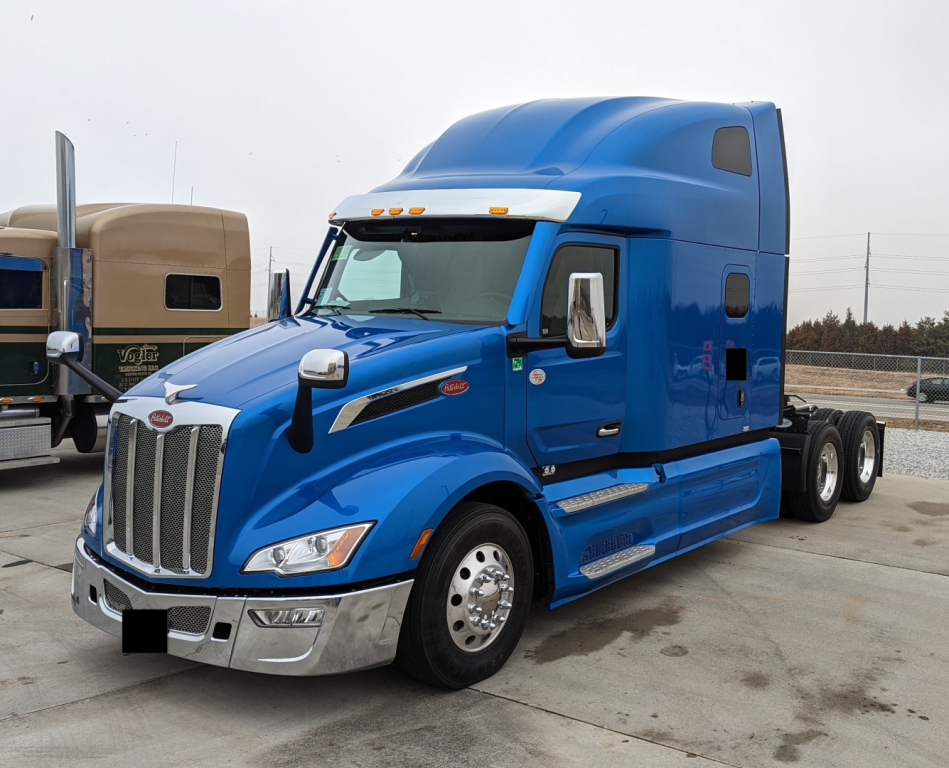
For highway and regional hauling, 2024 conventional trucks, also known as semi trucks or road tractors, are often spec'd for fuel economy first. That usually means 2.47 to 3.08 rear ratios, integrated powertrains, roof fairings, cab extenders, and low-rolling-resistance tires. Day cabs remain a strong fit for port work, dedicated lanes, tanker, dump, and short-haul freight, especially where maneuverability and lower tare weight matter. If the work includes heavier starts, steep grades, or PTO-driven equipment, look closely at engine brake rating, frame layout, PTO provisions, suspension capacity, and whether the truck has a sliding or fixed fifth wheel. In western Pennsylvania and other hill-heavy routes, drivability under load can be more important than chasing the lowest cruise rpm.
For vocational buyers, a 2024 truck can include straight trucks, dump trucks, service bodies, and other chassis built for municipal, construction, utility, or winter service work. The key buying points are front axle capacity, rear suspension type, wheelbase for body fitment, PTO compatibility, and body upfitting history. Pennsylvania buyers should also pay attention to corrosion exposure, especially on trucks that may have seen road salt, brine, or winter municipal use. Even on a newer truck, it is smart to inspect frame condition, crossmembers, air tanks, electrical harness routing, DEF system service history, and brake wear. A clean late-model truck with the right axle spread and body-ready frame can save significant upfit time.
The strongest 2024 truck purchase is usually the one with a spec that matches the route, payload, and maintenance plan. A fleet buyer may prioritize remaining factory coverage, telematics compatibility, and standardized engine platforms. An owner-operator may care more about sleeper or day cab configuration, interior package, fuel capacity, and service network by make. Across Pennsylvania, road speed limits, terrain, turnpike use, and seasonal weather all influence the right spec. Focus on axle ratings, engine hours, idle strategy, brake type, tire size, and any fleet maintenance documentation, because those details tell you far more than model year alone.
Frequently Asked Questions about 2024 Commercial Trucks in Pennsylvania
What should I look for when buying a 2024 truck in Pennsylvania?
Start with the truck's intended job, then match the spec to that work. For highway use, review engine rating, transmission type, rear axle ratio, wheelbase, and fuel capacity. For vocational use, confirm axle capacities, PTO setup, frame dimensions, and body compatibility. In Pennsylvania, it is also important to inspect for corrosion from winter road treatment, verify emissions system service history, and check whether the truck's gearing and brake package fit hilly terrain and heavy stop-and-go use.
Are 2024 day cab trucks a good fit for regional hauling?
Yes, a 2024 day cab can be an excellent regional truck when the lanes allow the driver to return regularly. Day cabs typically reduce weight, simplify maintenance, and improve maneuverability compared with sleeper tractors. They are commonly used for dedicated freight, tanker, dump, port, and local industrial work. The best fit depends on wheelbase, fifth wheel setup, horsepower, and rear ratio, especially if the truck will run loaded through western Pennsylvania grades or urban delivery routes.
Which engine and transmission combinations are common in 2024 trucks?
Common 2024 heavy-duty truck engines include the Cummins X15, PACCAR MX-13, and Detroit DD13 or DD15, with ratings chosen around fuel economy, payload, and duty cycle. Automated manual transmissions are now standard in many fleet specs because they improve consistency and help reduce driver fatigue. Manual transmissions still appear in some applications where buyers want direct control or have specific vocational needs. The right combination depends on terrain, average gross weight, and whether the truck needs PTO functionality or low-speed jobsite performance.
Is a 2024 truck worth the higher price compared with an older model?
In many cases, yes, if the truck's spec fits the operation and the higher purchase cost is offset by lower downtime, newer safety systems, and improved fuel efficiency. A 2024 truck may offer remaining factory warranty coverage, current telematics integration, disc brake availability, and updated driver-assistance features. That said, value comes from total cost of ownership, not model year alone. A poorly spec'd late-model truck can cost more to run than an older unit that is correctly matched to the route and payload.
What specs matter most on a 2024 vocational truck?
The most important specs are usually GVWR, front and rear axle ratings, suspension type, frame strength, PTO capability, wheelbase, and the truck's compatibility with the body or equipment it will carry. Buyers should also review brake type, tire size, turning radius, and any factory switches or electrical provisions needed for upfitting. On municipal or snow-service style applications, hydraulic setup, spreader or plow integration, and evidence of winter corrosion are especially important, even on newer trucks.