
2024 Commercial Trucks For Sale in Iowa
Browse 2024 trucks for sale in Iowa, including sleeper, vocational, and specialty trucks with current specs, emissions systems, and safety tech.
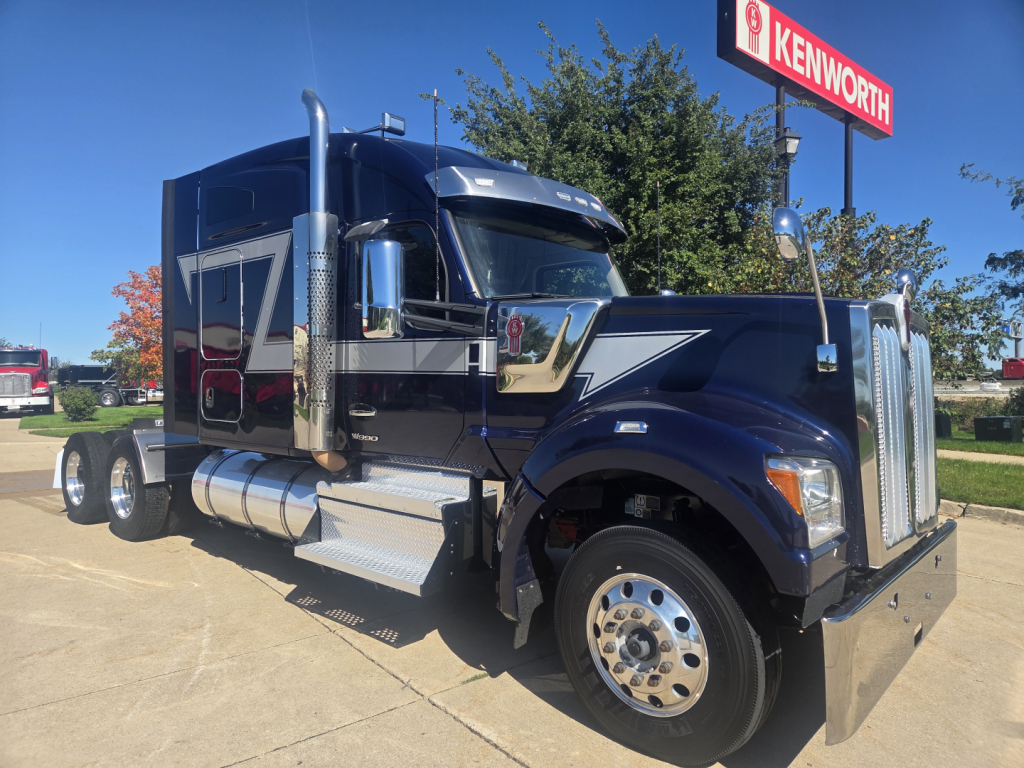
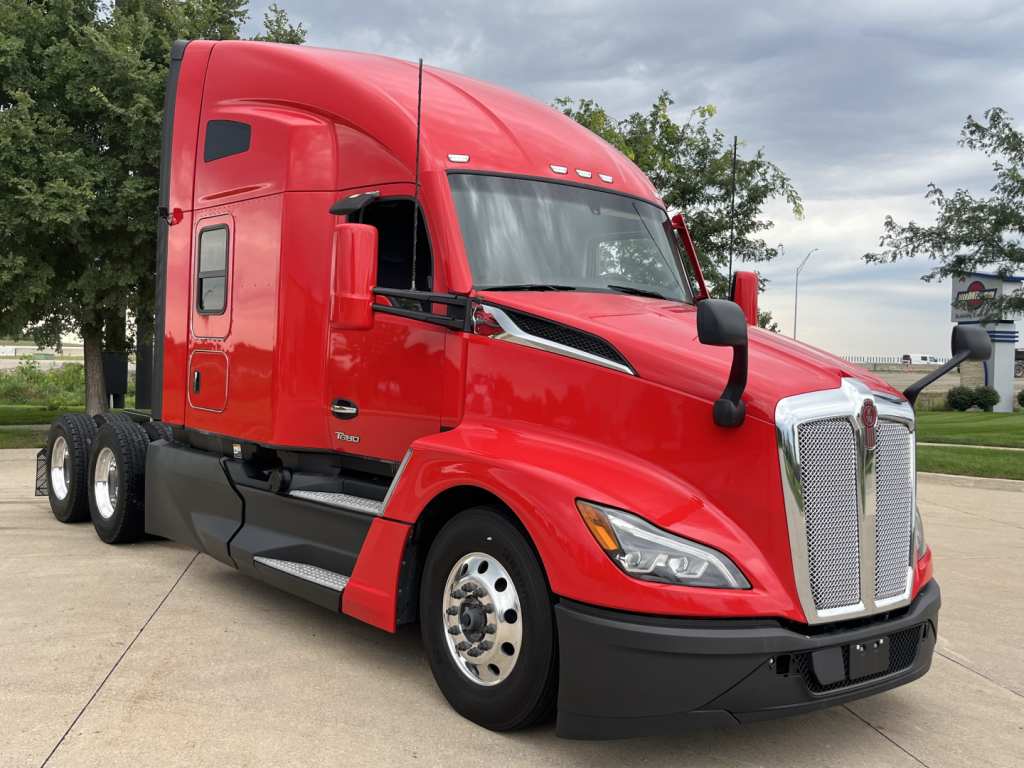
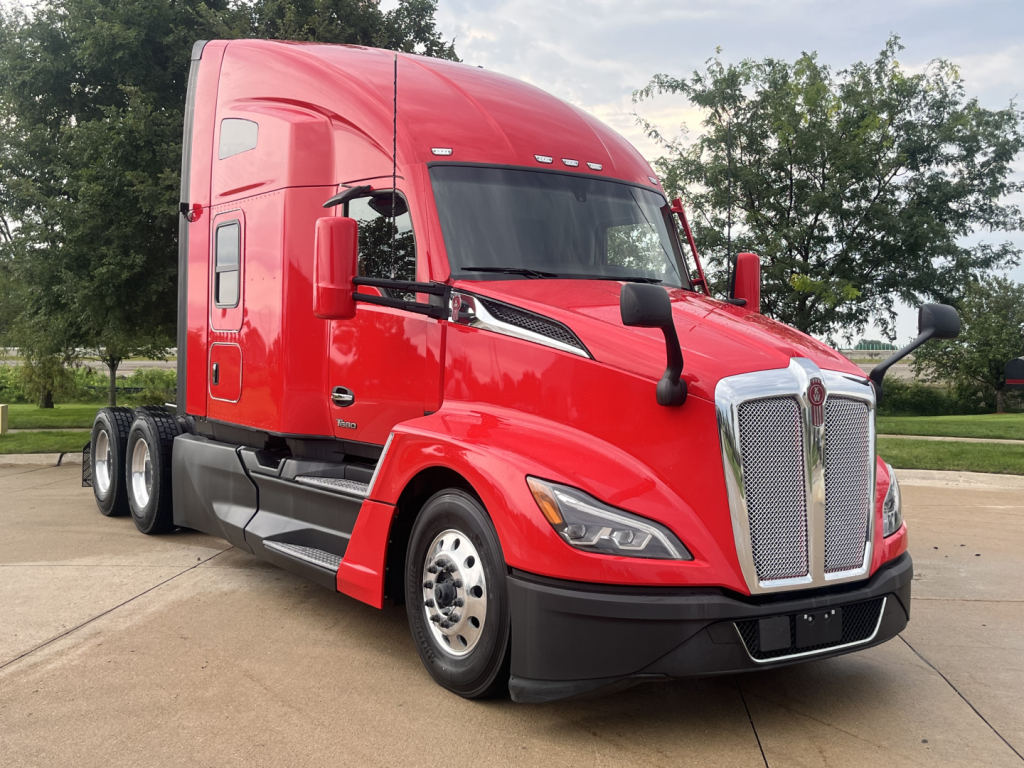
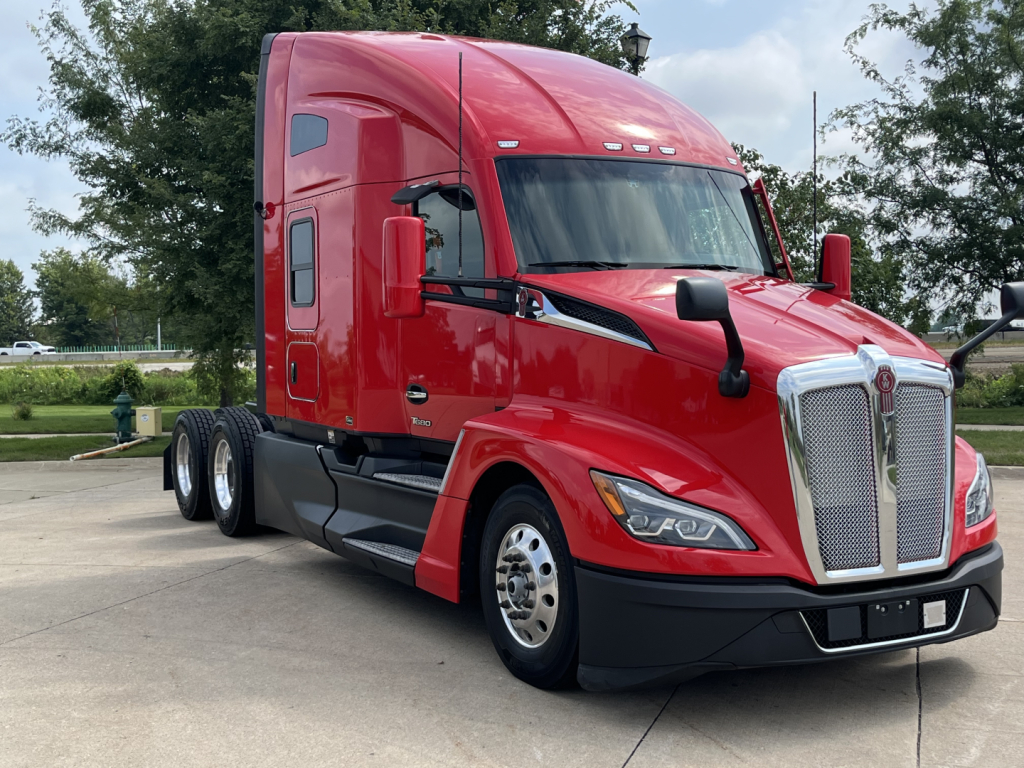
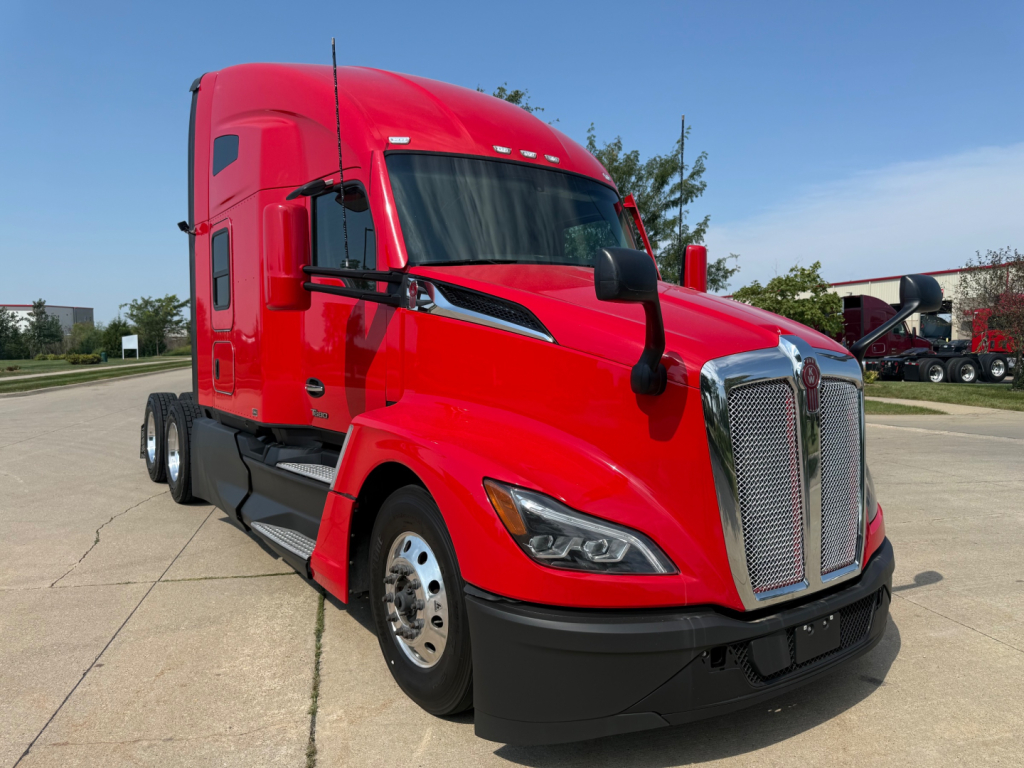
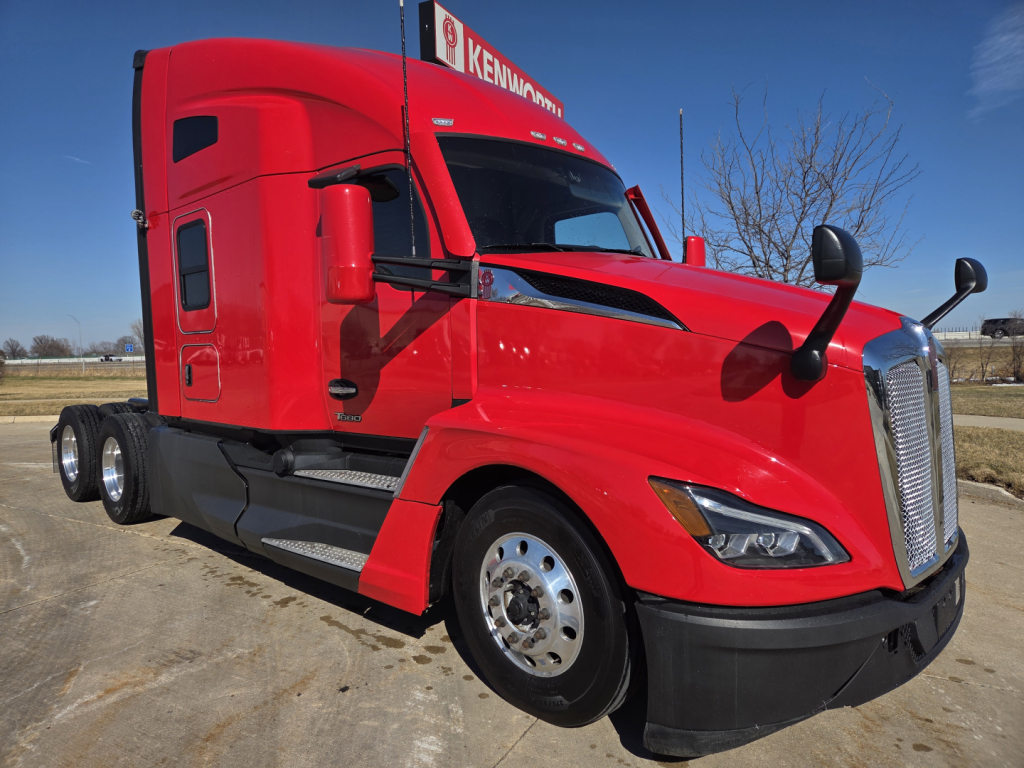
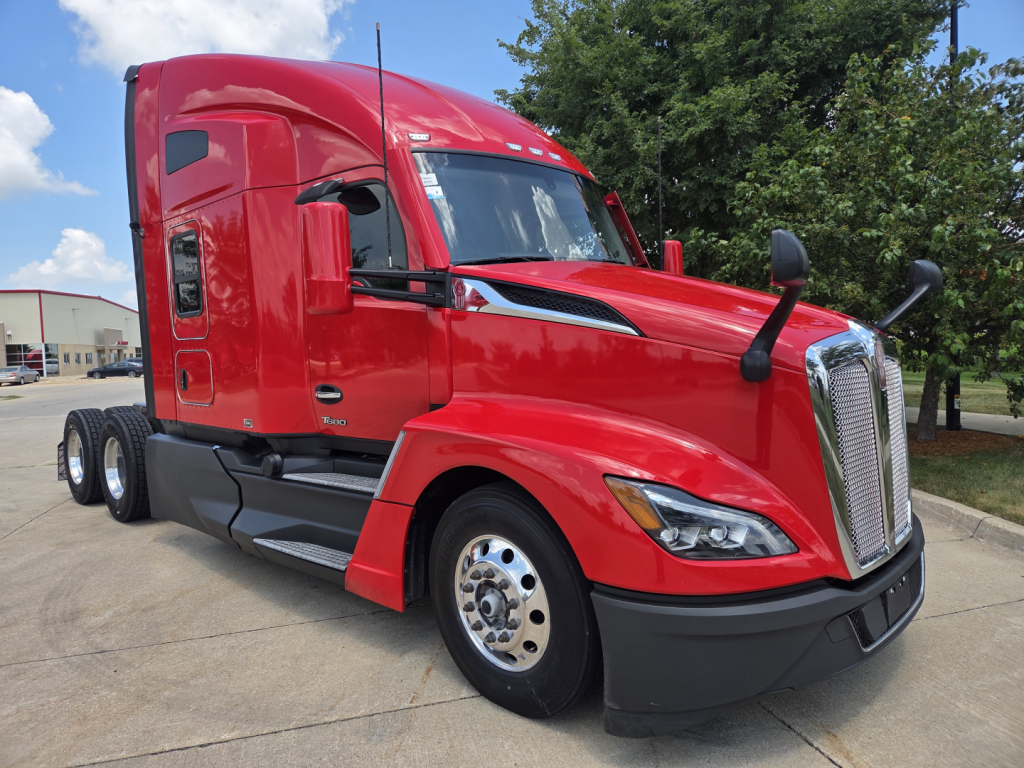
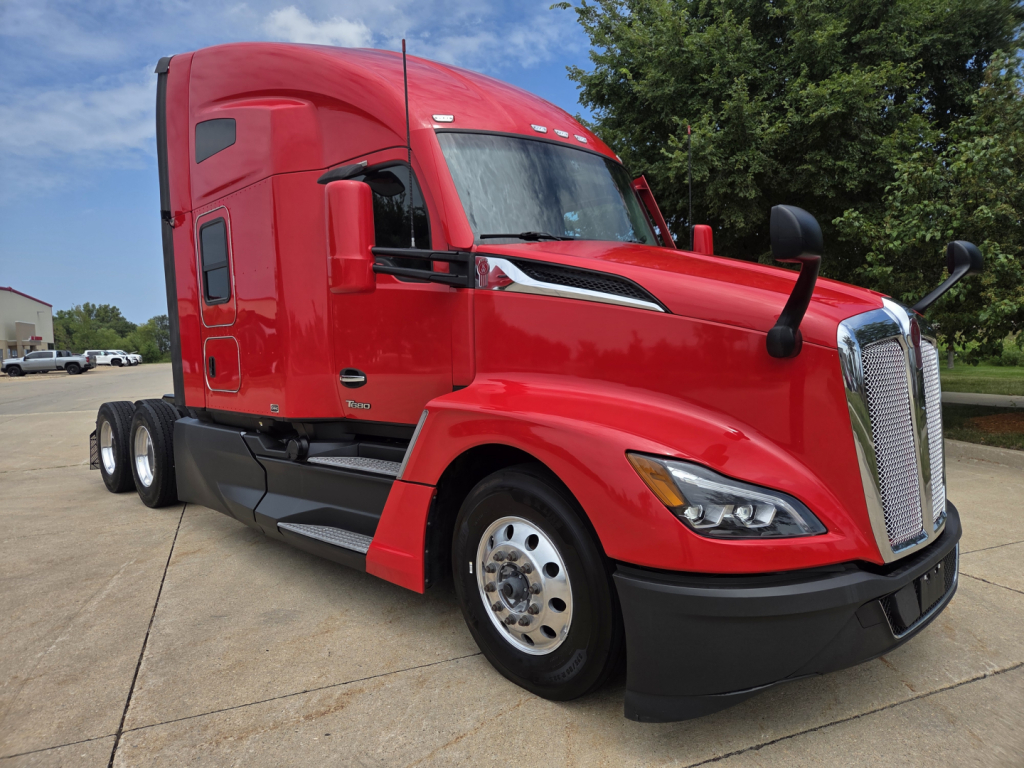


Selling a 2024 commercial truck? List your 2024 commercial truck for sale and reach thousands of commercial buyers.
2024 Commercial Trucks in Iowa
For linehaul buyers, focus on the full drivetrain package rather than the badge alone. A 2024 highway truck will typically pair a Cummins X15, Paccar MX-13, or Volvo D13 with a 12-speed automated transmission and a fuel-efficient rear ratio such as 2.64, 2.79, or 3.08. Those combinations are built for lower cruise RPM, but they should be matched to gross weight, terrain, and trailer type. In Iowa and across the Midwest, a truck that spends time on rolling interstate lanes may need a different ratio than one staying flat and light. Fuel capacity, wheelbase, fairings, collision mitigation, adaptive cruise, and idle reduction equipment like an APU or bunk heater can all affect operating cost and driver acceptance.
If the truck is being bought for regional or vocational work, look closely at axle ratings, suspension type, brake configuration, body integration, and turning radius. Newer 2024 vocational trucks may be equipped with Allison automatic transmissions, set-forward or set-back front axles, locking differentials, and higher horsepower ratings to support PTO-driven equipment or off-pavement service. Buyers should also verify body and chassis details such as frame rail dimensions, hydraulic provisions, tank capacity, tire size, and whether the truck is CDL or non-CDL depending on intended payload. These details determine how well the truck fits a route, a jobsite, or a municipal bid.
A 2024 model year can also improve uptime planning because newer trucks may still carry portions of factory engine, aftertreatment, or transmission coverage depending on in-service date and mileage. That does not replace a proper inspection. Buyers should still review fault history, regen performance, oil sample records, brake wear, tire age, alignment, and any telematics or service documentation. For trucks with sleepers, interior condition, bunk layout, inverter setup, refrigerator, and climate control equipment also matter if driver retention is part of the equation. The best 2024 truck is not simply the newest one on the page. It is the one with a drivetrain, axle spec, and cab configuration that matches the freight, terrain, and duty cycle.
Frequently Asked Questions about 2024 Commercial Trucks in Iowa
What should I look for first when comparing 2024 trucks for sale?
Start with the intended job, then match the truck’s configuration to that duty cycle. For a highway tractor, the key items are engine rating, transmission type, rear axle ratio, wheelbase, fuel capacity, and sleeper or day cab layout. For a vocational truck, front and rear axle ratings, PTO capability, suspension, frame strength, and body compatibility are usually more important. A newer model year does not guarantee the right specification, so buyers should compare how the truck is equipped rather than focusing only on make, mileage, or appearance.
Are 2024 trucks mostly automatic?
Most 2024 highway trucks are equipped with automated manual transmissions, and many vocational applications also use automatic or automated options. Automated transmissions are popular because they improve shift consistency, help with fuel economy targets, and reduce driver fatigue. Manual transmissions still appear in some specialized applications, but they are much less common in late-model fleet specs. Buyers should confirm the transmission model, available PTO options, and gearing because those details affect startability, maintenance, and application fit.
Which engine and horsepower range is common in a 2024 truck?
For Class 8 highway trucks, common 2024 engine platforms include the Cummins X15, Paccar MX-13, and Volvo D13, typically rated from about 425 to 500 horsepower depending on use. Regional and long-haul trucks are often spec'd in the 450 to 455 horsepower range for a balance of performance and fuel economy. Vocational trucks may run different ratings depending on PTO demand, terrain, and gross vehicle weight. Torque output, rear ratio, and transmission programming matter as much as horsepower because those three factors determine how the truck actually performs under load.
Do 2024 trucks still need careful inspection if they are newer?
Yes. A 2024 truck may offer newer components and possible remaining factory coverage, but it still needs a thorough review. Buyers should inspect ECM data, fault codes, aftertreatment history, regen frequency, brake and tire condition, alignment, suspension wear, and signs of idle abuse or poor maintenance. If the truck has advanced driver assistance systems, verify that the sensors, radar, and cameras are functioning properly and have not been damaged or disabled. Service records and in-service date are especially important because warranty assumptions can be wrong without documentation.
What matters most for Iowa buyers shopping 2024 trucks?
Midwestern buyers often pay close attention to gearing, fuel range, cold-weather equipment, and versatility. A truck operating in Iowa may benefit from engine heaters, bunk heaters, good traction spec, and enough fuel capacity for longer regional lanes. If the truck will see winter weather, axle ratio, tire selection, and stability systems deserve extra attention. For agricultural, construction, or municipal work, buyers should also consider seasonal payloads, soft-ground conditions, and whether the truck’s chassis and body setup can handle PTO-driven or off-road demands.