
2023 Commercial Trucks For Sale in South Carolina
Compare 2023 commercial trucks for sale in South Carolina by duty cycle, axle ratings, emissions history and warranty status for port and highway work.
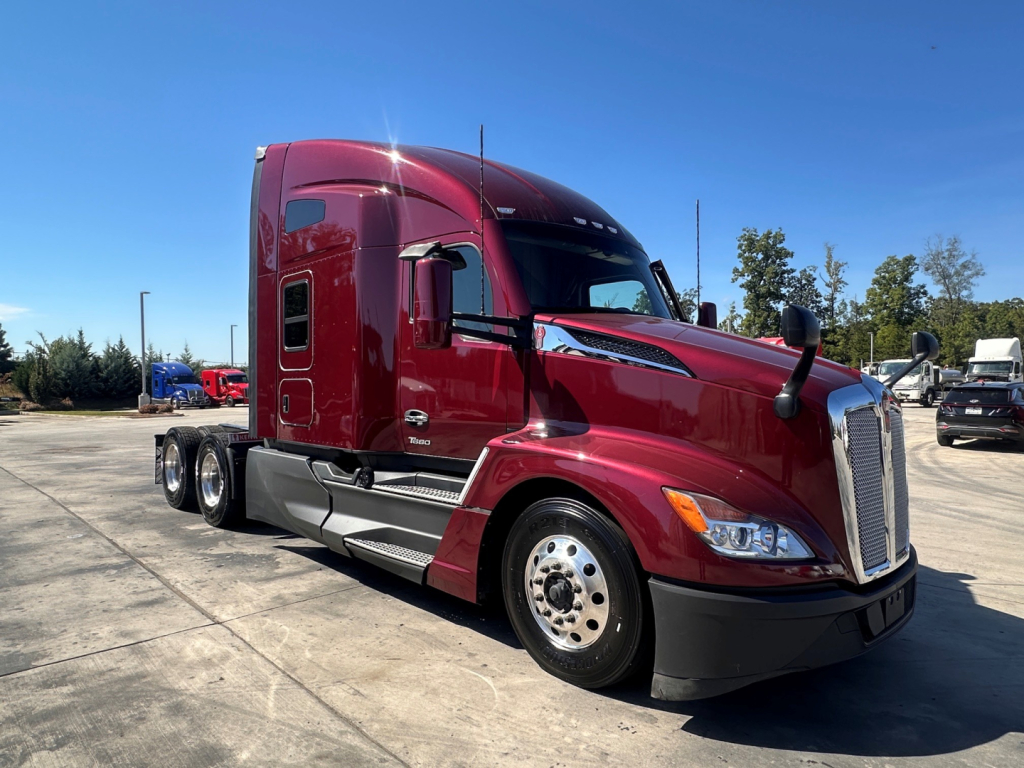
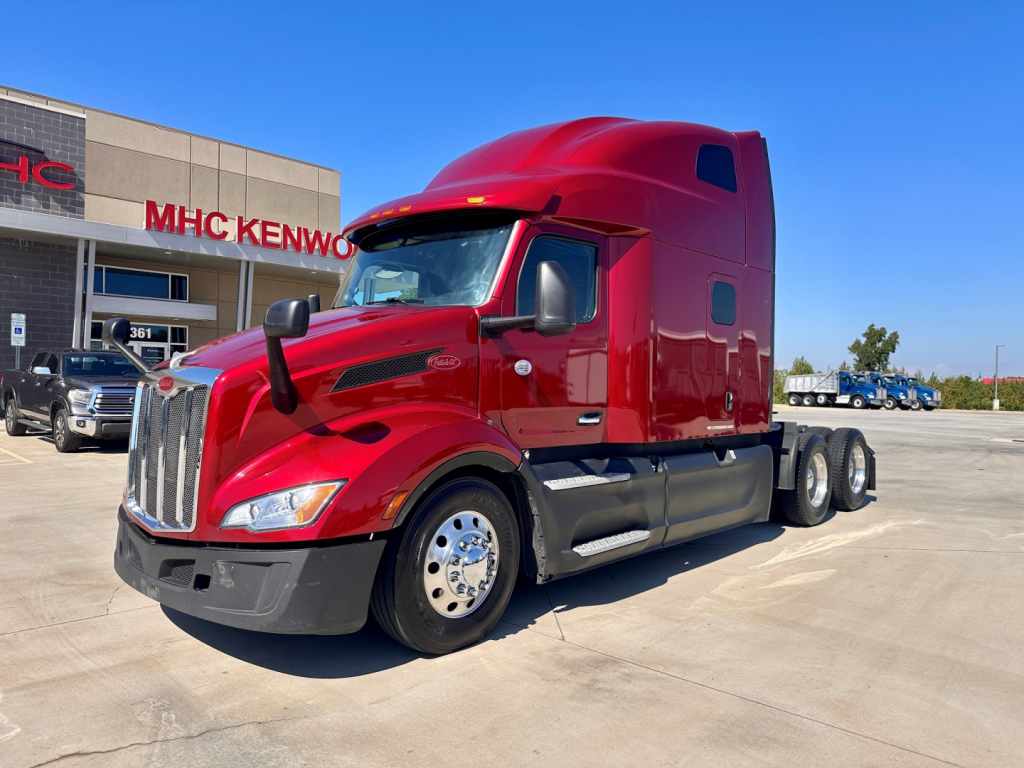
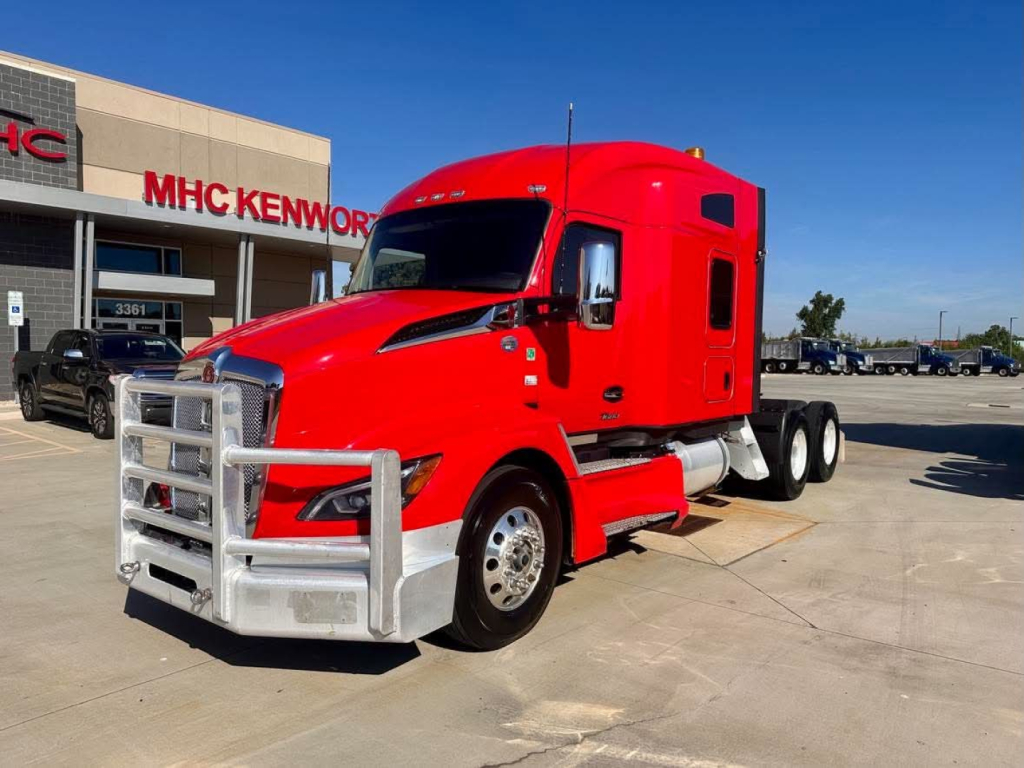

Selling a 2023 commercial truck? List your 2023 commercial truck for sale and reach thousands of commercial buyers.
2023 Commercial Trucks in South Carolina
Used medium- and heavy-duty 2023 diesels need ECM mileage and engine hours checked against service records, plus scrutiny of DPF regeneration, SCR faults and DEF-system repairs. South Carolina's coastal exposure warrants corrosion checks on frames and connectors, while summer heat makes air-conditioning performance at idle worth testing. For new 2023 trucks, verify installed specs, storage-related tire and battery condition, and warranty start dates; qualifying new heavy trucks incur the 12% federal excise tax at first retail sale.
Frequently Asked Questions about 2023 Commercial Trucks in South Carolina
Can a 2023 truck with heavy axles legally haul more than 80,000 pounds in South Carolina?
Higher axle ratings alone do not authorize a 2023 commercial truck to exceed legal road weights in South Carolina. The standard Interstate gross limit is 80,000 pounds, with 20,000 pounds on a single axle and 34,000 pounds on a tandem, subject to the federal bridge formula. Eligible overweight movements require appropriate permits, and non-Interstate routes need separate verification. Axle spacing, posted bridges and the actual route matter alongside component ratings.
What should I verify before putting a box or dump body on a 2023 chassis?
Usable payload and body compatibility matter more than advertised GVWR when selecting a 2023 commercial truck chassis for a box or dump body. Subtract chassis, body, fuel, occupants and equipment weight from GVWR, then verify individual axle loading. Check cab-to-axle dimensions, frame strength, body mounting requirements and PTO compatibility. Exhaust and aftertreatment placement can also interfere with hoists, subframes or other body equipment.
What should I check on a used 2023 truck with an automated manual transmission?
A loaded road test and a transmission diagnostic report are the key checks on a used 2023 commercial truck with an automated manual transmission. Review clutch wear data where supported, shift faults and repair history, then test launch, reverse engagement and low-speed maneuvering. Check for air leaks and verify service requirements for the installed transmission model; a smooth unloaded test drive can miss problems that appear under working weight.
Does an unused 2023 commercial truck still have a full factory warranty?
An unused 2023 commercial truck does not automatically carry a fresh factory warranty; coverage follows the manufacturer's in-service date and terms. Obtain written confirmation of remaining time and mileage limits before purchase. Engine, transmission, emissions equipment and an installed body may have separate coverage. Low mileage does not prevent time-based coverage from expiring, and storage-related deterioration is not necessarily a warrantable manufacturing defect.
Does a 2023 truck model year prove the engine is also a 2023?
No. A 2023 commercial truck's chassis model year does not by itself establish the engine's model year or emissions certification. Read the engine emissions label and compare the engine serial number with manufacturer records. If the engine has been replaced, obtain installation and compliance documentation rather than assuming the chassis year identifies the replacement engine's specifications.