
2022 Commercial Trucks For Sale in Georgia
Browse 2022 trucks for sale in Georgia, including sleeper, day cab, dump, tow, and chassis trucks for regional, vocational, and highway use.
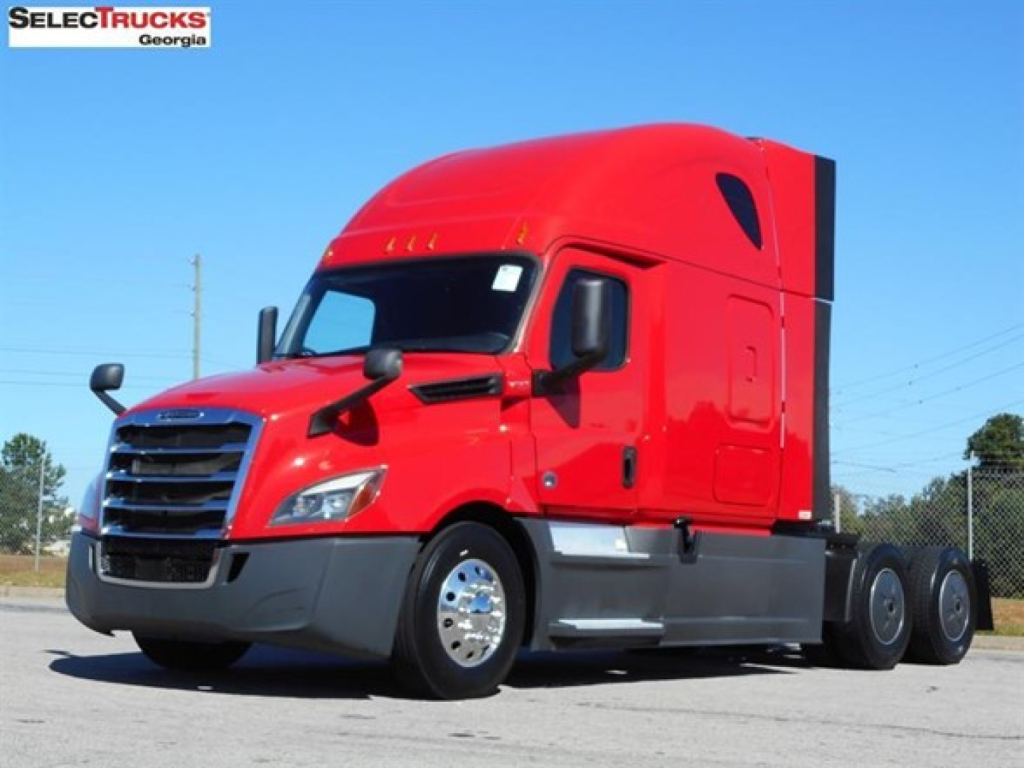

Showing 25 to 29 of 29 results
Have 2022 commercial truck to sell? List it here to reach thousands of buyers.
2022 Commercial Trucks in Georgia
The main buying decision starts with application, because the 2022 truck market spans everything from Class 5 and Class 6 work trucks up through Class 8 highway tractors. Day cabs are common for regional lanes, drayage, and dedicated routes where sleeper space is unnecessary. Conventional sleepers suit long-haul and multi-day operations, where fuel capacity, bunk layout, wheelbase, and rear axle ratio have a direct effect on driver comfort and operating cost. Cab and chassis trucks are often purchased for upfitting with service bodies, roll-offs, dump bodies, wreckers, or utility equipment. Vocational trucks from this year may also bring stronger PTO integration, higher front axle ratings, and suspension setups matched to severe-service work.
Specs deserve a close look because 2022 trucks vary widely even within the same body style. On road tractors, buyers typically compare engine families in the 11-liter to 15-liter range, horsepower and torque ratings, automated manual versus manual transmissions, 6x4 axle configurations, and wheelbase based on trailer type and kingpin setting needs. Suspension type, brake configuration, fuel tank capacity, and fifth wheel style also affect how the truck performs in regional or over-the-road service. On medium-duty and vocational units, GVWR, front and rear axle ratings, PTO provision, frame rail condition, body compatibility, and hydraulic system readiness are often more important than sleeper amenities or fuel range.
For Georgia buyers, it also helps to think about terrain, climate, and lane profile. Trucks working the I-75, I-85, and I-16 corridors need dependable cooling, stable emissions performance in heat, and gearing that fits sustained highway operation as well as urban congestion. A late-model 2022 truck is often attractive for fleets trying to balance uptime, warranty carryover potential, driver acceptance, and financing flexibility. The best choice usually comes down to matching the truck’s class, axle spec, engine rating, and cab configuration to the freight or jobsite work it will handle every day.
Frequently Asked Questions about 2022 Commercial Trucks in Georgia
What should I look for first when comparing 2022 trucks for sale?
Start with the truck’s intended job, then narrow the field by class, cab style, axle configuration, and weight rating. A 2022 sleeper tractor, day cab, dump truck, tow truck, and cab and chassis can all fall under the same broad truck category, but they are built for very different duty cycles. Once the application is clear, compare engine make, horsepower and torque, transmission type, wheelbase, suspension, PTO capability, and any body or trailer compatibility requirements.
Are 2022 trucks a good balance between price and technology?
For many buyers, yes. A 2022 truck is new enough to offer late-model driver-assist systems, improved cab ergonomics, better telematics support, and more refined emissions controls than older used units. At the same time, it may avoid the premium attached to new equipment. Buyers still need to review maintenance history, engine hours where relevant, software campaign status, and aftertreatment service records, because those factors affect long-term operating cost more than model year alone.
Which 2022 truck type makes the most sense for Georgia operations?
That depends on route structure and work environment. Day cabs are common for regional freight, drayage, and dedicated local runs around Atlanta and Savannah. Sleeper trucks fit long-haul lanes and multi-state operations. Dump, tow, and chassis trucks are better suited for construction, municipal, utility, or recovery work. Georgia fleets often prioritize cooling system condition, reliable idle management, and specs that can handle both highway speed and frequent traffic slowdowns.
What powertrain specs matter most on a 2022 highway truck?
Engine displacement, horsepower, torque curve, transmission type, rear axle ratio, and fuel capacity are the main points to review. Those specs determine gradeability, cruise rpm, fuel economy, and how well the truck matches trailer weight and route profile. A regional truck may benefit from a different ratio and wheelbase than a long-haul sleeper. Buyers should also confirm brake type, suspension, fifth wheel configuration, and any safety technology such as collision mitigation or engine brake integration.
What is important on a 2022 cab and chassis or vocational truck?
For vocational applications, body compatibility and chassis ratings are usually more important than appearance or highway-focused features. Review GVWR, frame dimensions, axle capacities, PTO setup, hydraulic provisions, suspension type, and the condition of any existing upfit interfaces. If the truck will carry a dump body, service body, wrecker gear, or specialty equipment, make sure the wheelbase, frame spec, and electrical architecture support the intended build without costly modification.