
2020 Commercial Trucks For Sale in Tennessee
Compare 2020 commercial trucks for sale in Tennessee by gearing, axle ratings, emissions history, and body fit for highway, delivery, or vocational work.
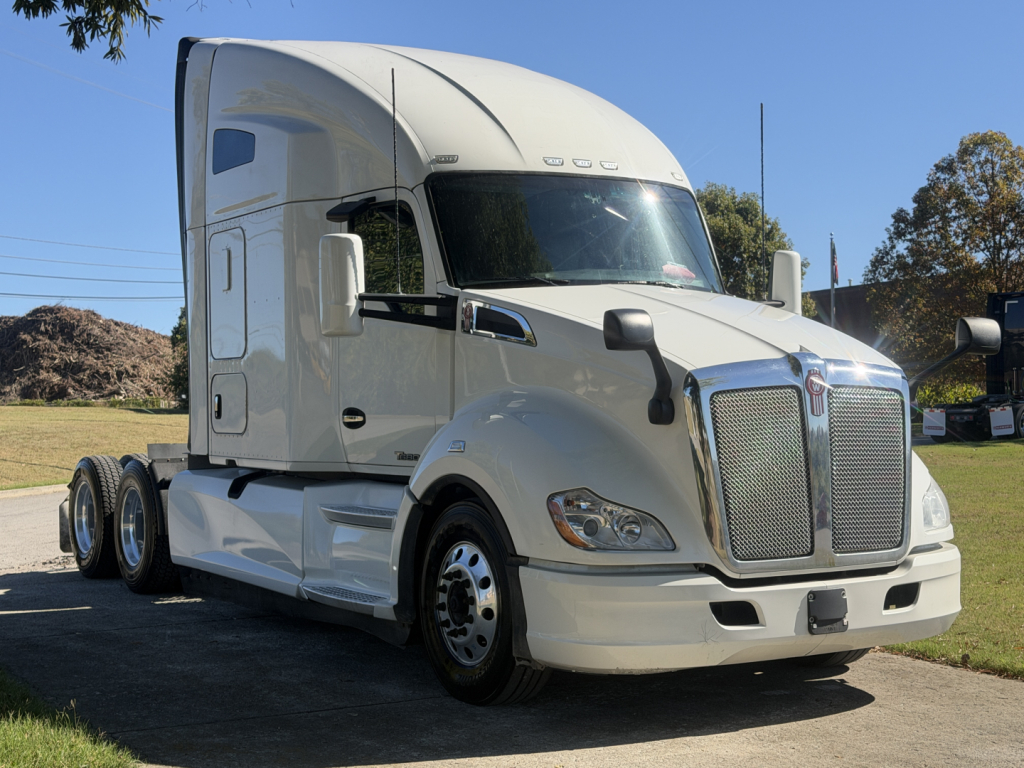
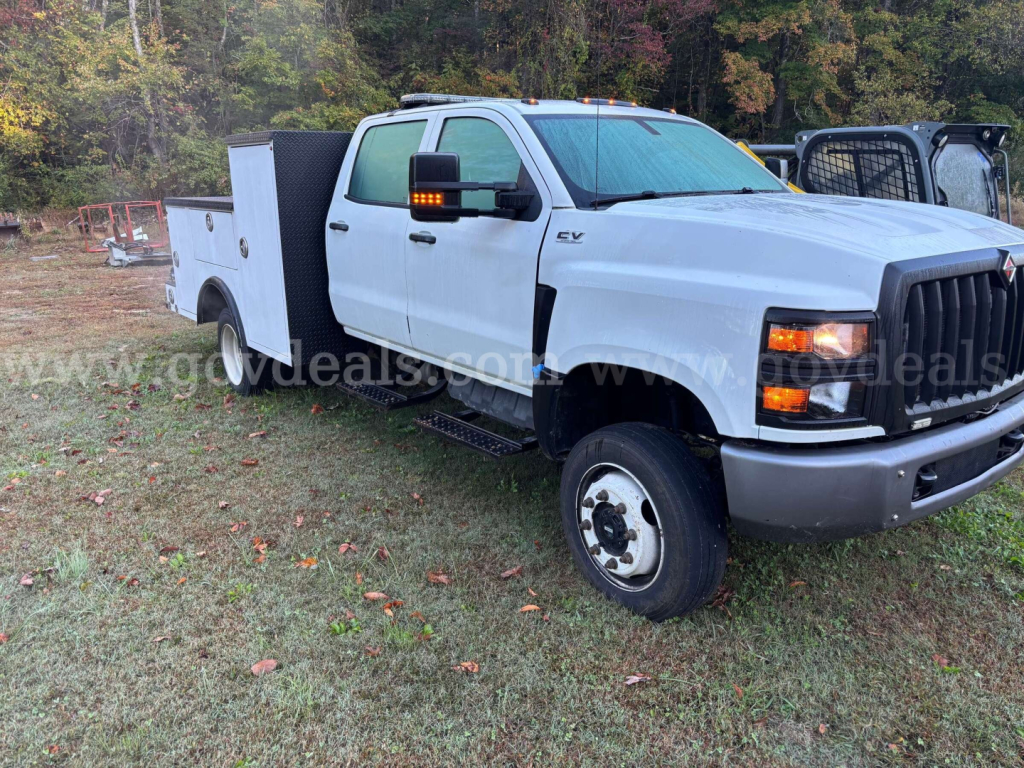
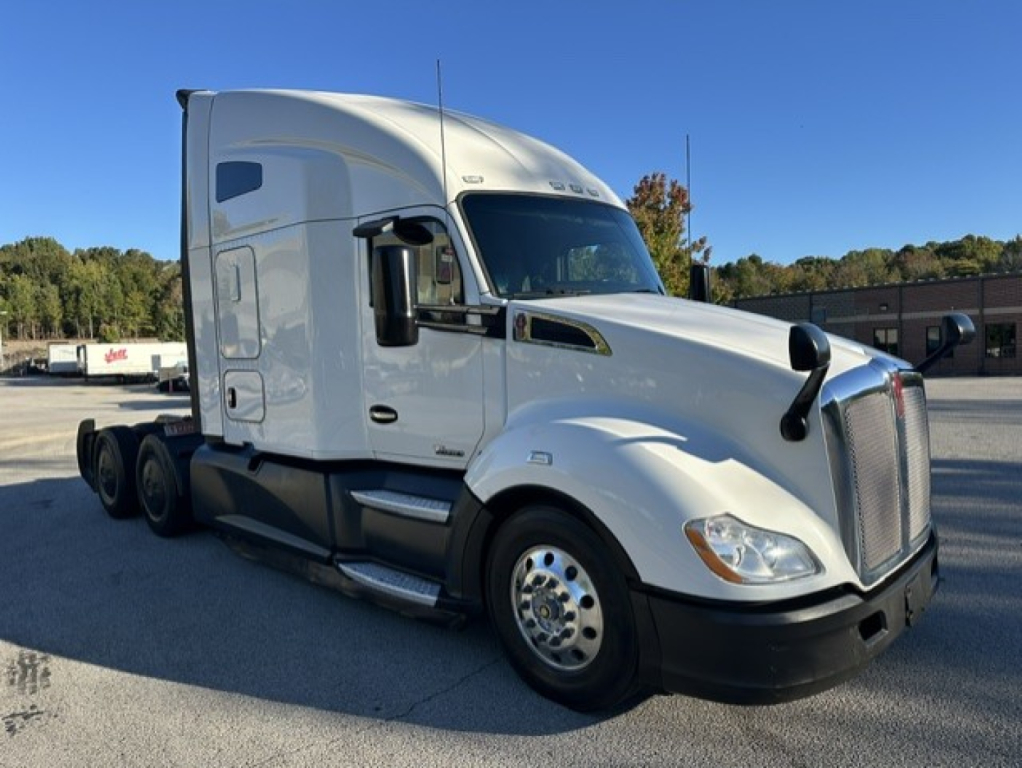
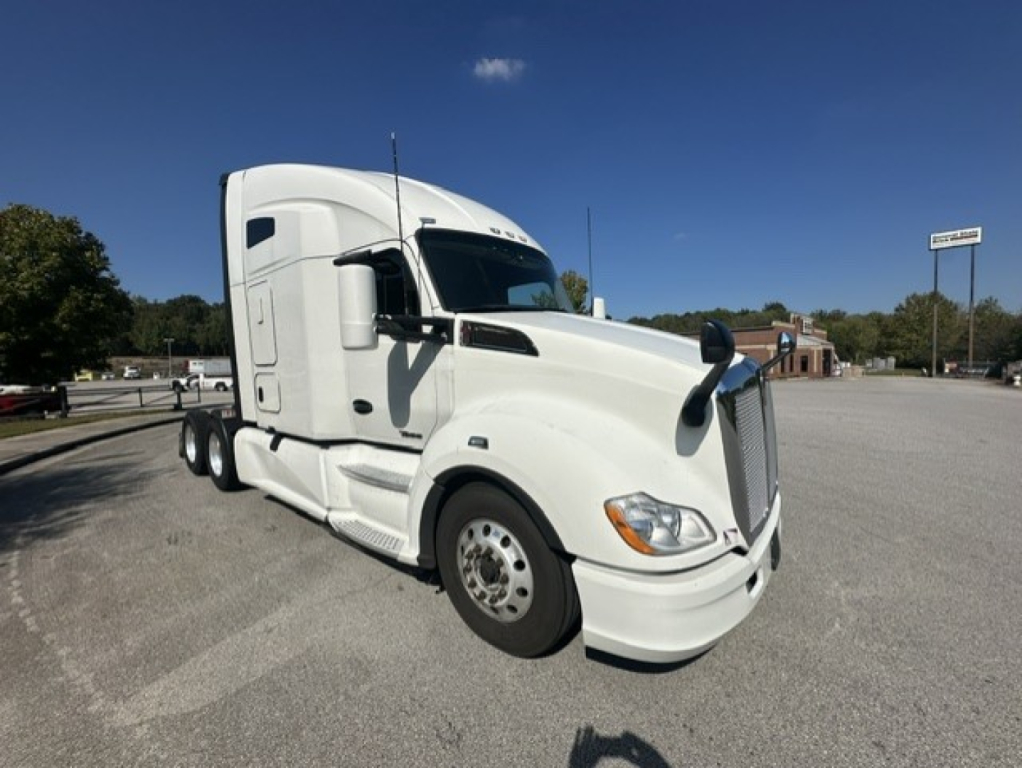
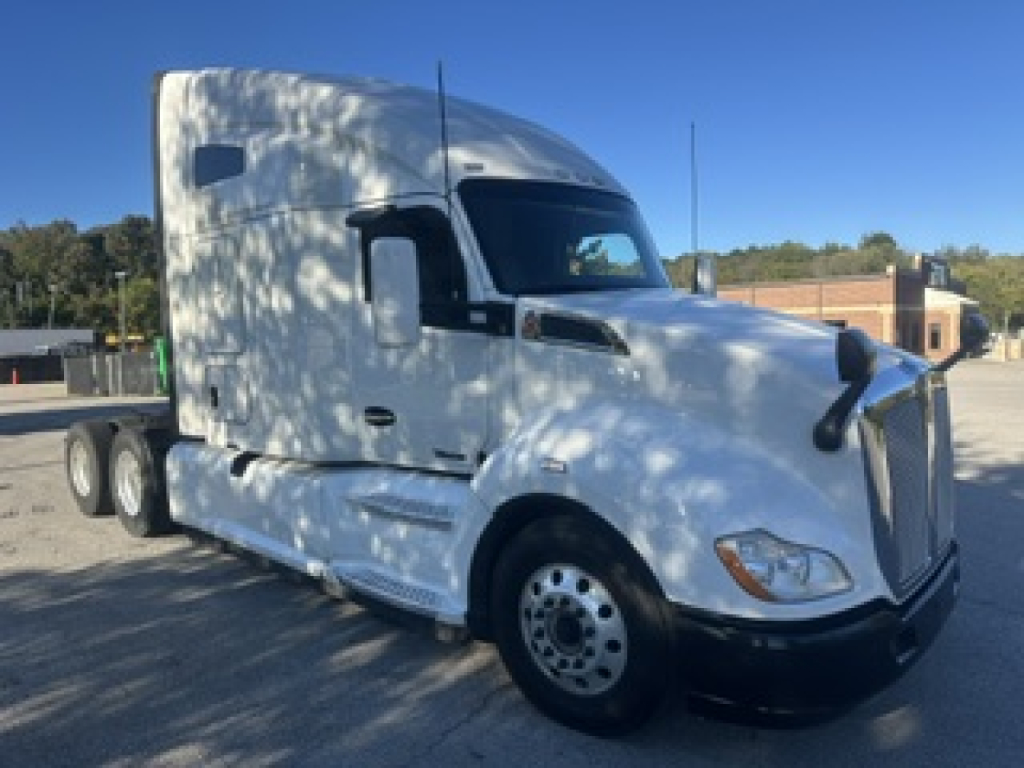
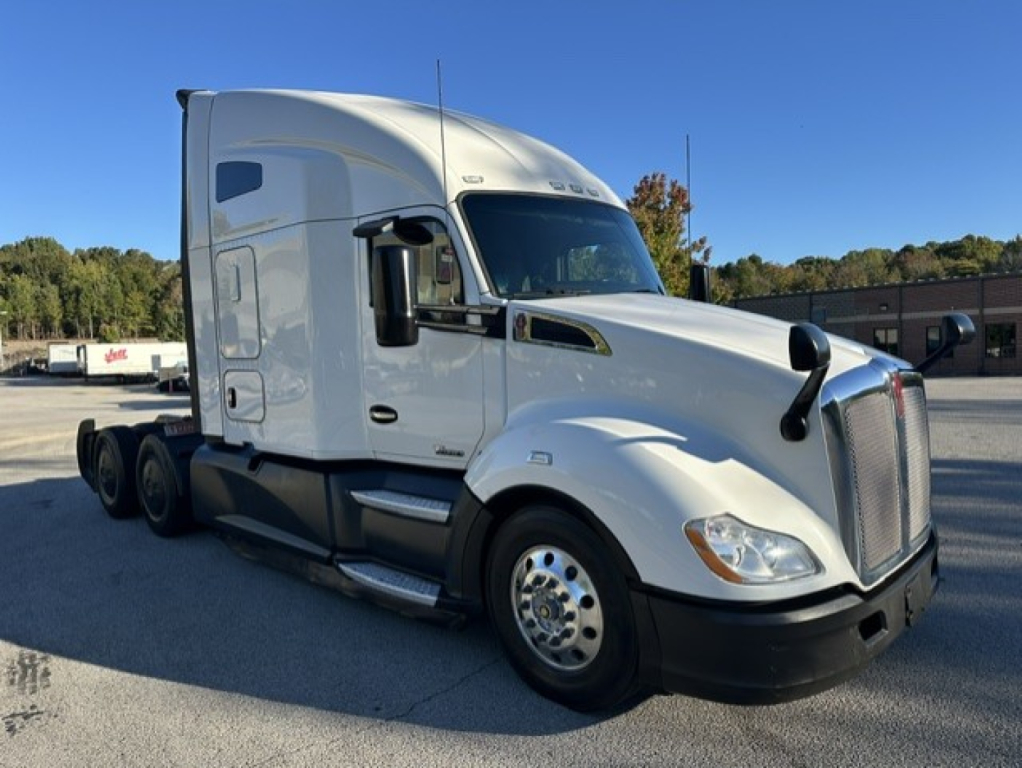
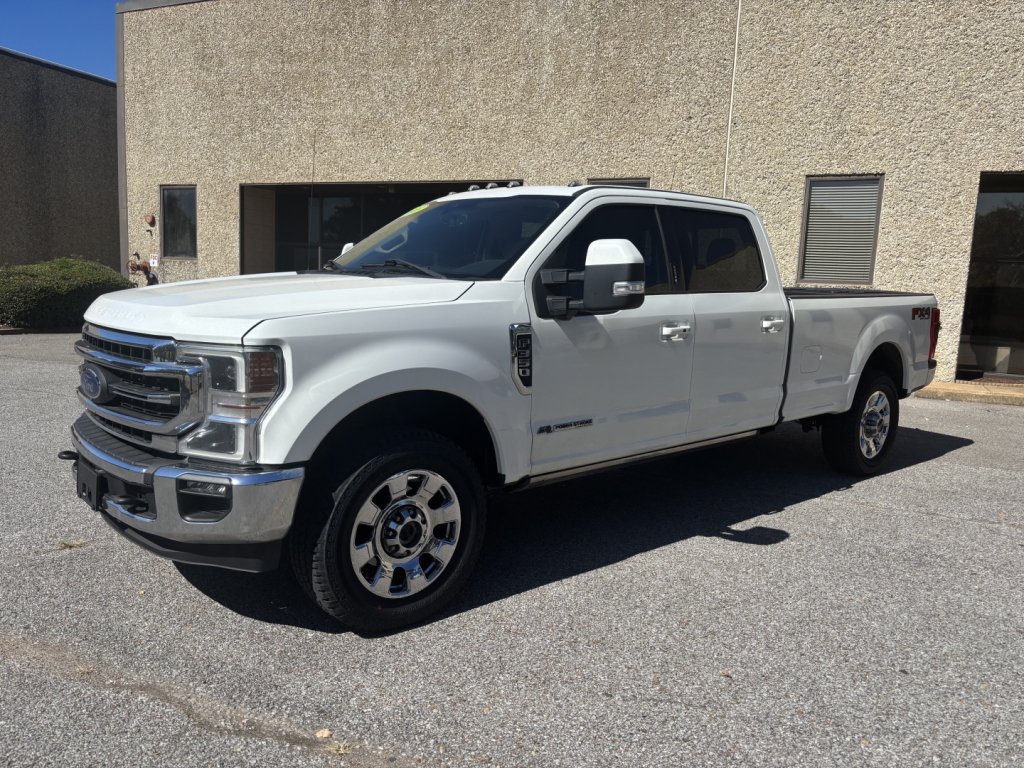

Selling a 2020 commercial truck? List your 2020 commercial truck for sale and reach thousands of commercial buyers.
2020 Commercial Trucks in Tennessee
Model year 2020 places most on-road heavy diesels in the GHG17 emissions era, with DPF and SCR systems using DEF. The 2020 Kenworth T680 is the earlier generation, not the later Next Gen design; engine choices include the Cummins X15 and PACCAR MX-13. Freightliner Cascadia buyers commonly encounter Detroit DD13 or DD15 engines, while Freightliner M2 106 and International MV chassis serve medium-duty straight-truck applications. Gasoline-powered commercial chassis require a different engine inspection and do not use diesel aftertreatment.
Axle ratio, transmission gearing, and tire size determine cruise RPM and grade performance together. Highway-oriented gearing needs closer evaluation for loaded starts, frequent stops, or Appalachian grades, where engine braking and cooling capacity matter. On Tennessee Interstate routes, standard federal limits include 80,000 pounds gross, 20,000 on a single axle, and 34,000 on a tandem, subject to axle spacing and the bridge formula. Higher equipment ratings do not authorize higher road weights. For straight trucks, verify loaded axle distribution with the intended body and cargo, not just total GVWR.
Used 2020 trucks need service records and an ECM download showing mileage, engine hours, idle time, and fault history. Request DPF cleaning records and inspect DEF dosing components, coolant condition, charge-air plumbing, and evidence of oil leaks. Check automated-transmission clutch wear and shift quality under load, plus suspension bushings, fifth-wheel wear, brakes, and uneven tire wear. Tennessee humidity warrants attention to electrical connectors and cab leaks; trucks previously operated in the Snow Belt may carry substantial salt corrosion regardless of their present location. Inspect frame rails and body mounts closely on vocational chassis.
For a 2020 truck represented as new, verify prior retail-sale history, warranty in-service date, and remaining coverage directly through the manufacturer. Evaluate the chassis as built rather than assuming another axle ratio, wheelbase, or factory option can still be ordered. Budget separately for required body installation, PTO equipment, and hydraulic plumbing. Storage-aged tires, batteries, seals, and fluids still deserve inspection. The 12% federal excise tax applies to qualifying first retail sales of heavy trucks and tractors; model year or a seller's condition label alone does not determine tax treatment.
Frequently Asked Questions about 2020 Commercial Trucks in Tennessee
Do I need a CDL to drive a 2020 commercial truck in Tennessee?
A single commercial truck rated or actually weighing 26,001 pounds or more generally requires a Class B CDL in Tennessee. A combination generally requires Class A when its combined rating or actual weight reaches 26,001 pounds and the towed vehicle exceeds 10,000 pounds. Passenger and hazardous-material operations can require a CDL below those thresholds. Check the applicable ratings, operating weights, endorsements, and any specific exemption before assigning a driver.
Is a 2.79 axle ratio suitable for a 2020 tractor working in East Tennessee?
A 2.79 axle ratio is a highway-oriented specification that needs careful evaluation for loaded mountain work. On a 2020 tractor, transmission top gear, tire size, engine torque, and starting gear determine whether that ratio suits the route. Request a drivetrain performance calculation for your gross combination weight and grades. A numerically lower ratio does not automatically save fuel if the transmission must downshift repeatedly.
Can I legally delete the emissions equipment on a 2020 diesel truck in Tennessee?
No, removing or disabling required emissions controls on a 2020 on-road diesel truck violates federal anti-tampering rules. Tennessee registration does not exempt a truck from those requirements. Before purchase, have a qualified shop verify the DPF, SCR system, sensors, and ECM calibration against the manufacturer's configuration. Missing hardware or altered software can create substantial restoration work and complicate subsequent resale.
What does PTO-ready mean on a 2020 commercial truck?
PTO-ready does not mean a 2020 commercial truck has a complete working hydraulic system. The term may describe only transmission provisions, wiring, or software capability. Verify the transmission build code, PTO mounting location, permitted operating mode, torque capacity, and required engine controls. A dump body, wet kit, or utility installation also needs correctly matched pumps, reservoirs, plumbing, and safety interlocks.
How do I check for unresolved recalls on a 2020 commercial truck?
Check the 2020 truck's VIN through NHTSA and request open-campaign status from the chassis manufacturer. Engine manufacturers may also have separate service campaigns that do not appear as chassis safety recalls. Ask for completion records rather than relying on a dashboard without warning lights. For a straight truck or vocational truck, check the body manufacturer's recalls and service notices separately.