
2020 Commercial Trucks For Sale in Georgia
Browse 2020 trucks for sale in Georgia, including Class 6 to Class 8 models for delivery, vocational, regional, and over-the-road work.
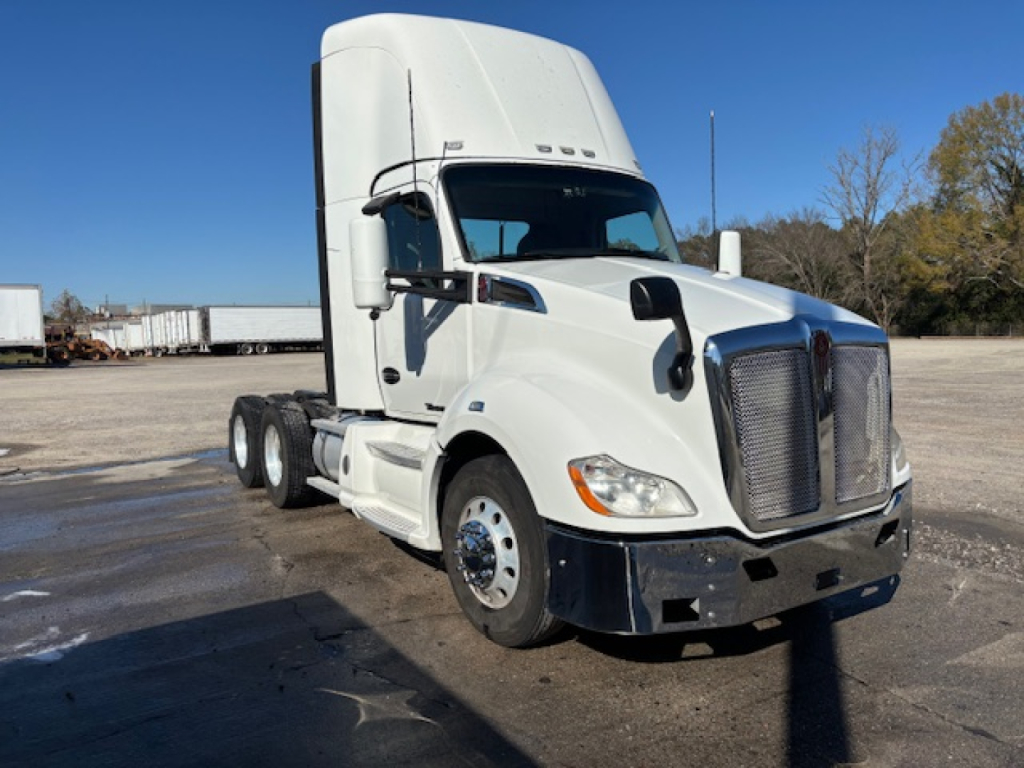
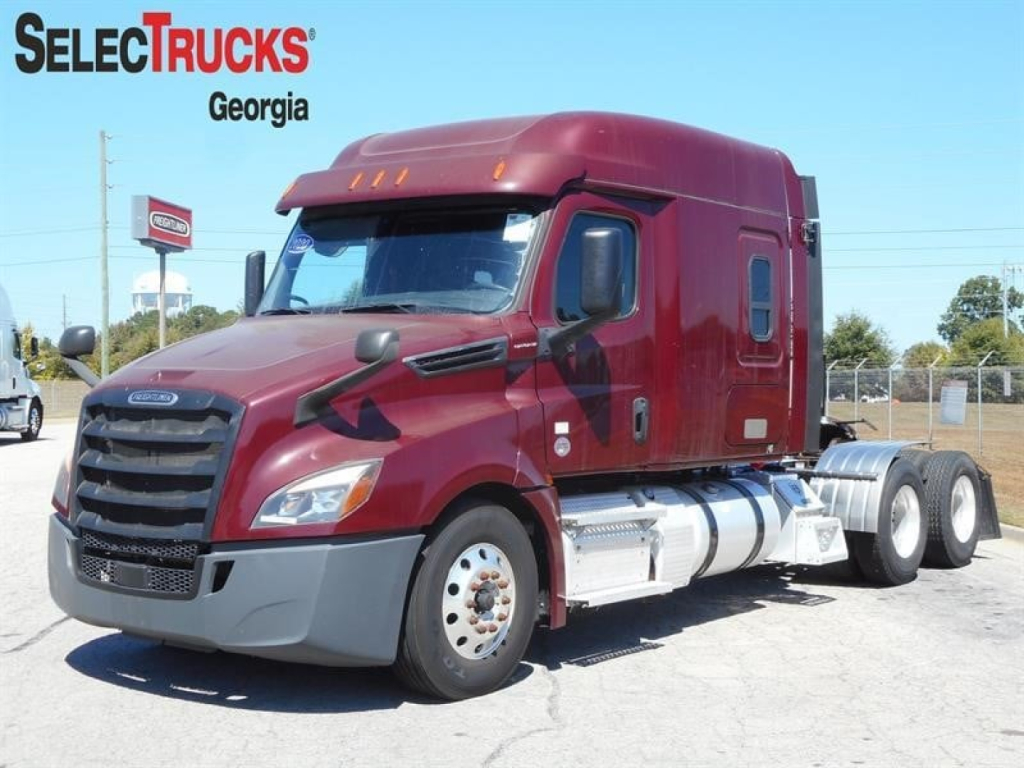
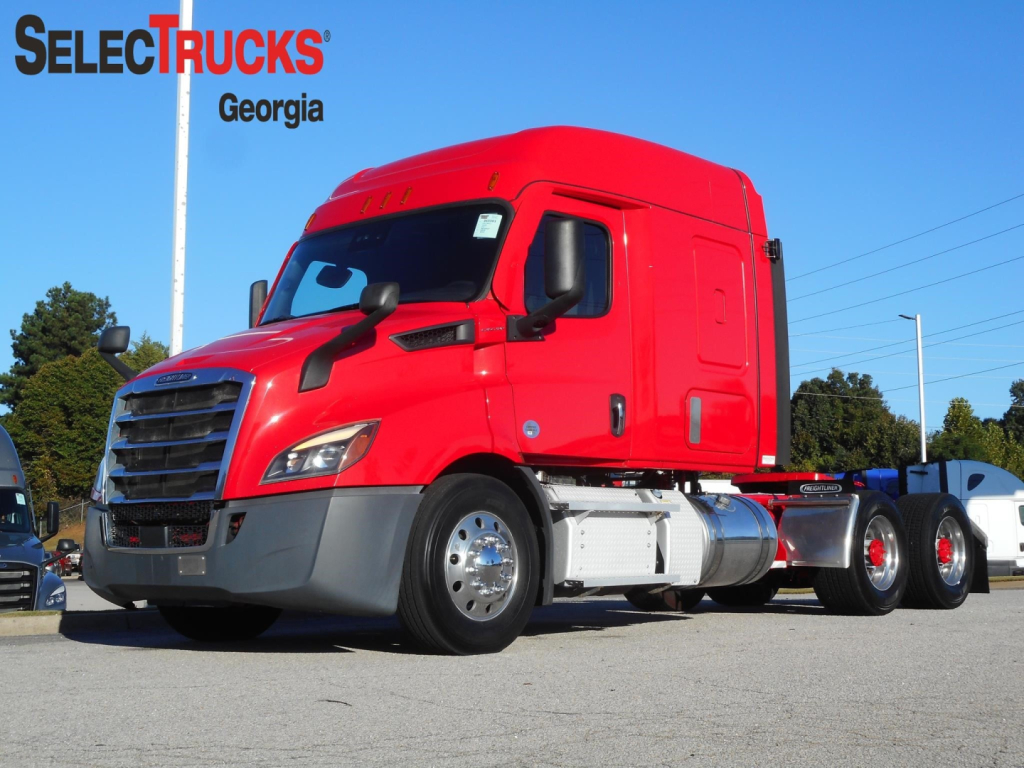
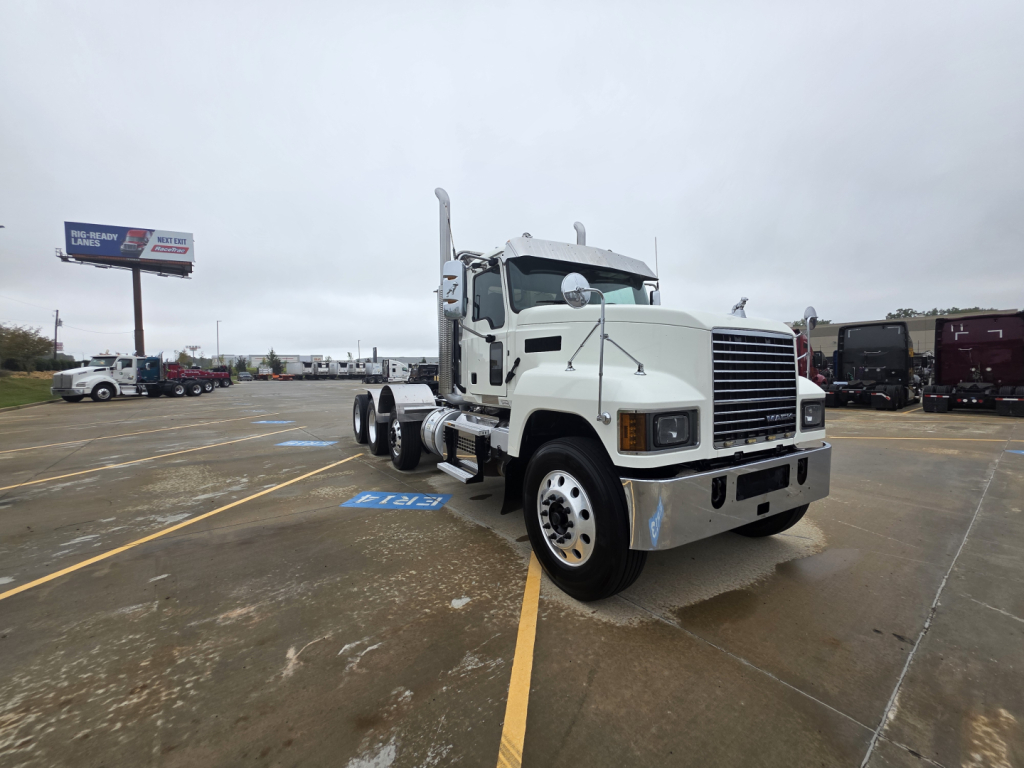
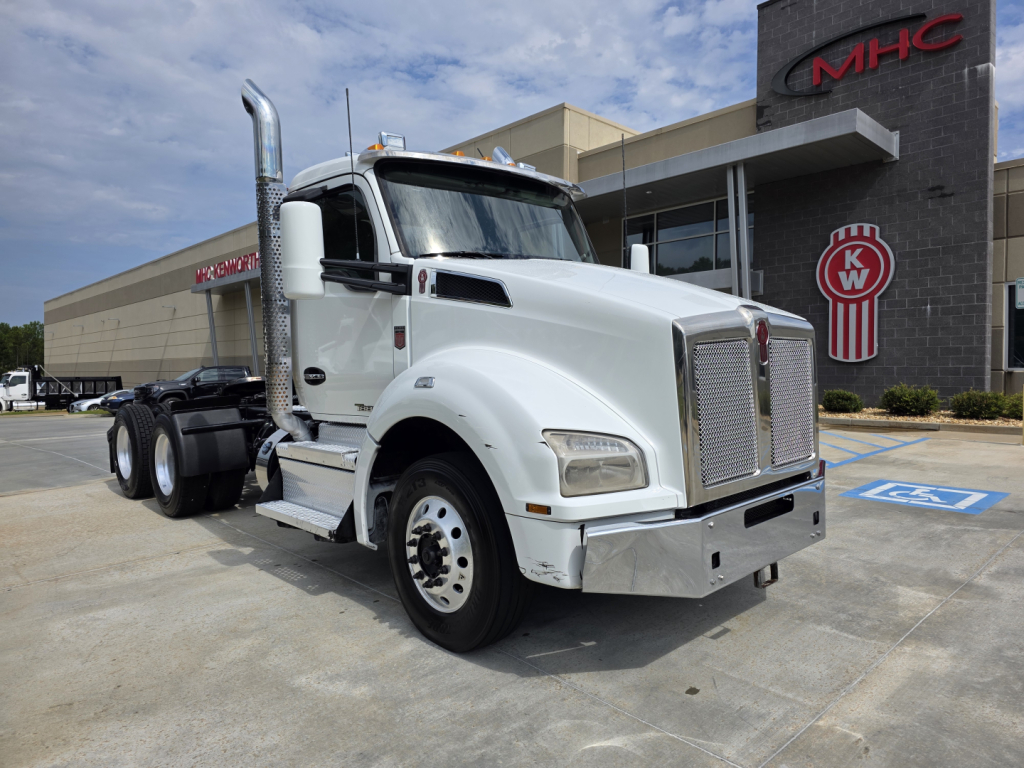
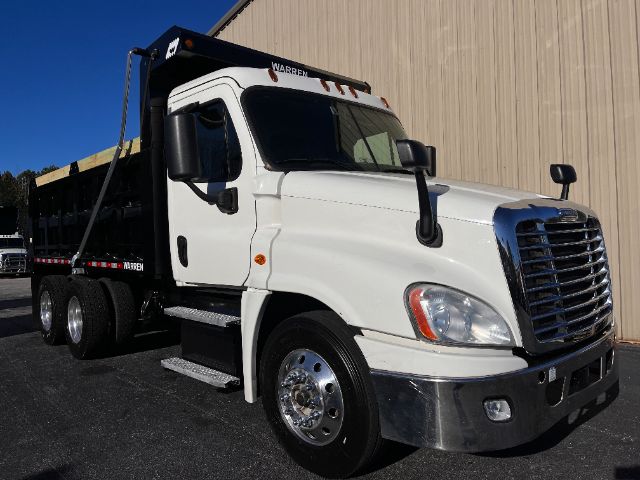
Selling a 2020 commercial truck? List your 2020 commercial truck for sale and reach thousands of commercial buyers.
2020 Commercial Trucks in Georgia
The first decision is application. A 2020 conventional day cab is a strong fit for local hauling, port work, dump or transfer operations, and dedicated regional lanes where a sleeper is unnecessary. A 2020 sleeper truck, also known as a road tractor or semi truck, is better suited for longer runs and over-the-road freight. Medium-duty 2020 trucks such as box trucks and delivery units are common in final-mile, beverage, furniture, and route service work. Buyers should compare GVWR class, axle configuration, wheelbase, body length, suspension type, and loading features such as liftgates, E-track, forklift packages, or cargo access setup.
Powertrain choices on 2020 trucks vary widely by class, but common specs include diesel engines from Cummins, Detroit, Paccar, or International in heavier applications, along with gasoline options in lighter delivery trucks and vans. On highway tractors, it is common to see 400 to 505 horsepower ranges, 12-speed AMTs, tandem axles, and 40,000-pound rear axle ratings. Medium-duty trucks often pair lower horsepower diesel engines with Allison automatic transmissions for stop-and-go work. Pay close attention to rear axle ratio, engine brake spec, fuel capacity, and suspension. In Georgia heat and traffic, idle management, A/C performance, cooling system condition, and emissions system history matter as much as headline horsepower.
A good 2020 truck should be evaluated around duty cycle, not just price or mileage. A highway tractor with proper maintenance records, a sensible ratio, and a clean aftertreatment history can be a better buy than a lower-mile truck with the wrong spec for the lane. For box and vocational trucks, check body condition, floor wear, liftgate operation, PTO function if equipped, brake type, and tire size compatibility with your operation. Buyers in Georgia should also consider rust exposure from prior operating regions, title history, DOT compliance items, and proximity to parts and service support for the engine and transmission brand. The right 2020 truck is the one that matches payload, route length, trailer or body requirement, and maintenance budget without forcing a compromise on legal capacity or uptime.
Frequently Asked Questions about 2020 Commercial Trucks in Georgia
What are the main advantages of buying a 2020 truck?
A 2020 truck often gives buyers a strong value point between older lower-cost equipment and much more expensive late-model trucks. Many 2020 models include newer driver-assist features, updated cab interiors, efficient automated transmissions, and refined emissions systems, while still being old enough to avoid the steepest depreciation. For many operations, that makes a 2020 truck a practical choice for lowering capital cost without stepping too far back in technology or driver comfort.
What should I check first on a used 2020 semi truck in Georgia?
Start with engine hours, maintenance records, fault code history, and emissions system documentation. On a 2020 semi truck, pay close attention to the DPF, DEF system, EGR components, coolant condition, and any signs of repeated parked regens or derate events. In Georgia, cooling performance and A/C condition also matter because heat and traffic can expose weaknesses quickly. After that, review axle ratio, tire size, wheelbase, suspension, and fifth wheel setup to make sure the truck actually matches the lanes and trailers you plan to run.
Is a 2020 day cab or a 2020 sleeper a better choice?
A 2020 day cab is usually the better fit for local and regional work where lower weight, shorter wheelbase, and easier maneuverability matter more than living space. A 2020 sleeper is the better choice for overnight freight, long regional runs, and over-the-road applications where driver retention and onboard storage are important. The right decision comes down to route length, customer dwell time, and how often the driver needs bunk space, extra fuel capacity, and cab amenities.
What specs matter most on a 2020 box truck or straight truck?
The most important specs are GVWR, body length, payload capacity, rear axle rating, wheelbase, door configuration, and liftgate capacity if one is installed. Buyers should also check whether the truck has spring or air suspension, what transmission it uses for stop-and-go work, and whether cargo-control features like E-track, scuff liners, or a forklift package are already in place. Those details directly affect loading efficiency, route suitability, and long-term operating cost.
How many miles is too many for a 2020 truck?
There is no single mileage number that makes a 2020 truck good or bad. A properly maintained highway tractor can still be a solid purchase at higher mileage if the engine, transmission, aftertreatment system, and driveline have been serviced correctly and the spec fits the intended job. Medium-duty route trucks may show lower miles but higher idle time and more stop-start wear. Service history, duty cycle, and component condition tell you far more than the odometer alone.