
2019 Commercial Trucks For Sale in California
Browse 2019 trucks for sale in California, including semi trucks, day cabs, sleepers, and cab & chassis units for regional, local, and vocational work.
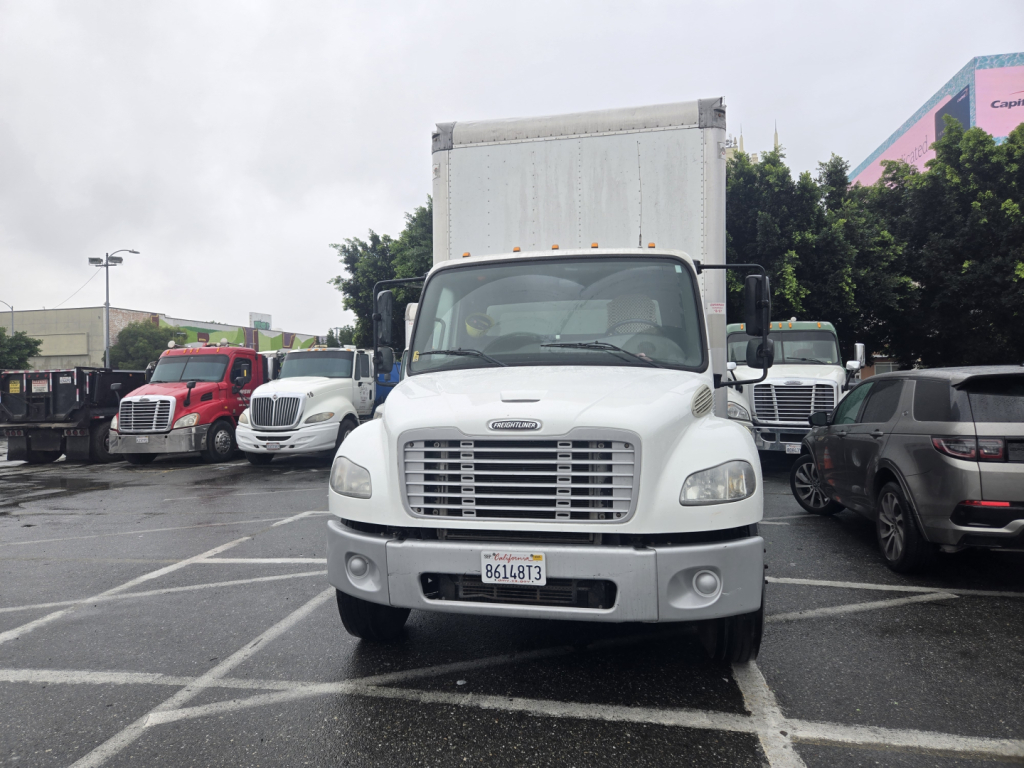
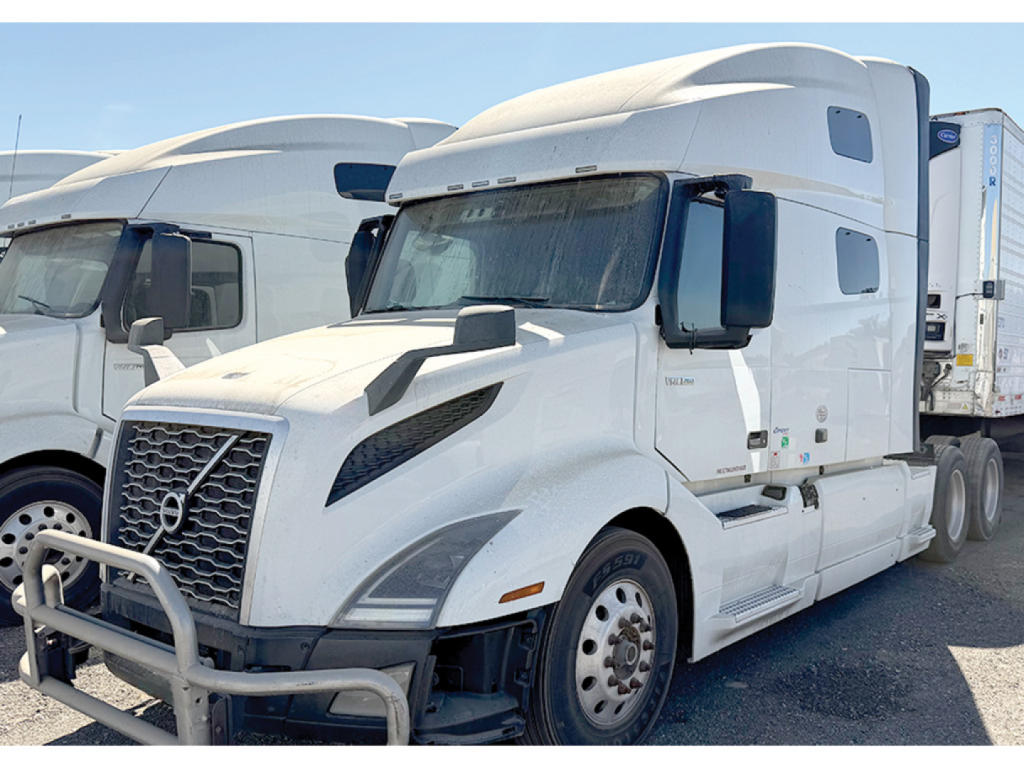

Selling a 2019 commercial truck? List your 2019 commercial truck for sale and reach thousands of commercial buyers.
2019 Commercial Trucks in California
The biggest buying decision is matching the truck to the job. A 2019 conventional day cab is usually the right fit for port work, local delivery, transfer runs, and regional hauling where sleeper space is unnecessary and wheelbase matters for maneuverability. A 2019 sleeper truck is better suited for over-the-road freight, team service, or longer regional lanes where bunk size, fuel capacity, and axle ratio directly affect uptime and driver comfort. Cab and chassis trucks in this year are also common in utility, landscaping, service body, rollback, dump, and hot shot applications. Common powertrains in 2019 trucks include Cummins, Detroit, PACCAR, Ford Power Stroke, and other OEM diesel platforms, paired with automated manuals, full automatics, or traditional manual transmissions depending on duty cycle.
California buyers should pay close attention to emissions equipment condition and documentation. On a 2019 diesel truck, that means looking closely at the DPF, DEF system, SCR components, sensors, and fault history, especially on trucks that have seen a lot of idle time, stop-and-go work, or inconsistent maintenance. It is also smart to verify GVWR or GCWR, axle configuration, wheelbase, suspension type, and brake setup before comparing listings. On highway tractors, rear axle ratios, fifth wheel type, and fuel tank capacity can change performance more than buyers expect. On medium-duty units and cab and chassis trucks, body compatibility, PTO provisions, frame dimensions, and front axle capacity often matter just as much as engine output.
A well-matched 2019 truck can still offer a long service life if maintenance records, aftertreatment health, and prior application line up with your needs. Buyers comparing listings in California should also consider regional terrain, with mountain routes, heat, and urban congestion all affecting the right horsepower, cooling capacity, and transmission choice. Features like engine brakes, collision mitigation, air ride suspension, power windows, cruise control, and aluminum wheels are common in this model year, but the real value comes from choosing the right spec for the freight, route density, and compliance environment.
Frequently Asked Questions about 2019 Commercial Trucks in California
Are 2019 trucks a good balance between price and modern equipment?
Yes. A 2019 truck is often a practical middle ground for buyers who want newer design improvements without paying the premium attached to very late-model equipment. This model year commonly offers automated manual transmissions, improved aerodynamics, updated interiors, and more advanced safety electronics, while still being old enough to present a broader range of pricing and configurations in the used market.
What should California buyers check first on a 2019 diesel truck?
The first priority is emissions system condition and compliance suitability for California operation. Buyers should review the DPF, DEF, and SCR system, look for active or stored fault codes, and confirm the truck has not been poorly maintained or altered in a way that creates registration or operating problems. Service records, idle history, and diagnostic reports are especially important on 2019 trucks because aftertreatment performance has a major impact on uptime and repair cost.
What is the difference between a 2019 day cab and a 2019 sleeper truck?
A 2019 day cab is built for local or regional work where maneuverability, lower tare weight, and easy yard access are important. A 2019 sleeper truck adds living space for longer runs and usually carries specs better suited for highway freight, including larger fuel capacity, longer wheelbase, and often higher horsepower. The right choice depends on haul length, freight type, and how many nights the driver is expected to stay out.
What specs matter most when comparing 2019 trucks for sale?
The key specs depend on application, but buyers should start with engine make and horsepower, transmission type, axle configuration, rear axle ratio, wheelbase, suspension, and brake setup. For tractors, fifth wheel position, fuel capacity, and sleeper size can significantly affect performance and usability. For cab and chassis trucks, frame length, PTO capability, front axle rating, and intended body installation are critical because they determine whether the truck can be put to work without costly modifications.
Can a 2019 cab and chassis truck work for hot shot or vocational service?
Yes, many 2019 cab and chassis trucks are well suited for hot shot, contractor, municipal, and general vocational work when the wheelbase, GVWR, and powertrain are matched to the body and payload. Buyers should confirm that the frame is correct for the intended upfit, that the axle ratings support the loaded application, and that the transmission and engine package are appropriate for stop-and-go service, towing, or PTO-driven equipment if required.