
2018 Trucks For Sale
2018 trucks overview: sleepers, day cabs, box and vocational units with AMTs, EPA-2010 aftertreatment, safety tech and fuel‑saving aero.
Learn morePopular Trucks Categories
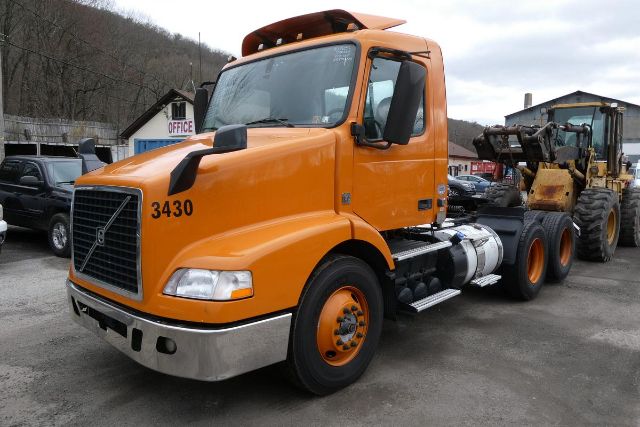
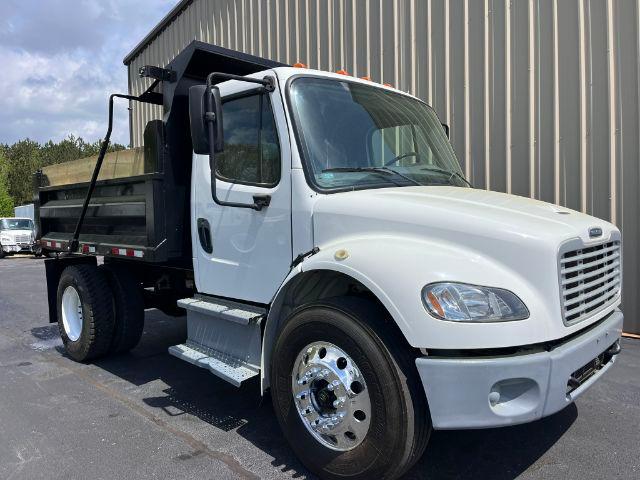
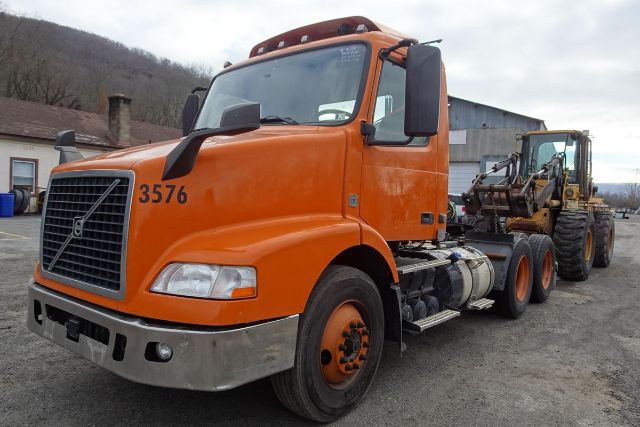
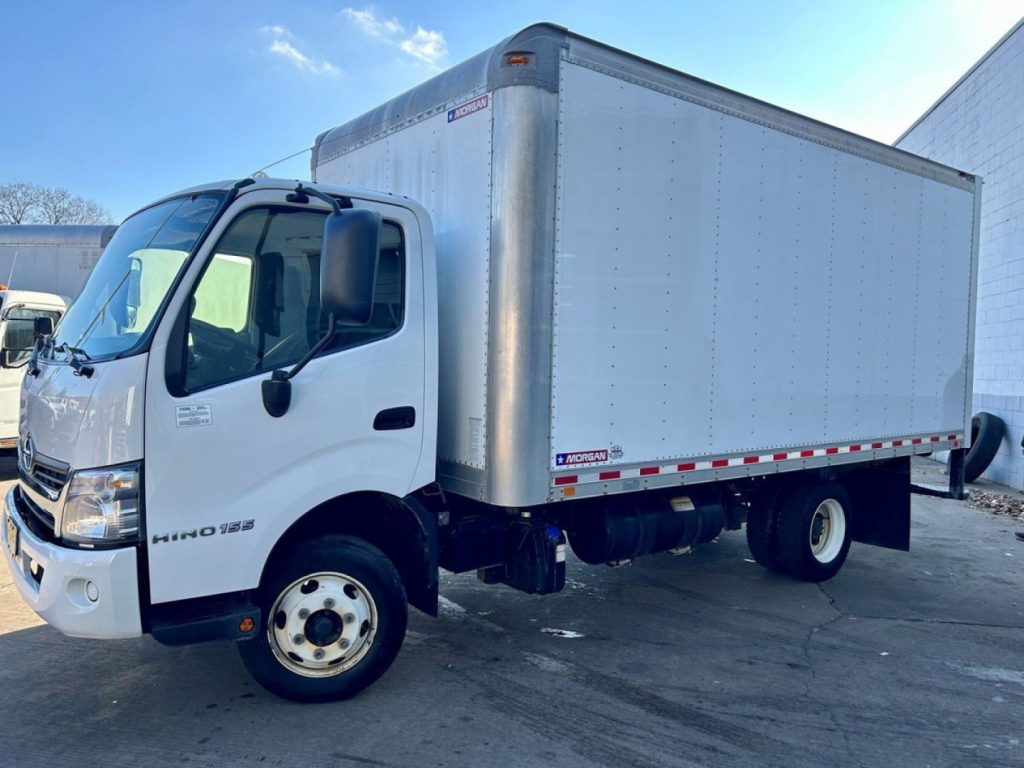
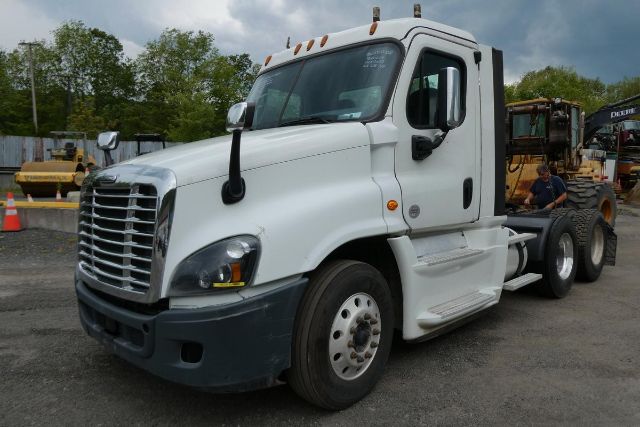
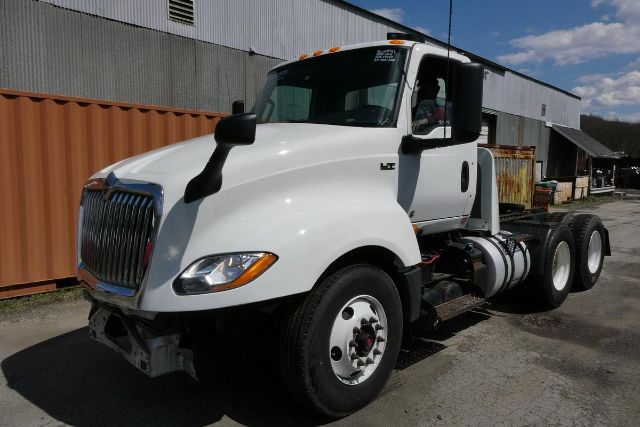
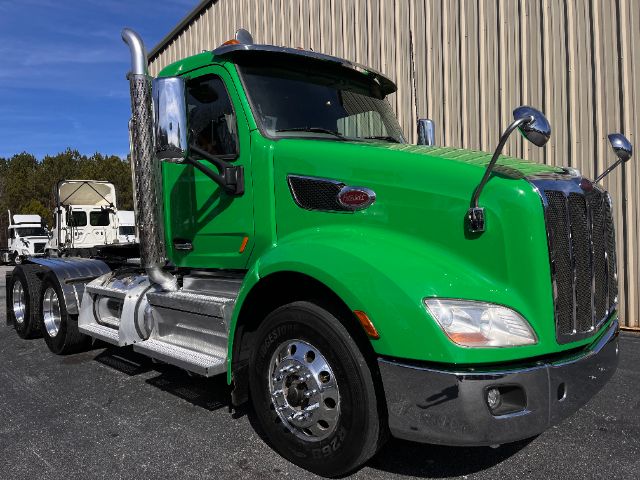
Showing 73 to 84 of 93 results
Have 2018 truck to sell? List it here to reach thousands of buyers.
About 2018 Trucks
Aftertreatment reliability improved by 2018, but service history still matters. Look for documented DPF cleanings, DEF pump or doser replacements, NOx sensors, and SCR catalyst checks. Healthy systems show fast closed-loop regens and minimal derate history on ECM reports. Collision mitigation was widely adopted in 2018 with Bendix Wingman, Detroit Assurance and Volvo Active Driver Assist. Air disc brakes became more common for shorter stops and easier service. Factory aero packages, roof and side fairings, low-rolling-resistance tires and automatic tire inflation systems can add 0.5-1.0 mpg in linehaul. In the cab, midroof and high-roof sleepers from 56 to 76 inches, double bunks, inverter wiring, park HVAC or APUs reduce idle time and improve driver retention.
Applications vary from on-highway tractors like Cascadia, T680, 579, VNL and LT to medium-duty box and reefer units such as M2 106, T370, Hino 268-338 and Isuzu N-Series. For day cabs and regional tractors, wheelbase and bridge-law friendly kingpin settings are key, as are fuel tank split and DEF tank placement for body clearance. Vocational 2018 trucks, including dump and mixer specs like T880, 567 and Granite, benefit from double-frame inserts, full-locking differentials, 20-22K steer axles, 40-46K rears and PTO provisions. Medium-duty buyers should match body length and CA-CT dimensions, verify Allison automatic model and ratios, and for reefers confirm unit model, hours and maintenance logs. Gas offerings exist in some medium-duty chassis, but most 2018 units are diesel with proven durability and better resale in commercial duty cycles.
Buying a 2018 truck is about balancing miles, hours and spec. Typical Class 8 linehaul units from this year show 450K-900K miles. Lower-mile tractors sometimes carry remaining extended coverage on components like aftertreatment or transmission, but most base warranties are time-expired, so documentation is critical. Pull an ECM download for fault history, regen frequency and idle percentage, inspect tires and brakes for even wear, and sample engine oil and coolant for contaminants. Confirm ELD-ready 9-pin or OBD connectors, active telematics like Virtual Technician, Remote Diagnostics or SmartLINQ, and check that any collision mitigation radar is calibrated. For California and other strict jurisdictions, an EPA-2010 emissions label and clean OBD checks help with compliance, while port drayage programs can have added rules on truck age and registration changes.
Frequently Asked Questions
What engines and transmissions are most common on 2018 Class 8 trucks?
Expect Cummins X15, PACCAR MX-13, Detroit DD13-DD15 and Volvo D13 as the primary heavy-duty engines. Transmissions are often automated manuals such as Eaton UltraShift or Advantage, Detroit DT12 and Volvo I-Shift, with Eaton Fuller 10-18 speed manuals still present in some fleets. Match engine torque to duty cycle and verify axle ratios to support cruise RPM within the engine’s efficient band.
What should I check in the aftertreatment system on a 2018 diesel truck?
Review DPF cleaning intervals, SCR catalyst condition, DEF pump and doser service, and NOx sensor history. Scan ECM for active and inactive fault codes, monitor soot load, and confirm that forced and passive regens complete quickly. Inspect for exhaust leaks ahead of the sensors and verify the DEF quality sensor reads correctly. A documented replacement of high-failure items is a plus.
Are 2018 trucks compliant with ELD and emissions rules?
2018 model year trucks are ELD-ready with standard diagnostic connectors and engine ECMs that support data logging. Emissions systems meet EPA-2010 standards using SCR and DPF. Regional rules vary, so verify any local or port-specific requirements before assigning a truck to drayage or CARB-enforced routes. An EPA-2010 label and clean OBD inspection generally satisfy compliance in most states.
How do 2018 automated manuals compare to manuals for reliability and fuel economy?
By 2018, AMTs had mature software and hardware that typically deliver better fuel economy than manuals, especially with downsped powertrains and predictive cruise. Reliability is strong when clutches and shift actuators are serviced per schedule. Manuals can be preferred for severe off-road maneuvering, but AMTs reduce driver variability and clutch wear in regional and long-haul operations.
What mileage is typical for a 2018 Class 8 tractor and how much life remains?
Many 2018 linehaul tractors show 450K-900K miles. With proper maintenance, modern 13-15 liter platforms often run well beyond 1 million miles. Focus on oil analysis, overhead set history, fuel system condition, turbo and EGR health, and aftertreatment service records. Tires, brakes, shocks and bushing condition will indicate how soon you will face reconditioning after purchase.