
2018 Cab and Chassis Trucks For Sale
Browse 2018 cab and chassis trucks with key specs on GVWR, wheelbase, cab-to-axle, powertrain, and upfit compatibility.
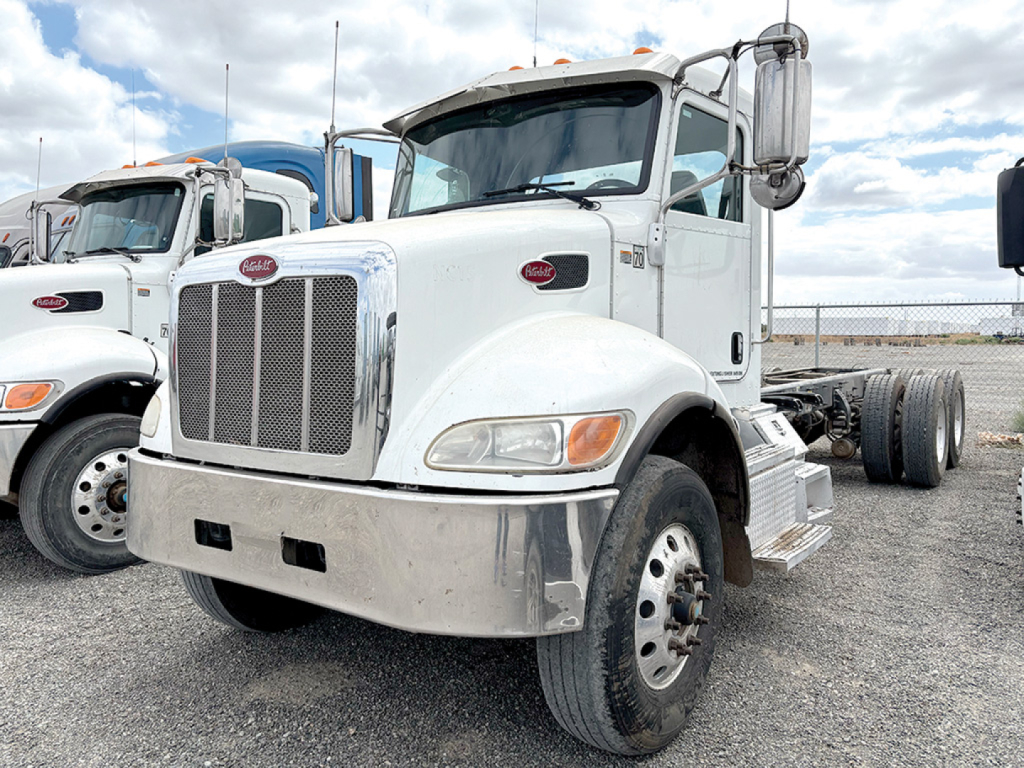
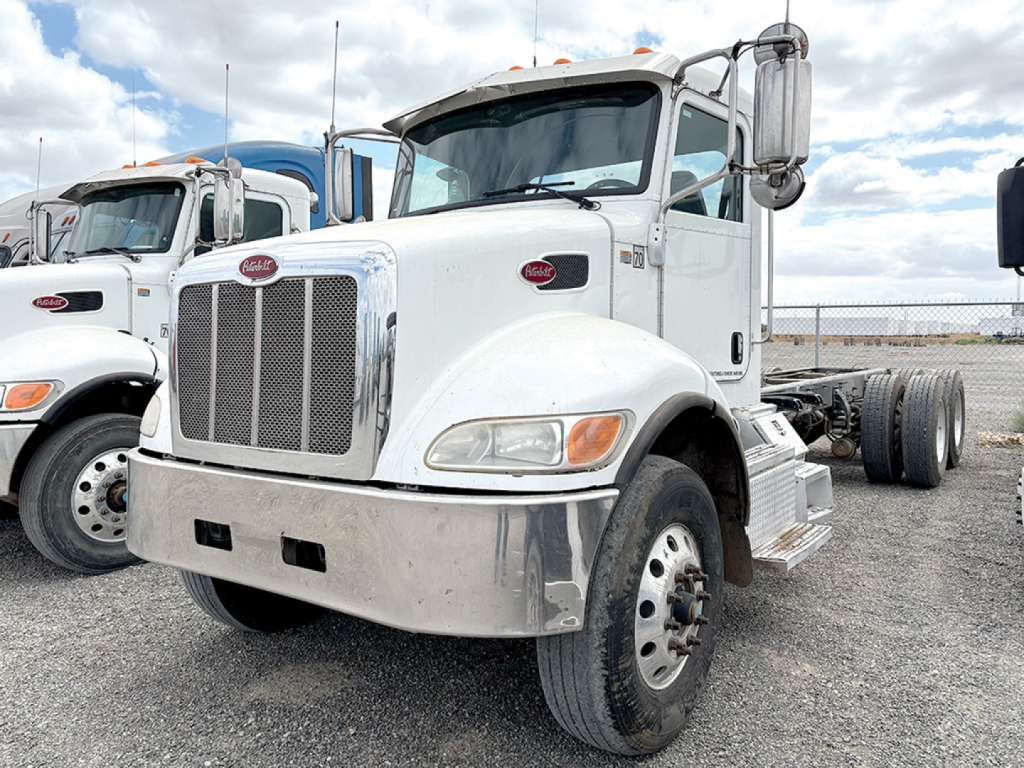
Selling a 2018 cab and chassis truck? List your 2018 cab and chassis truck for sale and reach thousands of commercial buyers.
2018 Cab and Chassis Trucks
For most buyers, fit-up dimensions matter as much as make and engine. Cab-to-axle and cab-to-end measurements determine what body length will work without costly frame modifications, while wheelbase affects turning radius, axle loading, and ride quality. Medium-duty 2018 cab and chassis trucks commonly fall in Classes 4 through 7, with popular GVWR ranges from around 16,000 to 33,000 pounds. Heavy-duty configurations can go higher and are often chosen for vocational work requiring tandem axles, higher rear axle ratings, PTO capability, and more durable suspensions. If the truck will carry a crane, compressor, or other stationary equipment, confirm frame reinforcement, axle capacity, and available PTO provisions before buying.
Powertrain choice on a 2018 model should match the duty cycle. Diesel engines remain common for higher-mileage or heavier vocational use, often paired with Allison automatic transmissions or manual and automated manual options depending on application. Gas-powered cab and chassis trucks in this year range can make sense for lower annual miles, lighter payloads, and simpler maintenance profiles. Check rear axle ratio against the intended body and route type, especially if the truck will spend time in stop-and-go city service, on secondary roads, or at sustained highway speeds. Emissions equipment condition is also important on 2018 diesel trucks, so buyers should pay attention to DEF system service history, DPF cleaning records, fault codes, and idle hours in addition to mileage.
A good 2018 cab and chassis truck is not just a truck with an empty frame. It is a platform that needs to match the upfit, payload, and operating environment from day one. Air brake versus hydraulic brake setup, single axle versus tandem, suspension type, frame height, fuel tank placement, and exhaust routing can all affect body installation and long-term serviceability. Buyers comparing listings should look closely at wheelbase, CA dimension, GVWR, front and rear axle ratings, transmission model, PTO readiness, and any evidence of prior body removal or frame drilling. Those details usually tell you more about suitability than the badge on the hood.
Frequently Asked Questions about 2018 Cab and Chassis Trucks
What is a cab and chassis truck?
A cab and chassis truck is a truck sold with the cab, engine, drivetrain, and frame rails in place, but without a permanent body installed on the rear. It is designed to accept an upfit such as a flatbed, dump body, box, utility body, rollback, tanker, or service body. Buyers choose cab and chassis units when they need a truck configured for a specific job rather than a factory-finished body style.
What measurements matter most when buying a 2018 cab and chassis truck?
The most important dimensions are cab-to-axle, wheelbase, and cab-to-end. Cab-to-axle is critical because it determines what body length and body style can be mounted correctly. Wheelbase affects turning radius, ride, and axle loading. Cab-to-end helps confirm usable frame length. Buyers should also verify frame height, axle spacing, and any obstructions such as fuel tanks, DEF tanks, battery boxes, or exhaust components that may interfere with the planned body installation.
Is a 2018 diesel cab and chassis still a good choice for vocational work?
Yes, a 2018 diesel cab and chassis can be a strong vocational choice if the truck has the right maintenance history and the emissions system is in good condition. These trucks are modern enough to offer good power, braking, and transmission options, but old enough that pricing may be more favorable than newer units. The key is to review service records, check for active or stored fault codes, confirm DPF and DEF system health, and compare engine hours to mileage to understand the truck's real usage pattern.
How do I choose the right GVWR for a cab and chassis truck?
GVWR should be selected based on the combined weight of the chassis, installed body, tools or equipment, fuel, passengers, and expected payload. A truck that is too light will be overloaded in regular service, while a truck that is heavier than necessary can cost more to buy, maintain, and register. Buyers should also compare front and rear axle ratings, suspension capacity, and tire ratings because legal and practical payload limits are determined by more than the door sticker alone.
What transmission and brake setups are common on 2018 cab and chassis trucks?
2018 cab and chassis trucks are commonly equipped with automatic transmissions, especially in medium-duty vocational fleets where ease of operation and PTO compatibility matter. Allison automatics are especially common in service, dump, and municipal applications. Manual and automated manual transmissions are also found in heavier specs. Brake choice depends on class and use, with hydraulic brakes common on lighter units and air brakes more common on heavier GVWR and commercial vocational applications where stopping power, durability, and trailer compatibility are priorities.