
2018 Dump Trucks For Sale
Shop 2018 dump trucks for hauling aggregate, asphalt, dirt, and debris. Compare axle setups, body specs, PTO hydraulics, and GVWR.
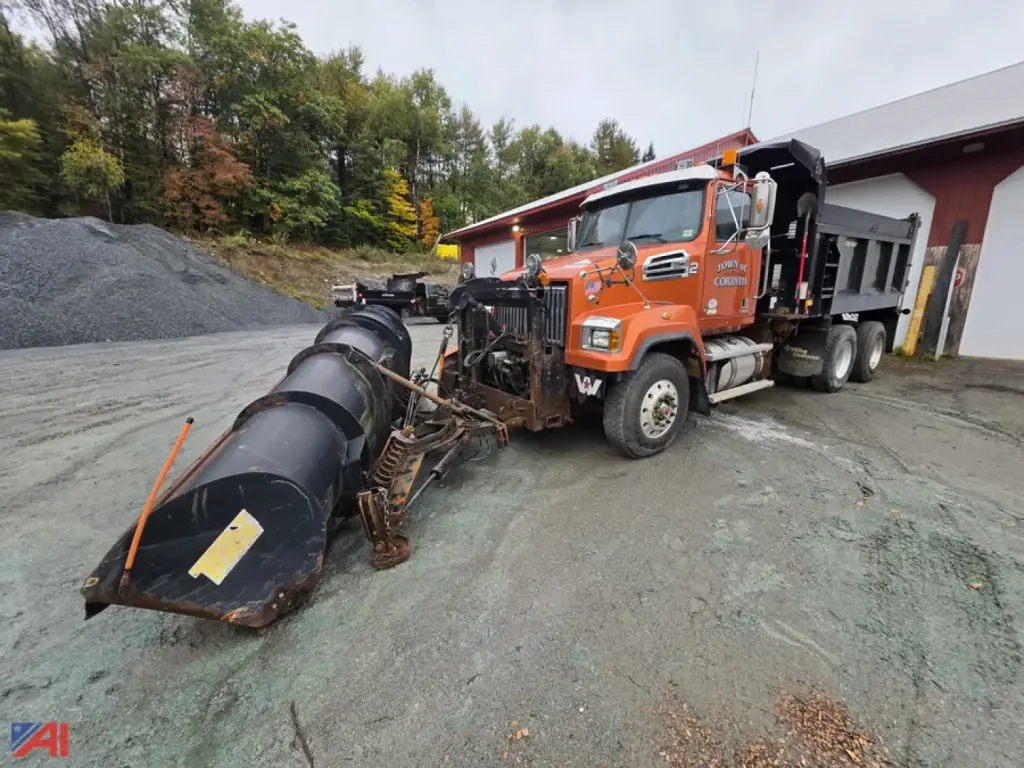
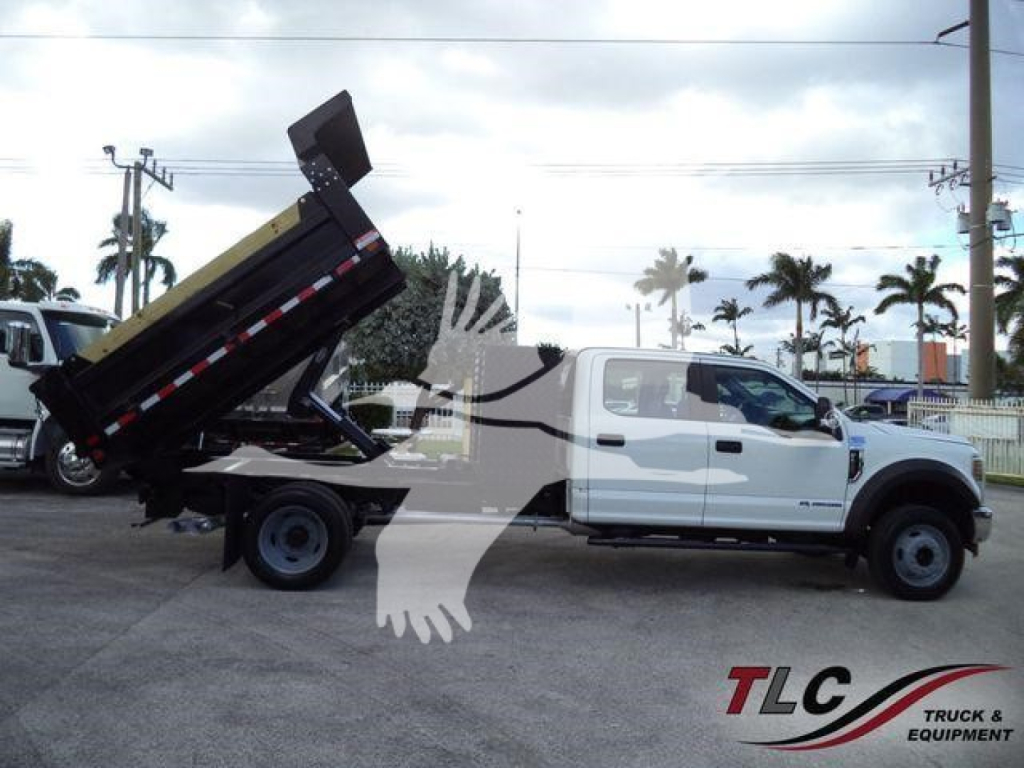
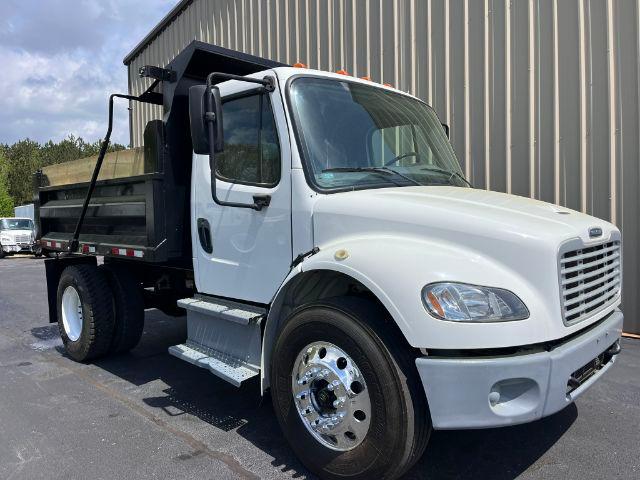
Selling a 2018 dump truck? List your 2018 dump truck for sale and reach thousands of commercial buyers.
2018 Dump Trucks
On 2018 dump trucks, buyers should pay close attention to chassis and body specs before focusing on brand preference. Common engines in this year range often fall in medium-duty and heavy-duty diesel platforms from Cummins, Mack, Detroit, PACCAR, and Volvo, paired with Allison automatics, automated manuals, or traditional manual transmissions depending on the job cycle. Front axle ratings may range from around 12,000 to 20,000 pounds, while tandem rear ratings often land in the 40,000 to 46,000 pound class on heavier trucks. Suspension choice matters. Spring suspension is simple and durable for rough work, while vocational air ride can improve ride quality but may not be preferred in every severe-service application. Rear axle ratio, tire size, and wheelbase will directly affect launch, legal payload, turning radius, and how well the truck handles a paver, transfer work, or off-road access.
The dump body itself deserves as much scrutiny as the cab and drivetrain. In the 2018 market, steel bodies are common for demolition, rock, and abrasive material, while lighter aluminum bodies may appear in payload-focused applications. Buyers should note body length, cubic yard capacity, side height, floor thickness, tailgate style, and whether the truck uses a scissor hoist, telescopic cylinder, or underbody hoist. PTO operation, wet kit condition, hydraulic pump performance, and any signs of leaking at cylinders, hoses, or control valves are critical. Other useful vocational features include electric tarp systems, coal chutes, vibrators, pintle hitches, lift axles, plow mounts, spreader hydraulics, and crossmember or frame reinforcement. On used 2018 units, body rust, hinge wear, hoist pin play, and floor condition can tell you a lot about how the truck was worked.
A 2018 dump truck also sits in a practical emissions and electronics window for many fleets. These trucks are modern enough to offer better cab ergonomics, traction control, brake systems, and more refined drivability than older vocational iron, but they are still familiar to most fleet shops and owner-operators. Service history is especially important. Look for records on DPF cleaning, SCR and DEF system repairs, clutch or transmission work, suspension wear items, and hydraulic maintenance. A good buyer will compare empty weight against axle capacity, confirm local bridge law compatibility, and inspect the truck for frame repairs, hard off-road use, and signs of overloading. When the spec is right, a 2018 dump truck can still be a dependable revenue truck for construction, municipal service, road building, landscaping supply, and material hauling.
Frequently Asked Questions about 2018 Dump Trucks
What should I look for first when comparing 2018 dump trucks?
Start with the truck’s intended application, then verify the axle configuration, GVWR, body size, and hydraulic setup. A truck hauling asphalt or crushed stone needs a different body, suspension, and axle spec than one doing municipal plow work or light dirt hauling. After that, review engine and transmission pairing, wheelbase, rear axle ratio, and empty weight. Those factors determine payload, maneuverability, and jobsite suitability more than the badge on the hood.
Are 2018 dump trucks available in single-axle and multi-axle configurations?
Yes. The 2018 model year includes single-axle, tandem-axle, tri-axle, and quad-axle dump trucks, depending on region and application. Single-axle trucks are common in tighter urban work, lighter payload applications, and municipal service. Tandem and heavier multi-axle trucks are more common in aggregate, paving, excavation, and heavy construction where legal payload and bridge law compliance matter. Lift axles and steerable pushers are also common on higher-capacity vocational specs.
Is an automatic or manual transmission better in a 2018 dump truck?
That depends on duty cycle and driver preference. Allison automatic transmissions are popular in dump trucks that see frequent stop-and-go operation, municipal work, and jobs requiring easy low-speed control. Manual and automated manual transmissions can be a strong fit for fleets focused on durability, fuel economy, or driver familiarity in heavier vocational applications. The best choice depends on terrain, traffic, PTO demands, and who will be operating the truck every day.
How important is the dump body condition on a used 2018 truck?
It is extremely important because the body often shows the truck’s true working life. Check for rust-through, floor patching, cracked welds, tailgate wear, hinge damage, and hoist or cylinder leakage. Also inspect body mounts, crossmembers, tarp function, and signs of material hang-up or impact damage from loaders. A sound chassis with a worn-out body can turn into a costly rebuild quickly, so body condition should be evaluated just as carefully as engine or transmission condition.
Do 2018 dump trucks have emissions systems that need special attention?
Yes. Most 2018 diesel dump trucks use modern aftertreatment systems including DPF and SCR with DEF. These systems are standard, but maintenance history matters. Buyers should ask about fault codes, forced regens, DPF service intervals, sensor replacement, and any history of derate or emissions-related downtime. A truck with documented emissions maintenance and clean diagnostic reports is usually a much safer buy than one with missing records or warning lights.