
2017 Trucks For Sale in New York
Browse 2017 trucks for sale in New York, including day cabs, straight trucks, dumps, and vocational models with diesel powertrains.
Learn more
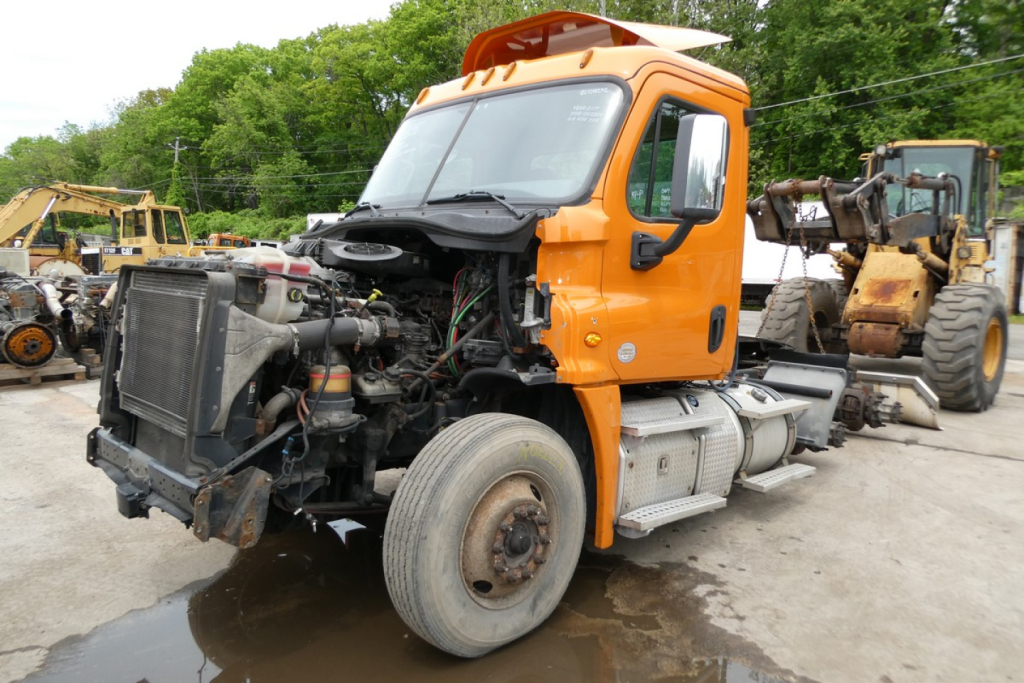

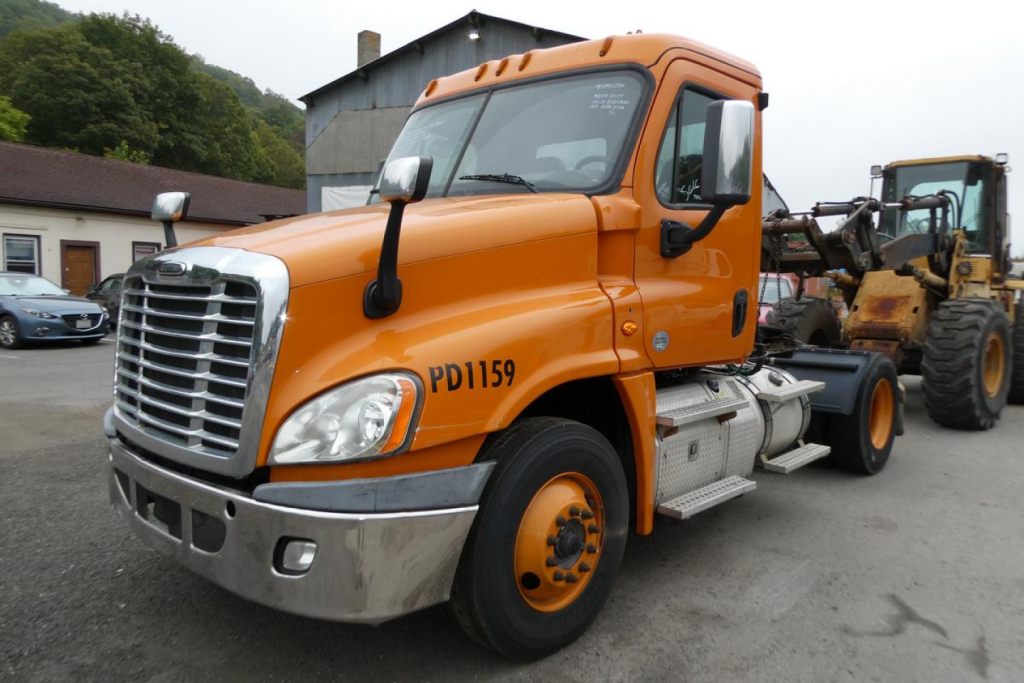
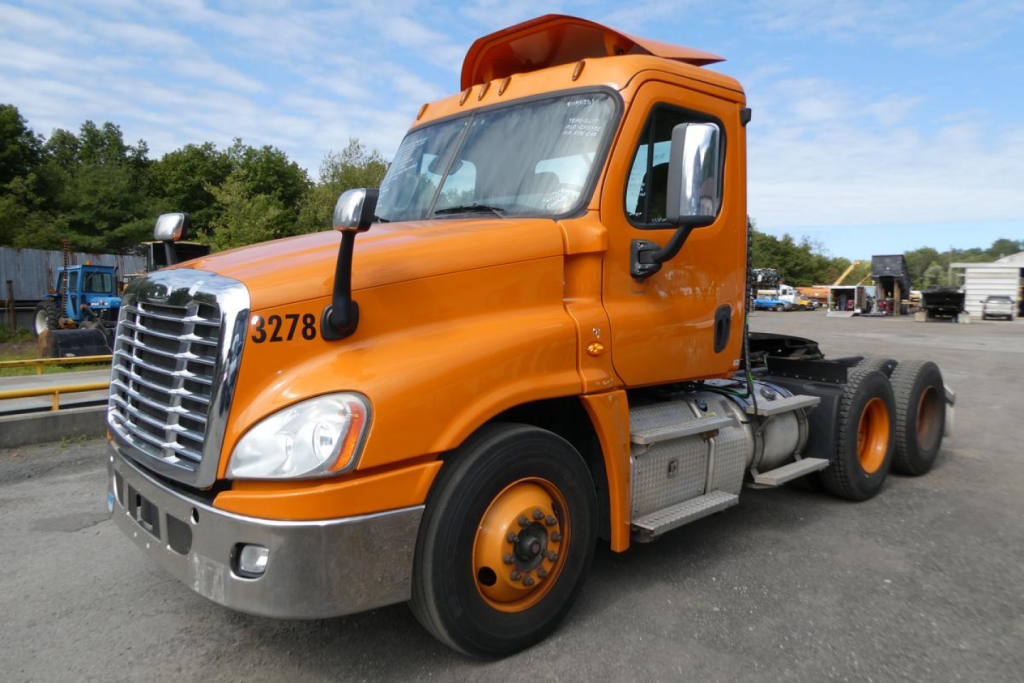
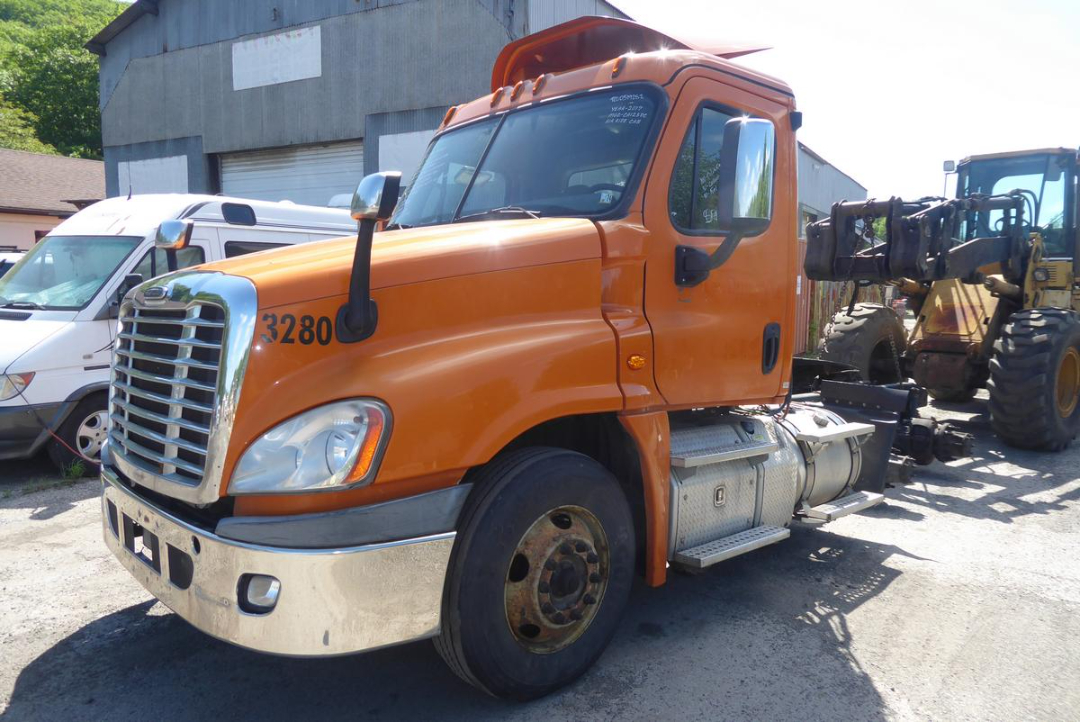
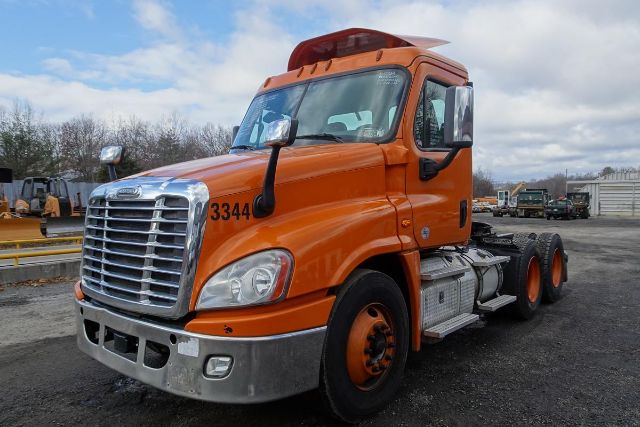
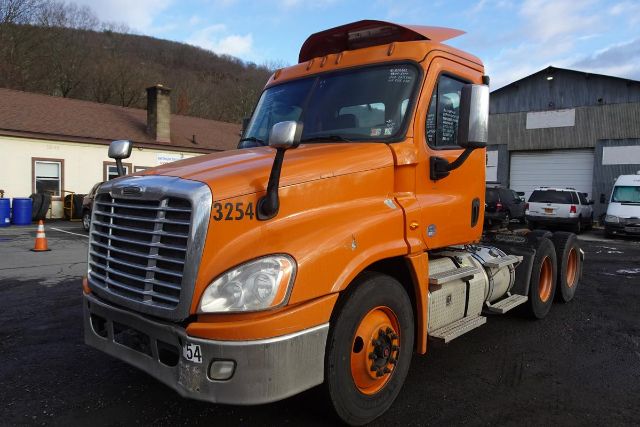
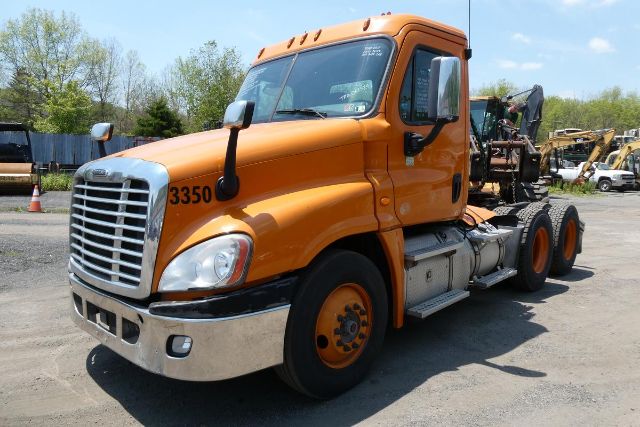
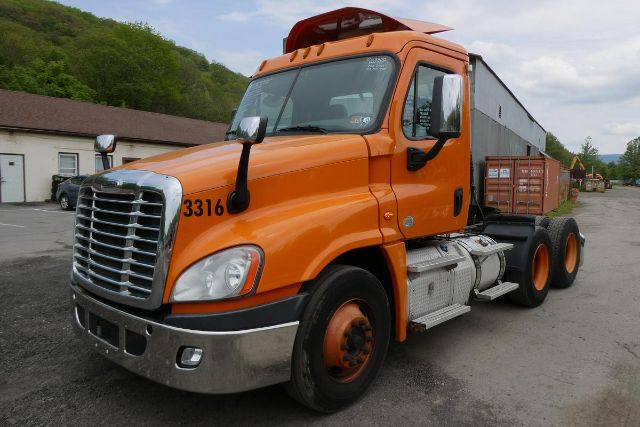
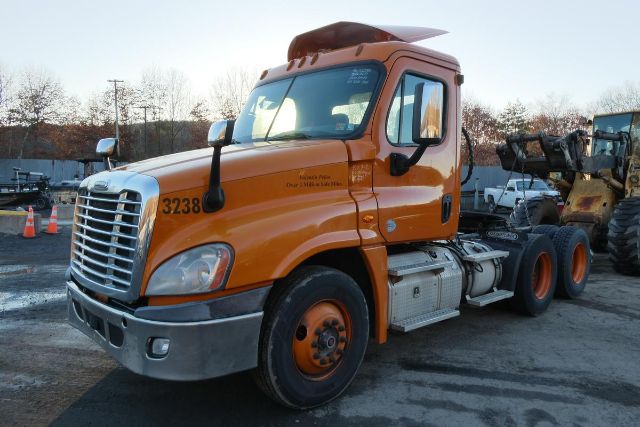
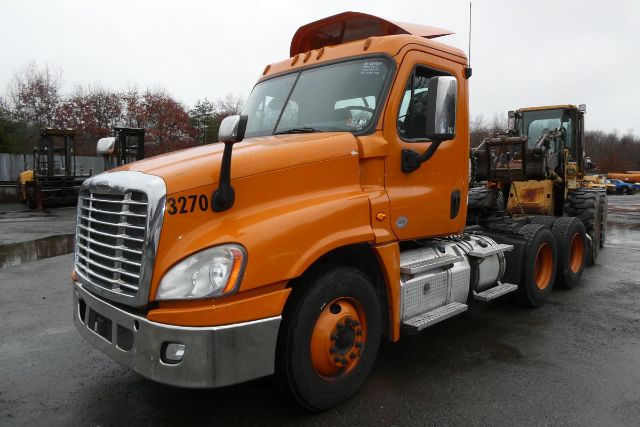
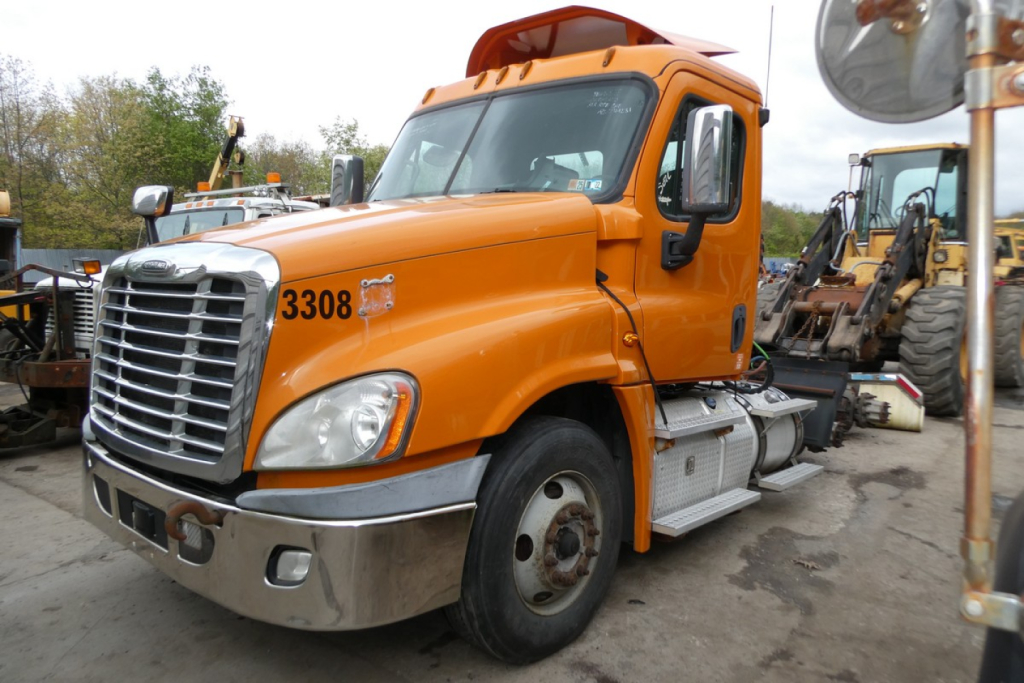
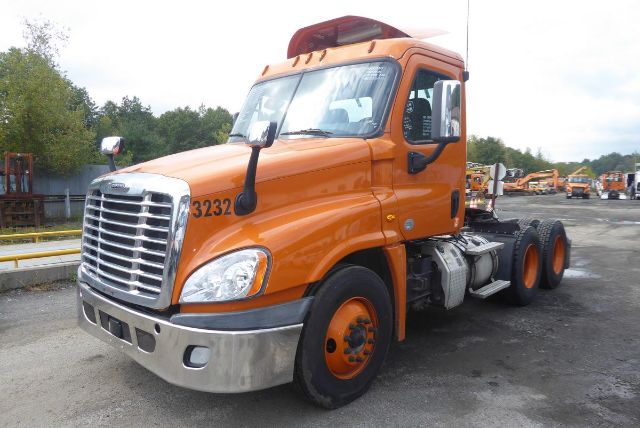
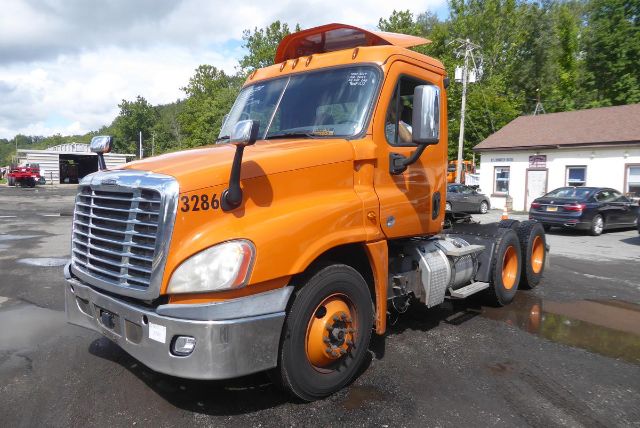
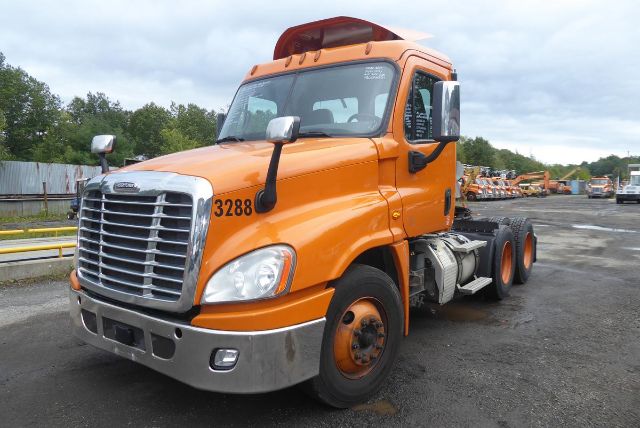
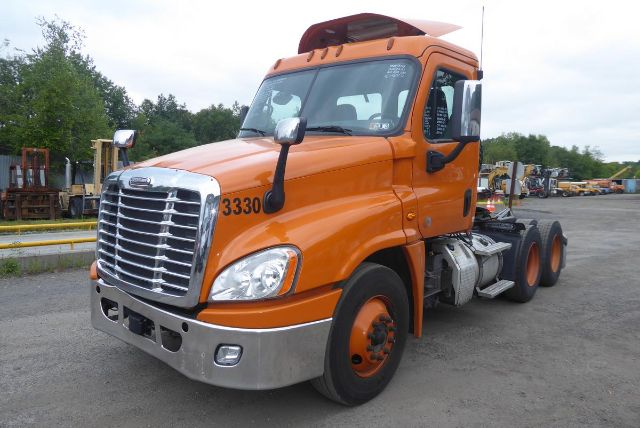
Showing 25 to 45 of 45 results
Have 2017 truck to sell? List it here to reach thousands of buyers.
About 2017 Trucks in New York
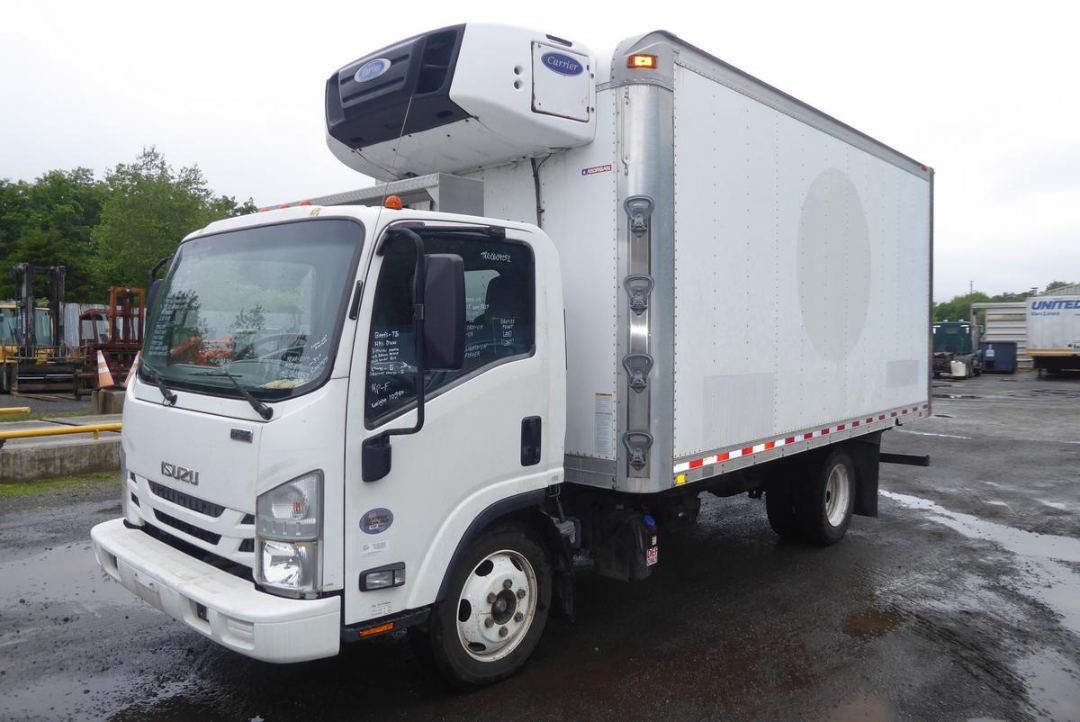
The first buying decision is application, because a 2017 truck can be spec'd very differently depending on the job. On-road tractors often carry aerodynamic packages, air ride suspension, automated or manual transmissions, and rear axle ratios chosen for fuel economy and highway speed. Medium-duty and straight truck configurations commonly show Cummins B6.7 or L9 power, Allison automatics, van bodies, liftgates, and wheelbases matched to local delivery work. Vocational trucks from this year are more likely to have double frames, higher GVWRs, PTO provisions, heavy rear axles, severe-service suspensions, and lower gearing for dump, roll-off, or equipment hauling applications. Buyers should compare axle ratings, wheelbase, cab-to-axle, suspension type, and PTO or wetline setup before focusing on cosmetic condition.
Powertrain and emissions condition are especially important on any 2017 diesel truck. Most units from this year use SCR and DPF emissions systems, so service history on the aftertreatment side matters just as much as engine make and horsepower. Common engines in this range include Cummins ISX15, X15, L9, and B6.7, along with Detroit and PACCAR platforms in other makes. Transmission choices may include Eaton manual, Eaton UltraShift, Detroit DT12, Allison automatic, or vocational manual boxes with low-low gearing. A buyer should pay close attention to fault codes, regen history, injector and turbo work, DEF system repairs, clutch or shift actuator condition, and cooling system records. For New York operation, idle time, corrosion exposure, and stop-and-go duty cycles can tell you a lot about how hard a truck's emissions system and chassis have been worked.
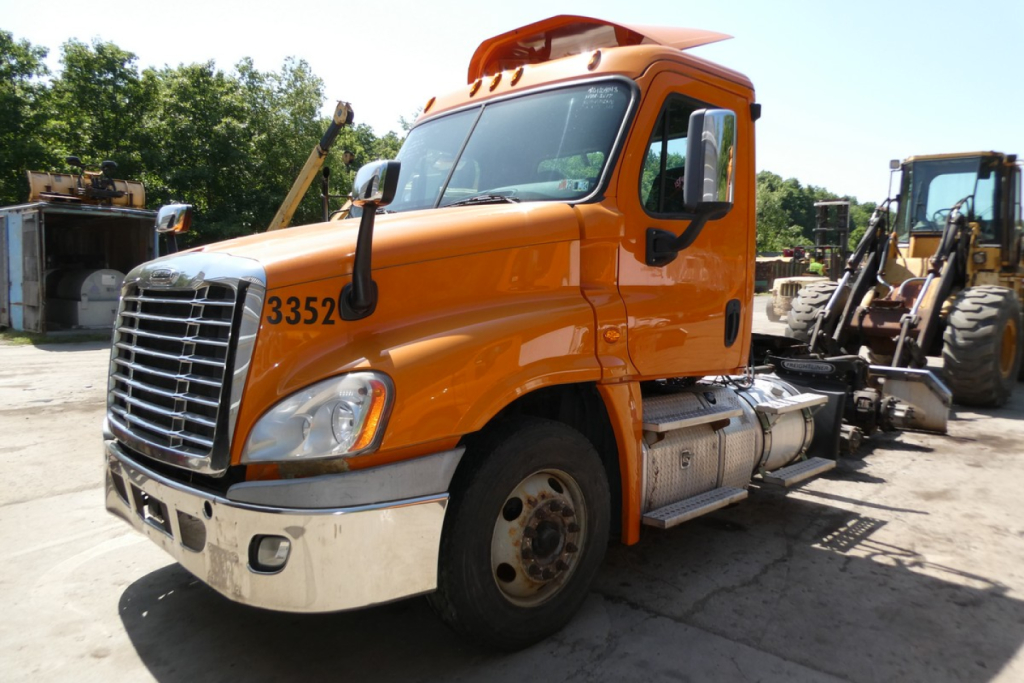
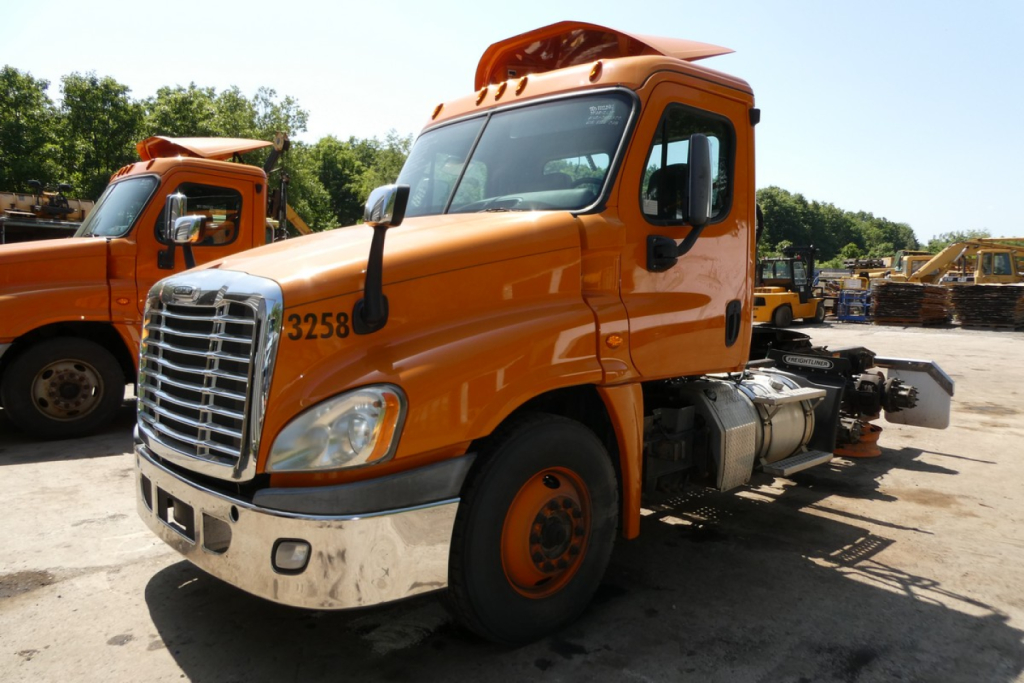
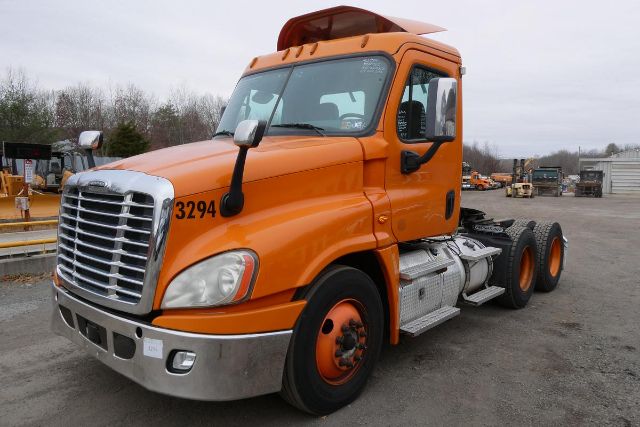
A good 2017 truck should be evaluated as a complete operating package, not just by year and mileage. Check frame condition, crossmembers, brake wear, tire date codes, suspension bushings, driveline play, body or hoist condition if vocational, and interior electrical function. On straight trucks and work trucks, body spec can be as important as the chassis, including van body length, floor condition, roll-up doors, liftgate capacity, dump body construction, or hooklift and roll-off rating. For tractors, look at fifth wheel type, kingpin setting compatibility, fuel capacity, and axle ratio relative to your typical load and road speed. The right 2017 truck can still deliver strong service life, but the best value comes from matching the spec to the route, payload, and maintenance budget.
Frequently Asked Questions
What should I look for first when buying a 2017 used truck?
Start with the truck's intended job and verify that the chassis spec matches it. GVWR, axle ratings, wheelbase, suspension type, transmission, and PTO or body setup affect usability more than the model year alone. After that, review engine and aftertreatment service records, scan for active or inactive fault codes, and inspect wear items such as brakes, tires, suspension components, and frame condition. A 2017 truck with the right spec and documented maintenance is usually a better buy than a cleaner-looking truck with the wrong gearing or incomplete emissions history.
Are 2017 diesel trucks reliable with modern emissions systems?
They can be, but reliability depends heavily on maintenance and duty cycle. A 2017 truck typically uses DPF and SCR emissions equipment, so buyers should expect the condition of the DEF system, sensors, wiring, and regen history to matter. Trucks that had consistent highway use and regular preventive maintenance often age better than units that spent years in short-route stop-and-go work with extended idle time. Service documentation for the DPF, EGR, turbo, and DEF components is a major value point on this model year.
Is a 2017 truck a good fit for New York operation?
Yes, if the truck's spec matches the route environment. New York buyers often need a mix of maneuverability, corrosion resistance, and durability for urban delivery, regional highway use, or construction work. For city and suburban routes, automatic transmissions, shorter wheelbases, and medium-duty straight truck specs can make daily operation easier. For heavier work, buyers should focus on axle capacity, frame strength, and suspension design, while also checking closely for rust, electrical corrosion, and brake system wear caused by weather and road treatment exposure.
What engines and transmissions are common in 2017 trucks?
Common 2017 truck engines include Cummins ISX15 or X15 in heavy-duty highway applications, Cummins L9 in medium-duty and regional work, and Cummins B6.7 in lighter straight truck applications. Depending on make and vocation, buyers may also see Detroit or PACCAR engines. Transmission choices usually include Eaton manuals, automated manuals such as Eaton UltraShift or Detroit DT12, and Allison automatics in delivery and vocational trucks. The best combination depends on the application, terrain, driver preference, and maintenance support available in your area.
Does mileage matter more than hours on a 2017 truck?
No. On many 2017 trucks, engine hours can be just as important as mileage, especially for delivery, municipal, and vocational applications. A truck with moderate miles but very high idle hours may show more wear in the emissions system, engine, and accessories than a highway truck with higher mileage and fewer idle hours. Buyers should compare miles, hours, maintenance records, and the truck's previous job type to get a more accurate picture of actual wear.